Science
The 25 Best James Webb Space Telescope Photos - PetaPixel
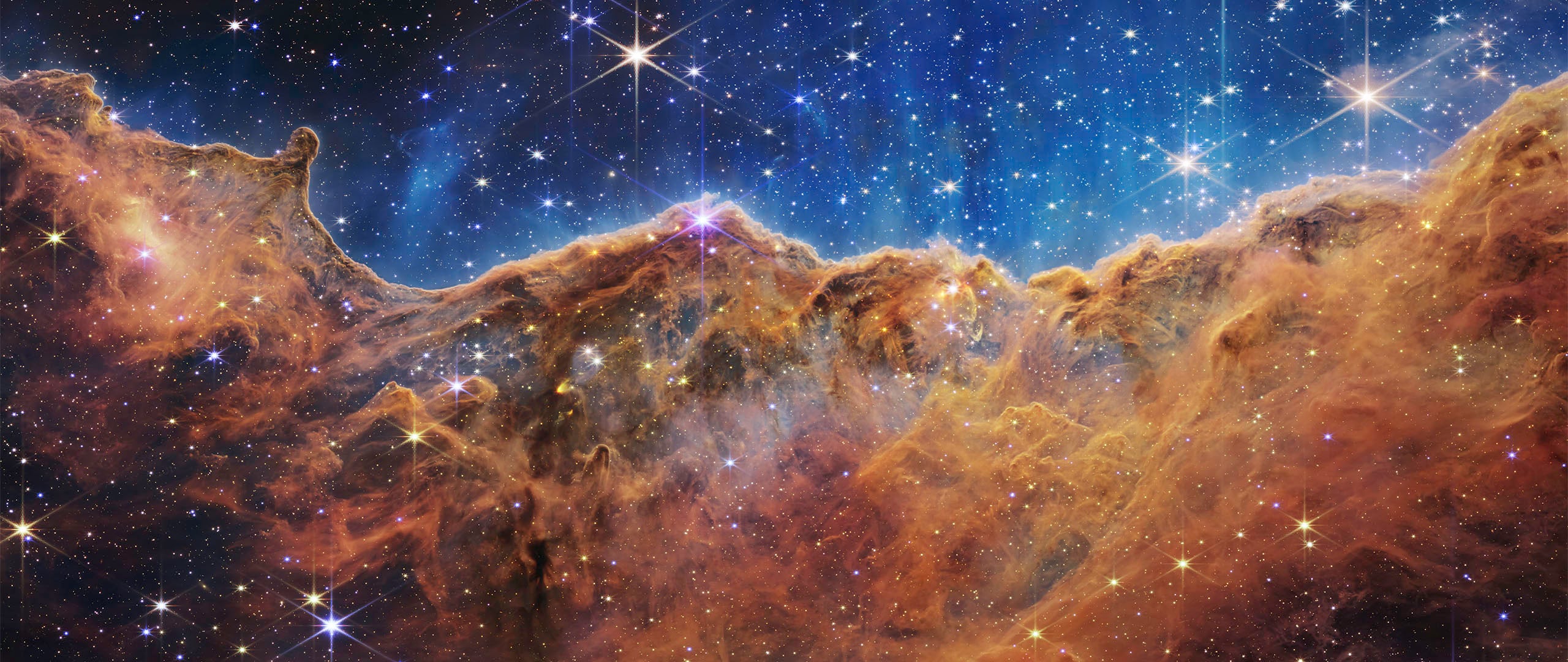
Marking four years of operations, the James Webb Space Telescope has used its infrared capabilities to transform our understanding of the universe.
Marking four years of operations, the James Webb Space Telescope has used its infrared capabilities to transform our understanding of the universe.

The FCC authorized Reflect Orbital to launch a mirror-equipped satellite designed to beam sunlight to Earth. The mission faces scrutiny from the astronomy community regarding potential environmental impacts and the future of the night sky.

Earth has reached its annual farthest point from the Sun, highlighting the role of axial tilt over orbital distance in creating seasons.
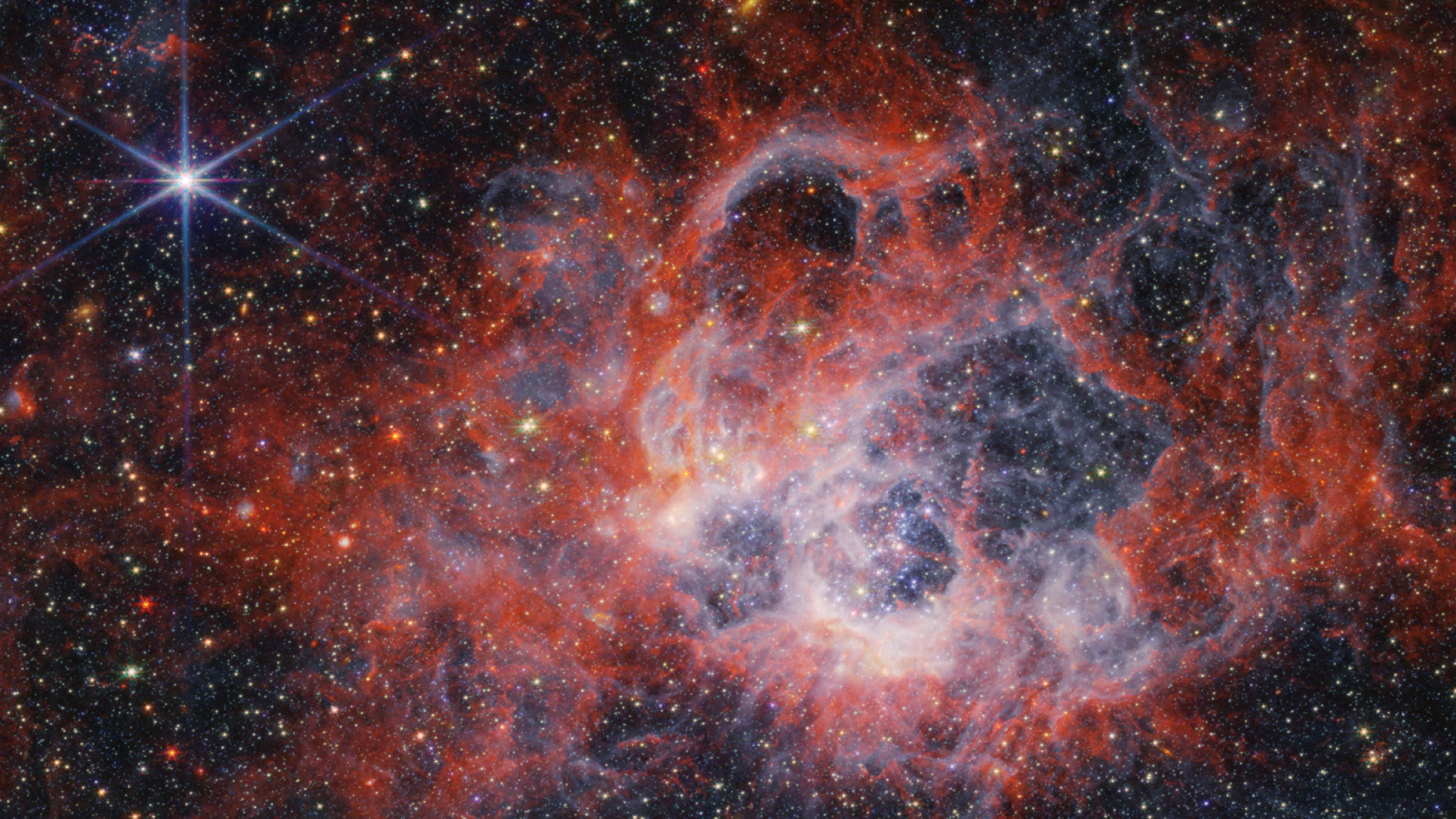
Observations reveal that 14 galaxies in the early universe prematurely ceased star formation, suggesting a complex, bursty cycle of stellar evolution. These findings challenge standard cosmological models that predicted early galaxies would be defined by constant growth.
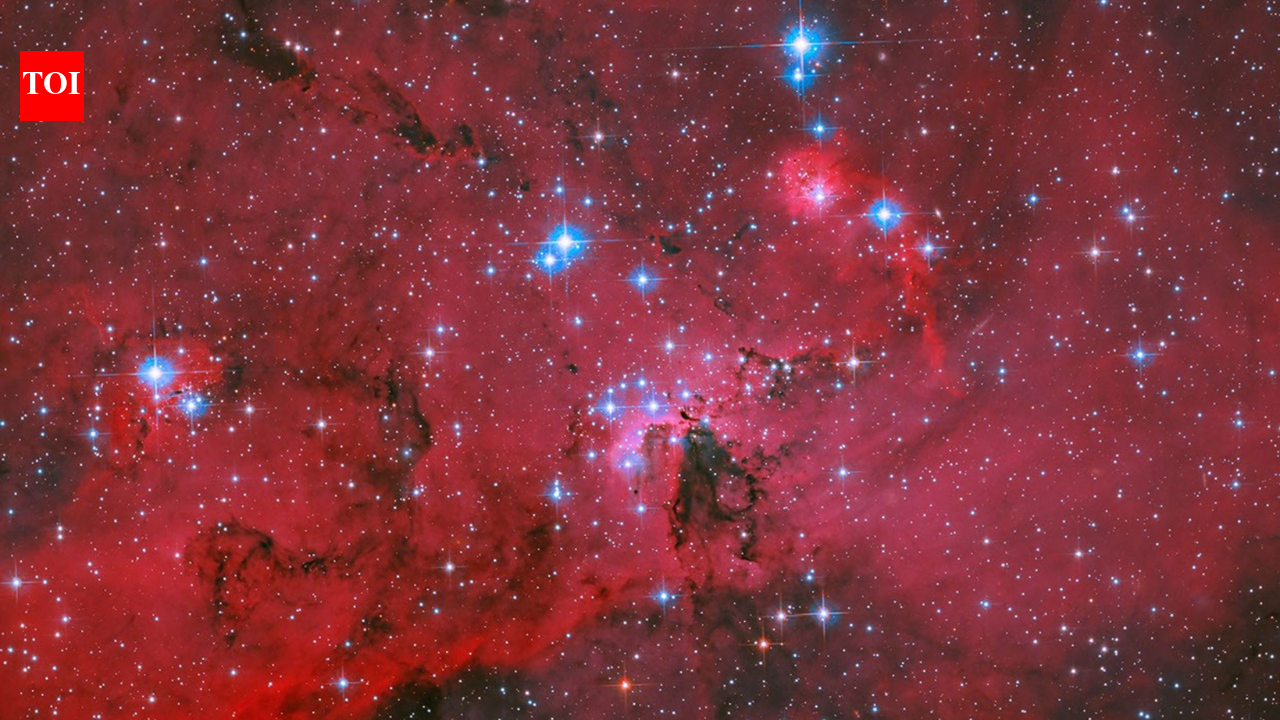
Hubble has captured images of the LH 95 stellar nursery, revealing how massive blue stars and crimson gas shape the ongoing processes of star formation.
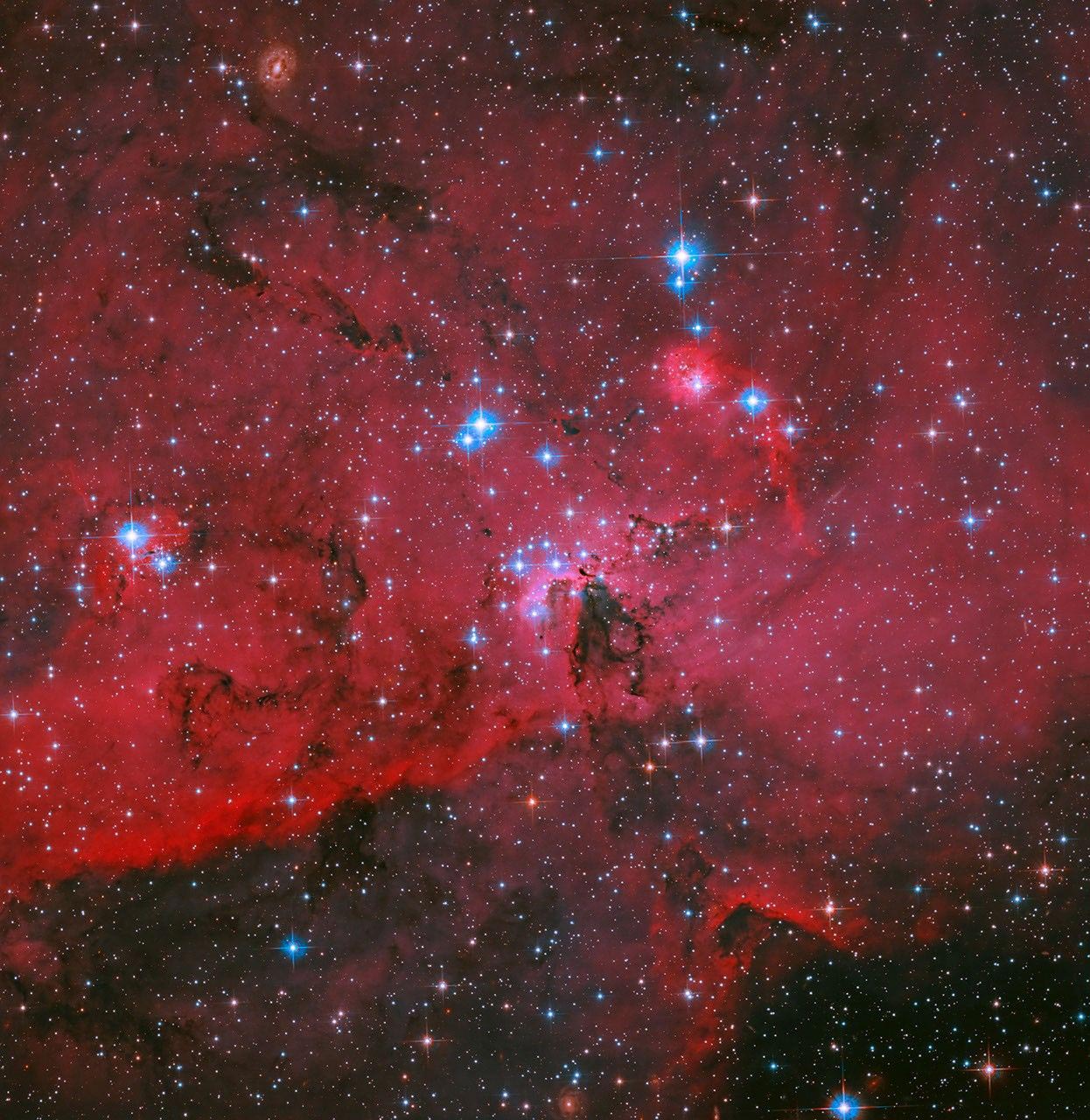
New high-resolution imagery of LH 95 provides a rare, unobstructed view of star formation, showing how massive blue giants shape their cosmic environment.
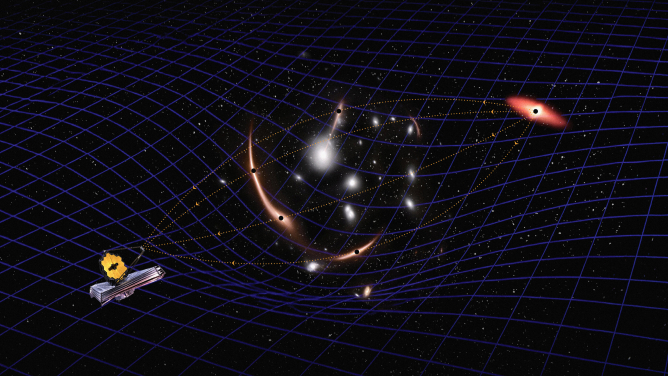
Astronomers have successfully measured the mass of a dormant supermassive black hole in the early universe by leveraging gravitational lensing.
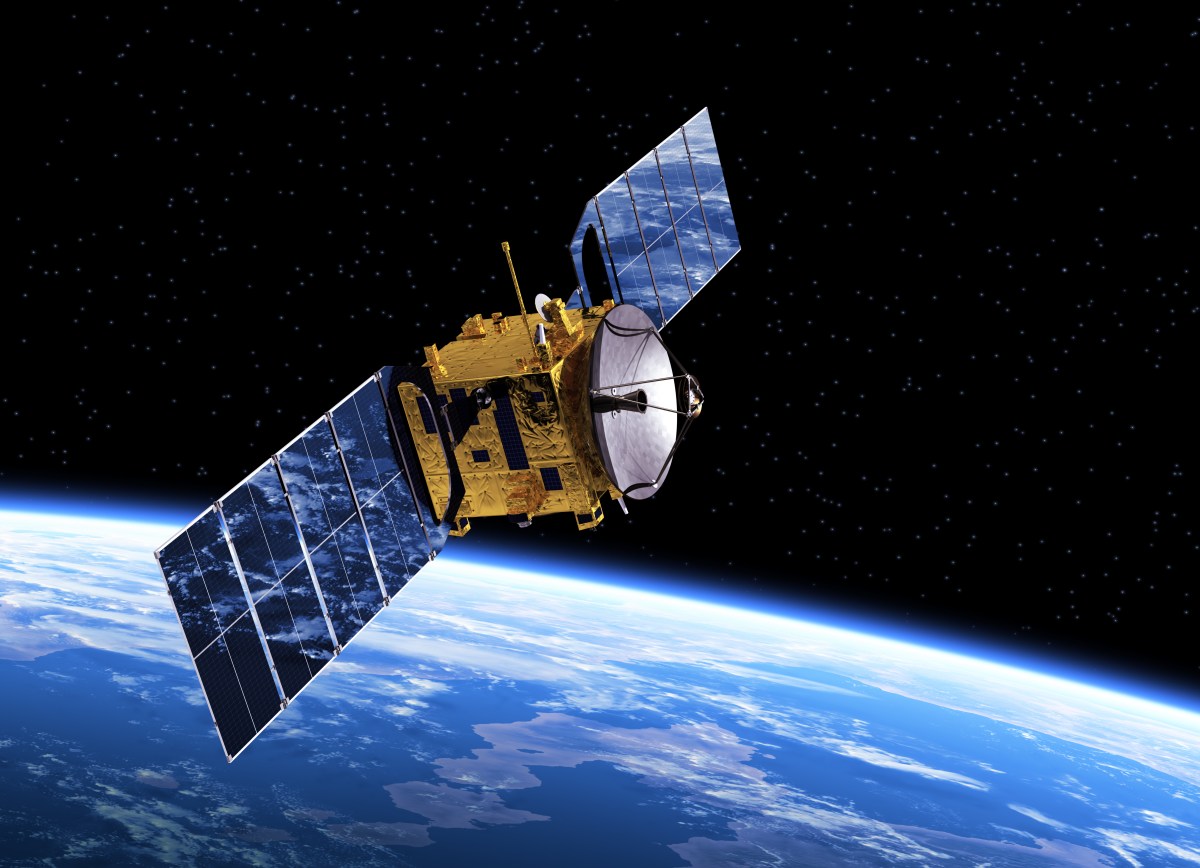
Scientific organizations are opposing proposed orbital expansion projects, warning that the influx of satellites threatens to compromise astronomical research.

Researchers have identified a pair of low-density exoplanets, TOI-791 b and c, that challenge existing theories on how planetary systems form and evolve.
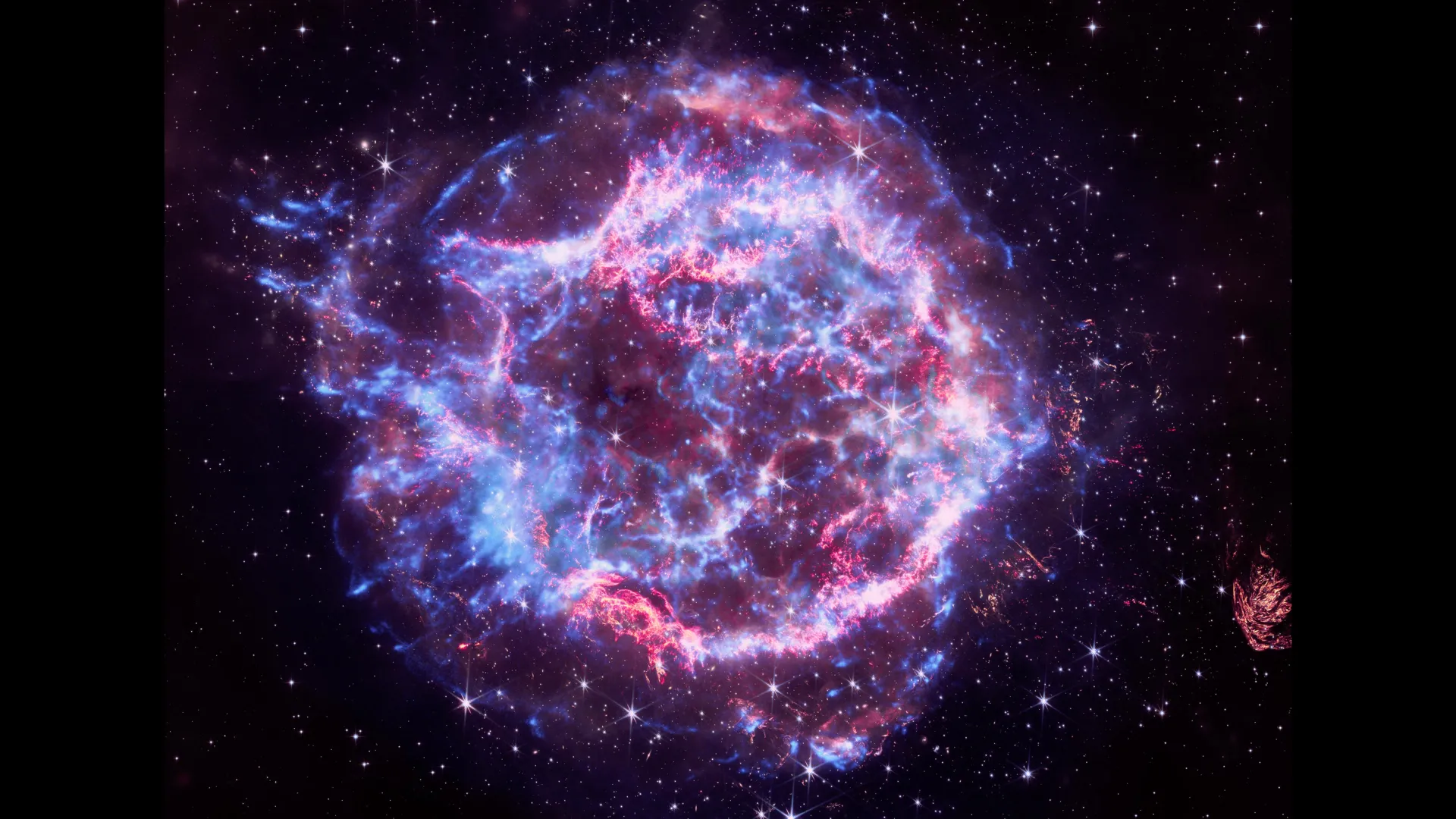
NASA has unveiled a collection of space imagery and audio sonifications rendered in red, white, and blue to mark the United States' 250th anniversary. The project features four celestial objects captured by the Chandra X-ray Observatory and other space and ground-based telescopes.
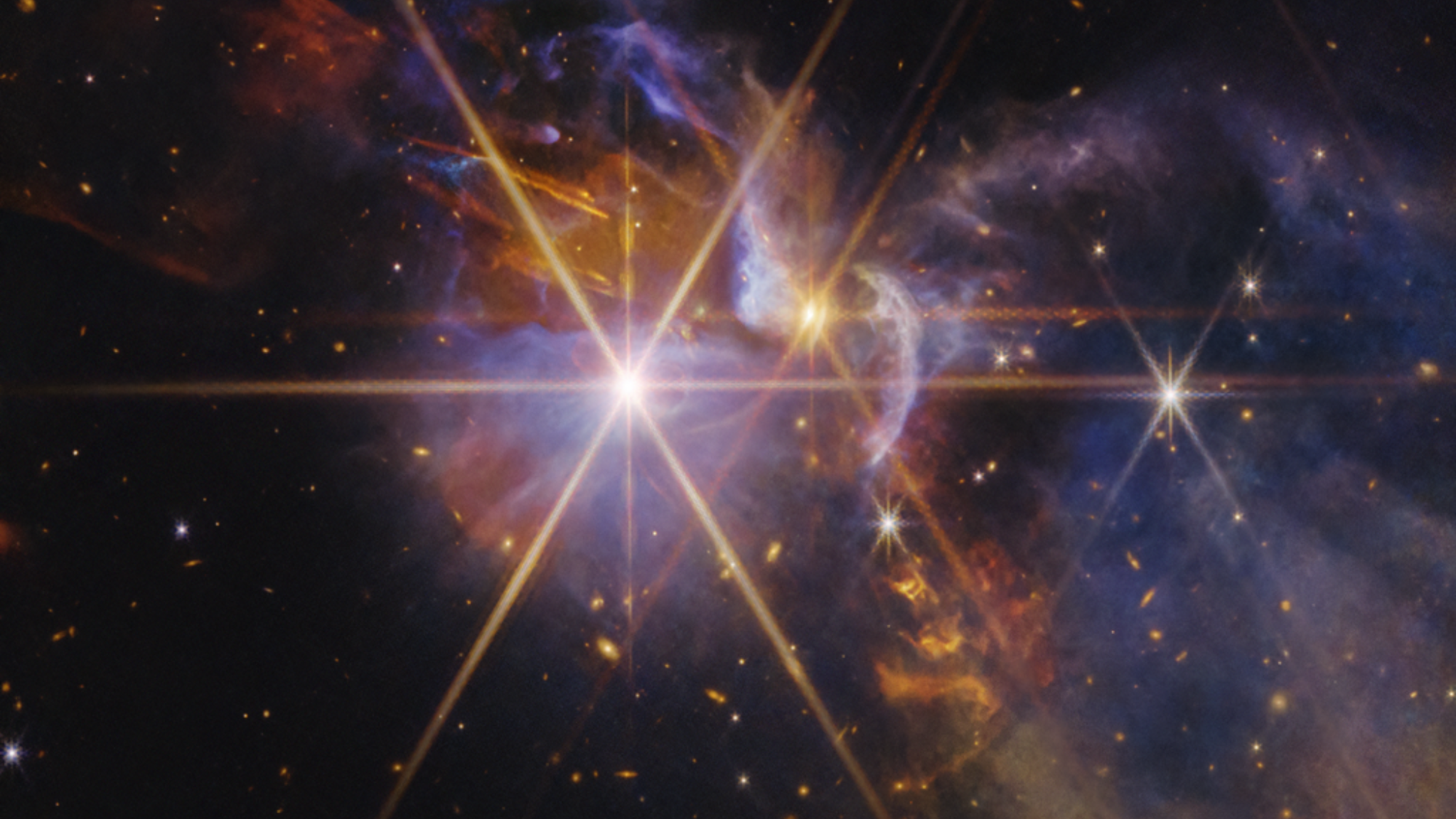
New infrared imagery from the James Webb Space Telescope offers a look at the birth of stars within the dust-shrouded FS Tau region. These findings provide evidence that protostars accumulate mass through discrete, energetic episodes rather than steady growth.
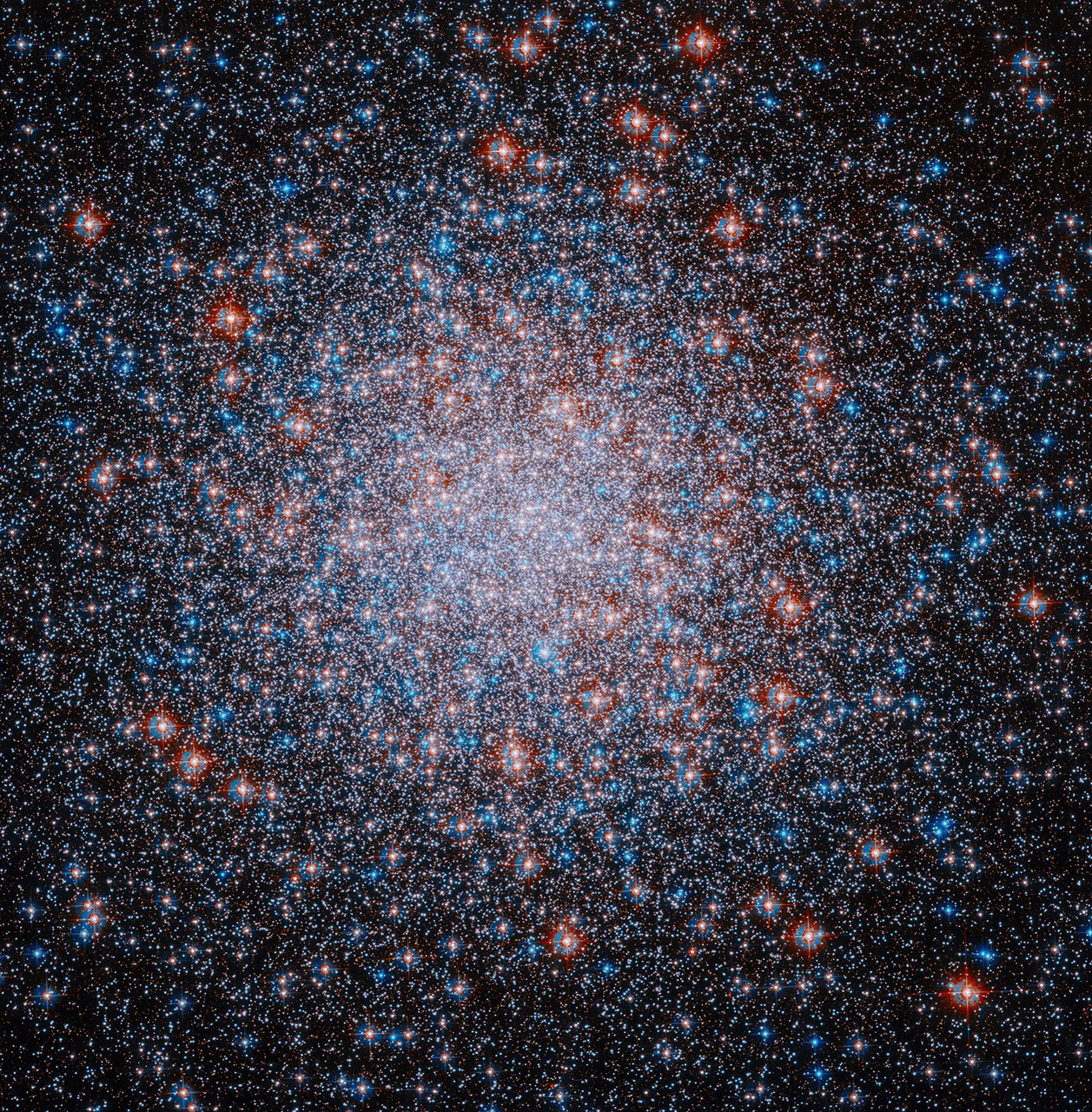
To commemorate the U.S. 250th anniversary, NASA has released a high-resolution image of the massive Messier 3 globular cluster containing 500,000 stars.
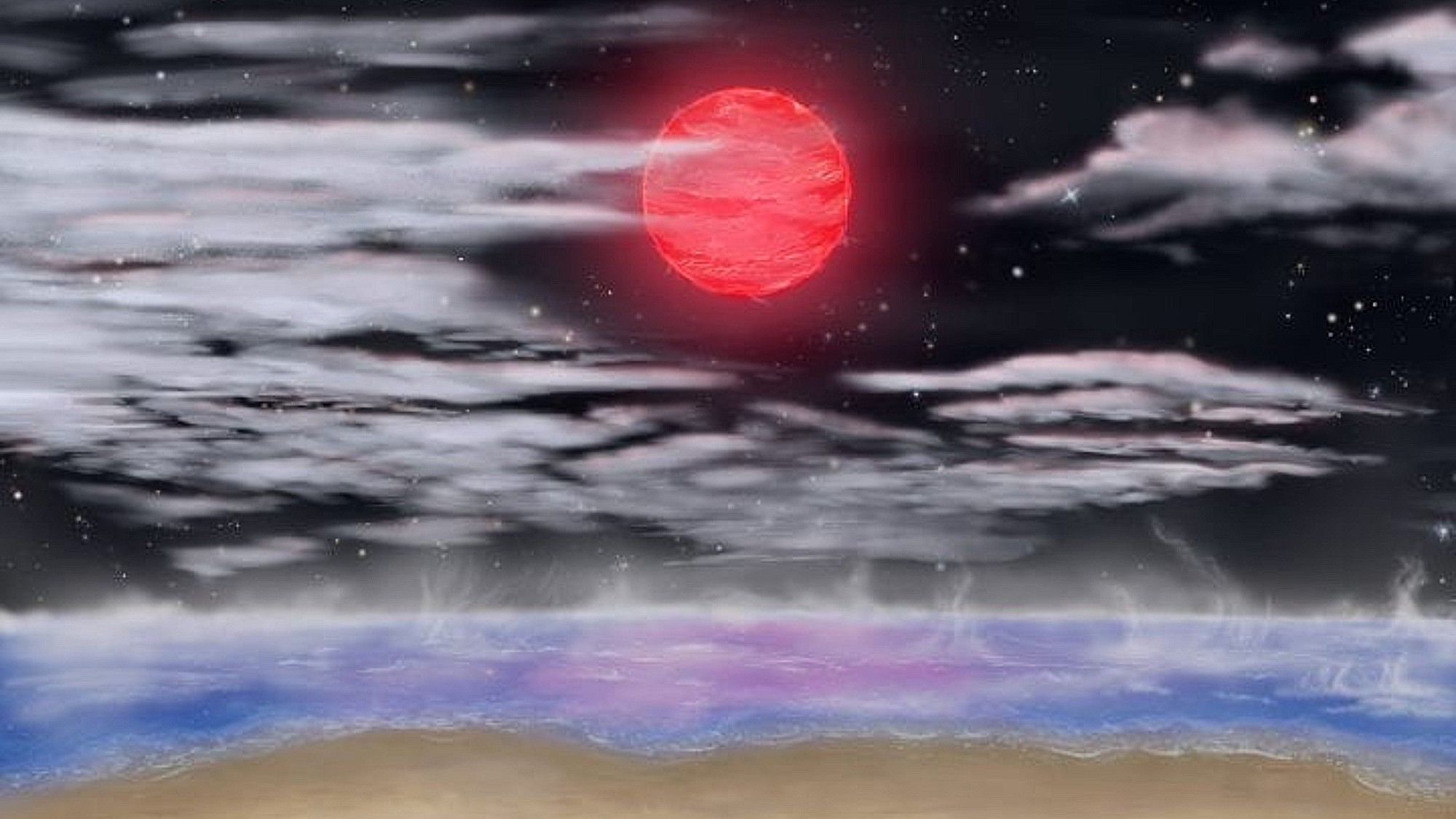
New research indicates that GJ 3378b is a rocky super-Earth rather than a gas giant, making it a key candidate for future studies of habitability.

An ESO study warns that the proposed launch of over 1.7 million satellites poses an existential threat to astronomy by causing severe light pollution. Researchers are advocating for a strict orbital limit of 100,000 satellites to preserve the viability of ground-based observations.
Equipped with the world's largest digital camera, the Vera C. Rubin Observatory in Chile has begun a decade-long project to create a time-lapse of the sky. The survey aims to capture vast amounts of data to help researchers study dark energy, dark matter, and other celestial phenomena.
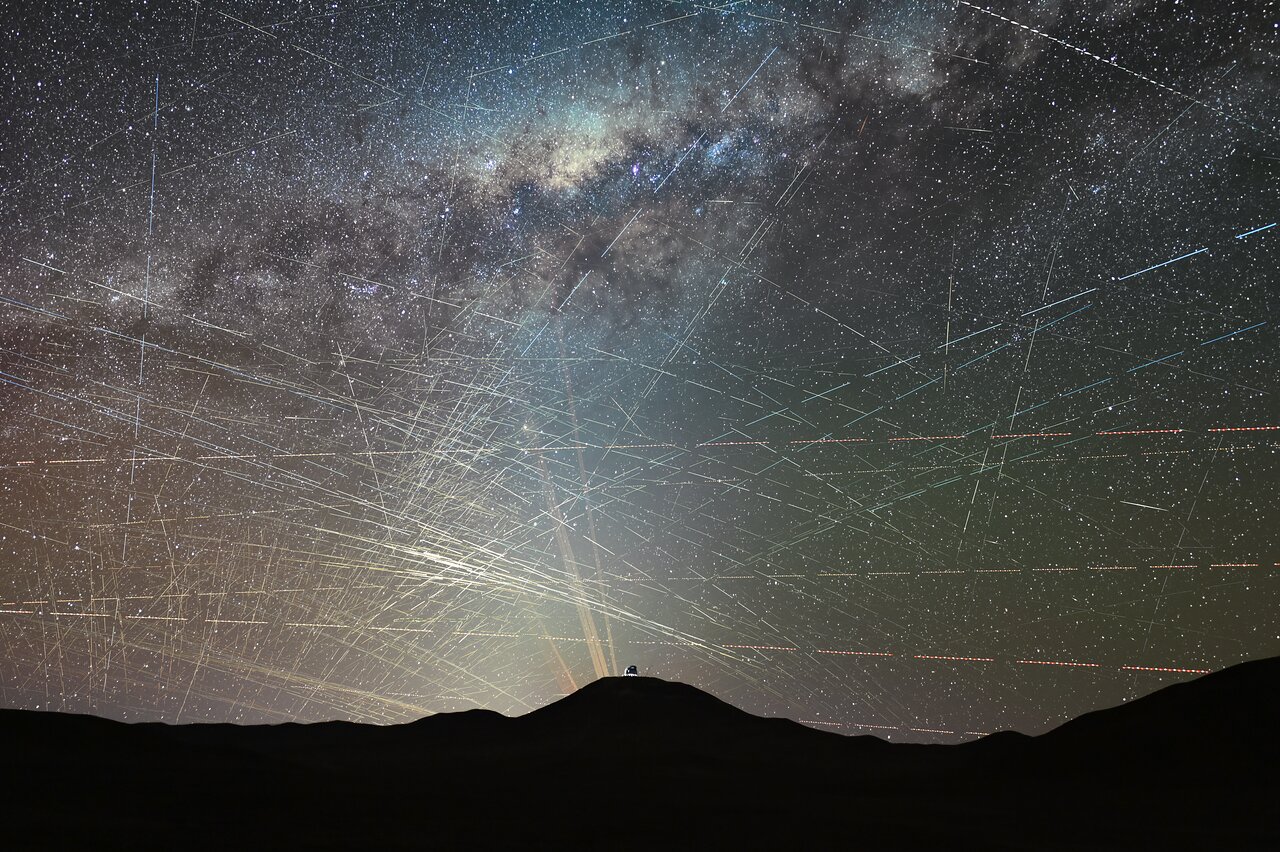
New research from the European Southern Observatory indicates that massive satellite constellations could damage astronomical research by creating light trails and elevating background sky brightness. Scientists are calling for an orbital cap to protect the ability to observe the cosmos.
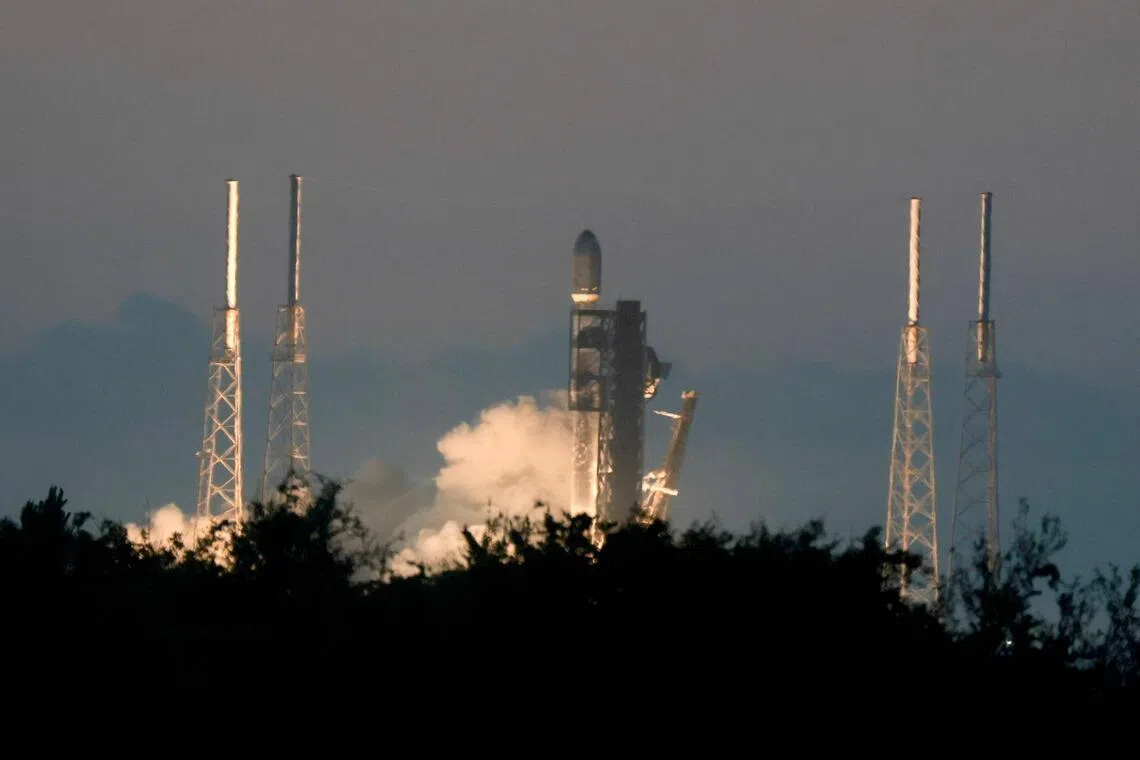
A study by the European Southern Observatory warns that the rapid expansion of satellite constellations could render critical ground-based research impossible. Scientists are urging the FCC to implement strict regulatory limits to protect the night sky.

A new European Southern Observatory study warns that proposed satellite constellations could render ground-based astronomy impossible through massive light pollution and data interference.
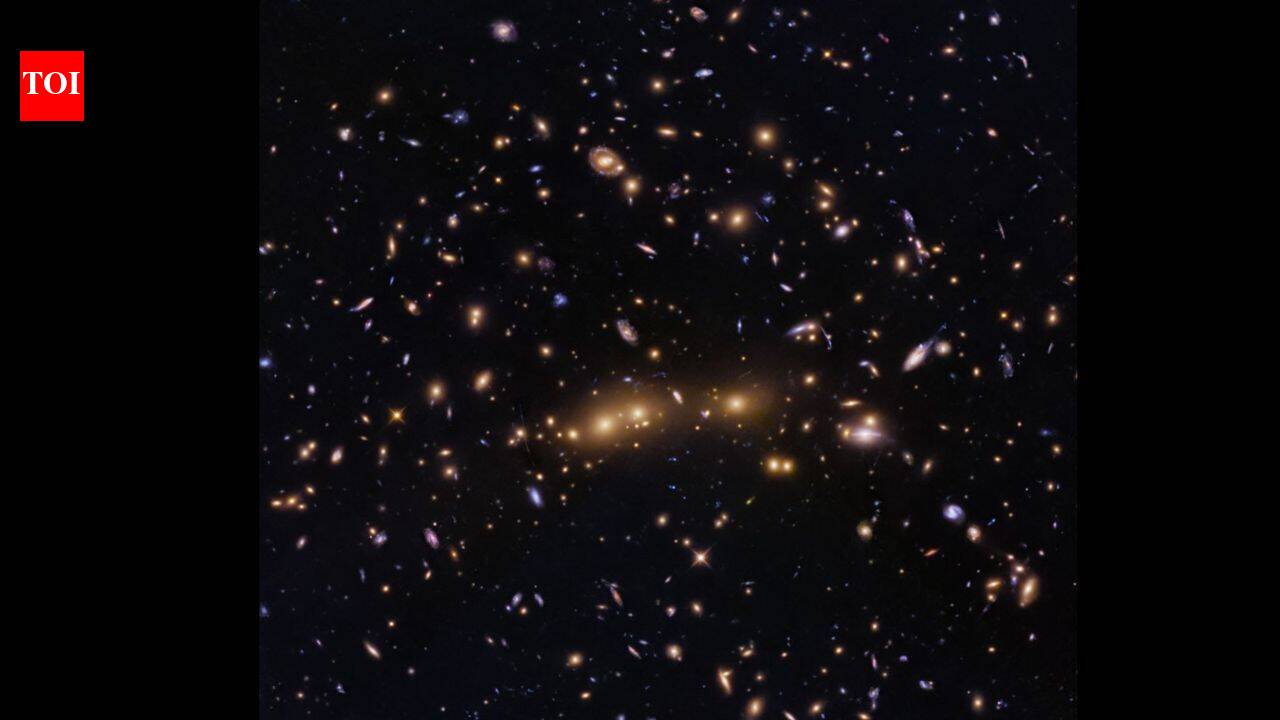
New Hubble imagery confirms that the galaxy cluster CL0016+1609 is a site of active cosmic interaction, allowing researchers to map dark matter distribution.
The ESA has unveiled a high-resolution mosaic of the Milky Way’s galactic bulge captured by the Euclid space telescope. This detailed image of 60 million stars provides researchers with a critical tool for identifying and characterizing planets beyond our solar system.