Planned 1.7 million satellites 'devastating' for astronomy: Study
A study by the European Southern Observatory warns that the rapid expansion of satellite constellations could render critical ground-based research impossible. Scientists are urging the FCC to implement strict regulatory limits to protect the night sky.
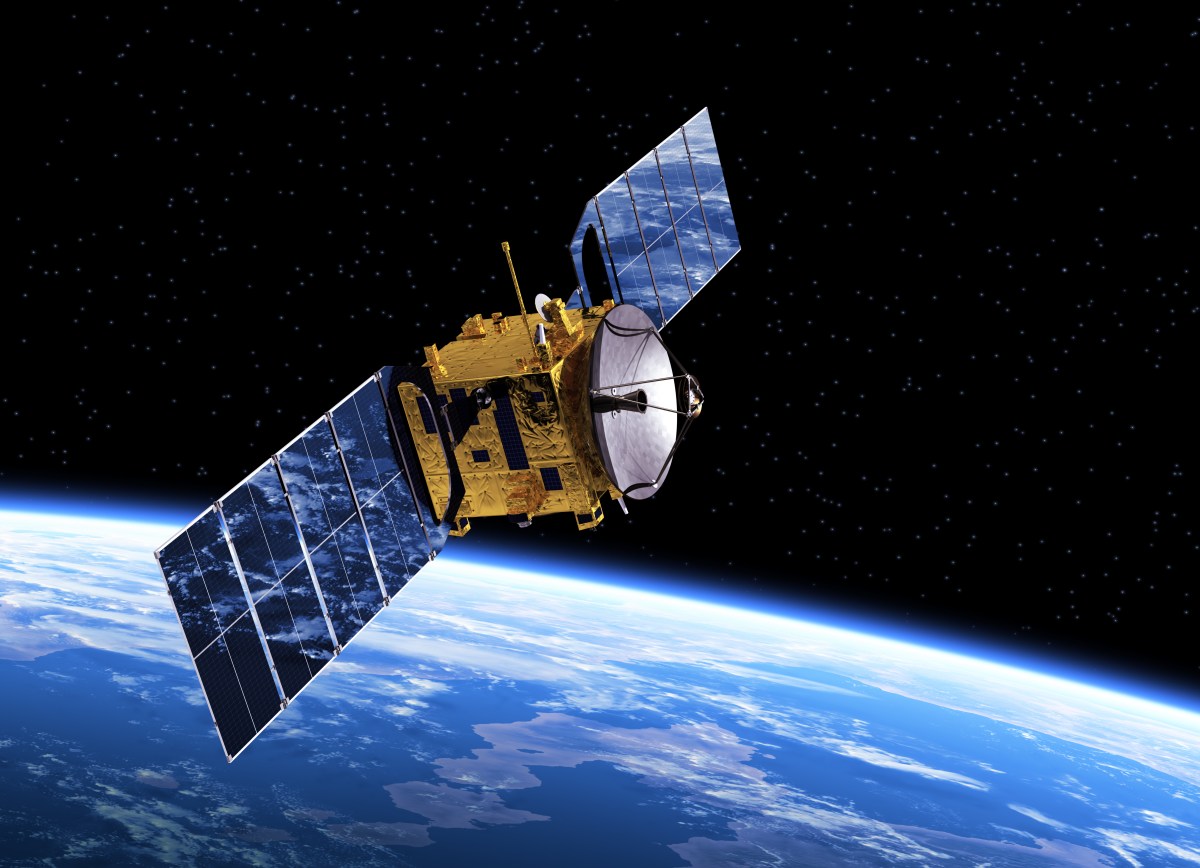
Plans to expand the number of satellites in Earth’s orbit to 1.7 million threaten to cause "devastating consequences for astronomy," according to new research published in the journal Astronomy & Astrophysics. The study, conducted by the European Southern Observatory (ESO), warns that this rapid increase in orbital infrastructure represents an "existential threat" to the future of ground-based observations.
The current satellite population has reached 14,000 active craft, a total that has surged since in recent years. Proposed constellations from various companies—including SpaceX, E-Space, and Reflect Orbital—would move the total far beyond the limit that researchers say is sustainable for scientific research. To preserve the ability to effectively explore the night sky, the ESO research team recommends that the total number of orbiting satellites be capped at 100,000, with strict requirements that each craft remain invisible to the naked eye.
Related media


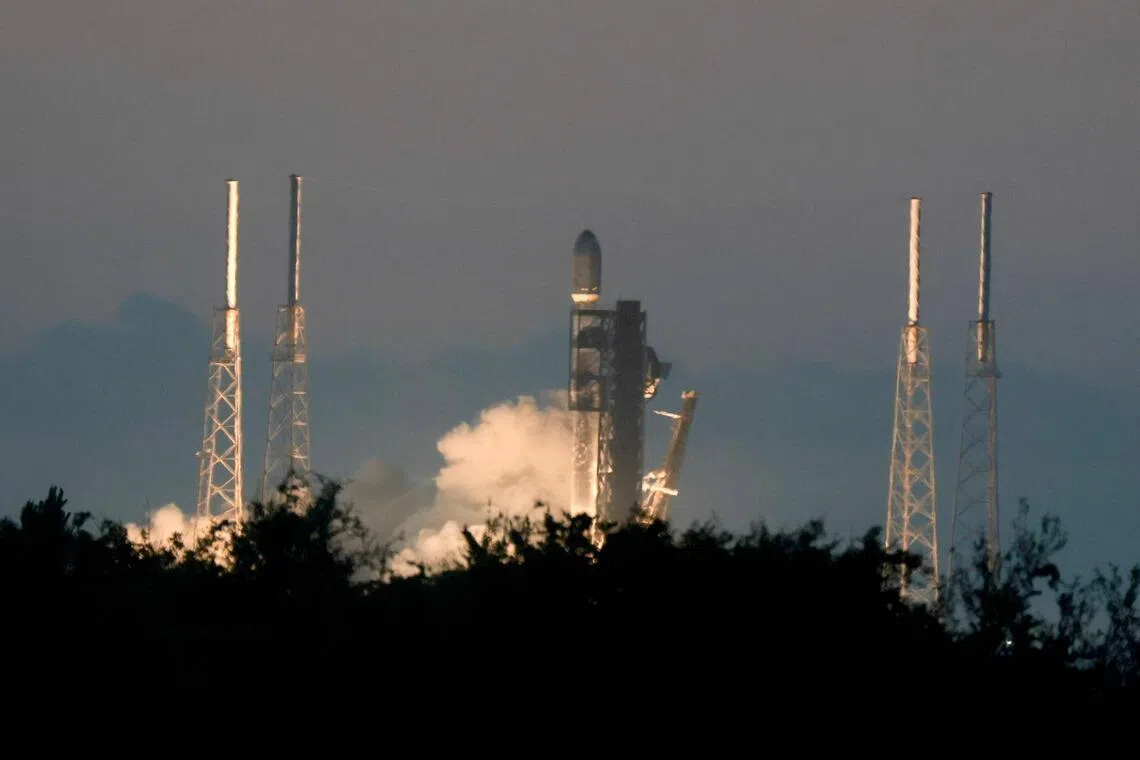
SpaceX, which currently operates a large portion of the active satellite fleet through its Starlink network, has signaled intentions to launch over one million additional satellites by 2028. These future platforms are intended to serve as data centers for artificial intelligence. Simultaneously, startups such as Reflect Orbital have filed plans with the US Federal Communications Commission (FCC) to deploy 50,000 satellites equipped with large mirrors designed to reflect sunlight toward Earth at night.
Impact on Observatories
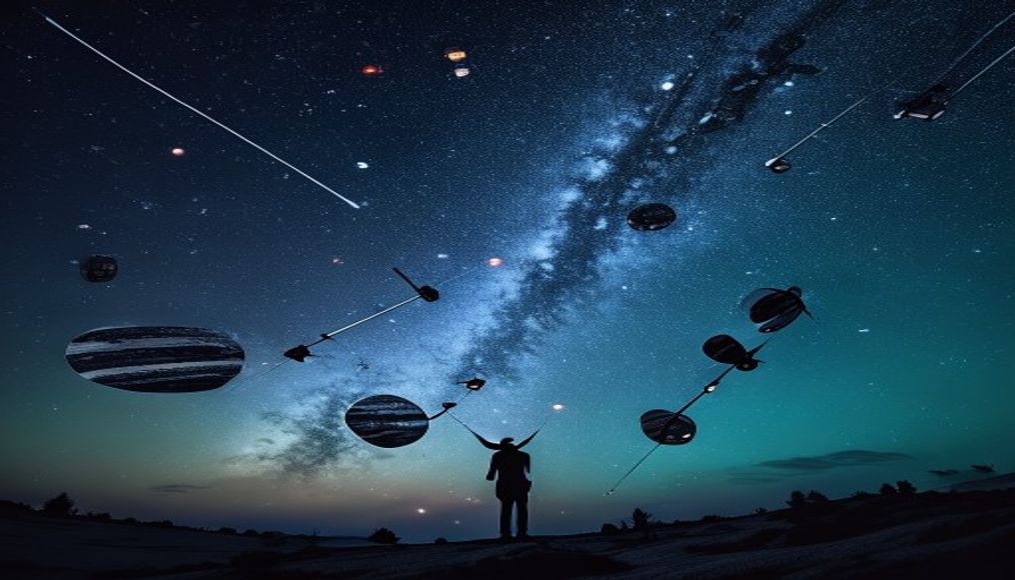
The influx of satellites introduces two primary challenges for astronomers: the appearance of bright streaks across telescope images and an overall increase in background sky brightness. Olivier Hainaut, an astronomer at the ESO who led the study, explains that satellite trails already complicate observations by "zapping" the data behind them. According to simulation models, the planned constellations could render almost all images from the Vera C. Rubin Observatory in Chile unusable.
The Reflect Orbital project is noted as a particular threat to dark sky conditions. Even when not actively directing light toward an observer, these satellites would scatter enough sunlight to appear as bright as Venus. The study estimates that a fully deployed fleet of 50,000 such mirrors could increase the brightness of the entire night sky by up to four times, effectively drowning out the light from faint galaxies and distant exoplanets.
Regulatory Uncertainty
With major commercial applications pending, the responsibility for oversight has shifted to the FCC. Betty Kioko, institutional affairs officer at the ESO, stated that the organization has filed formal objections to the pending launch applications in collaboration with the Royal Astronomical Society and the International Astronomical Union. "The ball is now in the FCC's court," Kioko said. "For optical astronomy, this is an existential threat, and we hope that the regulators will share that view."
A spokesperson for Reflect Orbital stated that the company is commissioning independent research into the technology's impact and remains "committed to ongoing dialogue with astronomers." The company noted that its satellites' default position will be "off" and that it intends to avoid redirecting light near recognized observatories.
Broader Consequences
The researchers emphasize that the consequences extend beyond professional astronomy. The loss of dark skies has known links to the disruption of biological clocks in humans and animals, potentially altering ecosystems that rely on natural light cycles. Furthermore, the massive increase in objects in low Earth orbit raises the probability of the "Kessler syndrome," a potential chain reaction of collisions that could leave behind hazardous debris fields. As regulators deliberate, the scientific community continues to advocate for a balance between commercial expansion and the preservation of humanity's ability to view the cosmos from the ground.
How significant is this development?
Contribute your assessment to the aggregated reader intelligence ledger.
Archypedia is dedicated to independent, evidence-backed reporting. This briefing was synthesized from primary source reporting, corroborated across independent newsrooms, and verified against our Editorial Standards.
Transparency record
Evidence behind this report
This report synthesizes 10 distinct sources. Open the source ledger below to compare the underlying coverage.
- theedadvocate.org
- straitstimes.com
- insiderpaper.com
- bnc.bilyonaryo.com
- athens-times.com
- yahoo.com
- euronews.com
- forbes.com
- earth.com
- eso.org
Prepared under the Archypedia Editorial Policy by the Niko Vale editorial desk profile. AI-assisted tools may support drafting and verification; public accountability remains with Archypedia. Report an error.