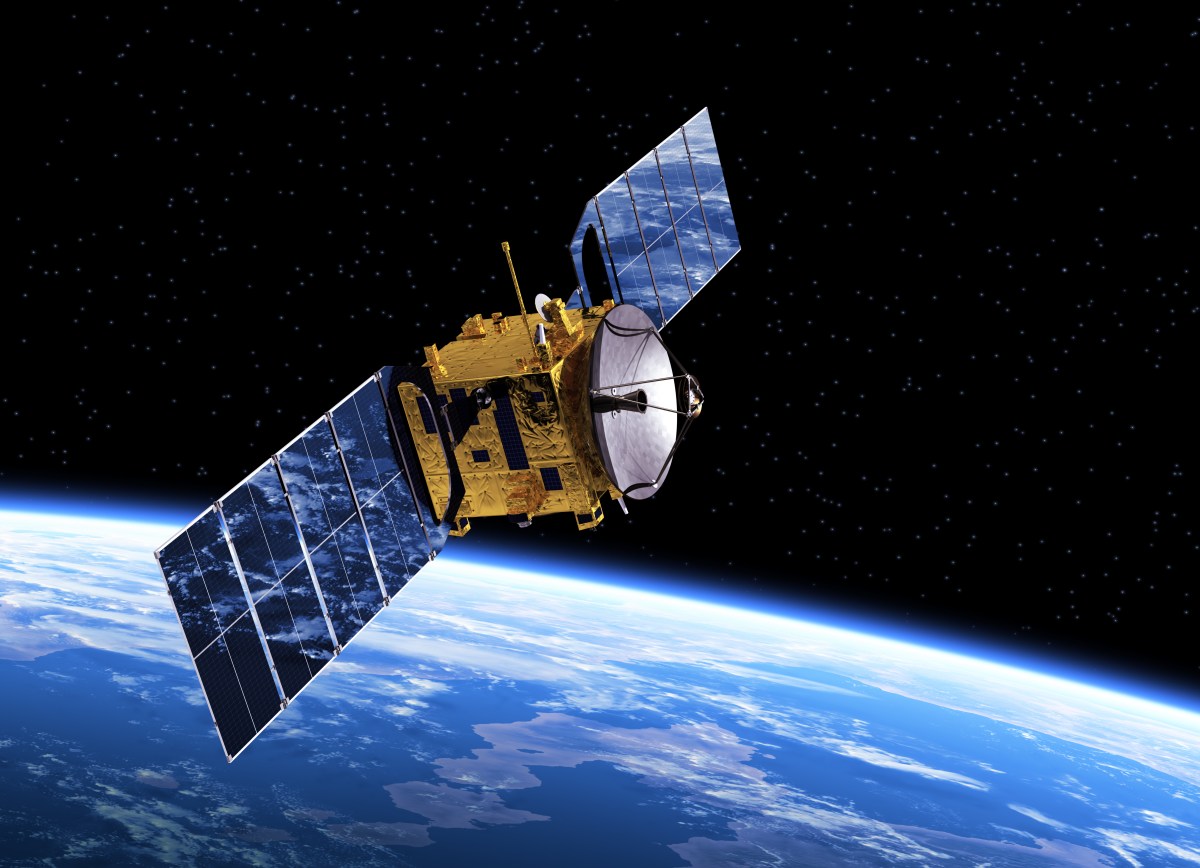
ESO study warns massive satellite constellations threaten space observation
New research from the European Southern Observatory indicates that massive satellite constellations could damage astronomical research by creating light trails and elevating background sky brightness. Scientists are calling for an orbital cap to protect the ability to observe the cosmos.
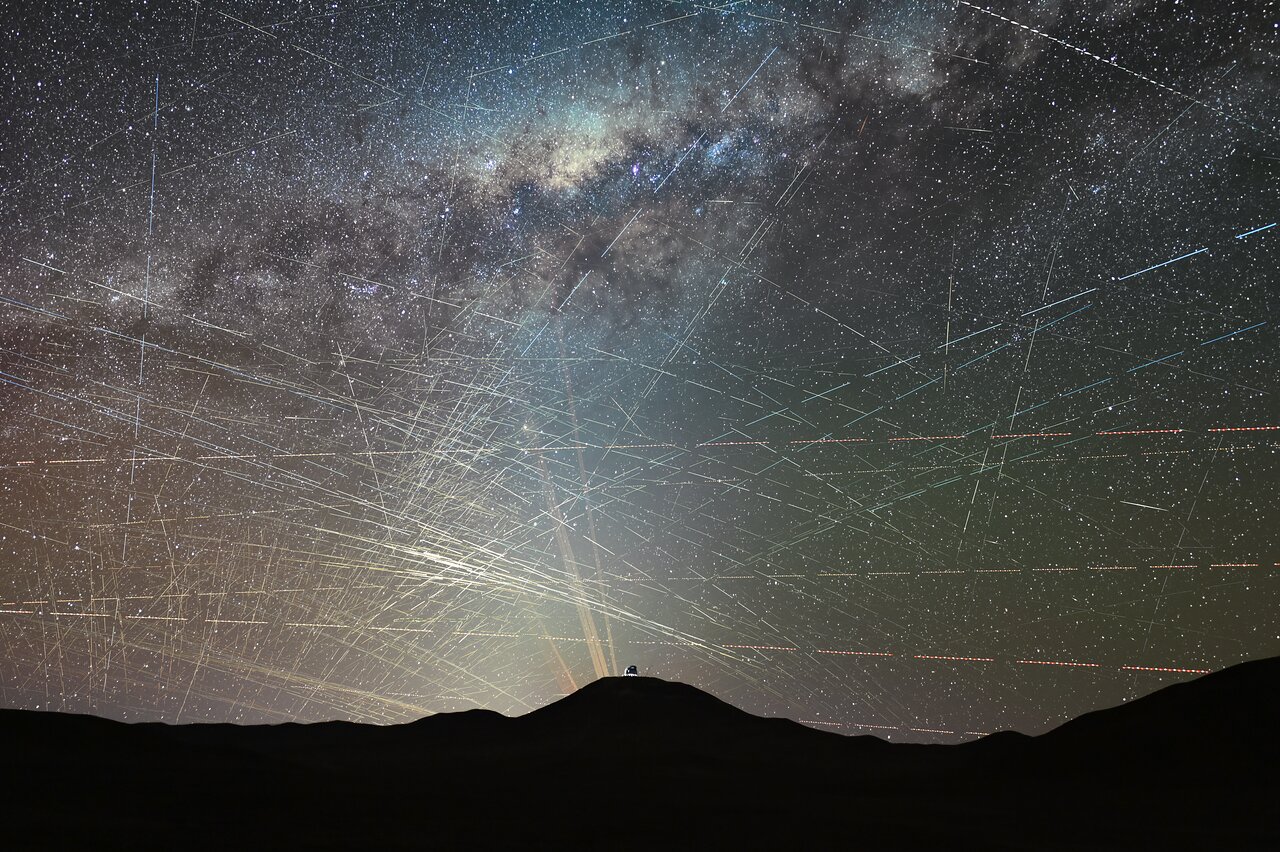
The night sky is currently undergoing a rapid transformation as the density of artificial objects in orbit threatens to permanently alter the view from Earth. A study published in the journal Astronomy & Astrophysics, warns that current industry proposals to launch more than 1.7 million satellites represent an "existential threat" to ground-based science. According to the European Southern Observatory (Eso), which spearheaded the research, these constellations would create irreparable damage to astronomical research by increasing background sky brightness and creating persistent light trails that render professional telescope images unusable.
The Scale of the Orbital Expansion
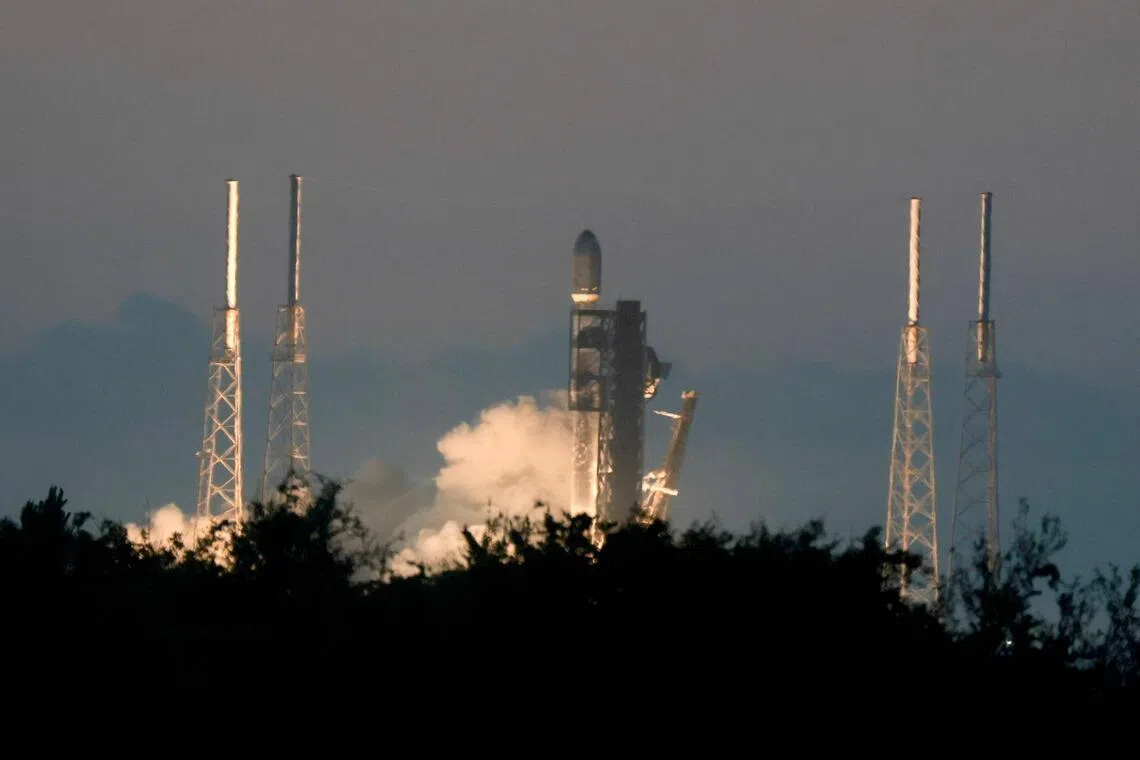
Since 2019, the number of satellites orbiting Earth has increased rapidly, to over 14,000 today, a figure that rises to 32,000 if dead satellites and debris are included. SpaceX has proposed a fleet of one million satellites designed to support orbital data centers, while other ventures such as E-Space’s Cinnamon constellation and China’s CTC-1 and CTC-2 systems contribute to the projected total of 1.7 million.
Related media
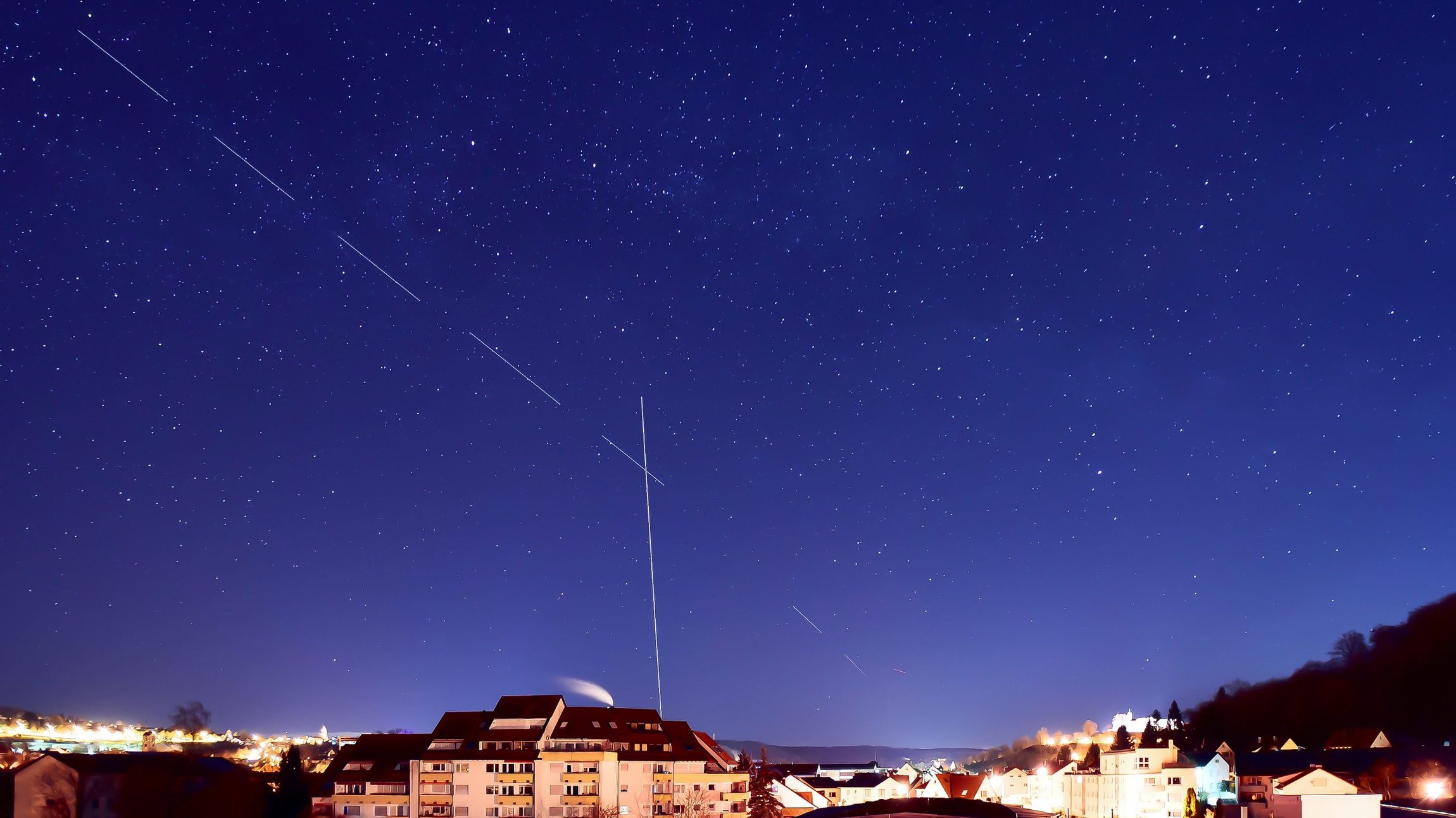
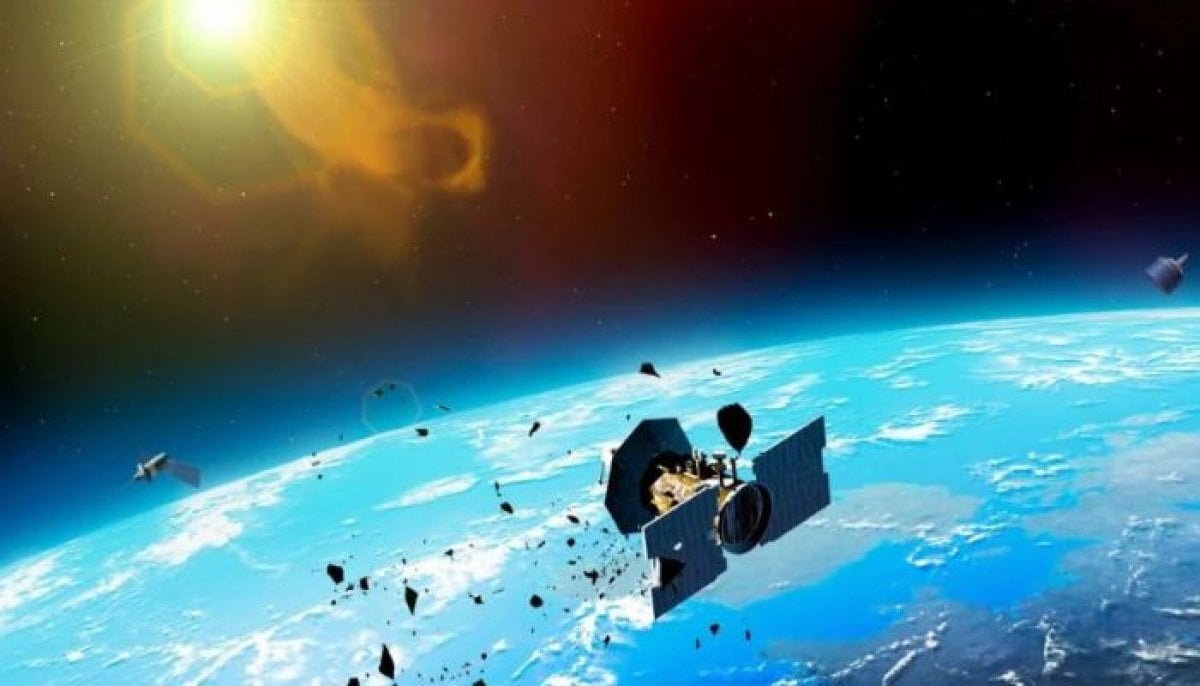
Simulations by Olivier Hainaut, an astronomer with the ESO for over 30 years, indicate that if these fleets are deployed, the Very Large Telescope (VLT) at Paranal Observatory could lose up to 28% of its field of view in images taken two hours after sunset. The situation is even more critical for the Vera C. Rubin Observatory in Chile, where highly sensitive electronics could produce "ghost trails," potentially invalidating entire exposures.
The Threat of Artificial Light
Beyond the physical streaks left by satellites, the study identifies a novel concern: the artificial elevation of the night sky's background brightness. The most extreme proposal comes from the U.S. Startup Reflect Orbital, which aims to launch 50,000 mirror-equipped satellites designed to reflect sunlight back toward the Earth’s surface.
Hainaut’s simulations reveal that these mirrors could be among the brightest objects in orbit. A single mirror, even when not directed at an observer, would appear as bright as Venus. If the full 50,000-satellite constellation is realized, the overall brightness of the night sky could increase by three to four times, making large swaths of the sky resemble suburban light pollution rather than a natural, dark environment.
A Threshold for Survival
To preserve humanity's ability to observe the cosmos—including the study of distant galaxies, exoplanets, and near-Earth asteroids—the researchers propose a hard cap on orbital traffic. The study suggests that no more than 100,000 satellites should orbit Earth at any given time, and crucially, they must remain faint enough to stay below the threshold of naked-eye visibility, defined as visual magnitude 7.
"This is not a hard number, like 99,999 is good and 100,001 is bad: clearly I’d prefer 50,000," Hainaut noted. He argues that 100,000 is the limit where satellite-induced data loss remains comparable to existing technical risks like equipment failure, but exceeding that volume would render current mitigation strategies obsolete.
What to Watch Next
The future of these constellations currently rests with the US Federal Communications Commission (FCC). The ESO, in coordination with the Royal Astronomical Society and the International Astronomical Union, has submitted formal objections to the regulator.
- Regulatory Decisions: The FCC has received thousands of public comments regarding the pending launch filings; their forthcoming ruling will determine whether these massive constellations move forward.
- Environmental and Health Impacts: Beyond astronomy, the study highlights growing concerns regarding the impact of launch-related air pollution and the consequences of atmospheric re-entry for burned-up satellites.
- Biological Disruption: Experts warn that the systematic increase in night sky brightness has potential cascading effects on human biological clocks, animal behavior, and fragile ecosystems.
- Space Debris: Scientists continue to monitor the risk of the "Kessler syndrome," where a cascade of collisions in low-Earth orbit creates a dangerous, self-perpetuating cloud of debris.
Betty Kioko, an institutional affairs officer at the ESO, emphasized that the current regulatory moment is critical, stating that the organization views the scale of these proposals as an "existential threat" to the field of optical astronomy.
How significant is this development?
Contribute your assessment to the aggregated reader intelligence ledger.
Archypedia is dedicated to independent, evidence-backed reporting. This briefing was synthesized from primary source reporting, corroborated across independent newsrooms, and verified against our Editorial Standards.
Transparency record
Evidence behind this report
This report synthesizes 11 distinct sources. Open the source ledger below to compare the underlying coverage.
- eso.org
- straitstimes.com
- earth.com
- thenews.com.pk
- gizmodo.com
- bnc.bilyonaryo.com
- yahoo.com
- courthousenews.com
- forbes.com
- miragenews.com
- brera.inaf.it
Prepared under the Archypedia Editorial Policy by the Niko Vale editorial desk profile. AI-assisted tools may support drafting and verification; public accountability remains with Archypedia. Report an error.