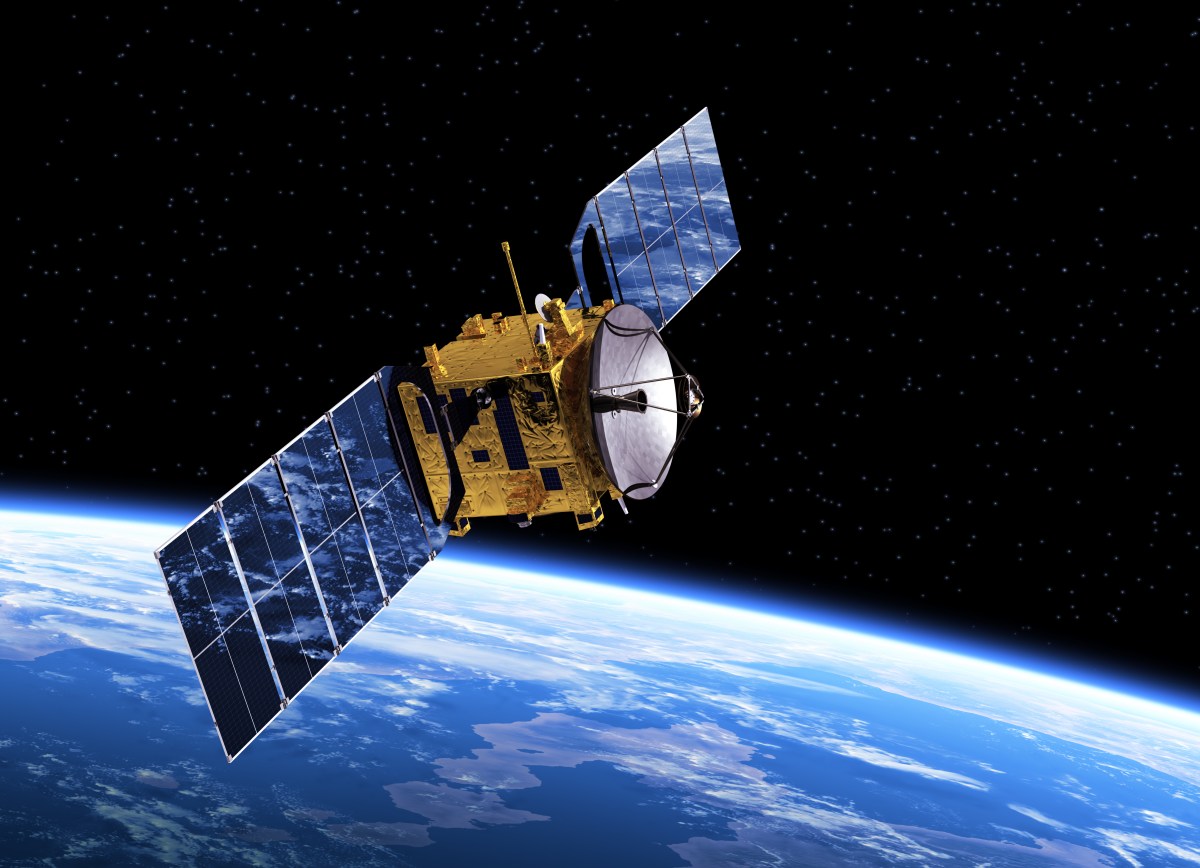
1.7 million planned satellites pose existential threat to astronomy
A new European Southern Observatory study warns that proposed satellite constellations could render ground-based astronomy impossible through massive light pollution and data interference.

Plans to deploy a global swarm of 1.7 million satellites represent an existential threat
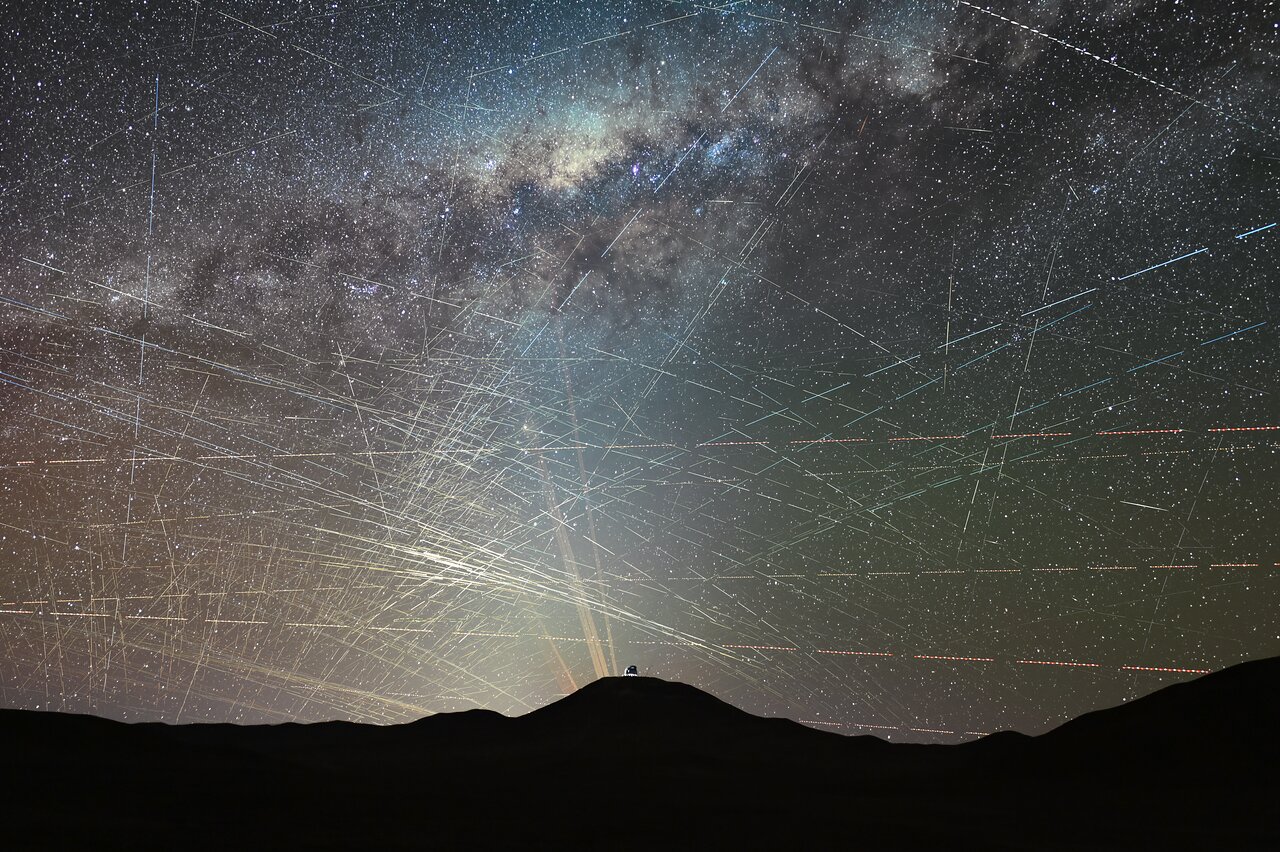
to the field of astronomy, according to research published in the journal Astronomy & Astrophysics. The study, conducted by the European Southern Observatory (Eso), warns that the cumulative effect of these massive, proposed constellations will fundamentally alter the night sky, rendering many ground-based telescope observations impossible.
The current orbital environment is under significant pressure. While there are approximately 14,000 active satellites, the inclusion of defunct hardware and debris brings the total number of objects in Earth's orbit to over 32,000. The company has filed plans with the U.S. Federal Communications Commission (FCC) to launch an additional one million satellites to function as orbital data centers designed to power artificial intelligence.
Related media

The scientific community views the scale of this expansion as unsustainable. Other initiatives, such as the Cinnamon
constellation by the startup E-Space and the Chinese CTC-1 and CTC-2 programs, contribute to the projected total of 1.7 million new objects. Adding to the complexity are plans by the U.S. Startup Reflect Orbital to launch 50,000 mirror-equipped satellites by 2035. These mirrors are designed to beam sunlight down to Earth during night hours. According to the ESO, these satellites would be the brightest ever placed in orbit, with each appearing as luminous as the planet Venus, even when the mirrors are not directly pointed at an observer. Seen from within a reflected beam, the satellite would appear four times brighter than the full moon.
The Impact on Observation
The influx of satellites creates two distinct challenges for science: physical interference and background light pollution.
- Data Loss: Satellite trails cross astronomical images, effectively
zapping
data behind them. Simulations indicate that even under current conditions, modern instruments like the Vera C. Rubin Observatory could lose the majority of their images for several hours each night. Field-of-view losses at the Very Large Telescope (VLT) at Paranal Observatory in Chile are projected to reach 28% for images taken two hours into the night. - Sky Brightness: Beyond discrete streaks, the aggregate effect of millions of satellites creates a diffuse veil of light. The ESO study warns that the Reflect Orbital fleet alone could increase the brightness of the entire night sky by three to four times.
Olivier Hainaut, an astronomer at the ESO who led the study, stresses that the industry has crossed a threshold.
He argues that to preserve humanity's ability to explore the universe, the total count of satellites must be strictly capped at 100,000, and each unit must be engineered to remain invisible to the naked eye, a standard equivalent to a visual magnitude of 7."Until now we have managed, but it's getting worse,"
Olivier Hainaut, astronomer, via ESO
Regulatory Outlook and Broader Concerns
Both SpaceX and Reflect Orbital have filed applications for their constellations with the U.S. FCC. Public reaction has been significant; the FCC received over 1,800 comments regarding Reflect Orbital and nearly 1,500 regarding the SpaceX filing.
"The ball is now in the FCC's court, and we wait to see the determinations they make on both filings. For optical astronomy, this is an existential threat, and we hope that the regulators will share that view,"
Betty Kioko, institutional affairs officer, via ESO
The concerns extend beyond astronomy. Researchers point to the Kessler syndrome
—the risk of a chain reaction of collisions.
| Proposed Constellation | Primary Purpose | Key Concern |
|---|---|---|
| SpaceX (1M satellites) | Orbital AI Data Centers | Sky brightness and collision risk |
| Reflect Orbital (50,000) | Nighttime solar illumination | Severe, localized light pollution |
| E-Space / China (CTC) | Communications/Data | Increased orbital congestion |
As the FCC weighs these applications, astronomers emphasize that the shift is global. Reflect Orbital intends to launch a prototype satellite within the year, a move that observers will watch closely as the regulatory process unfolds.
How significant is this development?
Contribute your assessment to the aggregated reader intelligence ledger.
Archypedia is dedicated to independent, evidence-backed reporting. This briefing was synthesized from primary source reporting, corroborated across independent newsrooms, and verified against our Editorial Standards.
Transparency record
Evidence behind this report
This report synthesizes 9 distinct sources. Open the source ledger below to compare the underlying coverage.
- eurekalert.org
- insiderpaper.com
- athens-times.com
- eso.org
- miragenews.com
- cbc.ca
- scientificamerican.com
- genevasolutions.news
- livescience.com
Prepared under the Archypedia Editorial Policy by the Niko Vale editorial desk profile. AI-assisted tools may support drafting and verification; public accountability remains with Archypedia. Report an error.