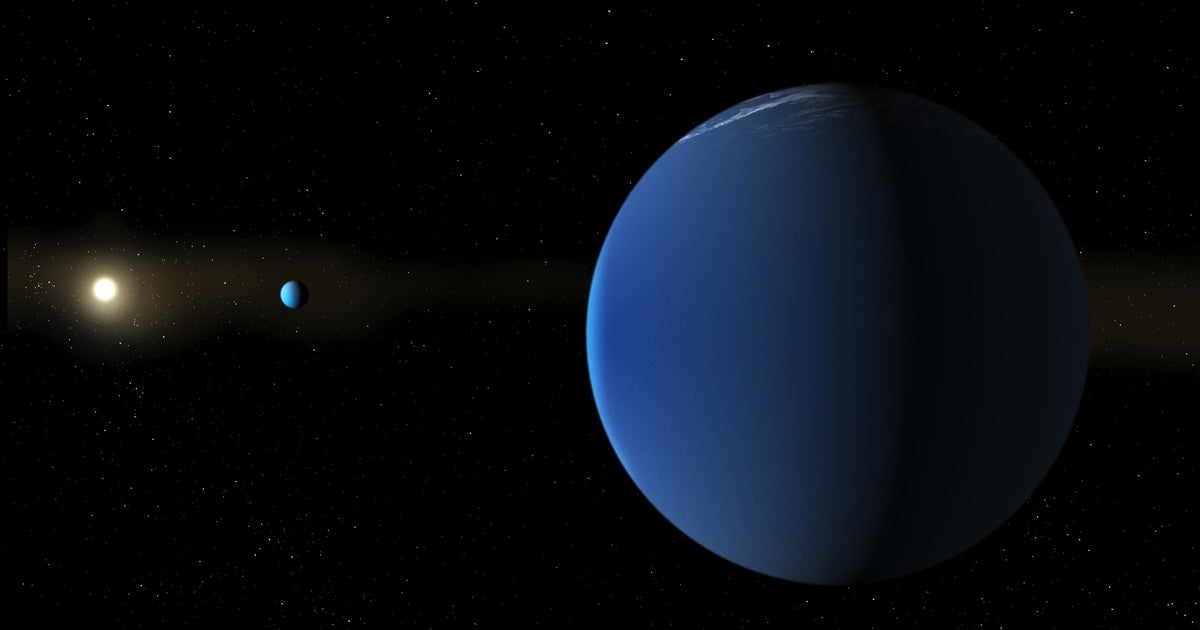
Astronomers discover two Jupiter-sized super-puff planets
Researchers have identified a pair of low-density exoplanets, TOI-791 b and c, that challenge existing theories on how planetary systems form and evolve.

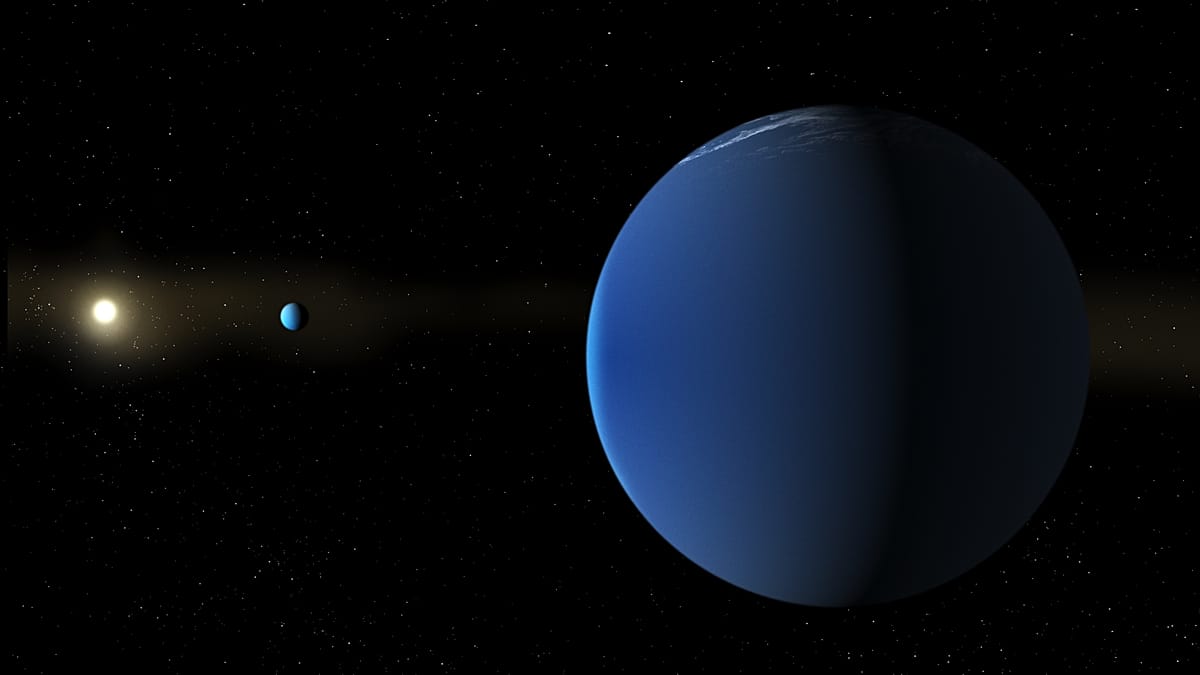
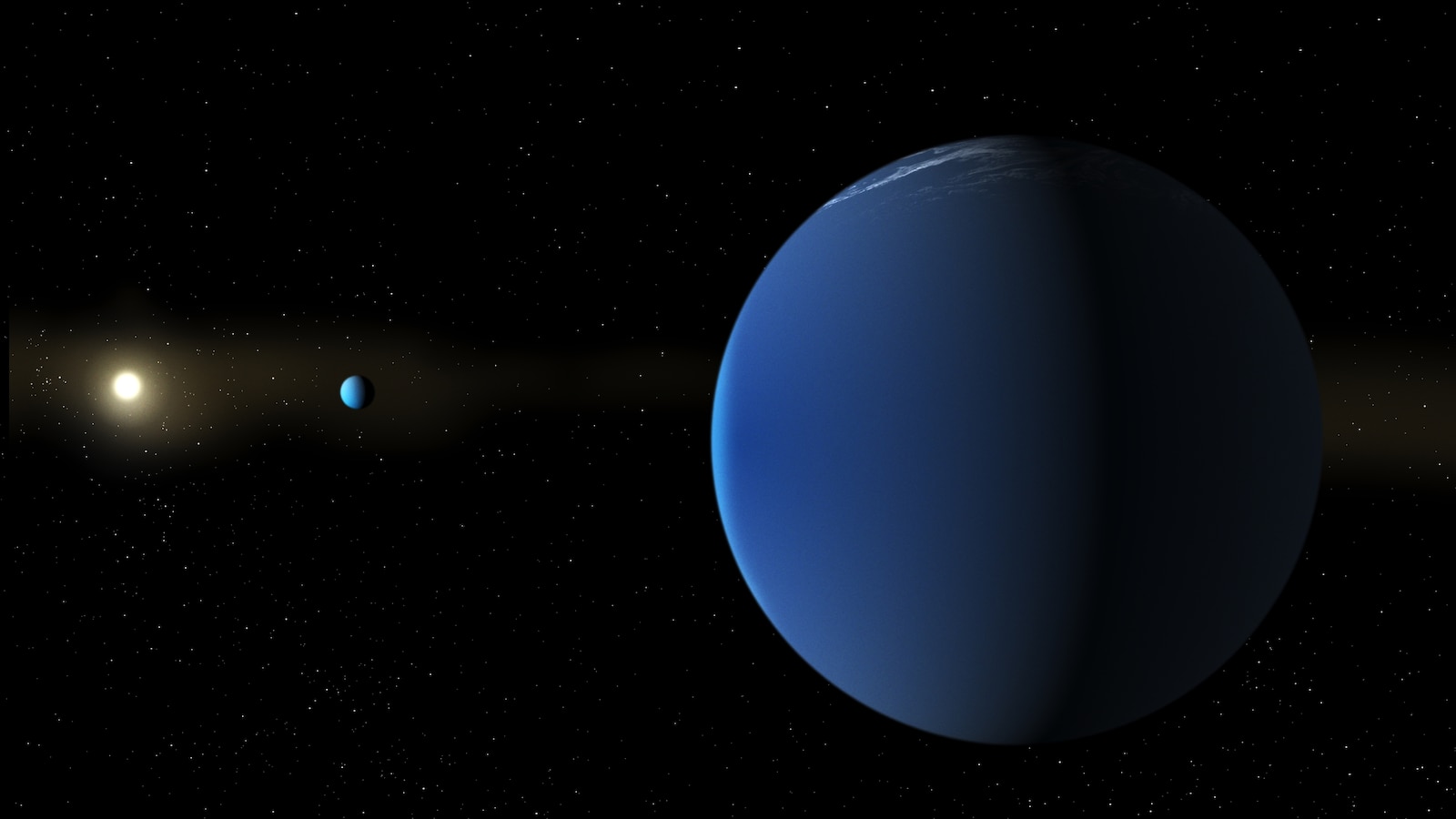
Astronomers have confirmed the discovery of a pair of rare, low-density exoplanets that challenge existing models of planetary formation. Orbiting a Sun-like star approximately 1,110 light-years from Earth in the constellation Volans, these two giant, Jupiter-sized worlds exhibit densities so low they have been described as lighter than cotton candy. The findings, published in Monthly Notices of the Royal Astronomical Society, provide a new laboratory for scientists attempting to understand the nature of "super-puff" planets.
The planets, designated TOI-791 b and TOI-791 c, were first flagged as candidates by volunteers participating in the Planet Hunters TESS citizen-Science project, with initial observations occurring in 2019 and 2023. Subsequent analysis confirmed that TOI-791 b has a density of 0.038 grams per cubic centimeter, while TOI-791 c measures 0.047 grams per cubic centimeter. By comparison, cotton candy has an average density of approximately 0.05 grams per cubic centimeter, and Jupiter—despite its gaseous nature—maintains an average density of 1.33 grams per cubic centimeter, making it between 28 and 35 times denser than these newly identified worlds.
Related media

George Dransfield, the lead author of the study from the University of Oxford, provided a practical comparison for the extreme consistency of these worlds.
"These two planets have densities comparable to a nice blob of shaving foam, fresh from the can."
George Dransfield, researcher at the University of Oxford, via Monthly Notices of the Royal Astronomical Society
Observational Challenges
Confirming the nature of these planets required a sophisticated, multi-year international effort. Researchers utilized the ASTEP (Antarctic Search for Transiting ExoPlanets) telescope at Concordia Station in Antarctica to overcome the difficulties associated with observing planets with particularly long orbital periods. Because the planets take 139 days and 232 days respectively to circle their host star, traditional observation methods are often interrupted by daylight or the constraints of ground-based telescopes.
The extreme conditions of the Antarctic winter provided a unique window for discovery.
"Months of continuous darkness enabled astronomers to capture the planets’ exceptionally long transits, each lasting more than 11 hours, in a single uninterrupted observation."
Research team, via Monthly Notices of the Royal Astronomical Society
A Rare Gravitational Link
The two planets are considered planetary "siblings," likely forming from the same protoplanetary disc of gas and dust surrounding their host star. They are currently locked in a 5:3 mean-motion resonance. This dynamic relationship means that for every five orbits completed by the inner planet, the outer planet completes nearly three. This orbital arrangement causes the planets to exert a gravitational tug on one another, which results in measurable timing shifts as they transit across the face of their star.
With fewer than 40 super-puffs confirmed among the nearly 6,300 known exoplanets, this system offers a significant opportunity to observe planetary evolution.
Future Research Directions
The current leading theory regarding the formation of these planets suggests they possess vast, hydrogen- and helium-rich atmospheres that account for a significant portion of their total mass. Researchers hypothesize that these gaseous envelopes may have accumulated while the planets were located in colder, more distant regions of the protoplanetary disc, where gas could be captured rapidly around a solid core.
To test these theories, the research team is looking to the James Webb Space Telescope.
"We propose to carry out space-based observations using the James Webb Space Telescope to assess if the puffy atmosphere contains carbon-, nitrogen-, and oxygen-bearing species, revealing new insight into how these unusual planets formed."
Amaury Triaud, University of Birmingham, via Monthly Notices of the Royal Astronomical Society
While the "cotton candy" label is a useful analogy for density, Dransfield noted that it likely obscures the actual visual appearance of the planets. Depending on cloud cover, the worlds are more probable to appear in shades of white or blue rather than pink.
Key Data Comparison
| Object | Average Density (g/cm³) |
|---|---|
| Earth | 5.5 |
| Jupiter | 1.33 |
| Cotton Candy | ~0.05 |
| TOI-791 c | 0.047 |
| TOI-791 b | 0.038 |
How significant is this development?
Contribute your assessment to the aggregated reader intelligence ledger.
Archypedia is dedicated to independent, evidence-backed reporting. This briefing was synthesized from primary source reporting, corroborated across independent newsrooms, and verified against our Editorial Standards.
Transparency record
Evidence behind this report
This report synthesizes 10 distinct sources. Open the source ledger below to compare the underlying coverage.
- apnews.com
- yahoo.com
- euronews.com
- sciencedaily.com
- abcnews.com
- science.nasa.gov
- cbsnews.com
- independent.co.uk
- eurekalert.org
- discovermagazine.com
Prepared under the Archypedia Editorial Policy by the Niko Vale editorial desk profile. AI-assisted tools may support drafting and verification; public accountability remains with Archypedia. Report an error.