Webb Telescope captures star formation in FS Tau region
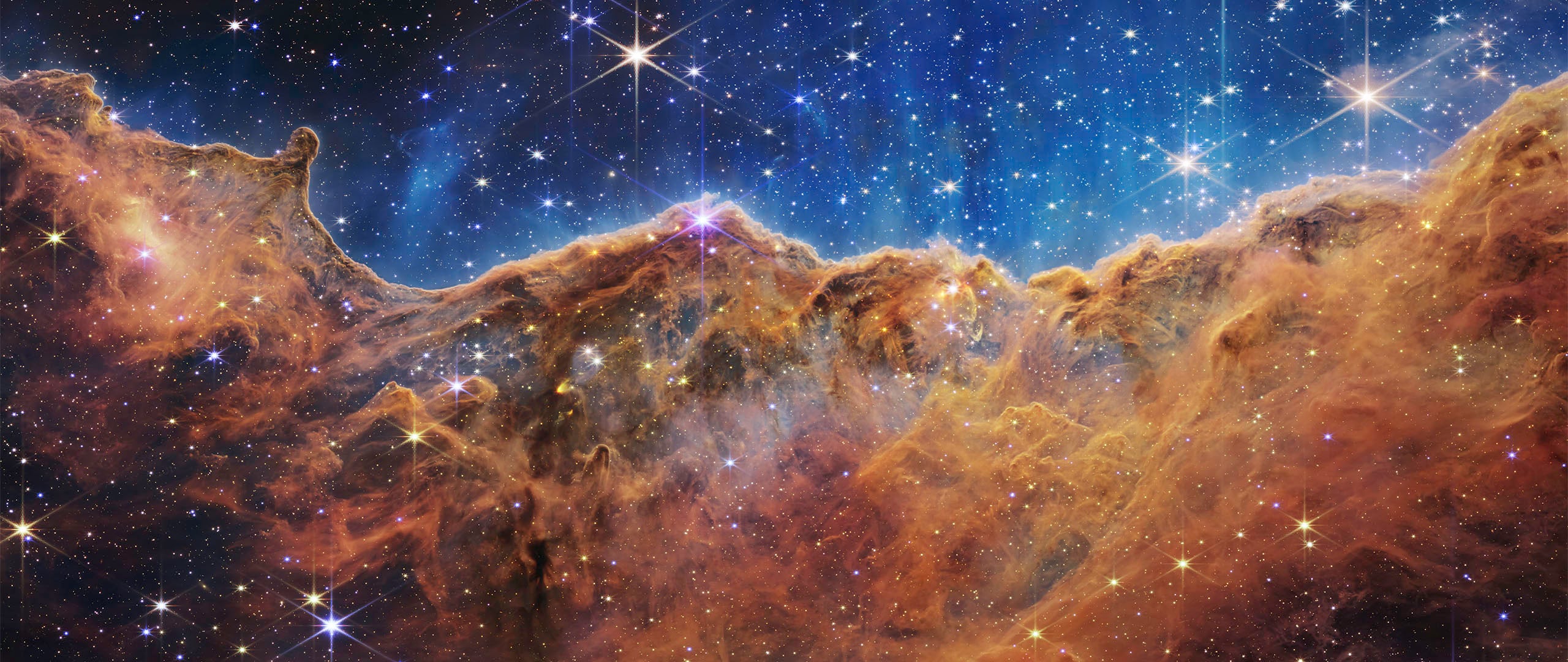
New infrared imagery from the James Webb Space Telescope offers a look at the birth of stars within the dust-shrouded FS Tau region. These findings provide evidence that protostars accumulate mass through discrete, energetic episodes rather than steady growth.
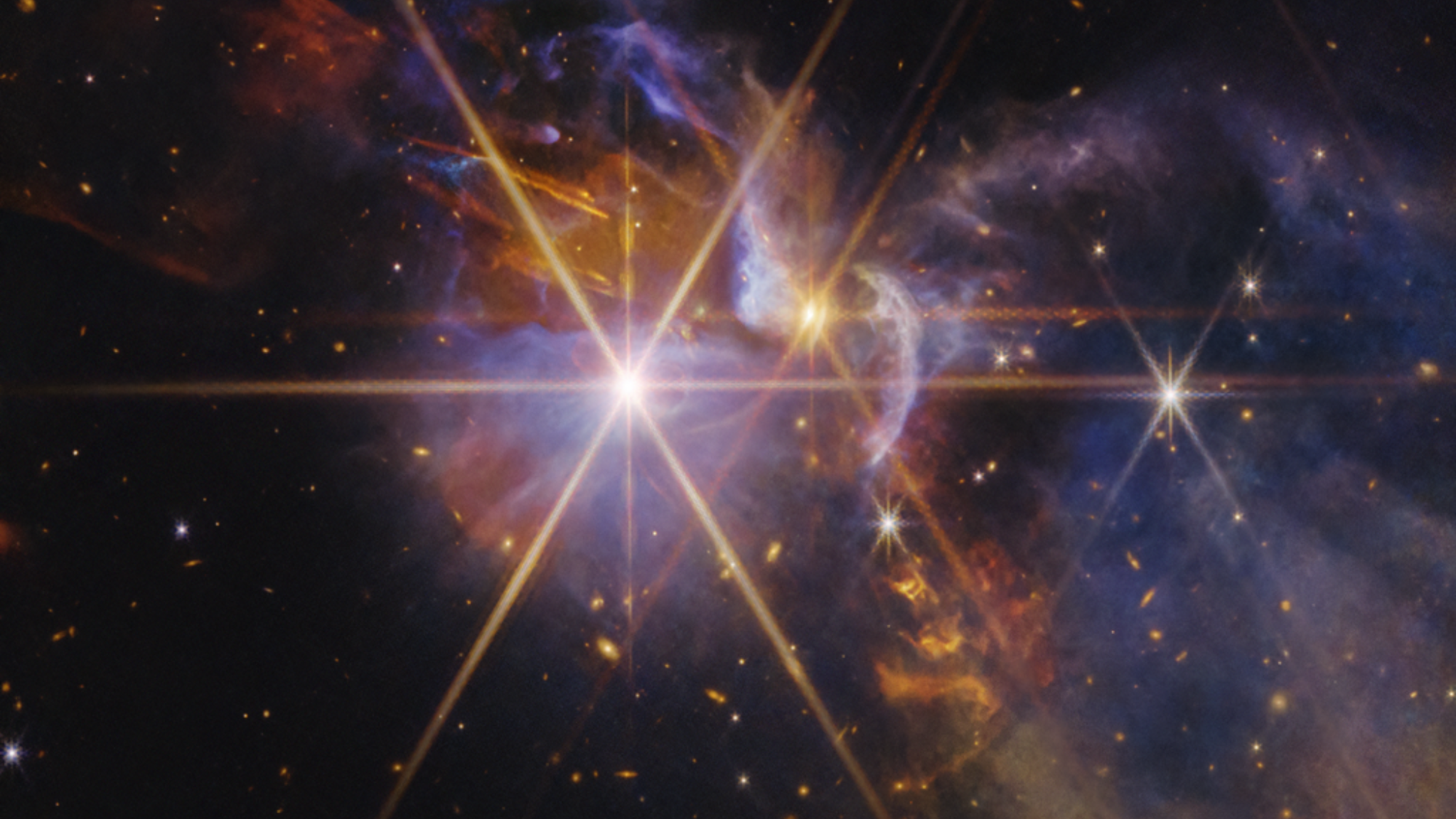
As the United States commemorates its 250th anniversary on Friday, 3 July 2026, NASA’s James Webb Space Telescope has provided a celestial contribution to the festivities. The observatory has captured high-resolution, infrared imagery of young star systems, revealing the energetic and chaotic processes involved in stellar birth.
Observing the FS Tau Region
Primary focus has been directed toward the FS Tau star-forming region, situated approximately 450 light-years from Earth. Long a target for astronomical research, this area has historically been difficult to observe due to the thick, opaque shrouds of gas and dust that envelope developing stars. By utilizing the infrared capabilities of the James Webb Space Telescope, researchers can now penetrate these dense blankets to study the evolution of low-mass stars as they transition from prenatal molecular clouds into main-sequence stars.
Related media

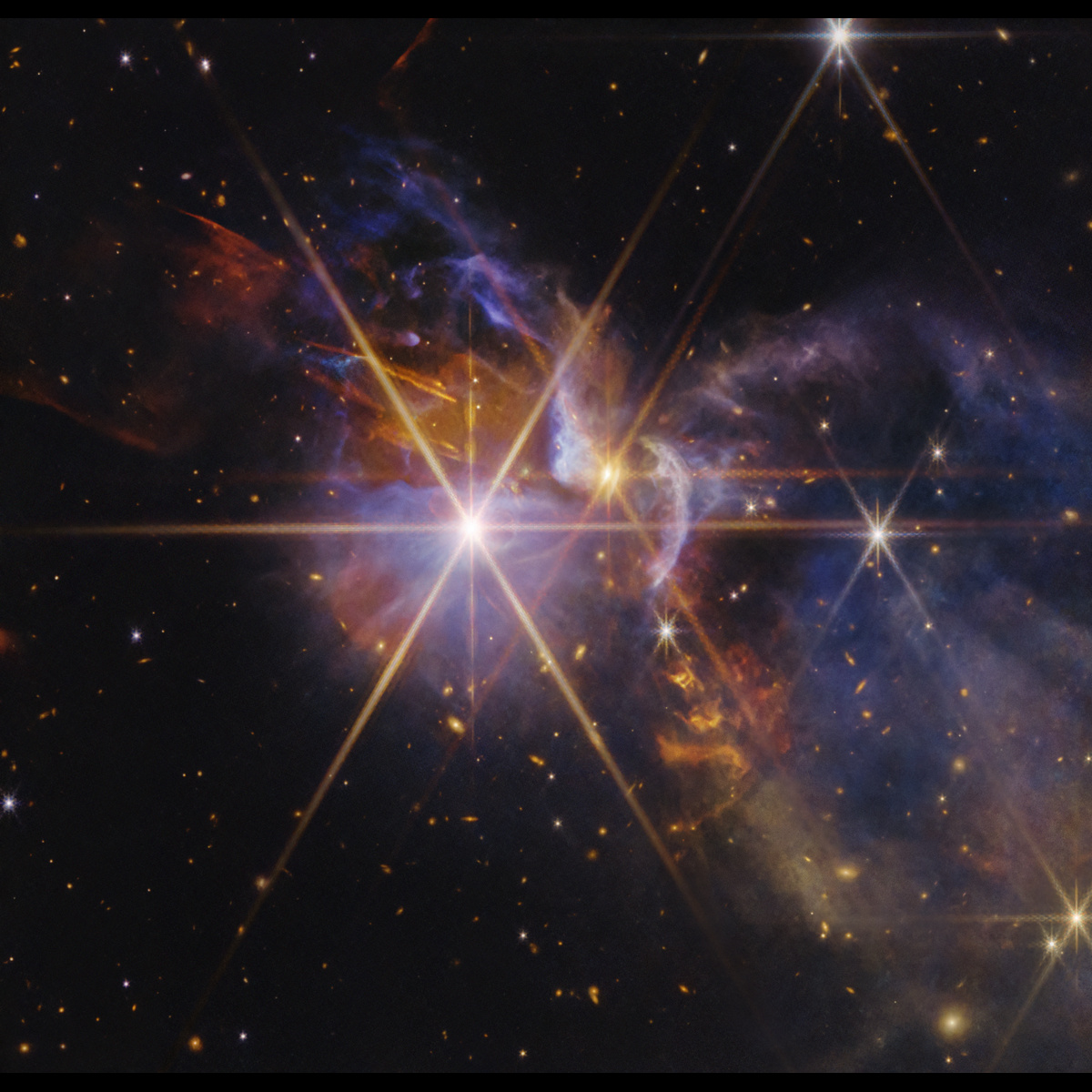
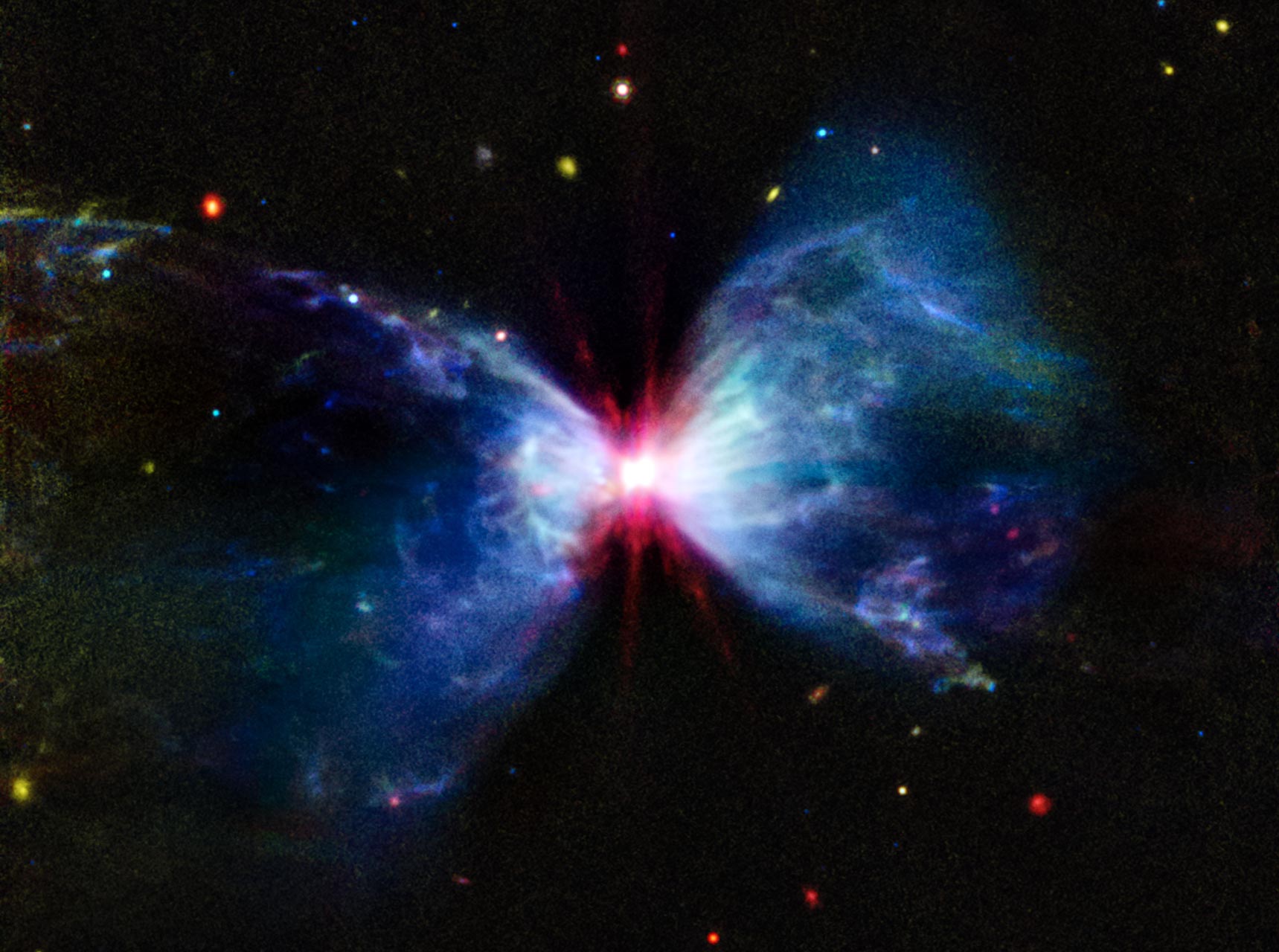
The images illustrate the violent interactions between infant stars, or protostars, and their immediate surroundings. As these stars gather material—a process known as accretion—they occasionally expel matter in powerful jets and winds. These energetic outflows create shockwaves upon colliding with neighboring molecular clouds, forcing the gas to glow. In the recent data, these interactions manifest as prominent blue ridges, serving as a signature of material being shunted and energized by the young stellar objects.
Theoretical Implications of Accretion
The imagery of FS Tau features visible gaps between these outflows. According to researchers, this supports the theory that protostars do not consume material at a constant, steady rate. Instead, these objects appear to accumulate mass in discrete episodes, alternating with periods of dormancy.
Observations also extend to the L1527 nebula, also located within the Taurus constellation. This object is estimated to be 100,000 years old and exhibits a distinct hourglass structure. A central protostar resides at the neck of this formation, surrounded by a thin, edge-on protoplanetary disk. Mid-infrared data from the telescope’s Mid-Infrared Instrument (MIRI) reveals a white region composed of ionized neon, hydrocarbons, and dust, illustrating the forceful manner in which the protostar ejects material into its environment.
Comparative Analysis of Observational Tools
Astronomers are utilizing multiple instruments aboard the observatory to develop a comprehensive understanding of these regions. The Near-Infrared Camera (NIRCam) and MIRI offer different, complementary perspectives on the mechanics of star formation:
| Instrument | Primary Capability | Observed Feature |
|---|---|---|
| NIRCam | Near-infrared imaging | Light reflected off dust and filamentary structures |
| MIRI | Mid-infrared imaging | Interior of thick dust and gas; ionized neon and carbonaceous molecules |
Environmental Impact and Future Research
The study of these regions is ongoing, as researchers investigate the long-term impact of stellar feedback on star-forming environments. These infant stars fling out material in the form of winds and jets of ionized plasma. While the gas surrounding an infant star is typically dark, these outflows produce shockwaves that cause the gas to glow.
The research is currently focused on two primary outcomes:
- Evaluating how stellar outflows can either inhibit or catalyze the formation of neighboring stars within molecular clouds.
- Monitoring the gradual dissipation of parent molecular clouds as protostars age and clear their immediate surroundings.
As these protostars continue to consume and eventually disperse their surrounding gas, the structures visible today will fade. Once the central objects finish gathering sufficient mass to trigger the nuclear fusion of hydrogen into helium, the current fireworks-like displays will end. This will eventually reveal the mature, fusion-powered stars hidden within. Ongoing analysis of these regions continues as astronomers seek to understand the full life cycle of stars and their influence on the galactic neighborhood.
How significant is this development?
Contribute your assessment to the aggregated reader intelligence ledger.
Archypedia is dedicated to independent, evidence-backed reporting. This briefing was synthesized from primary source reporting, corroborated across independent newsrooms, and verified against our Editorial Standards.
Transparency record
Evidence behind this report
This report synthesizes 8 distinct sources. Open the source ledger below to compare the underlying coverage.
- newsbreak.com
- space.com
- rocketnews.com
- india.timesofnews.com
- stsci.edu
- scitechdaily.com
- yahoo.com
- mashable.com
Prepared under the Archypedia Editorial Policy by the Niko Vale editorial desk profile. AI-assisted tools may support drafting and verification; public accountability remains with Archypedia. Report an error.