The 25 Best James Webb Space Telescope Photos - PetaPixel
Marking four years of operations, the James Webb Space Telescope has used its infrared capabilities to transform our understanding of the universe.
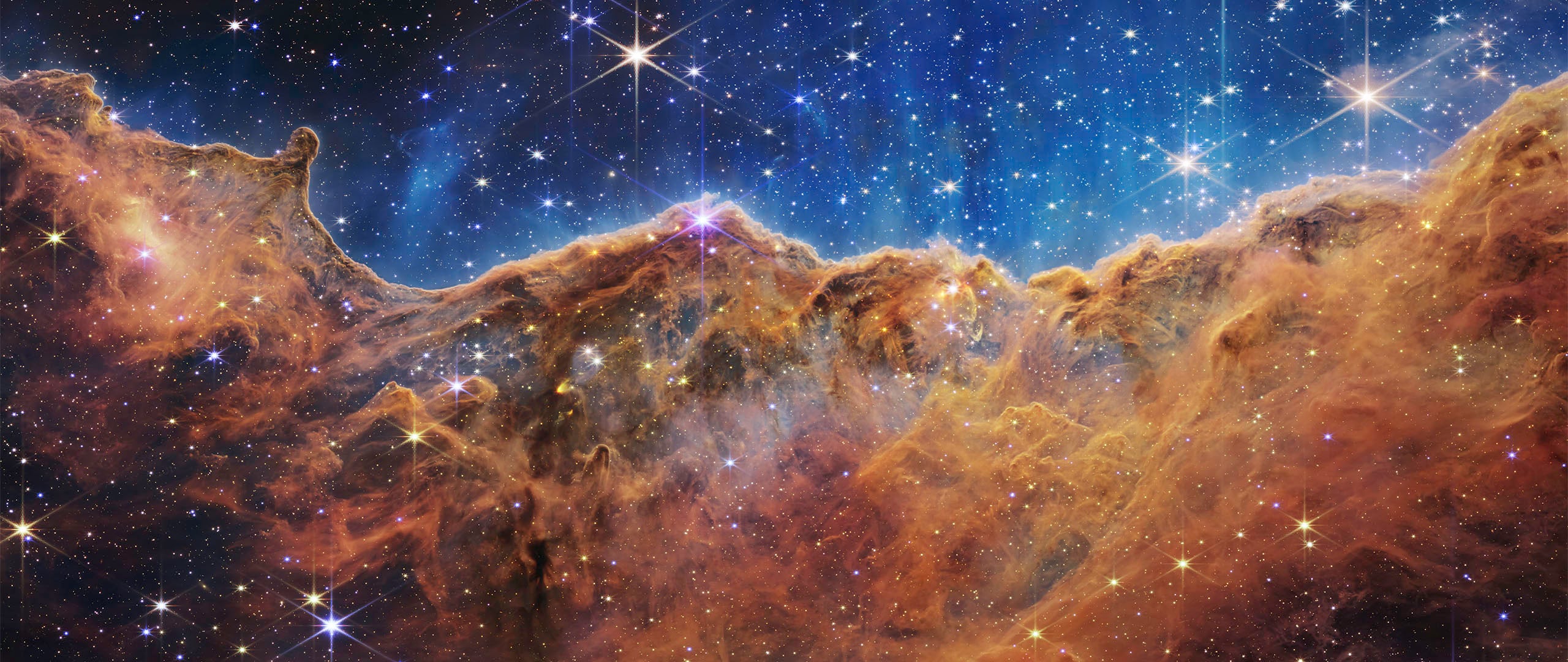
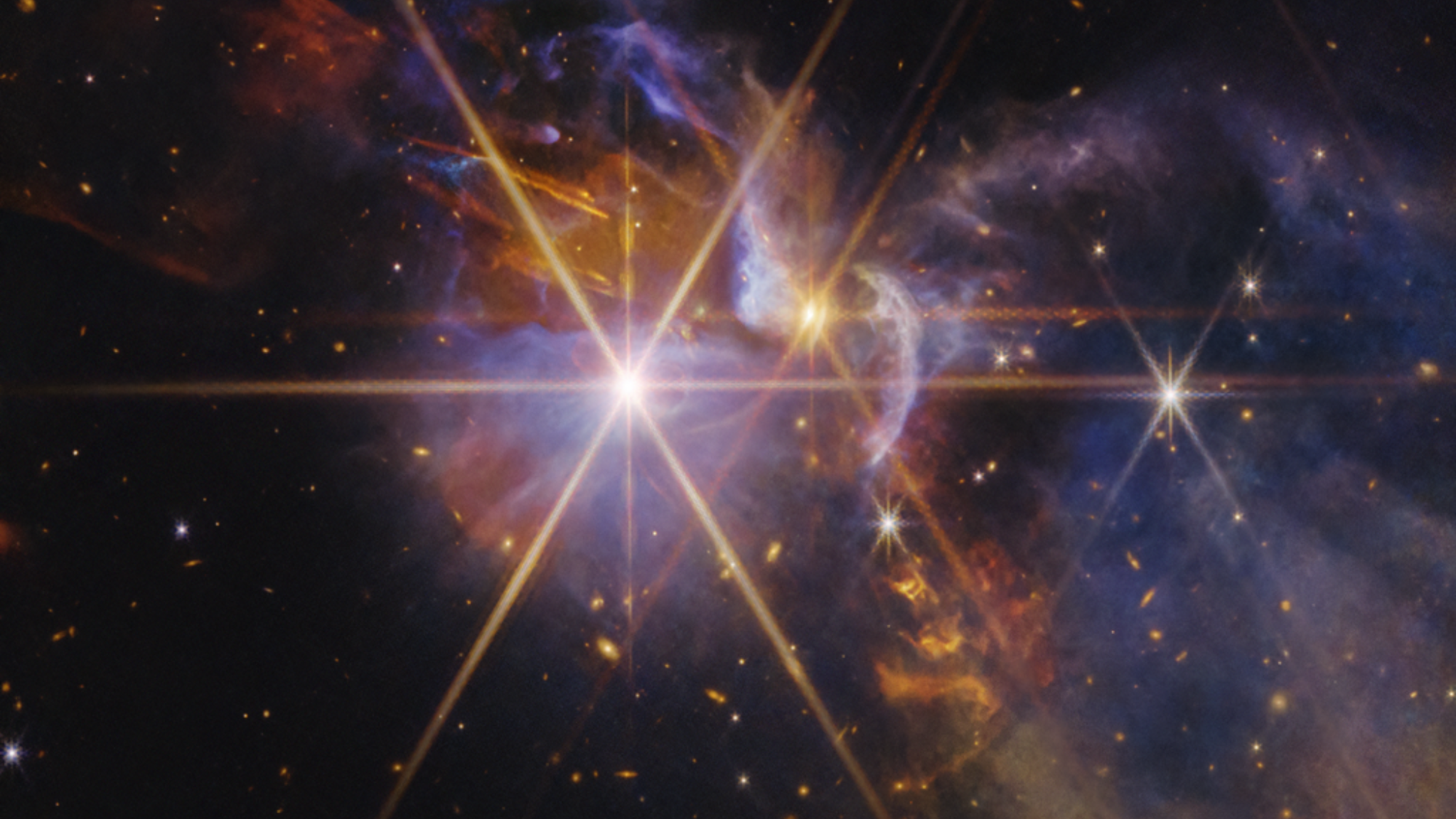
The James Webb Space Telescope (JWST) marked four years of science operations on 13 July 2026. Since releasing its inaugural images in July 2022, the $10 billion joint mission between NASA, the European Space Agency (ESA), and the Canadian Space Agency (CSA) has fundamentally shifted the study of deep space, planetary science, and star formation.
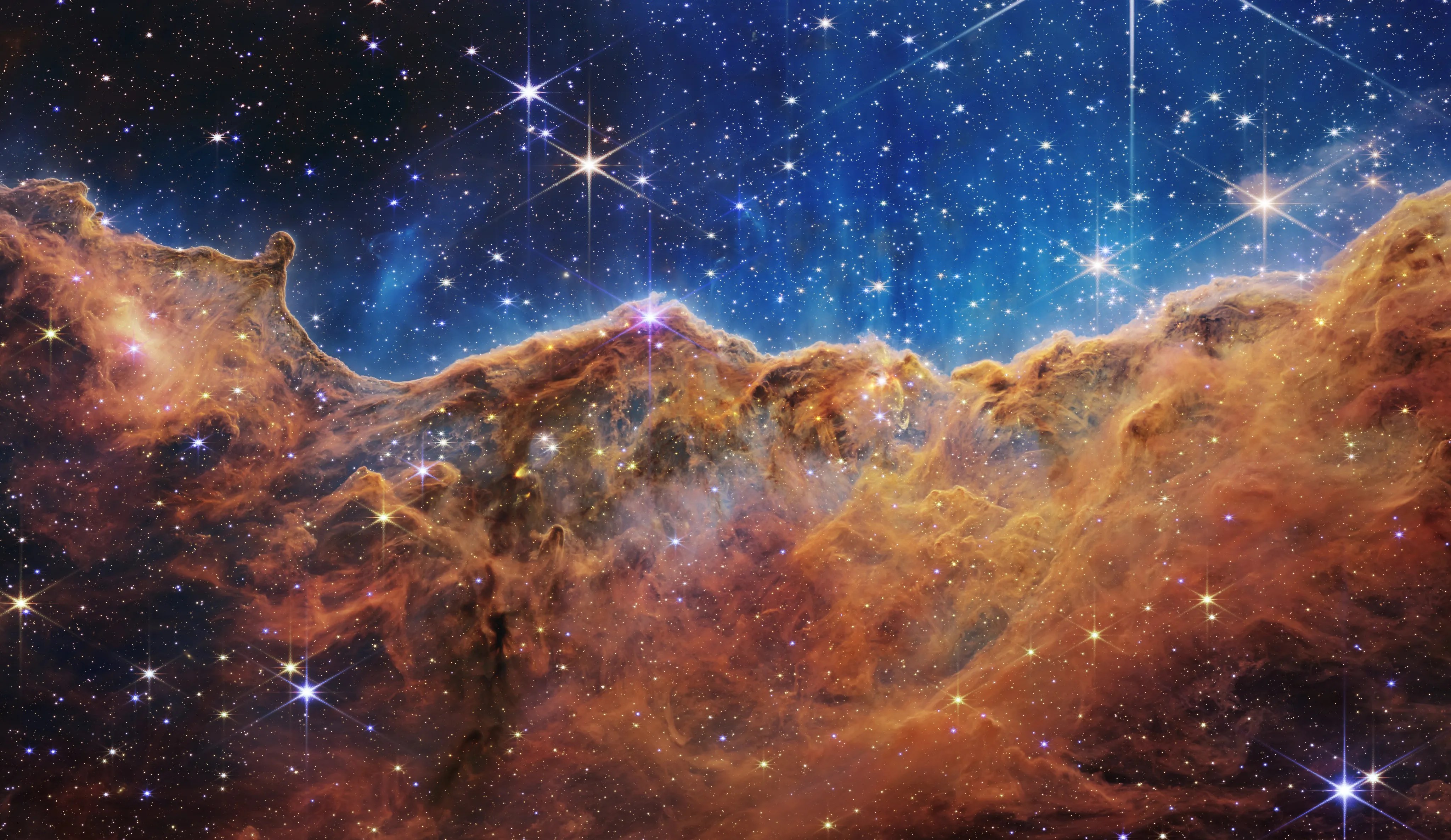
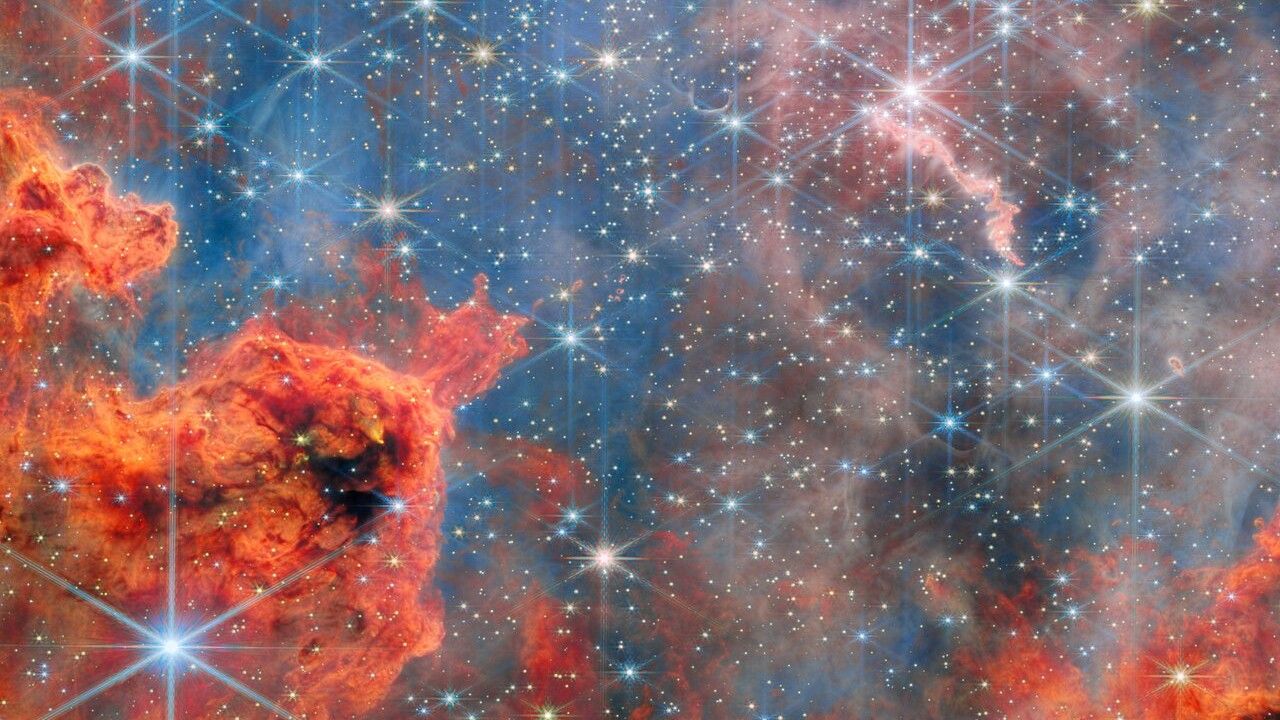
The telescope’s ability to operate in infrared wavelengths has allowed astronomers to observe phenomena that were previously hidden by interstellar gas and dust. By combining data from its primary instruments — the Near-Infrared Camera (NIRCam) and the Mid-Infrared Instrument (MIRI) — the observatory has produced a diverse catalog of images that function as both high-resolution scientific data and aesthetic landmarks.
Related media
Significant Observations and Discoveries
Among the most notable contributions are the images of iconic structures like the Pillars of Creation. While previously documented by the Hubble Space Telescope in 1995, Webb’s combined MIRI and NIRCam view provides a sharper, more detailed look into the gas and dust within the Eagle Nebula. Other key targets include:
- The Tarantula Nebula: Located 161,000 light-years away, this region is a primary laboratory for investigating the formation of massive stars.
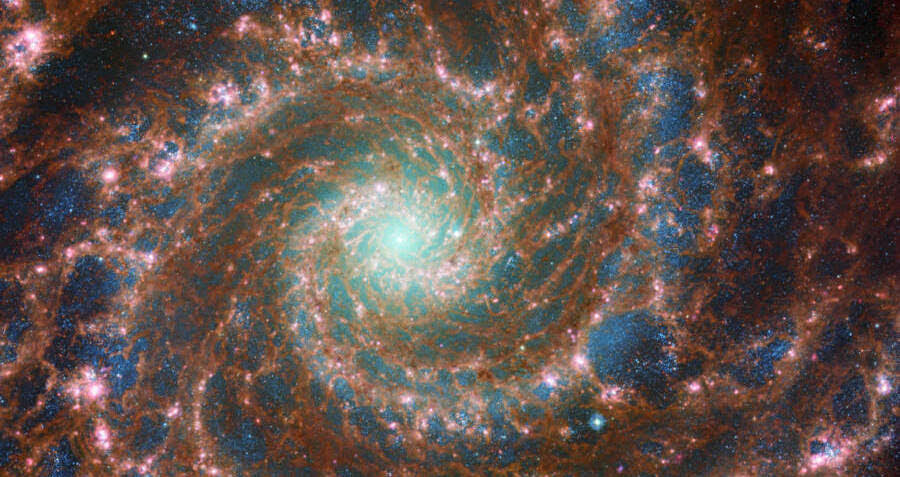
- The Phantom Galaxy (Messier 74): Captured via MIRI, this spiral galaxy showcases Webb’s ability to peer through galactic dust to reveal hidden structural details.
- The Cartwheel Galaxy: This galaxy, shaped by a high-speed collision, offers insight into the consequences of galactic encounters.
- MoM-z14: Recognized as one of the farthest galaxies ever observed, it existed just 280 million years after the Big Bang.
Planetary and Deep-Space Research
Beyond distant clusters, Webb has provided data on the Solar System’s neighbors, including Neptune, Uranus, Jupiter, and Saturn. Images of these planets have revealed new clarity regarding their rings, atmospheric methane clouds, and moons. According to PetaPixel, the telescope’s spectroscopic capabilities enable scientists to analyze the surfaces and atmospheres of these planets in ways previously unachievable.
In the realm of deep-space research, the telescope frequently utilizes gravitational lensing, a phenomenon where massive foreground objects distort and magnify the light of more distant, fainter galaxies. This technique is essential for understanding the early stages of the universe.
Ongoing Mission Scope
As the mission progresses, data continues to be refined. For instance, observations of the galaxy NGC 2090 allowed scientists to recalculate its distance from Earth, placing it at 40 million light-years away rather than the previously estimated 37 million. This work continues alongside citizen Science initiatives, such as the Galaxy Zoo project, where volunteers assist in classifying galaxy structures captured by the telescope.
According to Live Science, the observatory is expected to continue its operations for years, with researchers currently using the data to explore topics ranging from the evolution of supermassive black holes to the potential existence of organic precursors in distant star-forming regions like the Orion Nebula.
For those tracking the telescope's output, NASA Science maintains an ongoing archive of imagery, which can be filtered by specific science themes or instrument categories. Recent findings, such as the study of star formation in the FS Tau region, remain areas of intense focus for the scientific community.
Archypedia is dedicated to independent, evidence-backed reporting. This briefing was synthesized from primary source reporting, corroborated across independent newsrooms, and verified against our Editorial Standards.
Transparency record
Evidence behind this report
This report synthesizes 5 distinct sources. Open the source ledger below to compare the underlying coverage.
Prepared under the Archypedia Editorial Policy by the Niko Vale editorial desk profile. AI-assisted tools may support drafting and verification; public accountability remains with Archypedia. Report an error.