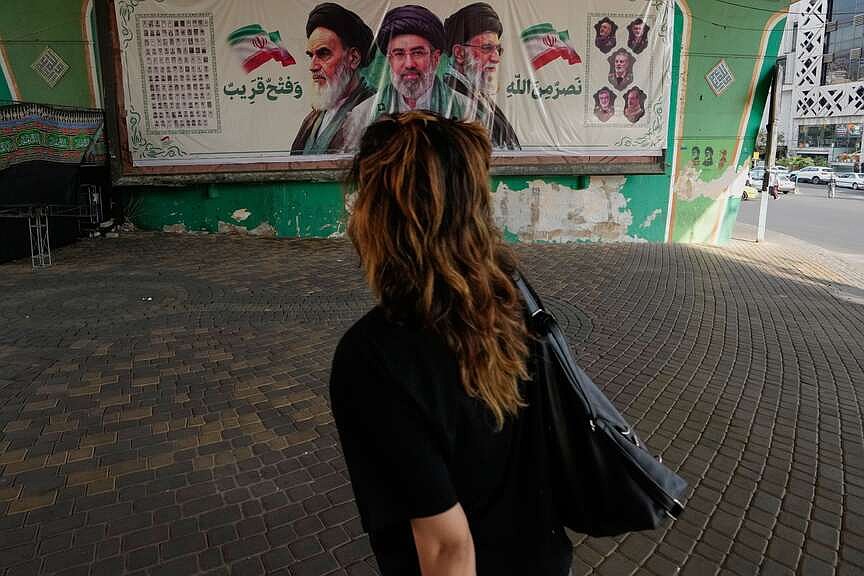
IAEA board reports Iran to UN Security Council for first time in 20 years
The referral follows a prolonged failure by Tehran to cooperate with investigations into uranium traces at undeclared sites and restricted access following June 2025 airstrikes.

VIENNA — The board of governors of the International Atomic Energy Agency (IAEA) voted on Wednesday, September 10, 2026, to report Iran to the UN Security Council for the first time in 20 years. The resolution follows Tehran's failure to cooperate with a long-running investigation into uranium traces detected by inspectors at undeclared sites.
This referral formally exposes Iran to potential asset freezes and sanctions. However, reporting from republicworld.com and scmp.com indicates that such punitive measures are unlikely, as Iran's allies, Russia and China, hold veto power on the Security Council.
Related YouTube video

The Voting Bloc and Diplomatic Divide
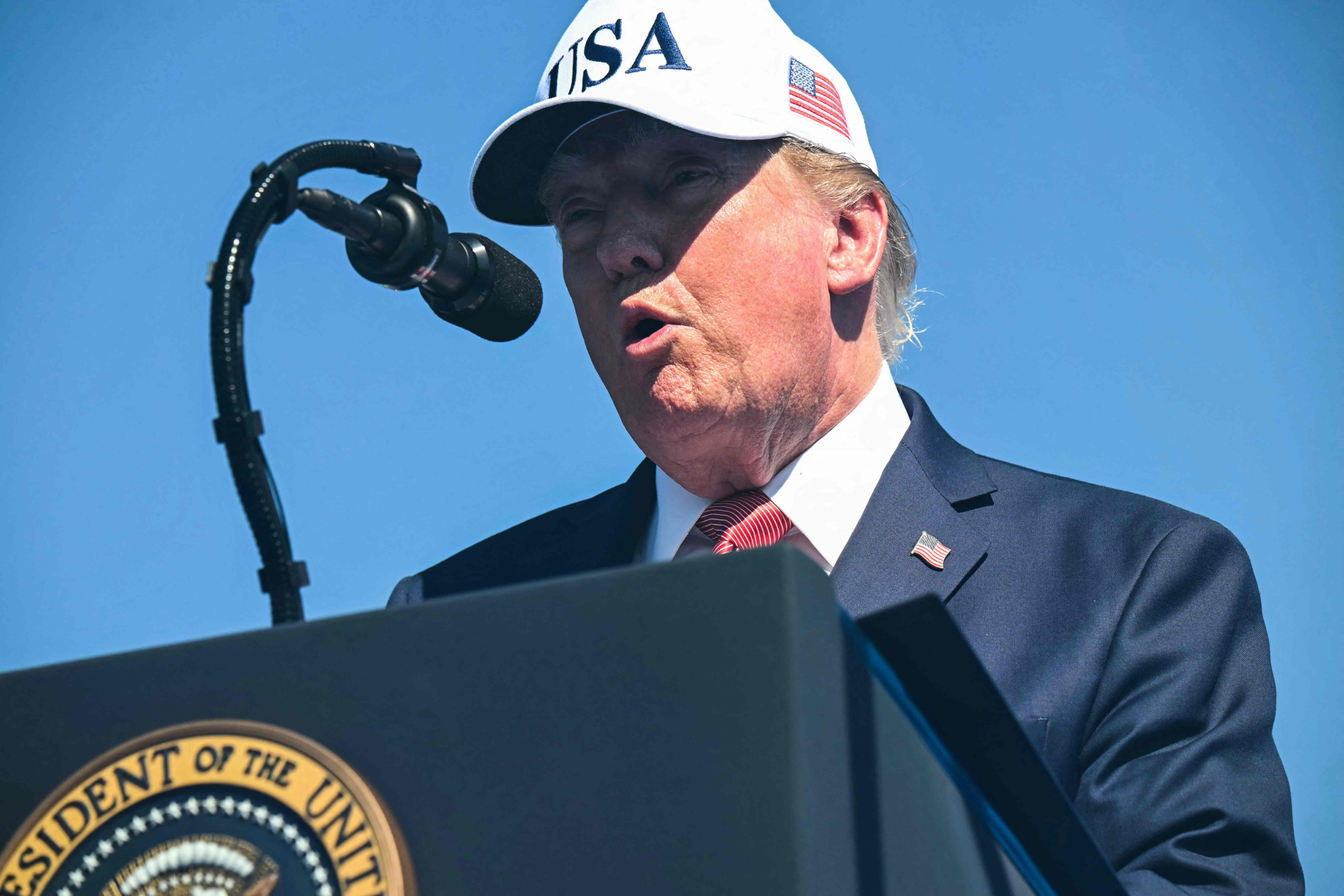
A coalition consisting of the United States, Britain, France, and Germany put forward the resolution. During a closed-door vote at the agency's headquarters in Vienna, the measure was supported by a majority of the 35-member board. According to diplomats who spoke on condition of anonymity to Ocregister and Republicworld, eight countries abstained, and one member did not vote because it was in arrears.
China, Russia, and Niger opposed the resolution.
The 'Impossibility' Argument
The diplomatic move has been under consideration since June 2025, when the IAEA board officially found Iran in noncompliance with its nonproliferation obligations due to a lack of cooperation in the investigation. During that same month, a 12-day war involving airstrikes by the U.S. And Israel hit Iranian nuclear sites. Since those bombings, Iran has not granted inspectors access to the affected sites, and the IAEA has been unable to verify the status of Iran's near weapons-grade uranium stockpile.
Reza Najafi, Iran’s ambassador to the UN in Vienna, rejected the resolution. He described the move as a political tool
that ruined confidence in the agency's independence, impartiality and credibility
.
Najafi argued that continuing military operations and persistent threats have made safe access for inspectors materially impossible
. While he maintained that Iran has neither stopped nor suspended its safeguards obligations
, he asserted that performance is currently impossible
.
Deputy Foreign Minister Kazem Gharibabadi echoed this position in a post on X, claiming that Western powers disrupted the normal verification process by attacking safeguarded nuclear facilities and then used that disruption as a pretext
to pass the resolution.
Technical Stakes: From 60% to 90%
| Uranium Status | Purity Level | Implication |
|---|---|---|
| Current Iranian Stockpile | 60% | Near weapons-grade; a short technical step from 90% |
| Weapons-Grade | 90% | Standard purity required for nuclear weaponization |
The IAEA reports that Iran maintains a stockpile of 440.9 kilograms (972 pounds) of uranium enriched up to 60% purity. In an interview last year with the AP, Director General Rafael Grossi warned that this volume could allow Iran to build as many as 10 nuclear bombs should it decide to weaponize its program. Grossi clarified, however, that this does not mean Iran currently possesses such a weapon.
Security Council Mechanics
The draft resolution, seen by the Associated Press, requests that Rafael Grossi report the agency's concerns to the Security Council and the General Assembly of the United Nations in accordance with the IAEA Statute. The text reiterates a call for Iran to urgently remedy its non-compliance
with previous agreements and take necessary steps to assure the non-diversion of nuclear material
.
Frequently Asked Questions
Why is the IAEA reporting Iran now?
The board cited Iran's failure to cooperate in an investigation into uranium traces at undeclared sites and the lack of access to nuclear sites affected by June 2025 airstrikes.
Does this mean Iran has a nuclear bomb?
No. While Rafael Grossi stated the current stockpile is sufficient for up to 10 bombs, he stated this does not mean Iran has such a weapon.
Will the UN impose sanctions?
While the referral opens the door to sanctions and asset freezes, sources report these are unlikely due to the veto power held by Russia and China.
Chronology of Noncompliance
The current crisis is rooted in uranium traces detected at undeclared sites. Western officials suspect these traces provide evidence of a secret nuclear weapons program that operated until 2003. Iran denies these claims, stating its program is entirely peaceful.
The vote occurred amid a surge in military hostilities. This week, the U.S. Destroyed five Iranian oil tankers, and Tehran responded by striking American targets in Jordan, the latest escalations in a war that has lasted more than six months.
The dispute now moves from the technical oversight of the IAEA to the political arena of the United Nations. The next required step is for Director General Rafael Grossi to formally report the agency's concerns to the General Assembly and the Security Council.
Archypedia is dedicated to independent, evidence-backed reporting. This briefing was synthesized from primary source reporting, corroborated across independent newsrooms, and verified against our Editorial Standards.
Transparency record
Evidence behind this report
This report synthesizes 4 distinct sources. Open the source ledger below to compare the underlying coverage.
Prepared under the Archypedia Editorial Policy by the Samir Haddad editorial desk profile. AI-assisted tools may support drafting and verification; public accountability remains with Archypedia. Report an error.