Vera C. Rubin Observatory begins decade-long cosmic survey of the sky
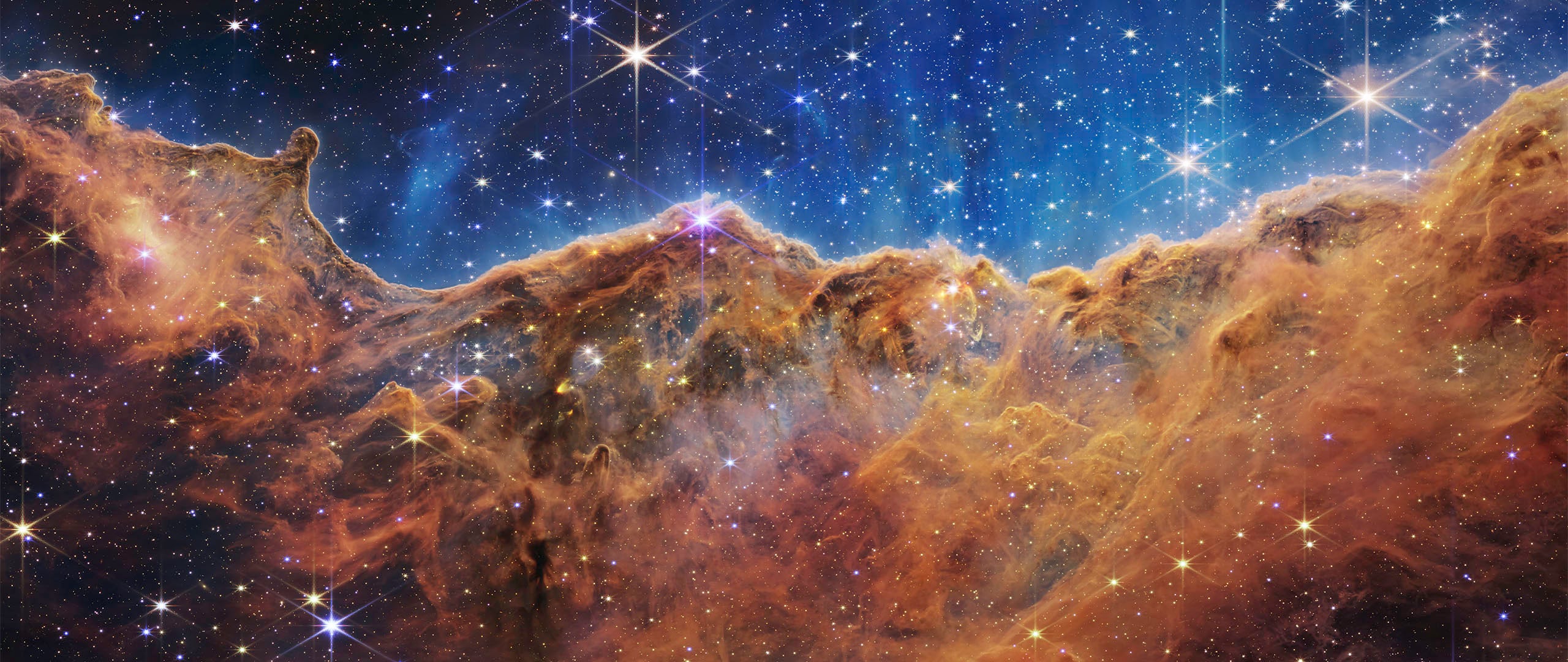
Equipped with the world's largest digital camera, the Vera C. Rubin Observatory in Chile has begun a decade-long project to create a time-lapse of the sky. The survey aims to capture vast amounts of data to help researchers study dark energy, dark matter, and other celestial phenomena.
The Vera C. Rubin Observatory has officially commenced its Legacy Survey of Space and Time (LSST), launching a decade-long endeavor to create what researchers describe as the greatest cosmic movie ever made. Stationed on the 8,800-foot summit of Cerro Pachón in Chile, the facility began its primary operations on Tuesday, 30 June 2026. The project represents a significant shift in observational astronomy, moving from static imaging to a consistent, time-rich record of the southern sky.
At the center of this mission is the world’s largest digital camera, a 3,200-megapixel instrument roughly the size of a small car. Constructed at the SLAC National Accelerator Laboratory in Menlo Park, the camera features 189 custom-made silicon sensors. It is designed to pair with the observatory’s 8.4-meter primary mirror to scan vast swaths of the heavens, capturing a new, highly detailed image approximately every 40 seconds. By repeatedly visiting the same regions, the telescope will build a comprehensive, high-definition time-lapse of the cosmos, with every point in the survey area expected to be observed about 800 times over the next ten years.
Related media
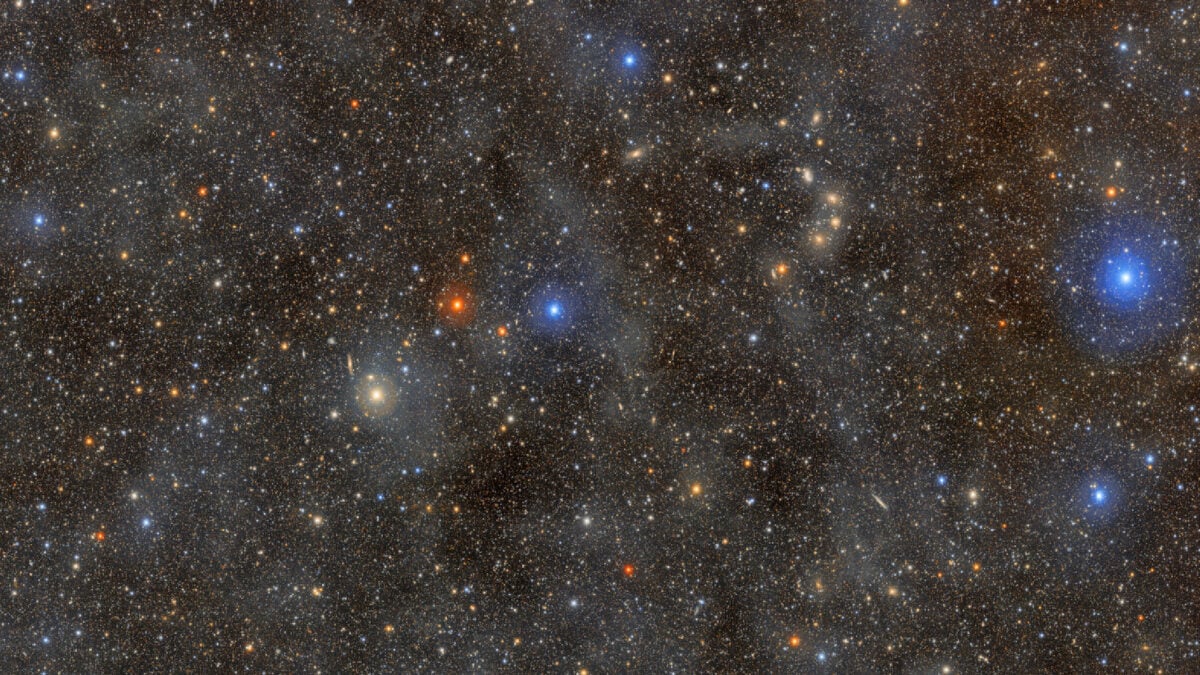

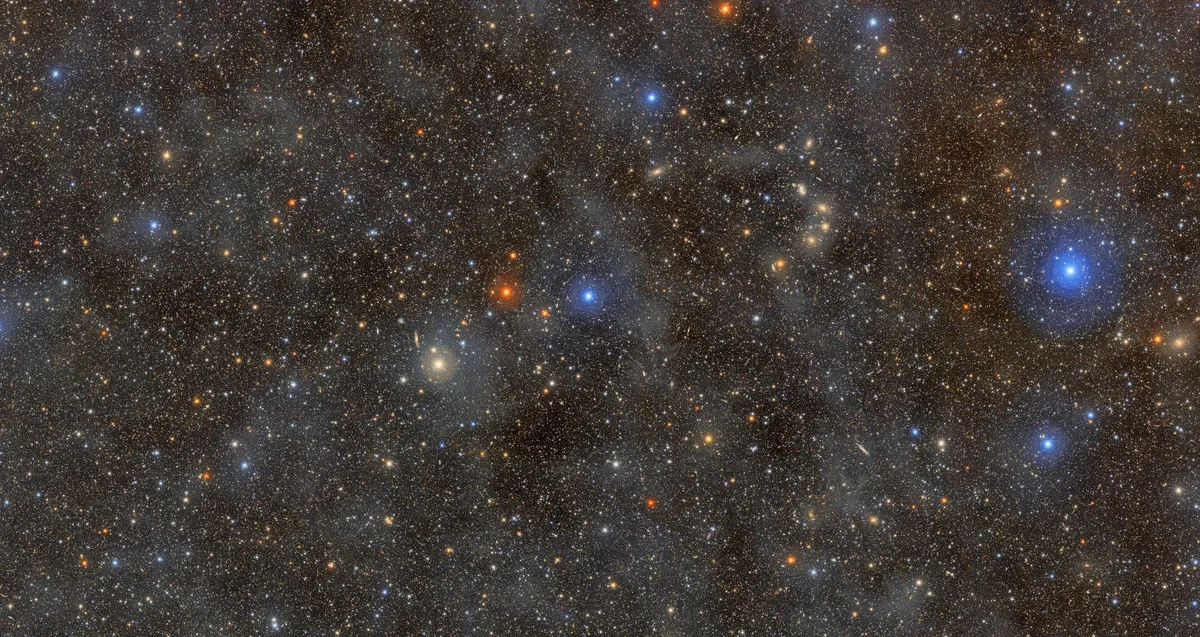
The project serves as a major collaboration between the U.S. National Science Foundation and the Department of Energy. According to Brian Stone, who is performing the duties of the NSF director, the survey represents the culmination of decades of technical innovation and federal investment. The observatory’s ability to move rapidly and maintain a wide field of view — covering an area about 45 times the size of the full moon in a single exposure — allows it to function as a discovery machine for events that are fleeting, rare, or slow-moving.
The scientific objectives are broad, ranging from mapping the local solar system to testing the fundamental laws of gravity. A primary goal is to gain clarity on the existence and nature of dark energy and dark matter. Željko Ivezić, head of the LSST, notes that after five to seven years of data collection, researchers expect to be in a position to evaluate competing hypotheses regarding why the universe is expanding at an accelerating rate. The data collected will also provide a detailed census of the solar system, including millions of asteroids and comets; optimization surveys conducted prior to the official start have already led to the discovery of 11,000 previously unseen asteroids.
Operational Milestones and Data Flow
- First Look: Preliminary images were released in June 2025, providing early insight into the observatory’s capabilities.
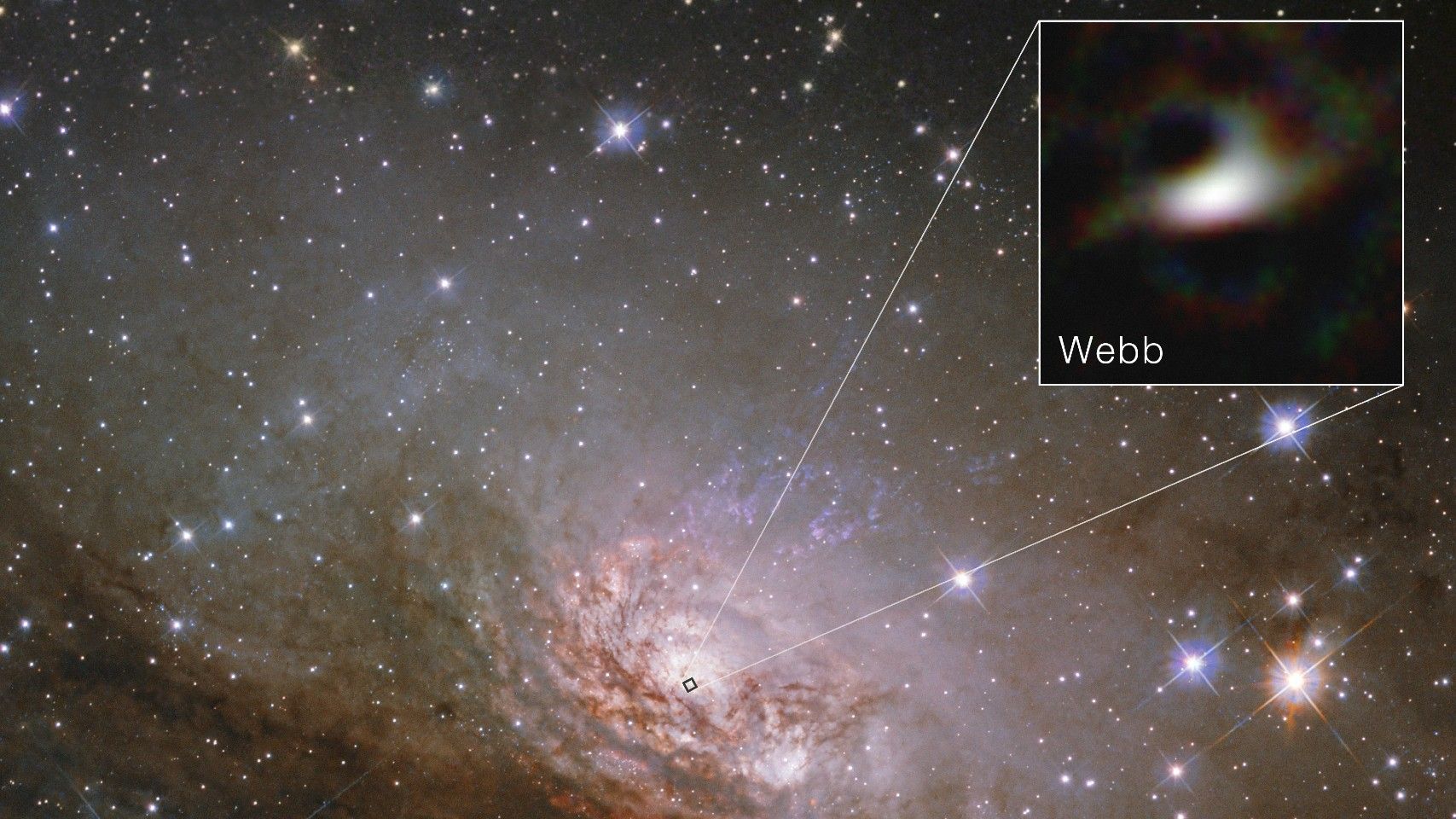
- Data Volume: The facility is expected to collect approximately 10 terabytes of data each night.
- Alert System: An automated pipeline will generate up to seven million alerts per night, notifying the global scientific community of transient events like supernovae, black hole activity, and stellar collisions.
- Comparison: In its first year alone, the Rubin Observatory is expected to gather more data than all previous visible-light telescopes combined.
The transition to the full ten-year survey follows an extensive period of system optimization, which included rigorous reviews of technical readiness, calibration accuracy, and data system performance. Arun Kannawadi Jayaraman, a cosmologist at Duke University, noted that while the team has gained experience during the testing phases, the move to active survey mode represents a significant, long-awaited shift in the field.
The Rubin Observatory’s design allows it to complement other instruments currently in use. By functioning as a wide-field surveillance tool, it will act as a guide for other observatories worldwide, directing attention to noteworthy celestial events as they occur. As the survey progresses, the resulting dataset, containing billions of objects and trillions of measurements, will be made available through regular data releases, inviting broad participation from both professional researchers and the public.
Looking ahead, the observatory is positioned to redefine modern cosmology. By capturing the dynamic nature of the universe in such high definition, it intends to uncover phenomena that have yet to be imagined. Bob Blum, Director of the Rubin Observatory at NSF NOIRLab, emphasizes that the facility is designed for wide accessibility, ensuring that the legacy of this survey will shape astrophysics for generations.
How significant is this development?
Contribute your assessment to the aggregated reader intelligence ledger.
Archypedia is dedicated to independent, evidence-backed reporting. This briefing was synthesized from primary source reporting, corroborated across independent newsrooms, and verified against our Editorial Standards.
Transparency record
Evidence behind this report
This report synthesizes 8 distinct sources. Open the source ledger below to compare the underlying coverage.
- rocketnews.com
- smithsonianmag.com
- energy.gov
- gizmodo.com
- forbes.com
- scientificamerican.com
- timesheraldonline.com
- ap.org
Prepared under the Archypedia Editorial Policy by the Niko Vale editorial desk profile. AI-assisted tools may support drafting and verification; public accountability remains with Archypedia. Report an error.