FCC approves Reflect Orbital satellite to test sunlight reflection tech
The FCC authorized Reflect Orbital to launch a mirror-equipped satellite designed to beam sunlight to Earth. The mission faces scrutiny from the astronomy community regarding potential environmental impacts and the future of the night sky.

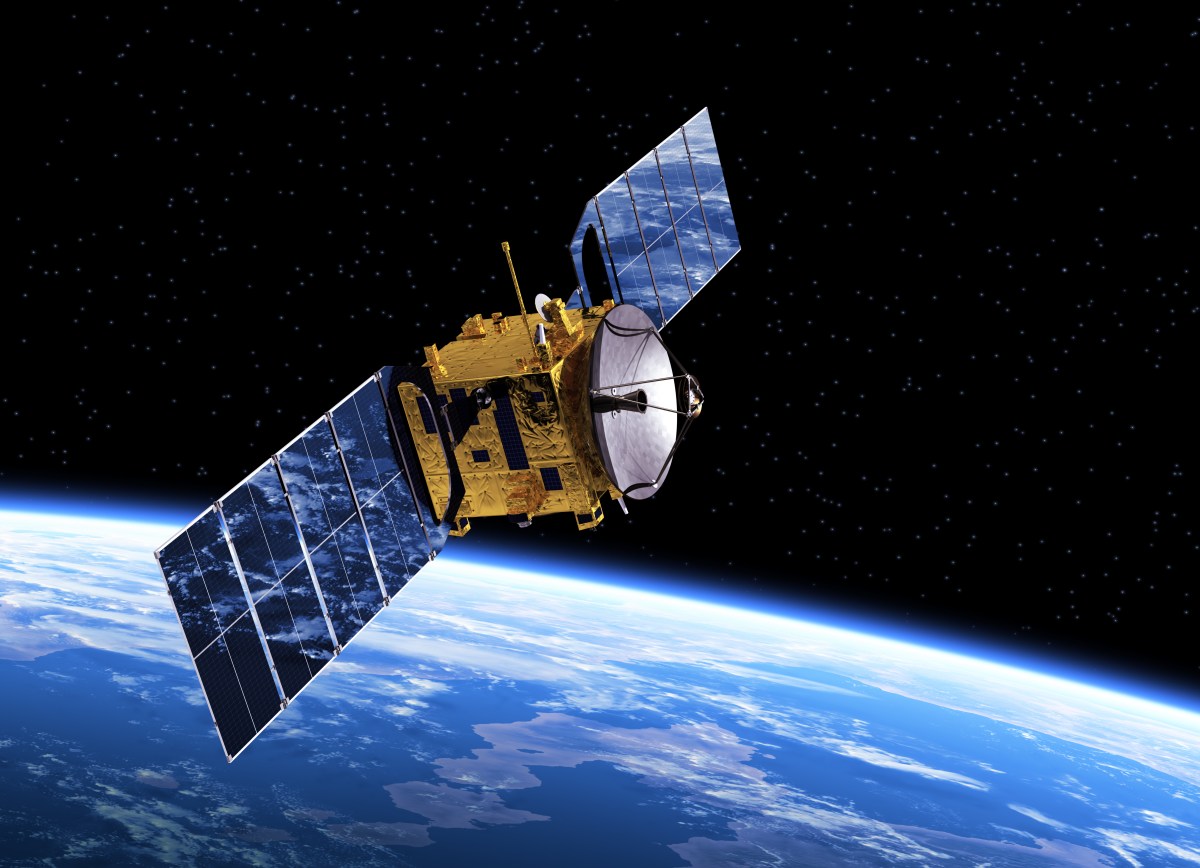
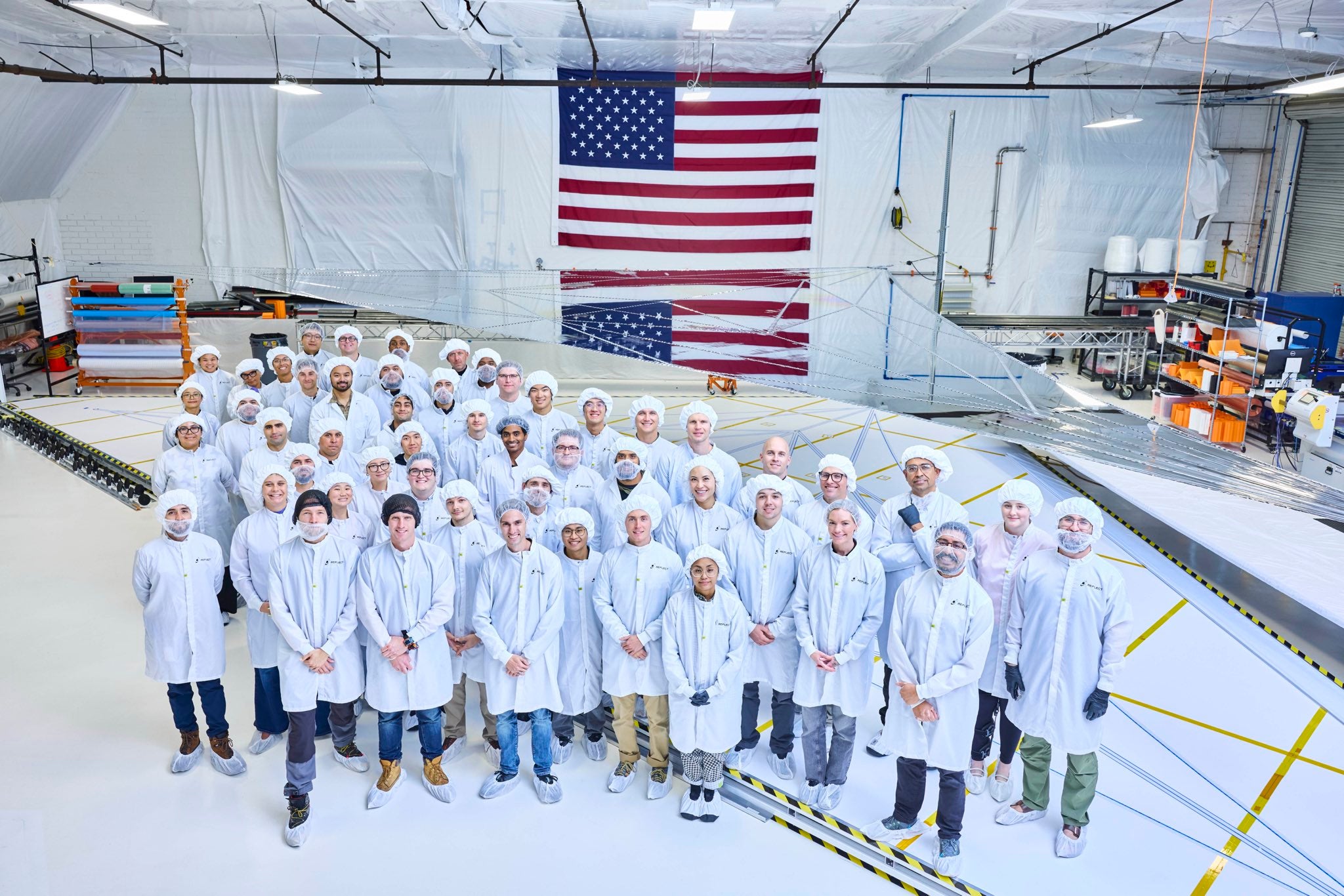
The Federal Communications Commission (FCC) officially authorized the launch of a demonstration satellite designed to reflect sunlight back to Earth, a decision that has sparked significant debate regarding the limits of regulatory oversight and the future of the night sky. The agency granted approval on July 9 to California-based startup Reflect Orbital for its Eärendil-1 spacecraft, a 142-kilogram mission intended to test the feasibility of redirecting solar energy to specific terrestrial locations.
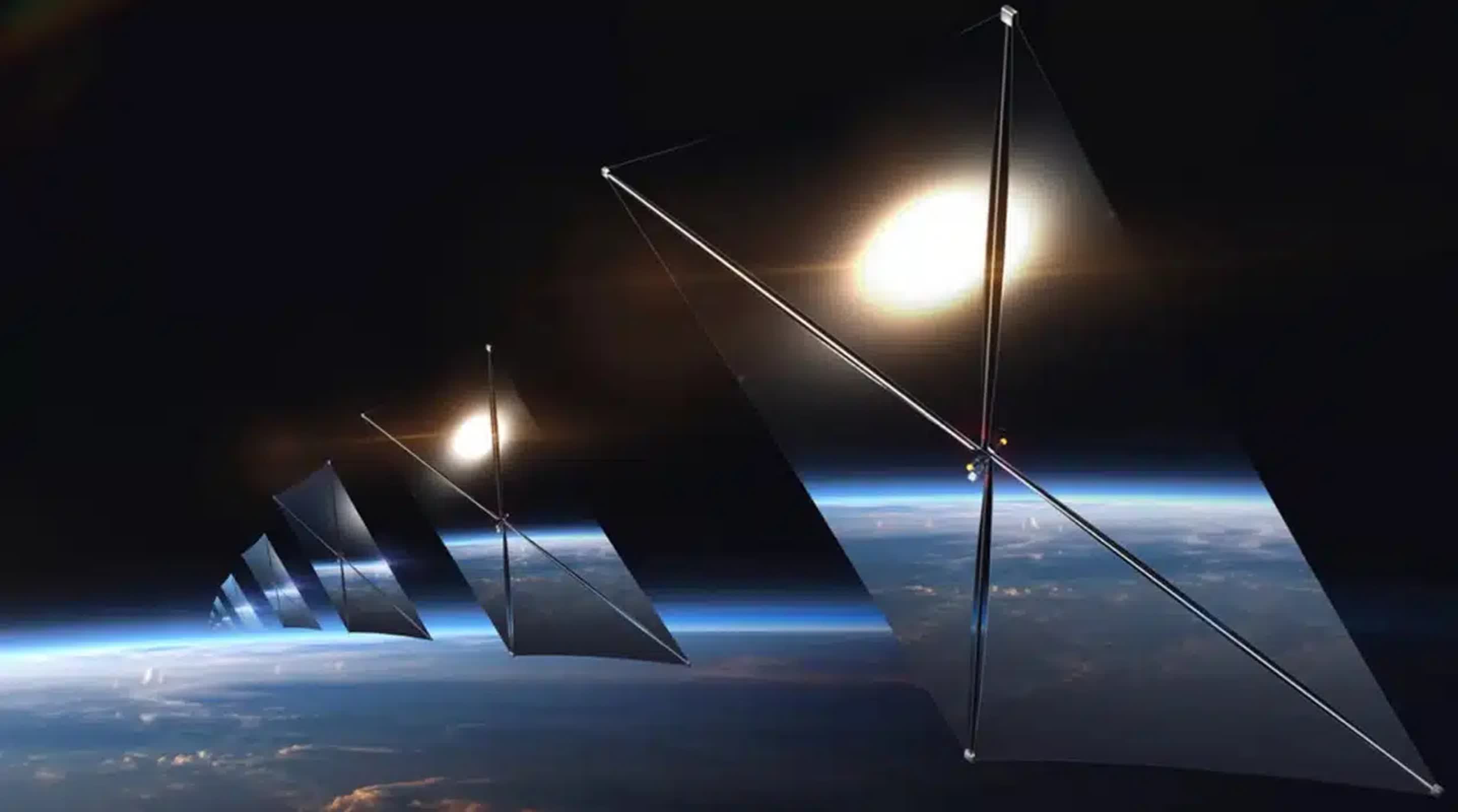
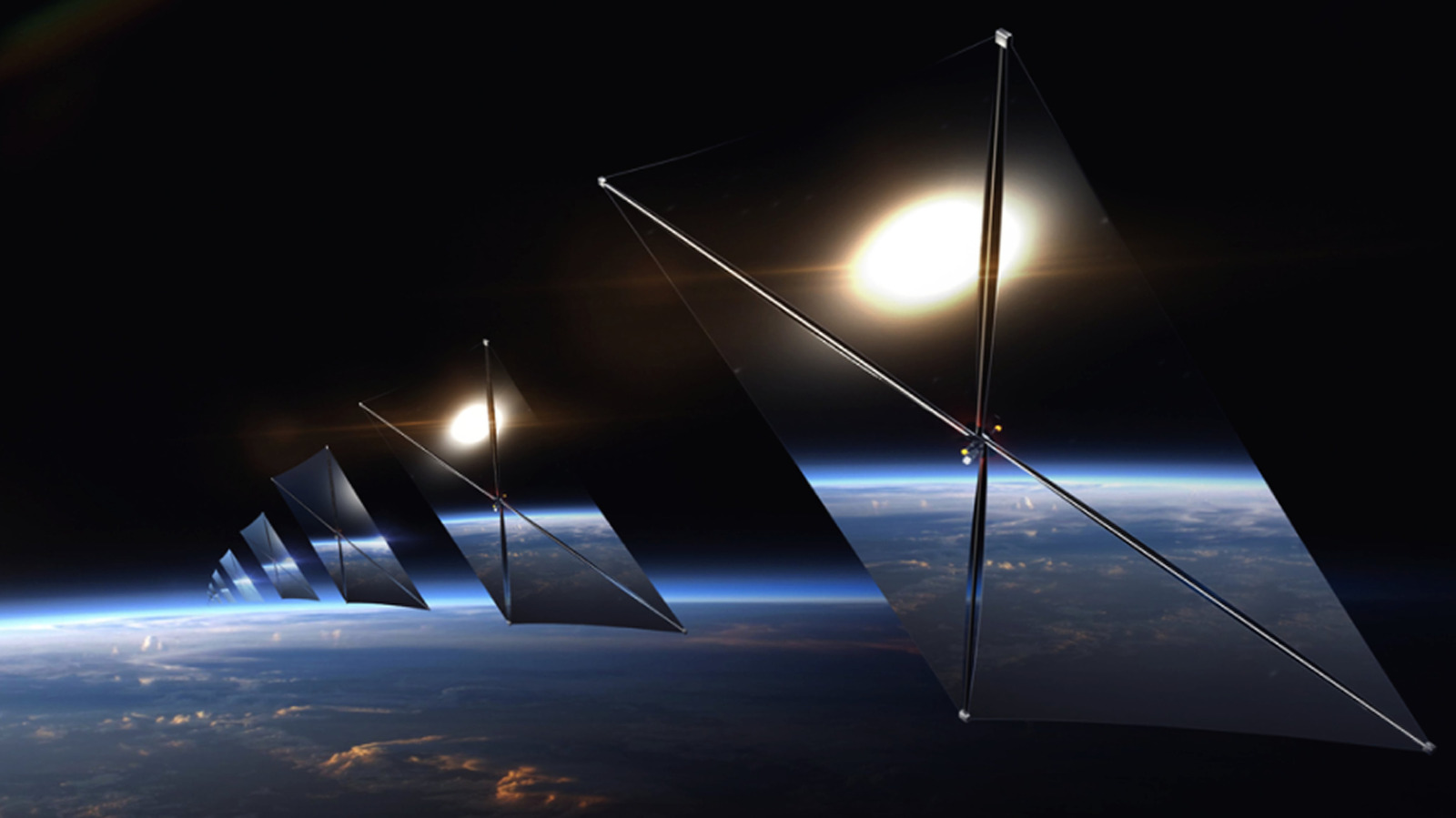
The spacecraft is scheduled to launch later this year into an orbit 600 to 650 kilometers in altitude. Once positioned, it is designed to deploy an 18-meter-by-18-meter aluminized Mylar reflector. Reflect Orbital intends to use this equipment to cast a beam of sunlight approximately 5 kilometers wide onto the ground. The company envisions this technology as a source of "sunlight on demand," potentially supporting solar energy production after dark, assisting in emergency search-and-rescue operations, or providing illumination for construction, agriculture, and other industrial projects.
Related media
Regulatory Jurisdiction and Public Concern
The FCC's authorization process drew nearly 2,000 public comments, with widespread opposition from environmental groups, the American Astronomical Society, and international dark-sky advocacy organizations. Critics raised concerns regarding the potential for light pollution, the disruption of circadian rhythms in nocturnal wildlife, and the risks of glare causing "flash blinding" for pilots or motorists. Astronomers warned that the satellite's reflective surface could overwhelm sensitive telescope sensors and increase the diffuse background brightness of the night sky, making the detection of faint celestial objects increasingly difficult.
The FCC, however, concluded that these concerns fall outside its statutory authority. The agency stated that its mandate is to manage the radiofrequency spectrum and coordinate space station operations, not to serve as a comprehensive arbiter of environmental or health impacts related to reflected light. "We find that concerns about Eärendil-1’s impacts on optical astronomy fall outside our review and authorization of the space station and are not a basis for denial," the agency stated in its order. The commission emphasized that this license covers only a single demonstration satellite and does not constitute approval for the company’s broader, long-term commercial ambitions.
The Scale of Future Ambitions
While Eärendil-1 serves as a singular engineering test, it represents the preliminary step toward a larger commercial vision. Reflect Orbital has proposed an eventual constellation of up to 50,000 satellites by 2035. Modeling by the European Southern Observatory (ESO) suggests that such a fleet could increase background sky brightness at its facilities by a factor of three to four. ESO officials have characterized this potential expansion as an "existential threat" to optical astronomy.
The concept is not without historical precedent. In the 1990s, the Russian Znamya experiments attempted a similar concept, successfully reflecting a patch of light across Europe before a subsequent mission failed. Reflect Orbital now seeks to modernize this concept into a consistent service, though it faces technical hurdles regarding mirror deployment, precise aiming, and the economic viability of its service model. The company previously raised $20 million in a Series A round.
What to Watch Next
- Launch Timeline: Reflect Orbital is scheduled to launch Eärendil-1 later this year, though the company has not provided a specific date.
- Regulatory Bond: As a condition of the license, the company must post a surety bond by Aug. 10 to ensure compliance with orbital debris and deorbiting requirements.
- Independent Data: The startup has committed to commissioning third-party research on the impact of its technology and is working toward a coordination agreement with the National Science Foundation.
The project remains a venture-stage test of a concept that many argue requires a more rigorous regulatory framework. As noted by James Verner of Dark Sky UK, the authorization highlights a growing tension: "If the regulator licensing these satellites has no mandate to examine what they actually do to the sky or the Earth below, then who does?"
Archypedia is dedicated to independent, evidence-backed reporting. This briefing was synthesized from primary source reporting, corroborated across independent newsrooms, and verified against our Editorial Standards.
Transparency record
Evidence behind this report
This report synthesizes 10 distinct sources. Open the source ledger below to compare the underlying coverage.
- spacenews.com
- satellitetoday.com
- techspot.com
- engadget.com
- yahoo.com
- ts2.tech
- spacedaily.com
- mynews13.com
- moneycontrol.com
- theconversation.com
Prepared under the Archypedia Editorial Policy by the Niko Vale editorial desk profile. AI-assisted tools may support drafting and verification; public accountability remains with Archypedia. Report an error.