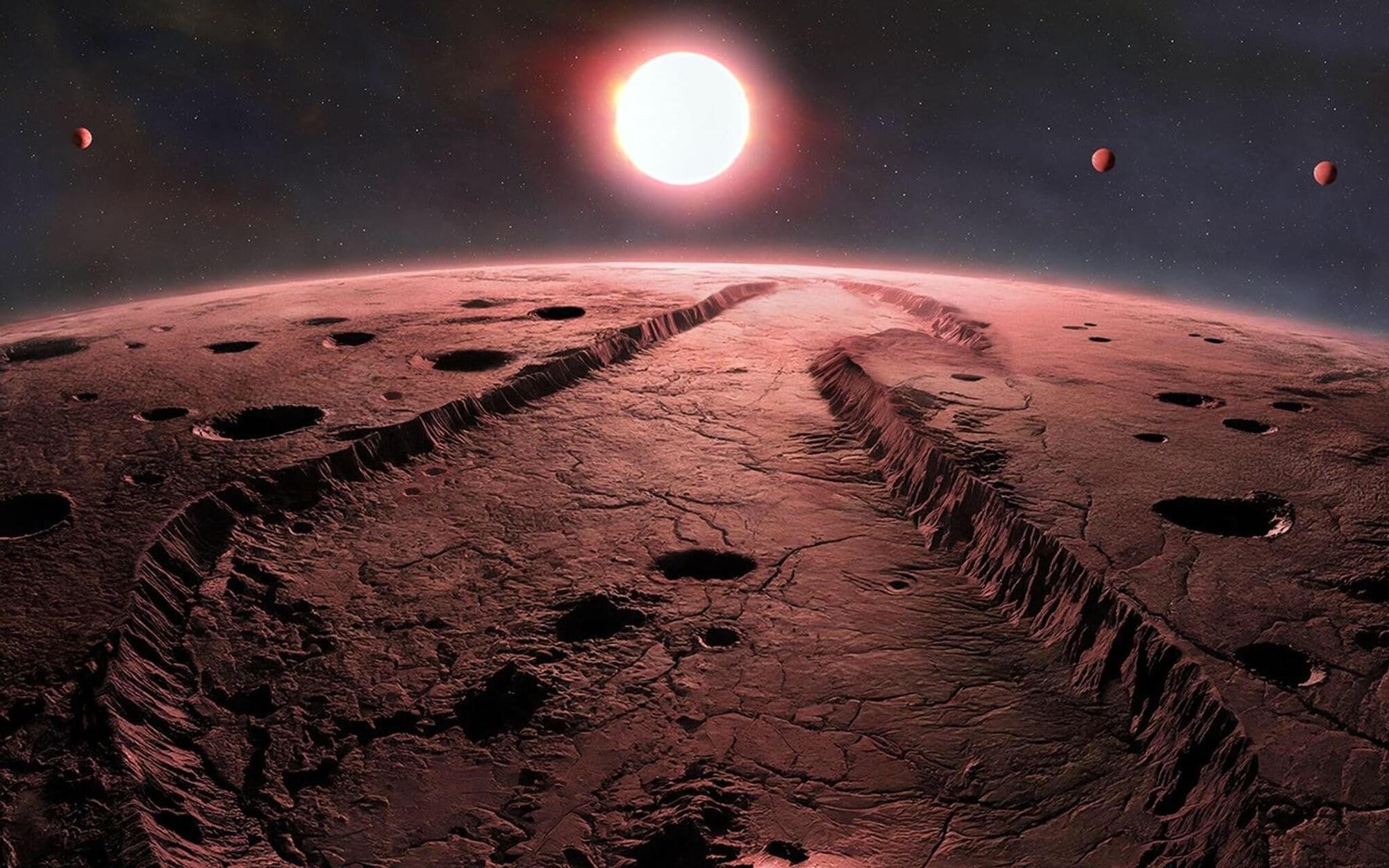
Euclid telescope captures 60-million-star image of Milky Way center
The ESA has unveiled a high-resolution mosaic of the Milky Way’s galactic bulge captured by the Euclid space telescope. This detailed image of 60 million stars provides researchers with a critical tool for identifying and characterizing planets beyond our solar system.
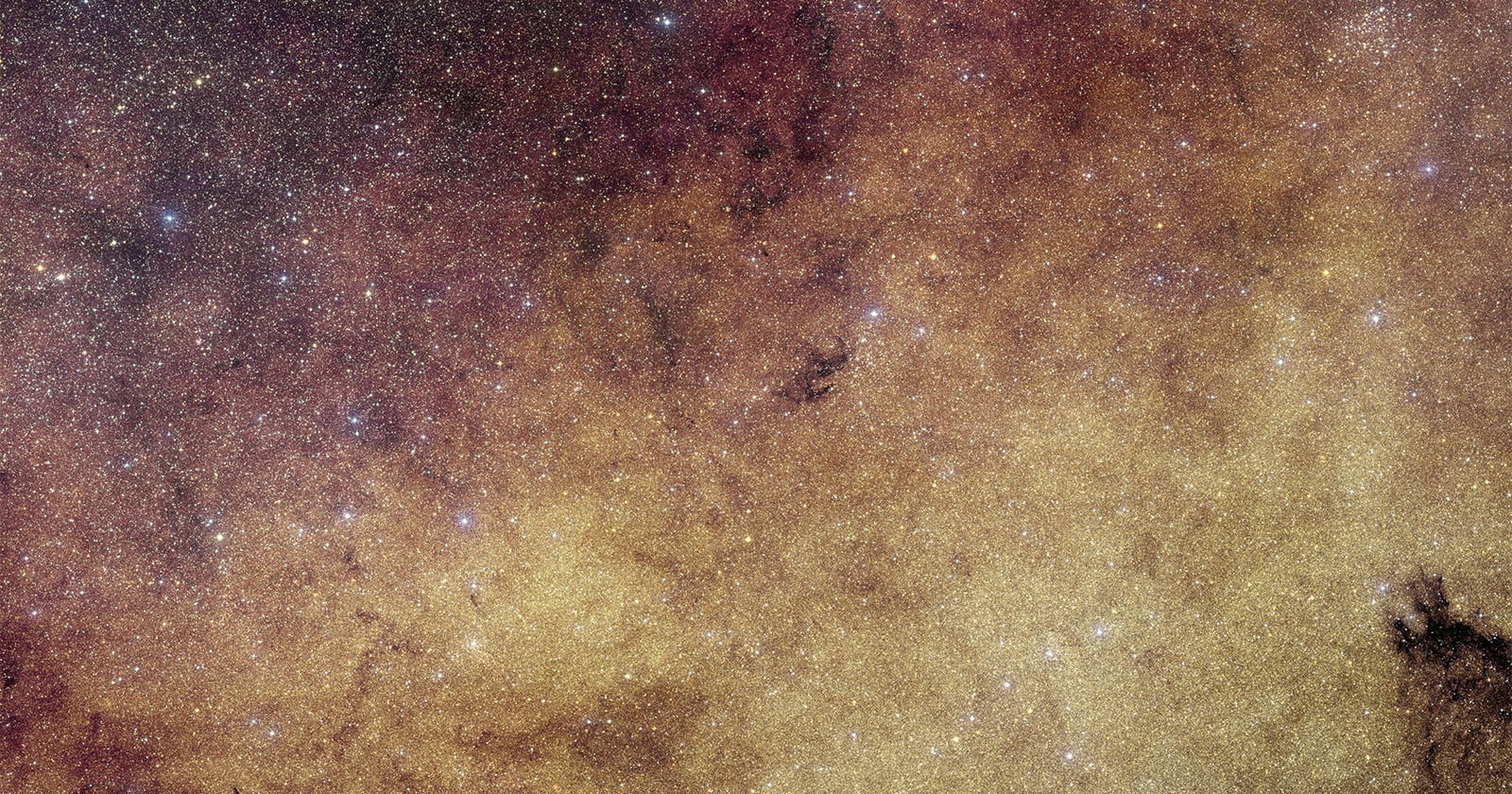
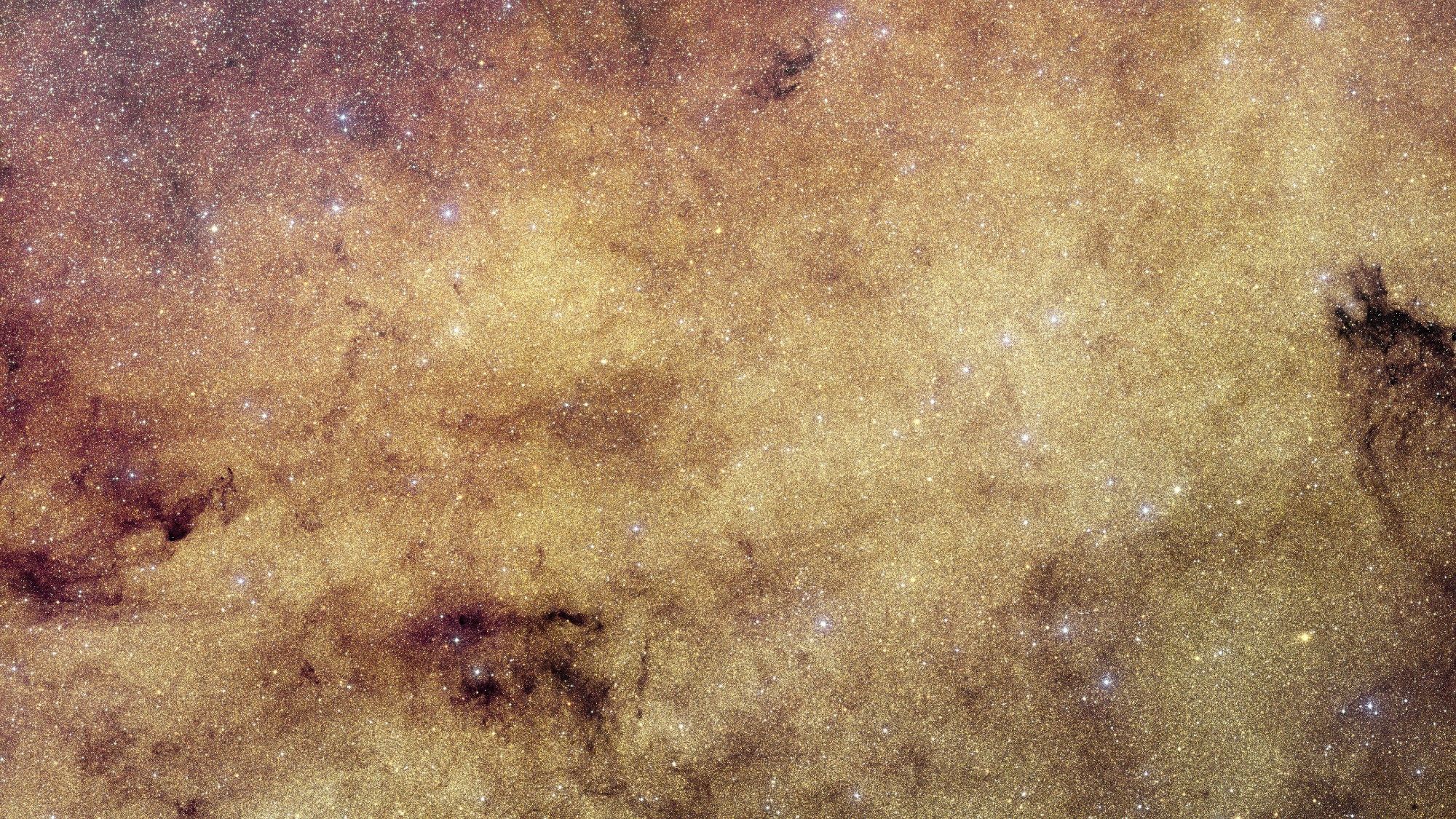
The European Space Agency (ESA) has unveiled the most detailed visible-light image ever captured of the Milky Way’s galactic bulge. The mosaic features more than 60 million individual stars, along with nebulae and star clusters, contained within the galaxy’s dense central region. The image provides a high-resolution view of a site located approximately 26,000 light-years from Earth, offering researchers a critical tool for identifying and characterizing planets beyond our solar system.
Captured by the Euclid Space telescope, the mosaic resulted from 26 hours of observations conducted on 23 March 2025. The final image is composed of nine separate pointings,
each covering an area of the sky larger than the full moon. While the original data was acquired in black and white by Euclid’s visible-light camera, researchers integrated observations from the Canada-France-Hawaii Telescope (CFHT) to add color. The resulting image spans an area 270 times larger than the field of view of the Hubble Space Telescope, according to Space.
Related media

Scientific Applications and Microlensing
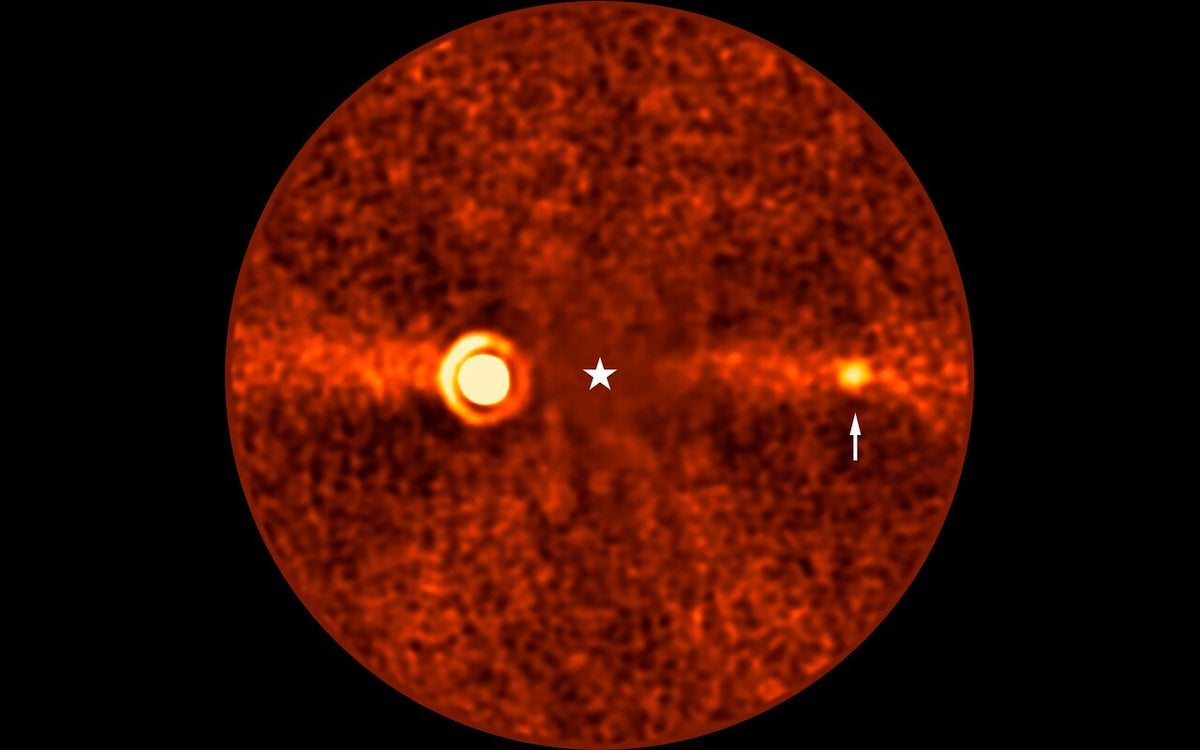
Although Euclid was originally designed to investigate dark energy and dark matter by observing distant galaxies, its high sensitivity allows it to resolve individual stars in the crowded galactic center without the blinding glare typically associated with such dense fields. This capability is instrumental for a technique known as gravitational microlensing. In this process, a foreground star passes in front of a more distant background star, causing the foreground star's gravity to warp and brighten the light of the background source. If the foreground star hosts a planet, its gravity further distorts that light, revealing the planet's presence.
Jean-Philippe Beaulieu of the Institut d’Astrophysique de Paris and the University of Tasmania stated that while previous exoplanet discoveries using this method relied on ground-based telescopes, the new Euclid data represents a significant advancement. This image from Euclid includes 51 known planetary systems, and it will assist in studying many more that will be found,
Beaulieu said via Smithsonianmag. Because identifying a microlensing event typically requires approximately 20 days of monitoring, Euclid’s shorter observation window means it did not record new events itself; rather, it provides an essential historical reference.
Future Collaboration with NASA
The image is expected to serve as a baseline for the Nancy Grace Roman Space Telescope, which NASA is scheduled to launch. By comparing the position and appearance of stars in the Euclid mosaic with future observations from the Roman mission, astronomers can calculate the movement of stars over time. This temporal data allows for more precise mass measurements of orbiting exoplanets and helps distinguish between true planetary transits and other phenomena, such as binary star systems.
Beyond exoplanet research, scientists plan to utilize the dataset to study brown dwarfs, stellar motions, and the distribution of interstellar dust.
Technical Context
- Observation Duration: 26 hours.
- Date of Observation: 23 March 2025.
- Resolution: 324 megapixels (18,000 by 18,000 pixels).
- Field of View: Each of the nine pointings is 270 times larger than that of the Hubble Space Telescope.
The release of the image highlights the science community's ability to repurpose space observatories for unforeseen tasks. As Natalia Rektsini, who led the data release for the scientific community, explained, the Euclid mosaic allows researchers to see how stars appeared before they aligned, a level of detail that would be impossible with data from a single point in time. The Petapixel report confirms that this reference archive will be vital for future planet-hunting missions, enabling astronomers to verify planetary existence with greater accuracy than ever before.
How significant is this development?
Contribute your assessment to the aggregated reader intelligence ledger.
Archypedia is dedicated to independent, evidence-backed reporting. This briefing was synthesized from primary source reporting, corroborated across independent newsrooms, and verified against our Editorial Standards.
Transparency record
Evidence behind this report
This report synthesizes 11 distinct sources. Open the source ledger below to compare the underlying coverage.
- wired.com
- yahoo.com
- petapixel.com
- smithsonianmag.com
- space.com
- cbsnews.com
- news.ufl.edu
- sciencealert.com
- forbes.com
- esa.int
- theguardian.com
Prepared under the Archypedia Editorial Policy by the Niko Vale editorial desk profile. AI-assisted tools may support drafting and verification; public accountability remains with Archypedia. Report an error.