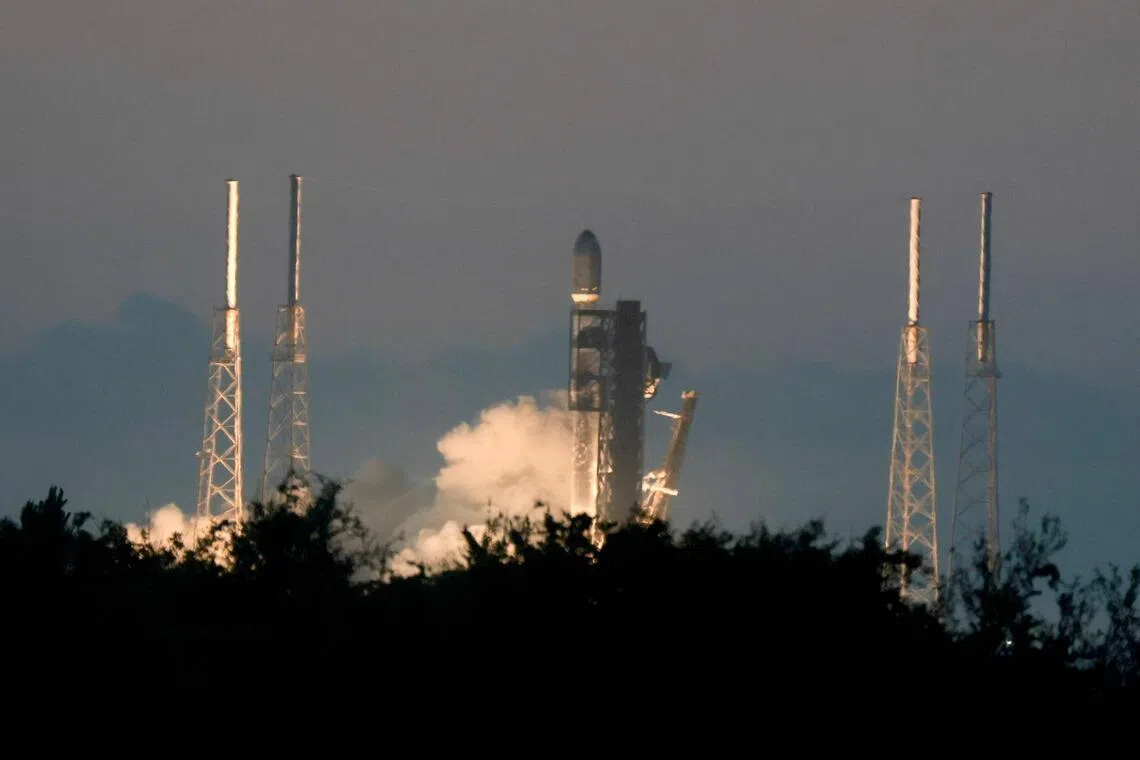
Astronomers oppose SpaceX and Reflect Orbital satellite plans over sky risks
Scientific organizations are opposing proposed orbital expansion projects, warning that the influx of satellites threatens to compromise astronomical research.
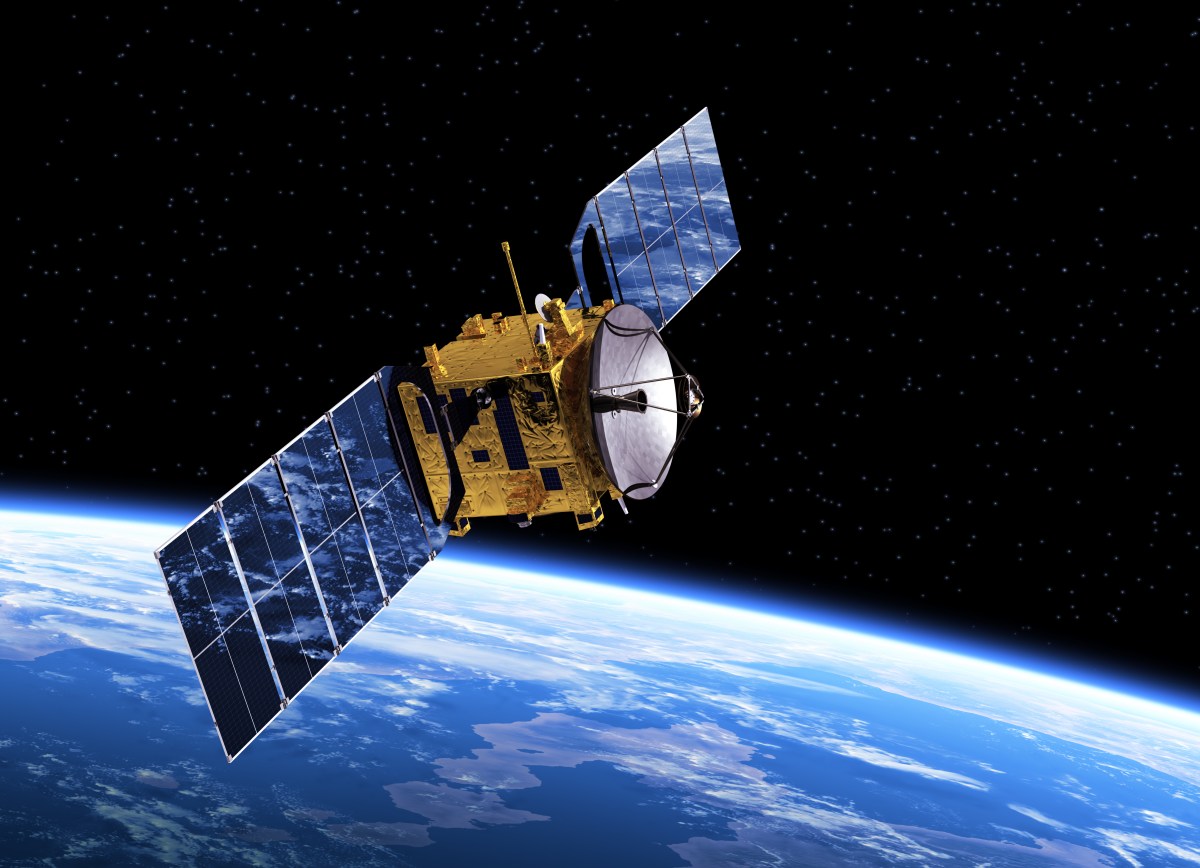
Astronomers and international scientific organizations are mounting an urgent opposition to proposed orbital expansion projects that threaten to fundamentally alter the night sky. The primary flashpoint involves applications filed with the U.S. Federal Communications Commission (FCC) by SpaceX and the startup Reflect Orbital, which seek to deploy hundreds of thousands of new satellites into low Earth orbit. The scientific community warns that these constellations could render large-scale astronomical observation untenable.
The Scale of the Challenge
SpaceX has submitted plans to launch up to 1 million satellites designed to function as orbiting data centers for artificial intelligence. The company intends to place these objects in orbits ranging from 500 to 2000 kilometers. Astronomers argue these satellites will remain illuminated even at midnight, creating a continuous, bright presence that differentiates them from existing broadband constellations like Starlink.
Related media


The Royal Astronomical Society (RAS) and the European Southern Observatory (ESO) have formally opposed these projects. The RAS described the potential impact as a disastrous impact on the science of astronomy
, noting that the sheer number of satellites would exceed the count of visible stars in the night sky. Research led by ESO astronomer Olivier Hainaut suggests that the total number of satellites in orbit should be capped at 100,000 to prevent existential harm to ground-based research.
Disruption to Scientific Observations
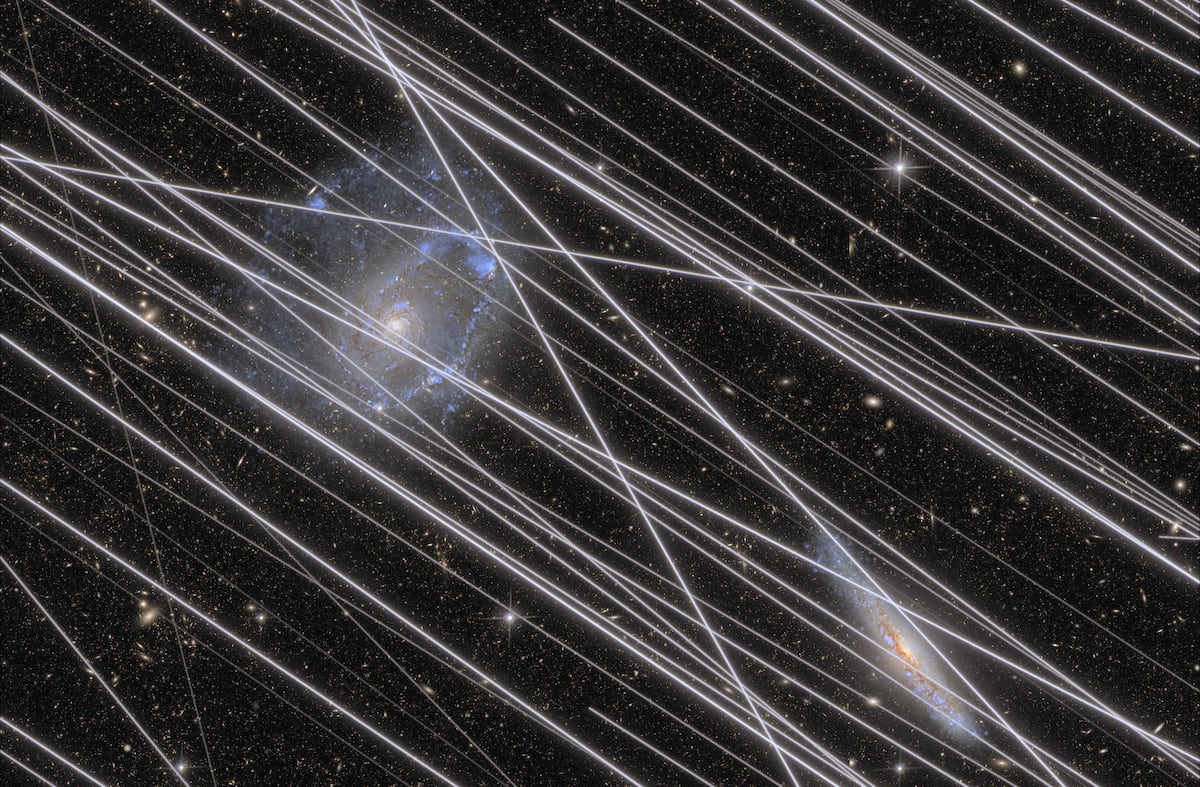
The threat extends beyond ground-based telescopes. A study published in the journal Nature, led by Alejandro Serrano Borlaff of NASA’s Ames Research Center, indicates that even Space telescopes are increasingly vulnerable. Findings suggest that future space-based missions could have nearly all images contaminated by satellite streaks. While some projects, such as the ESA's ARRAKIHS telescope, are being re-engineered to look toward the zenith to minimize interference, experts emphasize that there is no safe haven from the increasing orbital congestion.
The impact on ground-based facilities is equally severe. Tony Tyson, chief scientist at the Vera C. Rubin Observatory, stated that at a million satellites, the sky brightness would be similar to the glare of a half-moon
, which would effectively preclude most sensitive astronomical research. Estimates referenced by the RAS suggest that images taken by the European Southern Observatory’s Very Large Telescope would lose roughly 10 percent of their data due to satellite trails.
Reflect Orbital’s Mirror Constellation
Separately, Reflect Orbital has proposed a constellation of up to 50,000 mirror-like satellites designed to reflect sunlight to Earth during nighttime hours. Astronomers warn that these satellites could appear up to four times brighter than the full moon. The cumulative effect, according to the RAS, would make the night sky significantly brighter, interfering with both professional research and nocturnal ecosystems that rely on natural darkness.
Regulatory Status and Environmental Concerns
The FCC faces significant pressure to review these filings. Concerns have been raised regarding the agency’s fast-track approach, which critics say bypasses necessary environmental impact assessments. Astronomers warn that the mass incineration of decommissioned satellites—projected at a rate of one every three minutes under full-scale deployment—will release pollutants like aluminum oxide into the upper atmosphere, potentially hindering the recovery of the ozone layer.
What to Watch Next
- Technical Canaries: SpaceX expects to launch preliminary AI-capable satellites before the end of 2027 to test compute payloads.
- Regulatory Determination: The astronomical community remains focused on advocating for stricter limits on orbital capacity as the FCC considers the submitted filings.
As the industry moves toward these deployments, the astronomical community remains focused on advocating for stricter limits on orbital capacity to ensure that modern research remains possible. The scientific community continues to emphasize that the promise of prosperity is not permission to be reckless with shared orbital resources.
How significant is this development?
Contribute your assessment to the aggregated reader intelligence ledger.
Archypedia is dedicated to independent, evidence-backed reporting. This briefing was synthesized from primary source reporting, corroborated across independent newsrooms, and verified against our Editorial Standards.
Transparency record
Evidence behind this report
This report synthesizes 11 distinct sources. Open the source ledger below to compare the underlying coverage.
- engadget.com
- newsweek.com
- english.elpais.com
- space.com
- futurism.com
- spacenews.com
- forbes.com
- morningstar.com
- discoverwildscience.com
- applyingai.com
- itechpost.com
Prepared under the Archypedia Editorial Policy by the Niko Vale editorial desk profile. AI-assisted tools may support drafting and verification; public accountability remains with Archypedia. Report an error.