James Webb telescope discovers 14 dormant galaxies in the early universe
Observations reveal that 14 galaxies in the early universe prematurely ceased star formation, suggesting a complex, bursty cycle of stellar evolution. These findings challenge standard cosmological models that predicted early galaxies would be defined by constant growth.
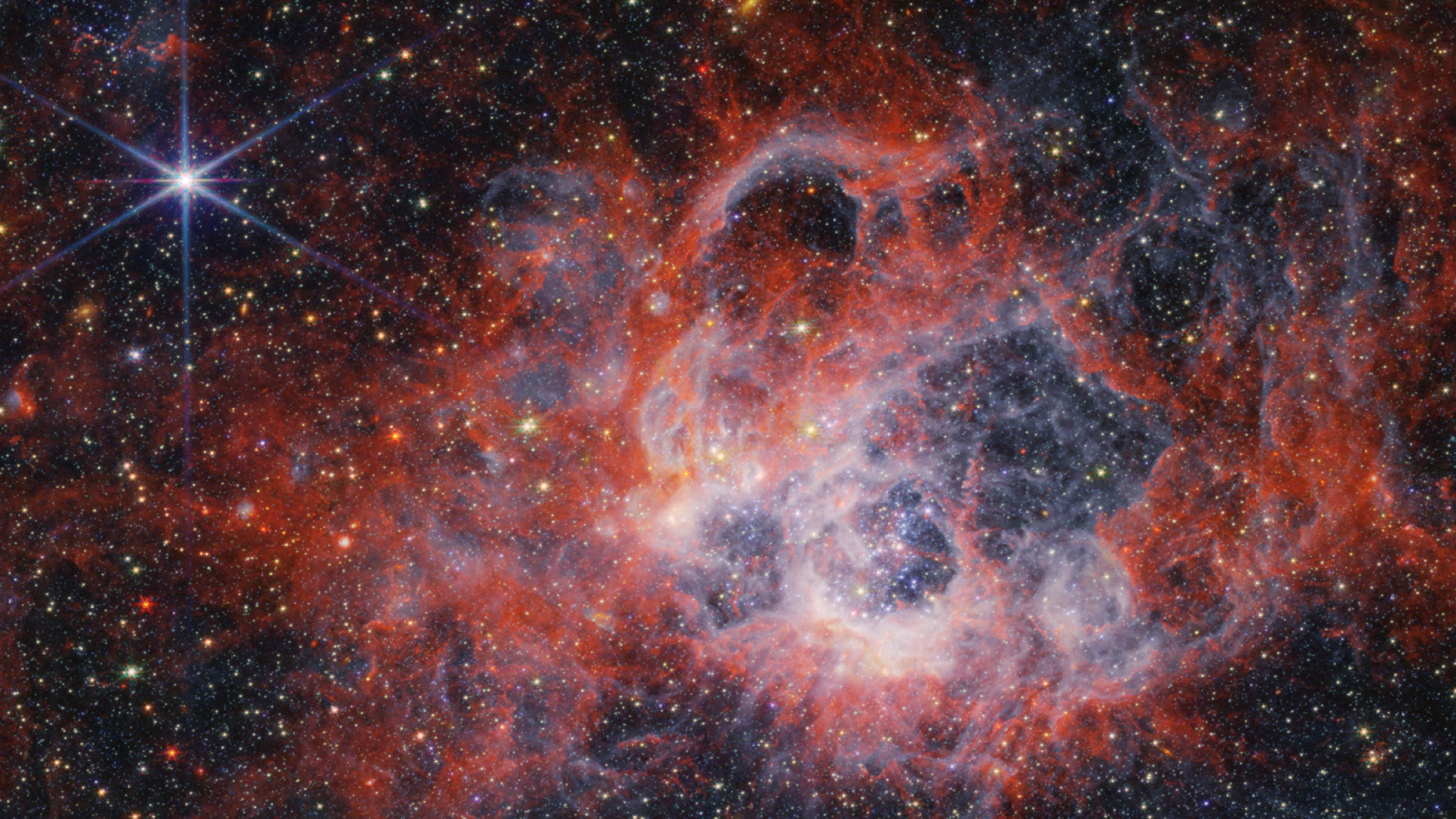
Astronomers peering into the deep history of the cosmos have identified a population of "dormant" galaxies existing within the first billion years after the Big Bang. These galaxies, which appear to have prematurely ceased star formation, challenge established theoretical models that predicted early-universe galaxies would be defined by rapid, continuous growth. The findings, facilitated by the James Webb Space Telescope (JWST), suggest a more complex and "bursty" cycle of stellar evolution than previously understood.
Understanding the "Sleeping" Galaxies
In the early universe, galaxies were generally expected to be sites of frenzied activity, accreting intergalactic gas to fuel the birth of new stars. However, recent spectroscopic observations have revealed a different reality: at least 14 galaxies have been identified that entered a "quiescent" or dormant phase between 10 million and 25 million years prior to their observation. These systems span a wide range of masses, from roughly 40 million to 30 billion solar masses, indicating that the phenomenon of early "quenching" is not restricted to specific size categories.
Related media
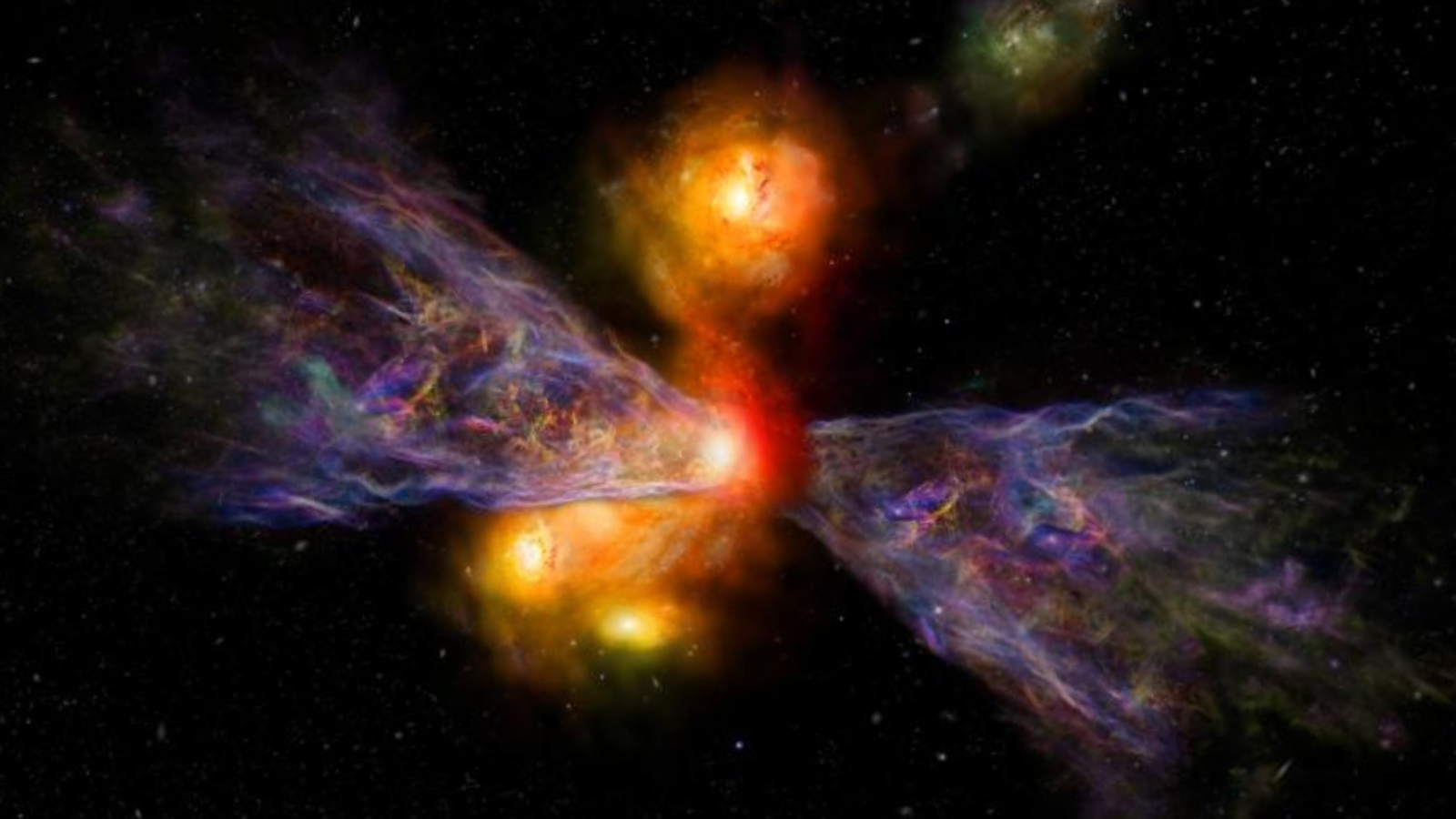
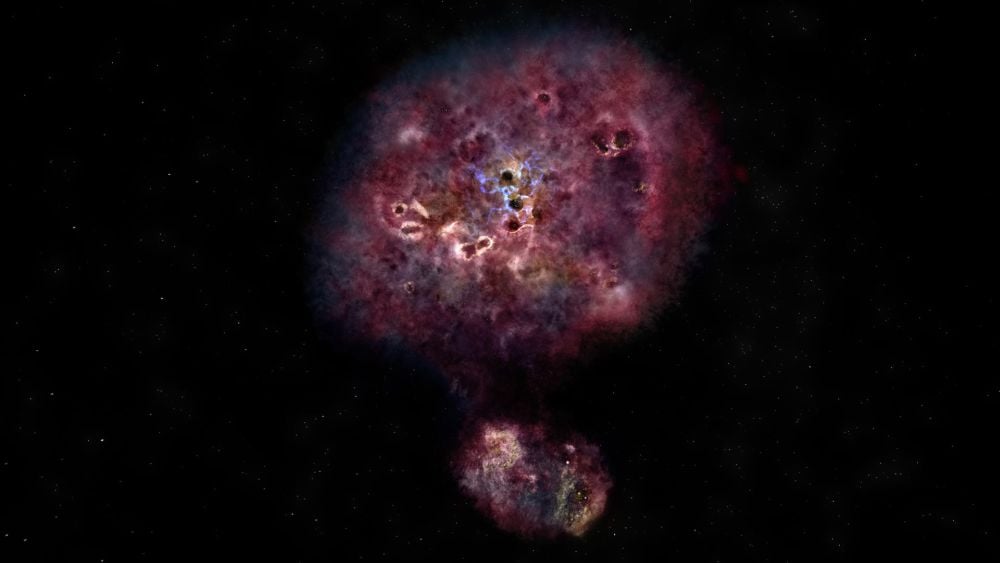

According to researchers, these galaxies exhibit a stop-and-go
fashion of star formation. Rather than permanent death, this dormancy may represent a temporary pause. The depletion of cold gas — the essential fuel for stars — is often attributed to stellar feedback,
such as supernova explosions or intense stellar winds that push gas out of the galaxy. Over time, this gas may cool and collapse back into the galactic center, potentially reigniting the star-forming machinery.
The Role of Cosmic Violence
While some dormant galaxies show evidence of temporary pauses, other massive quiescent galaxies (MQGs) found in the early universe exhibit signs of more violent, permanent changes. Researchers studying these systems at an epoch approximately 9 billion years ago observed compact, disturbed structures. Lead investigators suggest these shapes are telltale signs of past galaxy mergers. During such a collision, gas is funneled toward the center, triggering an intense, short-lived burst of star formation that consumes the available gas supply rapidly. This process, often coupled with energy from supermassive black holes, creates a feedback loop that permanently halts the galaxy's ability to create new stars.
Studies published in 2026 have documented "galaxy-killing" winds in quasars, where supermassive black holes release enough energy to blast gas out of a galaxy at speeds reaching 5,000 miles per second. These outflows are so powerful they can strip a galaxy of its raw material in a cosmic blink of an eye, within approximately 100 million years. This discovery provides a potential mechanism for why massive elliptical galaxies in the local universe appear to have formed their cores during the very first few hundred million years of cosmic history.
Refining Theoretical Models
The abundance of these dormant galaxies presents a significant challenge to standard cosmological simulations. Current models, such as IllustrisTNG, often underpredict the number of massive quiescent galaxies found by the JWST. The discrepancy has prompted astronomers to reconsider the role of dust-obscured star-forming galaxies (DSFGs). Some evidence suggests that a majority of massive quiescent galaxies began their lives as these extremely prolific, dust-shrouded star factories before an early merger triggered their sudden quenching.
What to Watch Next
- "Sleeping Beauties" Program: An upcoming JWST initiative will be specifically dedicated to surveying dormant galaxies to better estimate the duration of these quiet phases.
- Survey Expansion: Research teams intend to expand their observations to include fainter, more distant objects, further testing if quasar-driven winds are a universal feature of early galaxy evolution.
- Model Integration: Theoretical astrophysicists are working to integrate the higher-than-expected number of dormant galaxies into new simulations to better align with JWST data.
As the scientific community continues to analyze data from the RUBIES and PRIMER programs, the definition of a "dead" galaxy continues to evolve. Whether these systems represent a final, early exit from the cycle of star formation or a common, recurring pause in a larger, chaotic life cycle remains the primary focus of ongoing science research in the field of early universe cosmology.
How significant is this development?
Contribute your assessment to the aggregated reader intelligence ledger.
Archypedia is dedicated to independent, evidence-backed reporting. This briefing was synthesized from primary source reporting, corroborated across independent newsrooms, and verified against our Editorial Standards.
Transparency record
Evidence behind this report
This report synthesizes 7 distinct sources. Open the source ledger below to compare the underlying coverage.
Prepared under the Archypedia Editorial Policy by the Niko Vale editorial desk profile. AI-assisted tools may support drafting and verification; public accountability remains with Archypedia. Report an error.