NASA Astronaut Chris Williams Returns to Earth After 241 Days on ISS
NASA astronaut Chris Williams and two Russian cosmonauts have safely landed in Kazakhstan after completing a 241-day science mission aboard the International Space Station.
Adelaide engineering students have gained international recognition for a space-adapted menstrual system, highlighting a shift toward inclusive aerospace design.
Skyroot Aerospace successfully launched the Vikram-1 rocket, marking the first time a private Indian enterprise has deployed payloads into low-Earth orbit. The mission represents a major milestone in the country's expanding commercial space economy.
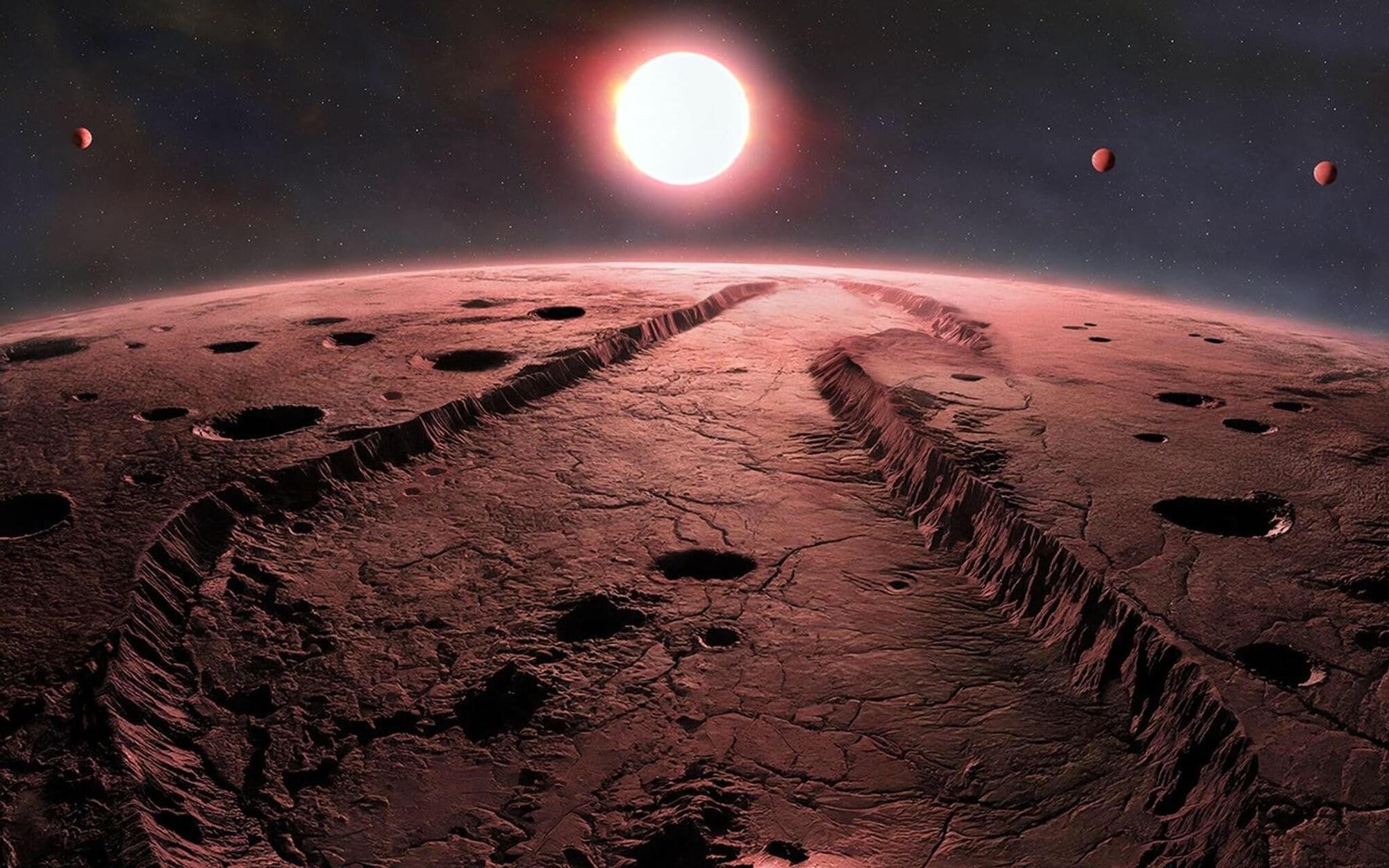
Scientific analysis has ruled out habitability for the four exoplanets orbiting Barnard's Star due to extreme heat, volatile geology, and atmosphere loss.
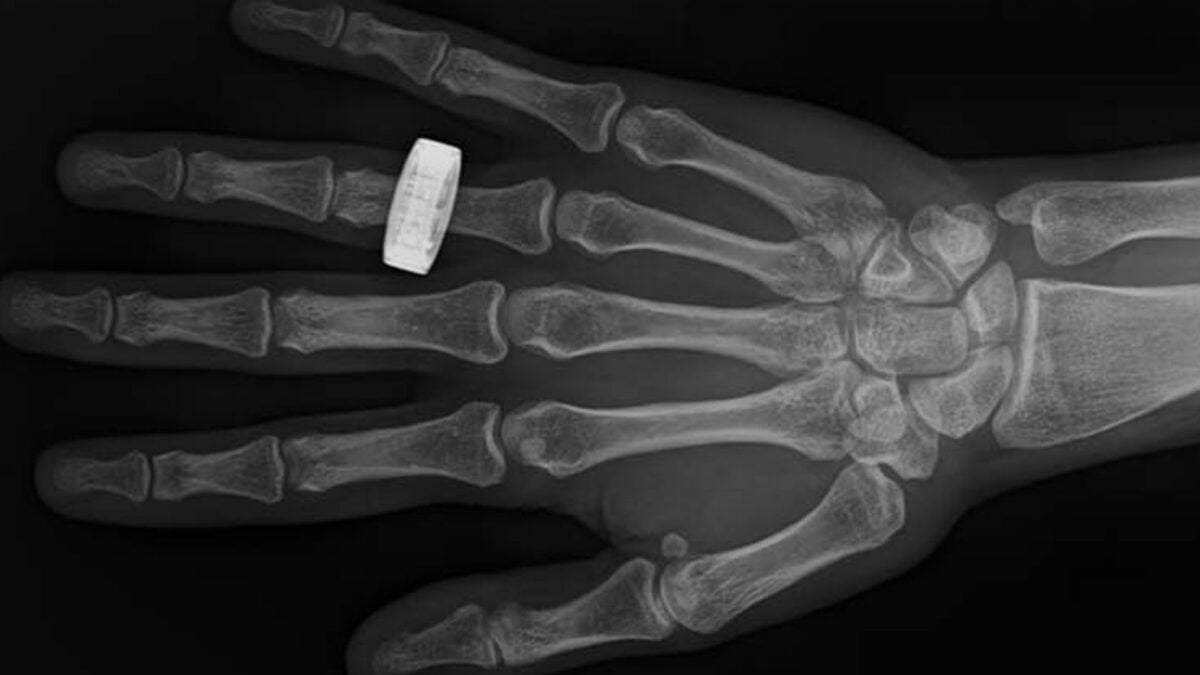
A commercial crew aboard the Fram2 mission has successfully captured the first diagnostic-quality X-rays in orbit using an ultraportable wireless system. This milestone demonstrates the potential for portable radiography to support both human health and equipment testing in microgravity.
A civilian crew successfully captured diagnostic-quality X-rays in microgravity during the SpaceXray project. This milestone demonstrates new capabilities for monitoring bone health and inspecting equipment during spaceflight.
The race for the lunar south pole involves U.S. and Chinese efforts to secure critical resources, potentially shaping the governance of cislunar space.
The Fram2 mission successfully tested an ultraportable, wireless digital X-ray generator in microgravity, demonstrating that non-specialists can conduct medical imaging in space.
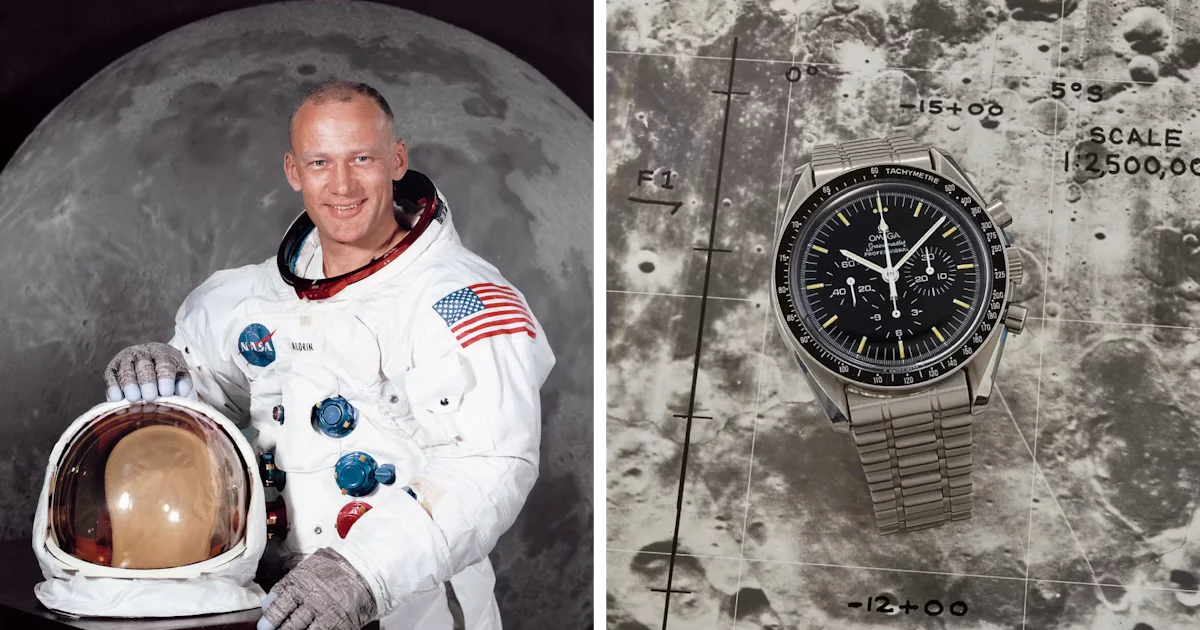
A significant collection of timepieces belonging to Apollo 11 astronaut Buzz Aldrin will be sold at Sotheby's 2026 Space Exploration auction.
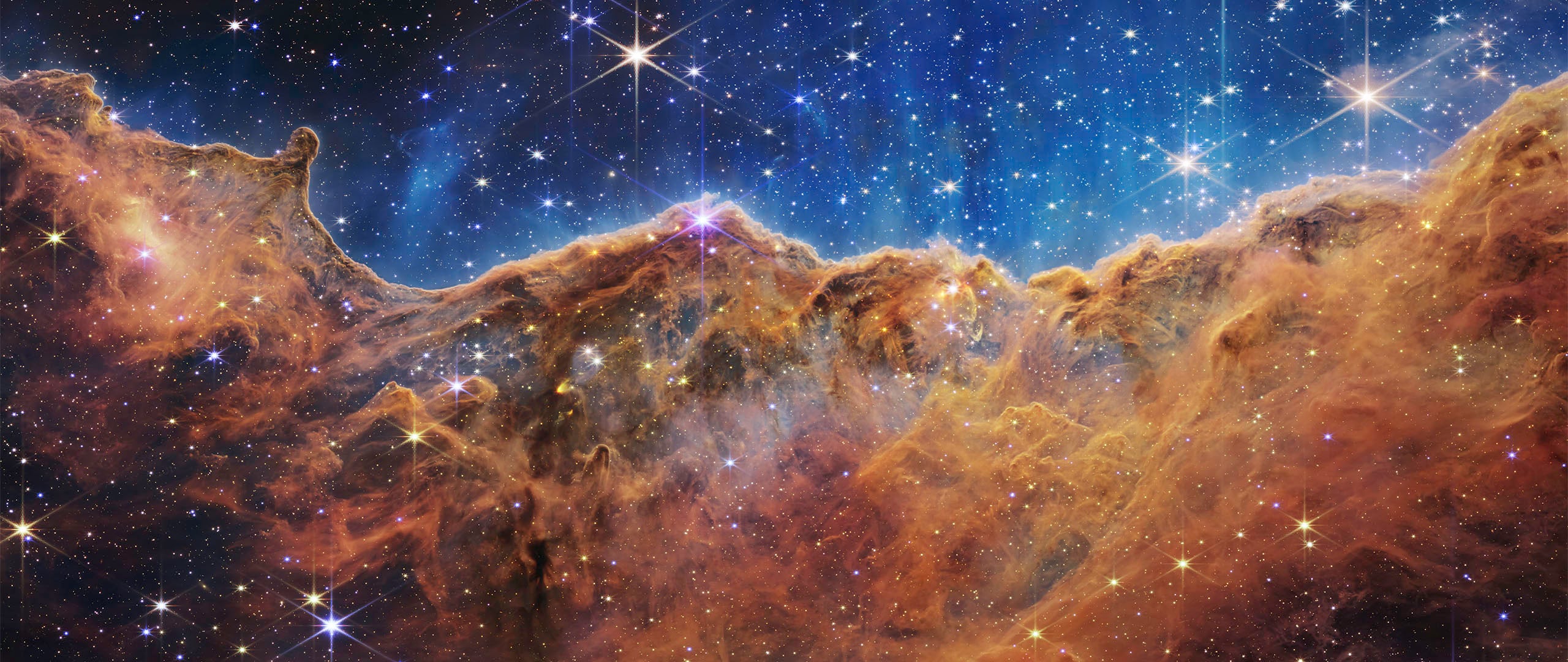
Marking four years of operations, the James Webb Space Telescope has used its infrared capabilities to transform our understanding of the universe.
New research indicates Enceladus possesses a high-energy chemical environment and hydrothermal activity, suggesting its ocean could support biological life.
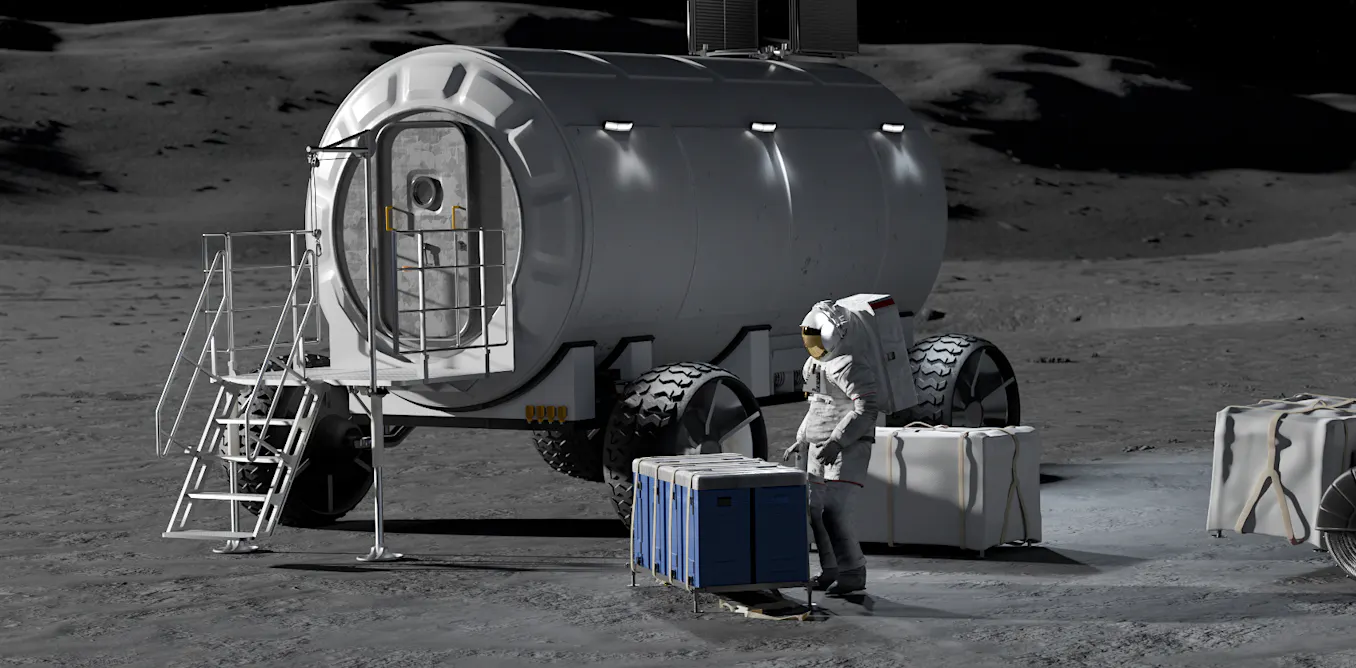
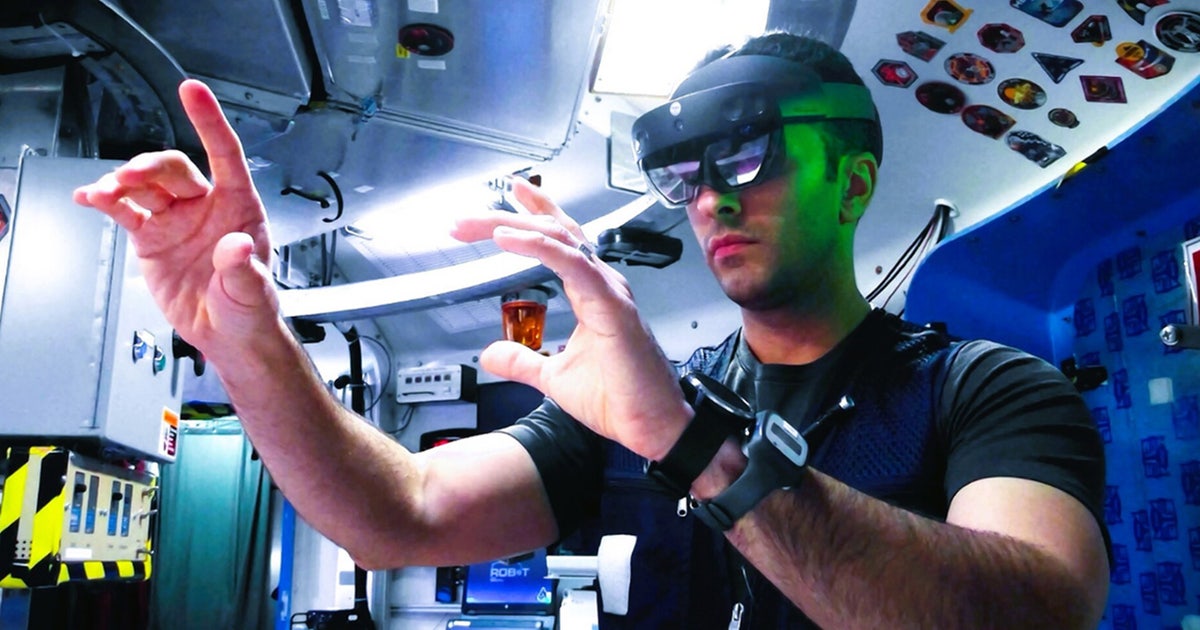
NASA has launched a search for volunteers to inhabit simulated deep-space environments at the Johnson Space Center. This initiative aims to validate essential hardware and health protocols for future lunar and Martian expeditions.
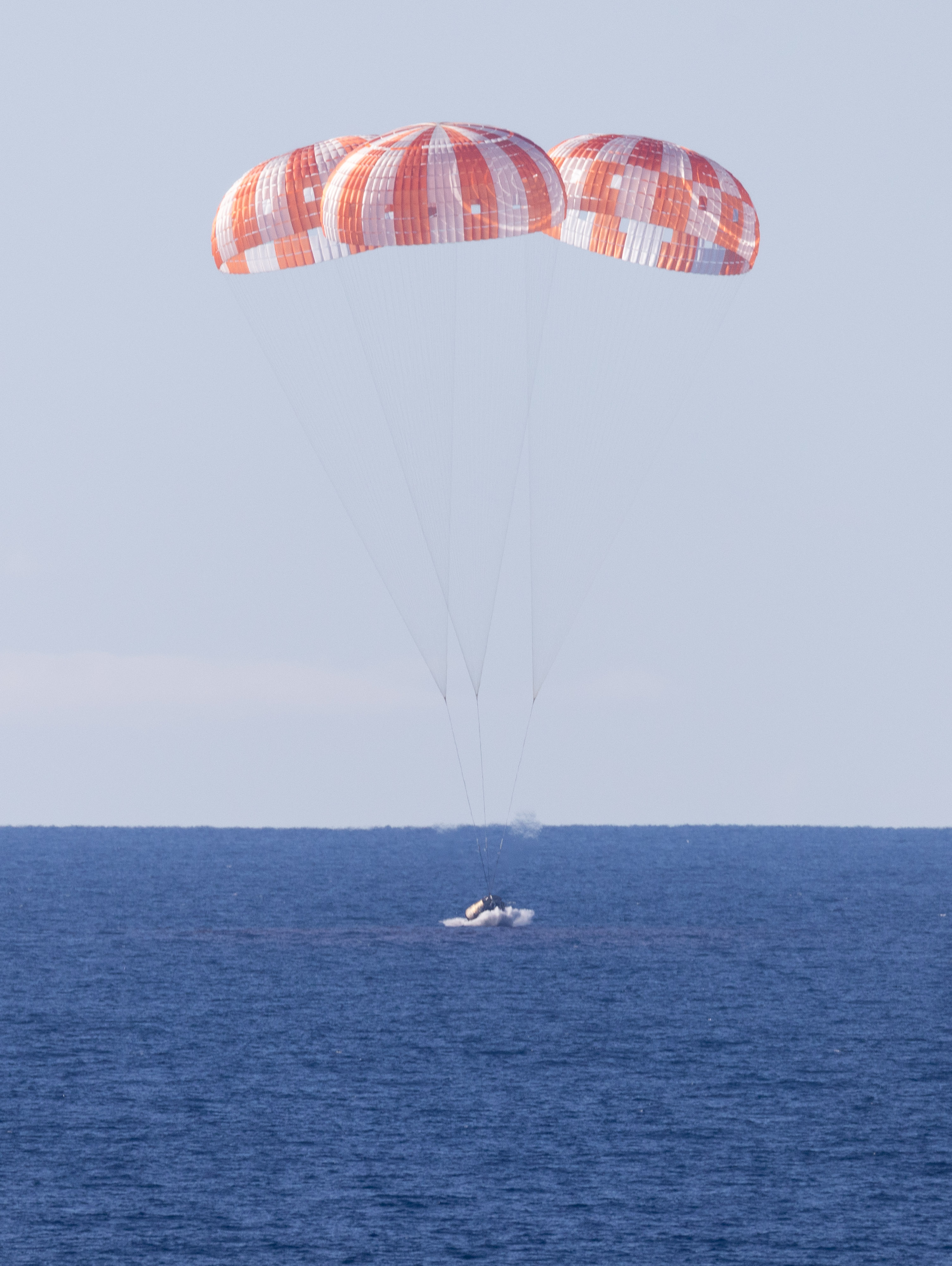
NASA and CSA astronauts returned to the Kennedy Space Center to inspect the Integrity capsule following their historic 252,756-mile lunar mission.
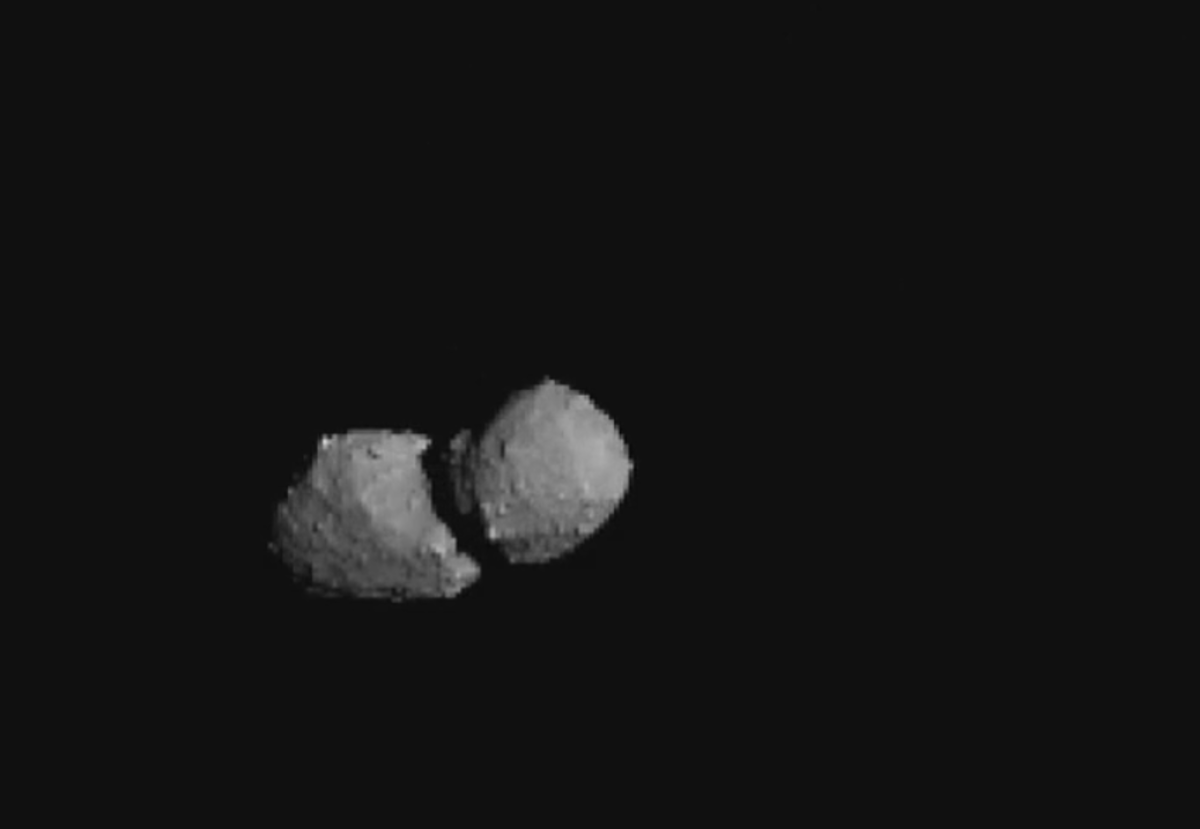
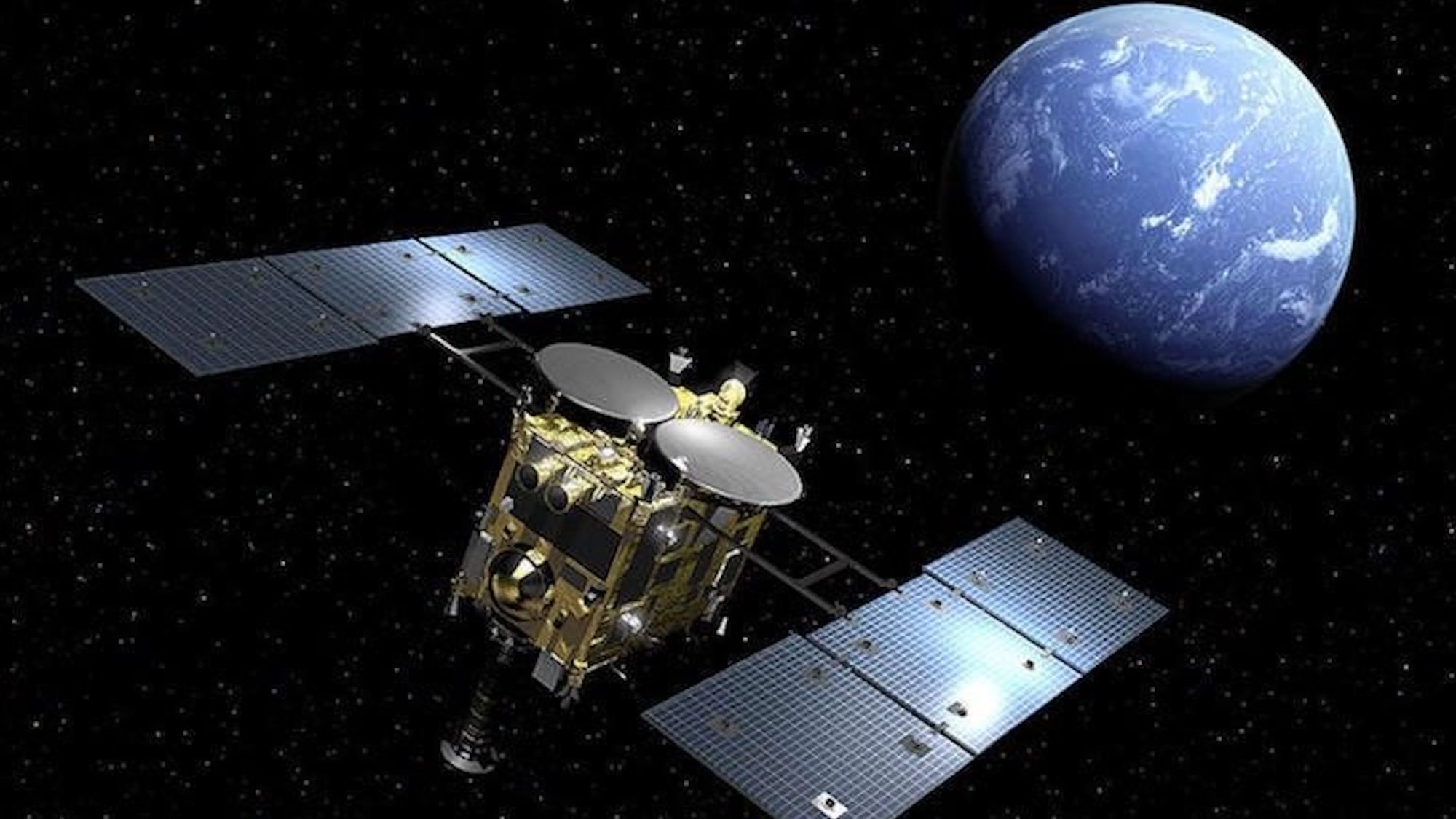
The Hayabusa2 spacecraft successfully completed a high-speed flyby of asteroid Torifune, proving Japan's capability to precisely target near-Earth objects.
JAXA successfully piloted the Hayabusa2 probe through a close-range encounter with asteroid Torifune to refine the precision needed for planetary defense.
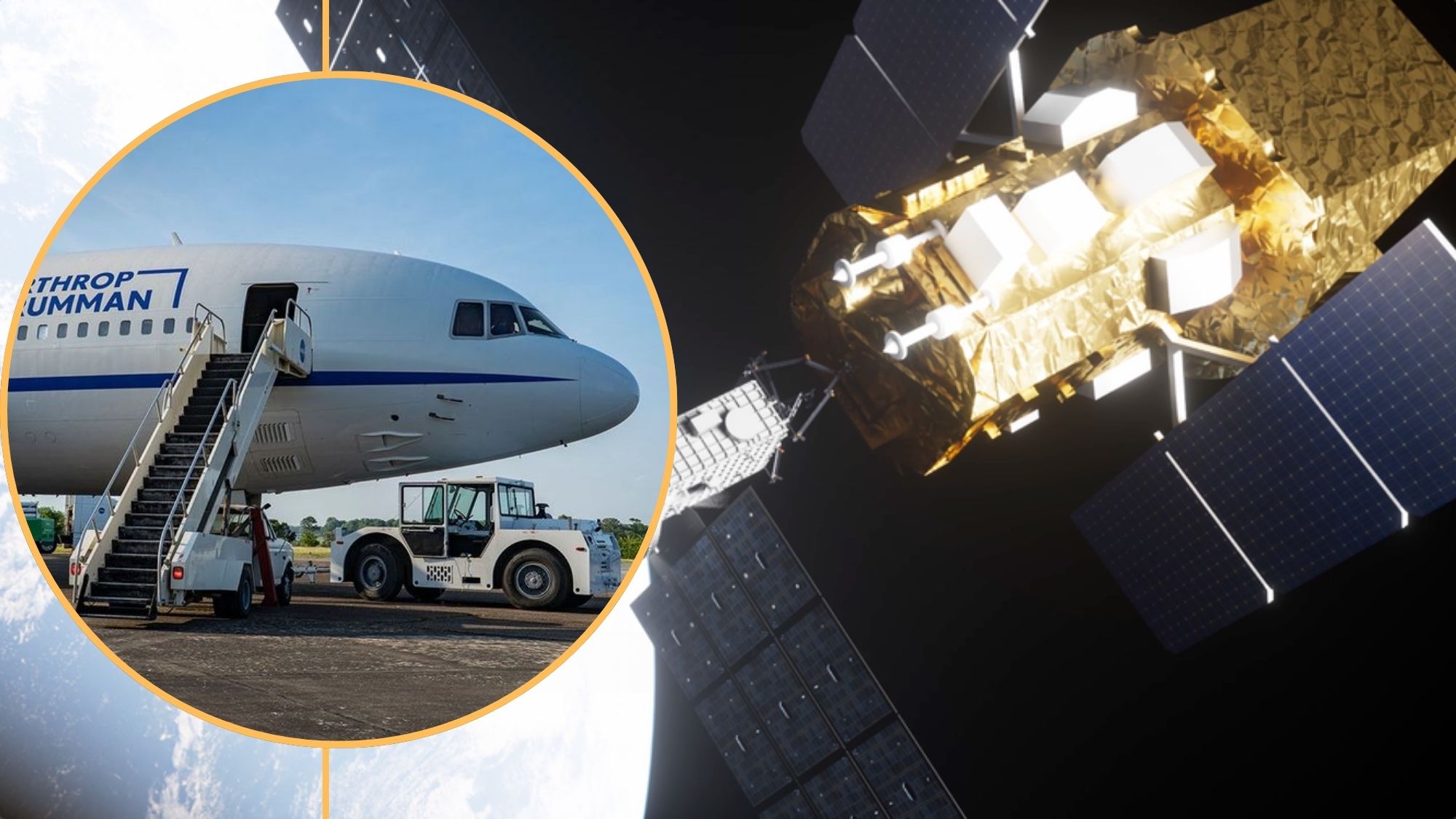
Katalyst Space Technologies has deployed its Link spacecraft to perform a robotic rescue of the Neil Gehrels Swift Observatory. The mission seeks to prevent the telescope from burning up in Earth's atmosphere by boosting it to a higher, stable orbit.
Equipped with the world's largest digital camera, the Vera C. Rubin Observatory in Chile has begun a decade-long project to create a time-lapse of the sky. The survey aims to capture vast amounts of data to help researchers study dark energy, dark matter, and other celestial phenomena.
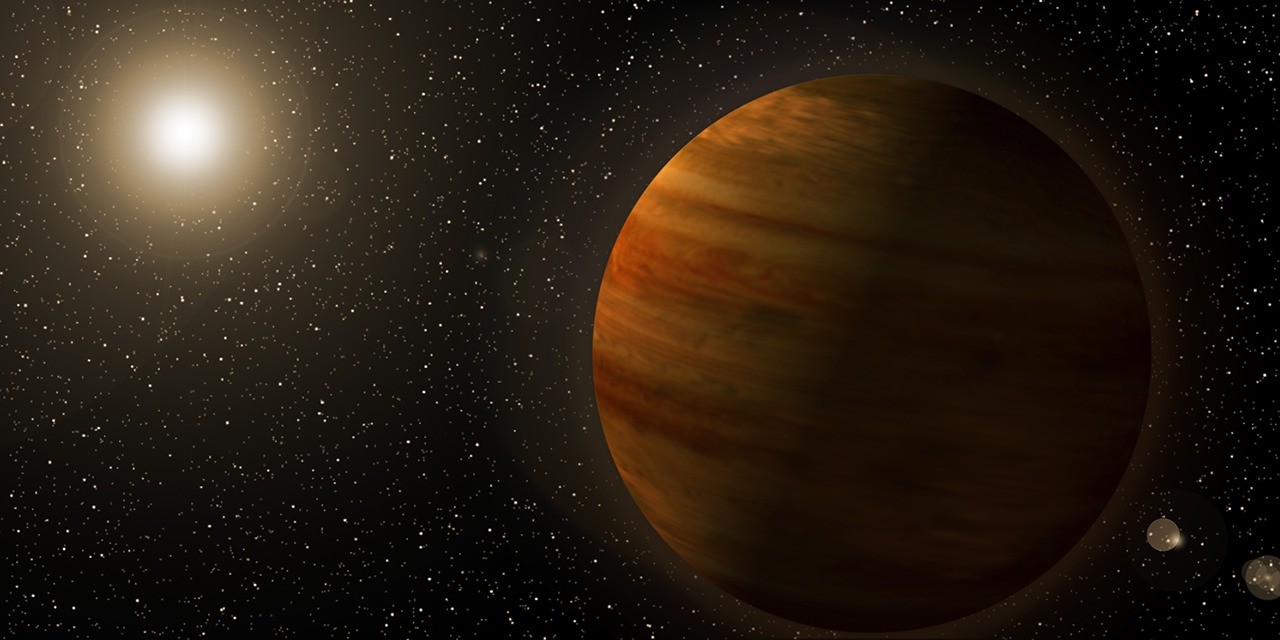
NASA's TESS satellite has successfully utilized gravitational microlensing to discover a super-Jupiter 40,000 light-years away, marking an evolution in its capabilities.
The China National Space Administration is building a comprehensive network of optical telescopes and space-based sensors to detect hazardous asteroids. This system aims to eliminate surveillance blind spots and protect Earth from potential space-borne threats.
New Horizons data reveals a measurable deceleration of the solar wind as it interacts with interstellar gas. This research helps clarify the heliosphere's protective boundary and its role in shielding the solar system.