NASA seeks volunteers for yearlong Moon and Mars mission simulation
NASA has launched a search for volunteers to inhabit simulated deep-space environments at the Johnson Space Center. This initiative aims to validate essential hardware and health protocols for future lunar and Martian expeditions.
As the United States space program pushes toward a permanent lunar presence and prepares for future crewed expeditions to the Red Planet, NASA has opened the search for volunteers to participate in a yearlong simulation of deep space life. This new initiative, the Moon and Mars Exploration Analog, is scheduled to begin no earlier than August 2027 at the Johnson Space Center in Houston, Texas.
The mission integrates the existing frameworks of the Human Exploration Research Analog and the Crew Health and Performance Exploration Analog into a single, comprehensive campaign. By consolidating these environments, the agency intends to streamline how researchers evaluate astronaut adaptation across a full range of flight and surface scenarios. According to NASA, the study is designed to validate hardware, protocols, and systems essential for keeping crews healthy and mission-ready during long-duration deep space travel, all while remaining on Earth.
Related media
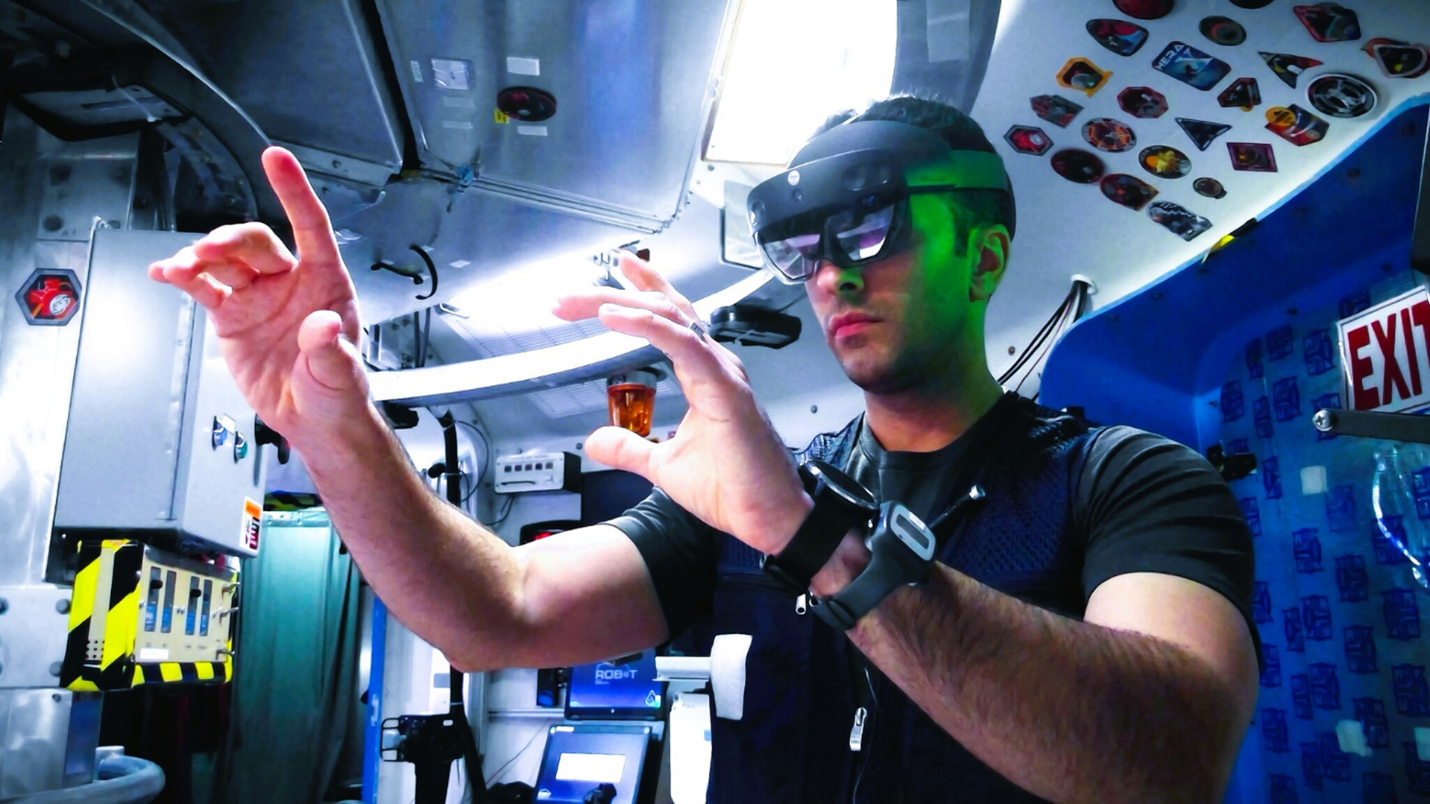
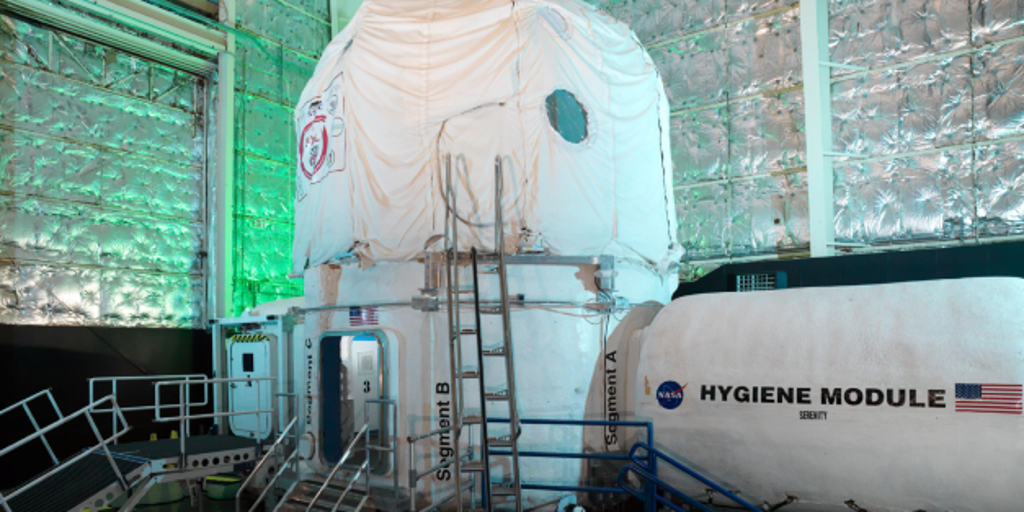
The Mission Environment
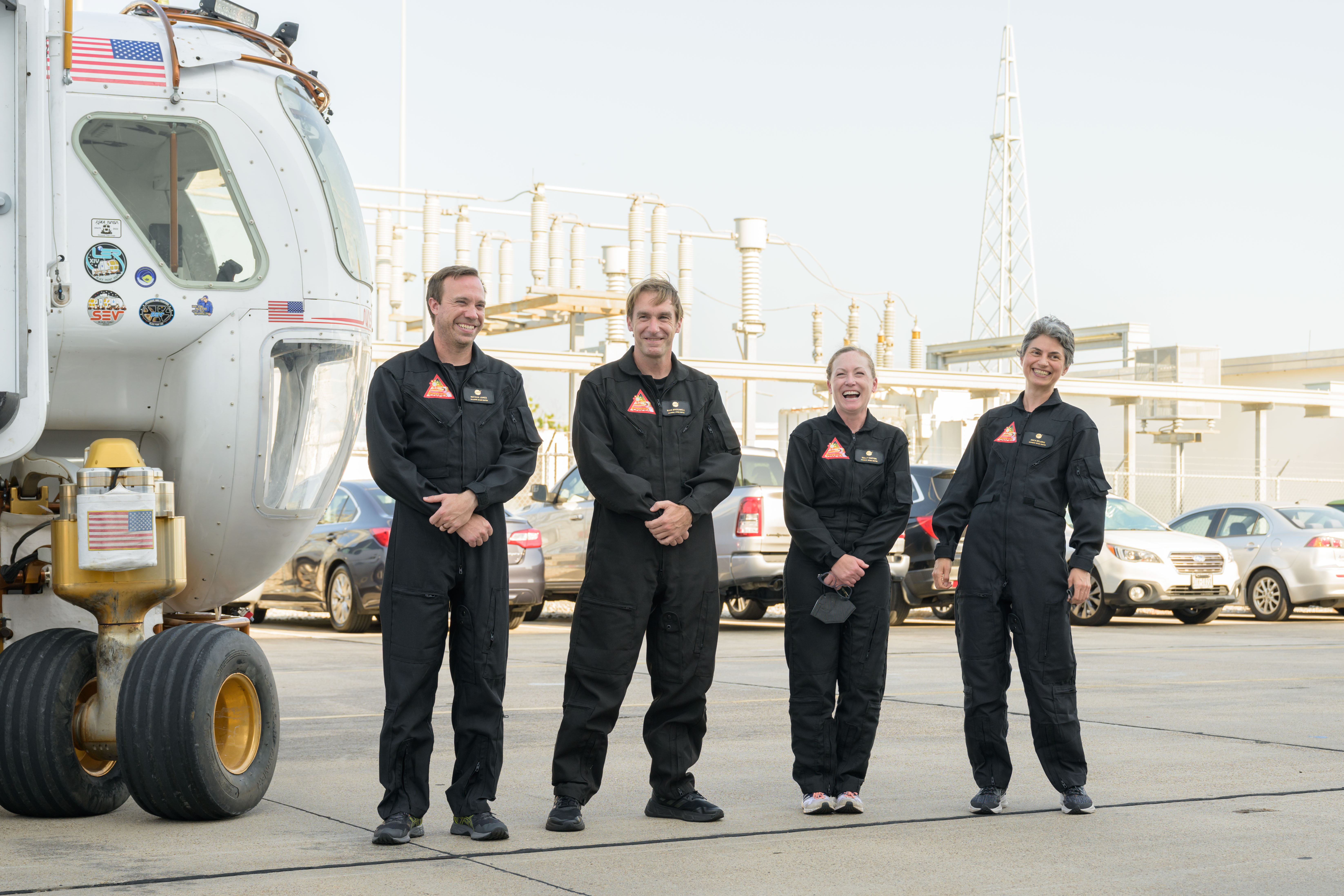
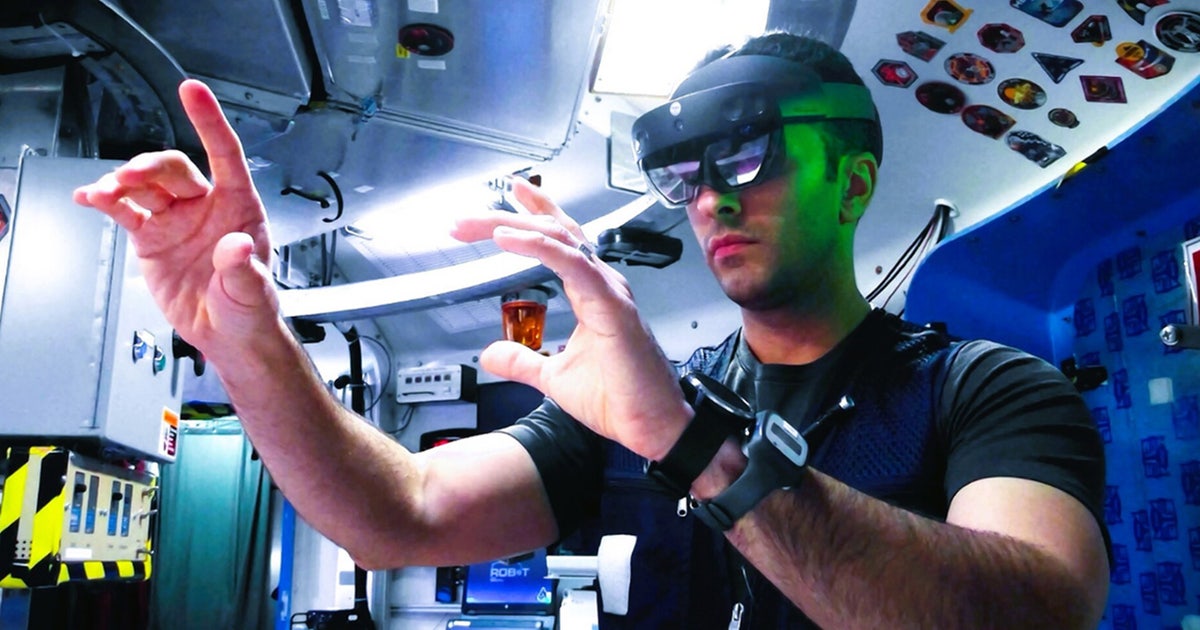
Participants will inhabit two distinct, confined facilities during the yearlong commitment. The first, a two-story, four-port habitat previously used for the Human Exploration Research Analog program, will function as a simulated transit spacecraft mimicking the conditions of deep-space travel. It includes a workspace, living area, sleeping quarters, and a hygiene module. The second phase of the simulation moves to a one-story, 3D-printed surface habitat. This facility includes private crew quarters, a communal workspace, a medical room, a food preparation area, a crop cultivation area, two bathrooms, and an airlock leading to a sandbox designed for simulated spacewalks and rover operations.
Applicant Qualifications
The agency is seeking highly qualified candidates to endure the rigors of isolation. Requirements for the 14-month commitment—which includes 12 months in the habitats and two months of pre- and post-mission training—are rigorous. Applicants must be between the ages of 30 and 55, although candidates outside this range may be considered with additional approvals. Candidates must possess a bachelor's degree in a STEM field, such as engineering, biological science, physical science, or mathematics. Advanced degrees are preferred and may be substituted for professional experience: a master's degree equates to one year of experience, and a doctoral degree equates to three years. Military experience may also be considered as an equivalent to academic or professional experience. All selected candidates must be willing to undergo a multi-day selection process and pass physical and psychological assessments.
Broader Context
This initiative supports the ongoing development of the Artemis program. While the agency continues to plan for a historic crewed lunar landing in 2028, it is simultaneously mapping out the construction of a moon base by 2032. Insights gathered from these simulations are expected to directly inform these plans, ensuring that when astronauts eventually leave for Mars, they are prepared for the realities of resource limitations and extreme isolation. While the agency has stated that participants will be reimbursed, specific details regarding those terms remain subject to restrictions.
What to Watch Next
| Milestone | Expected Timing |
|---|---|
| Artemis III docking tests | 2027 |
| Artemis IV historic lunar landing | 2028 |
| Moon and Mars Exploration Analog Start | No earlier than August 2027 |
| Projected Lunar Base Construction | 2032 |
Individuals interested in contributing to these preparations can direct inquiries to the project's official email address at [email protected] or visit the agency's website for application materials.
How significant is this development?
Contribute your assessment to the aggregated reader intelligence ledger.
Archypedia is dedicated to independent, evidence-backed reporting. This briefing was synthesized from primary source reporting, corroborated across independent newsrooms, and verified against our Editorial Standards.
Transparency record
Evidence behind this report
This report synthesizes 8 distinct sources. Open the source ledger below to compare the underlying coverage.
- nasa.gov
- fox13news.com
- yahoo.com
- foxweather.com
- usatoday.com
- scientificamerican.com
- fox10tv.com
- fox7austin.com
Prepared under the Archypedia Editorial Policy by the Niko Vale editorial desk profile. AI-assisted tools may support drafting and verification; public accountability remains with Archypedia. Report an error.