Rescue mission launches to save NASA telescope that’s falling back to Earth
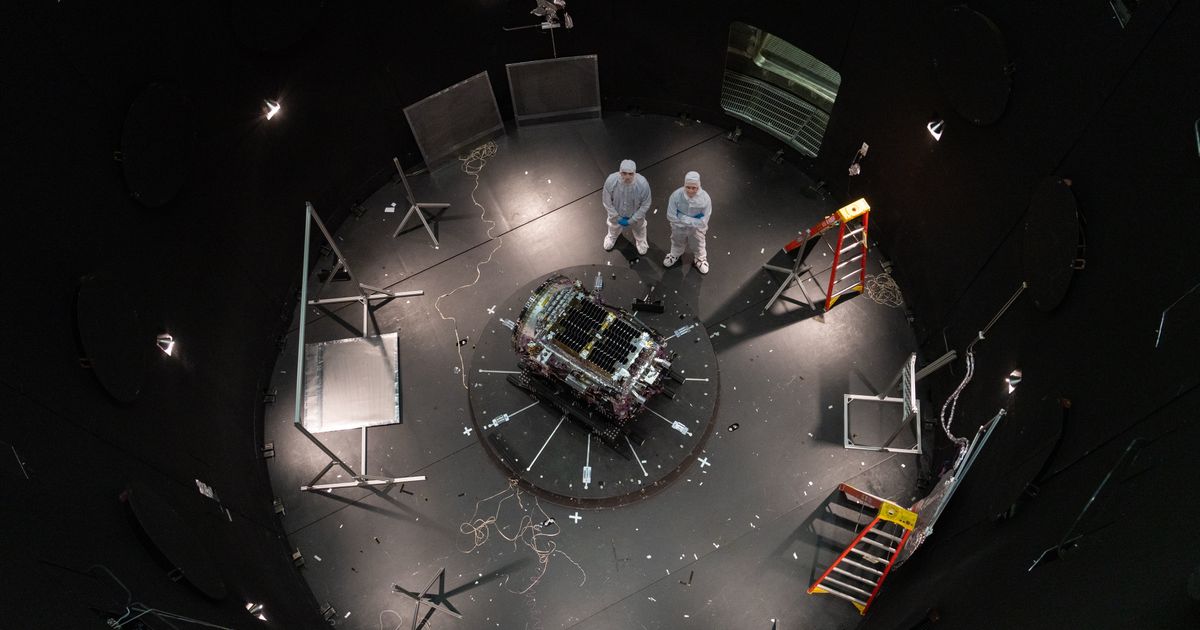
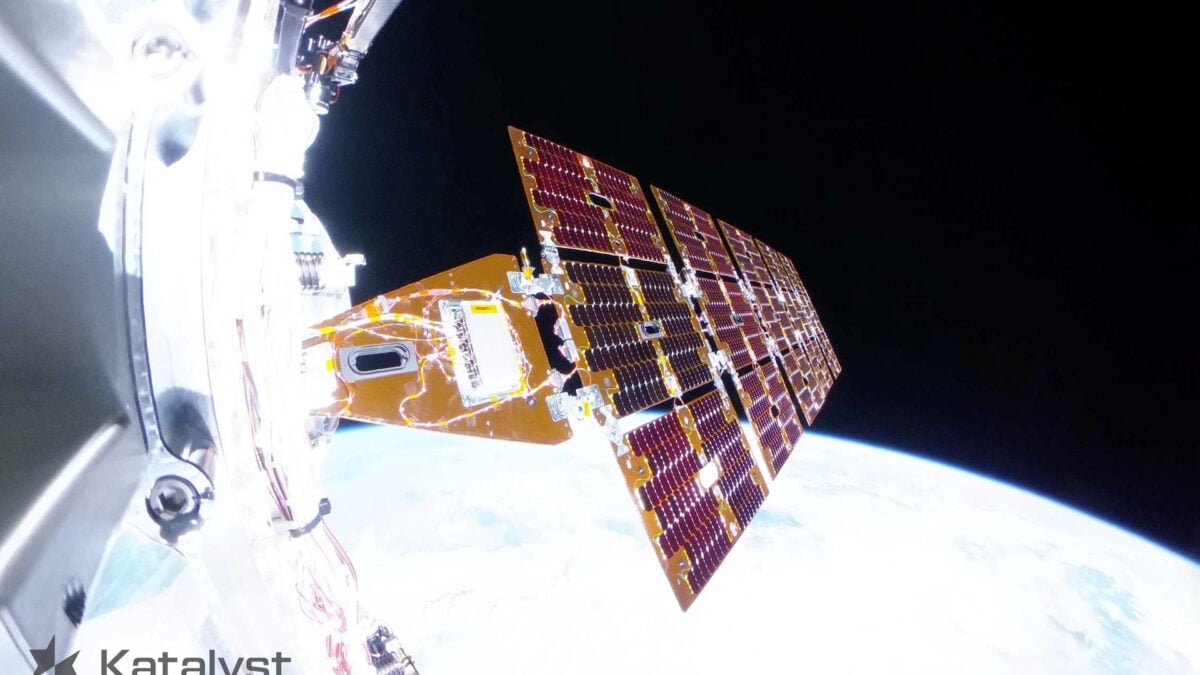
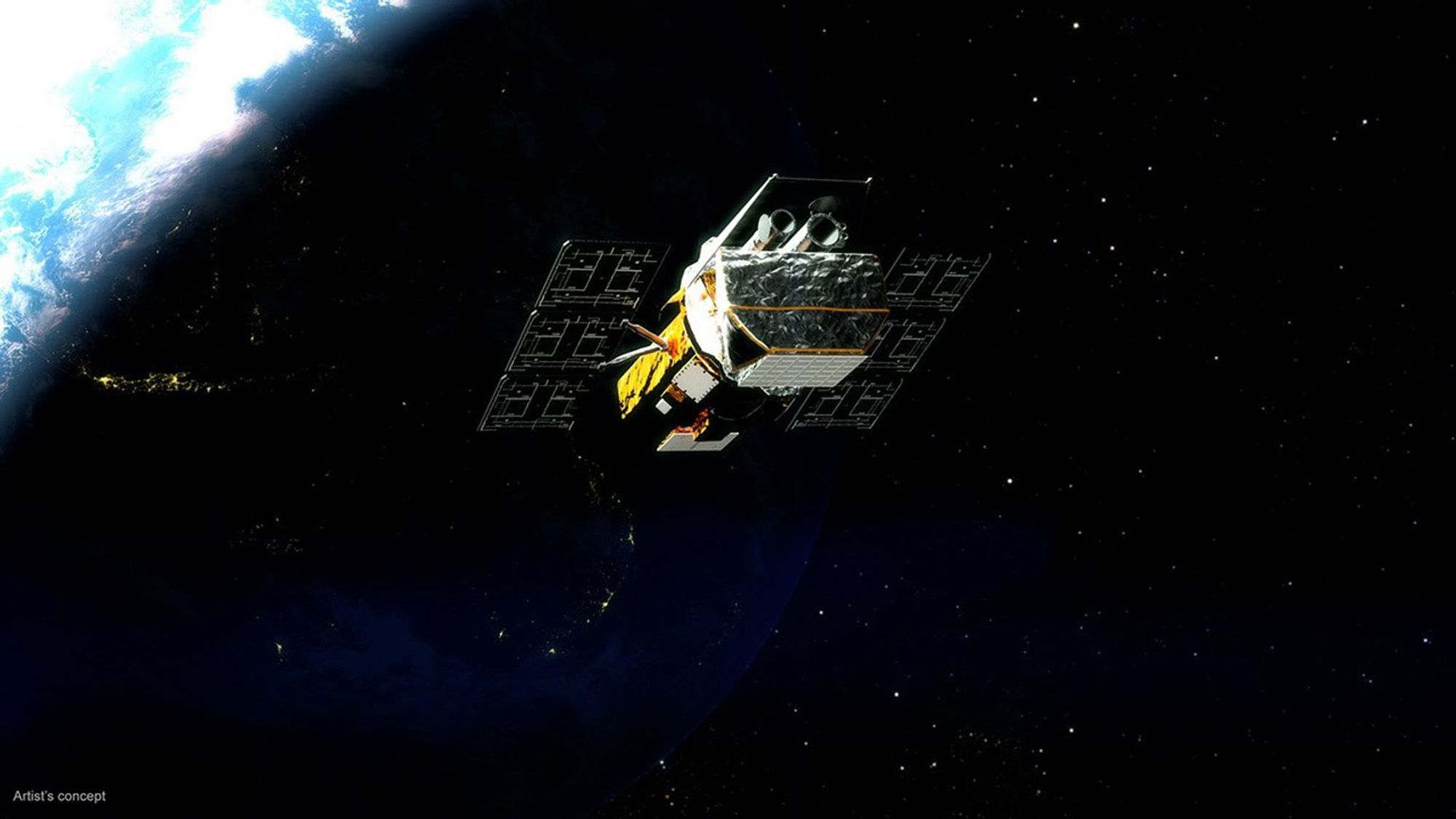
Katalyst Space Technologies has deployed its Link spacecraft to perform a robotic rescue of the Neil Gehrels Swift Observatory. The mission seeks to prevent the telescope from burning up in Earth's atmosphere by boosting it to a higher, stable orbit.
A specialized robotic mission successfully lifted off from the Pacific on Friday, 3 July 2026, marking a critical step in a race to prevent the Neil Gehrels Swift Observatory from burning up in Earth’s atmosphere. The mission features a private spacecraft, dubbed Link, which was engineered by Katalyst Space Technologies to capture and boost the aging telescope into a stable, higher orbit.
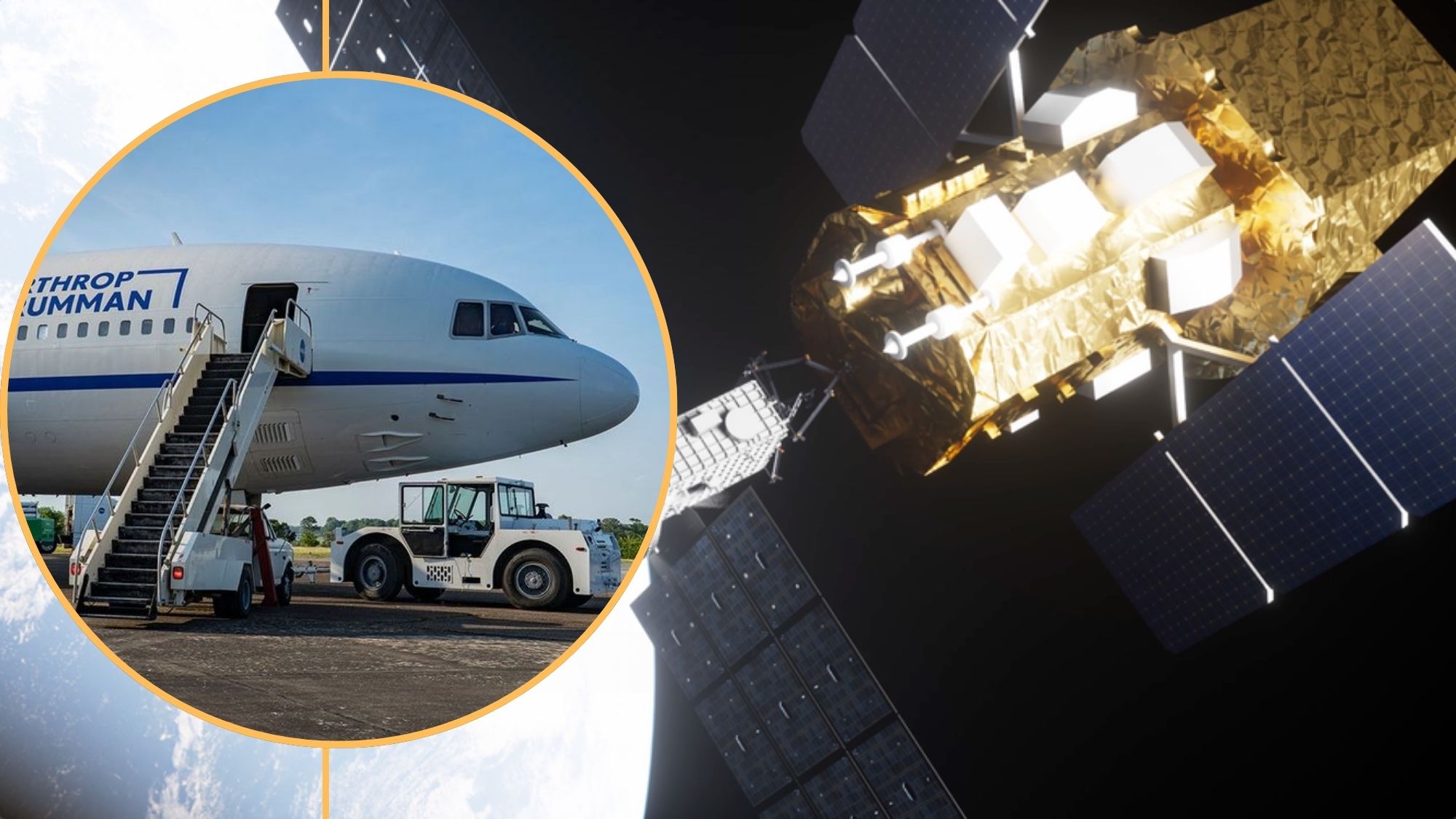
The mission launched at 4:36 a.m. EDT (0836 GMT) after previous attempts were hindered by inclement weather and software issues. The Link spacecraft was carried into the sky by a Northrop Grumman Pegasus XL rocket, which was air-launched from the belly of a modified L-1011 Stargazer aircraft above the Marshall Islands. According to NASA, this unique approach allows the vehicle to reach the low 20.6-degree orbital inclination required to rendezvous with the observatory.
Related media
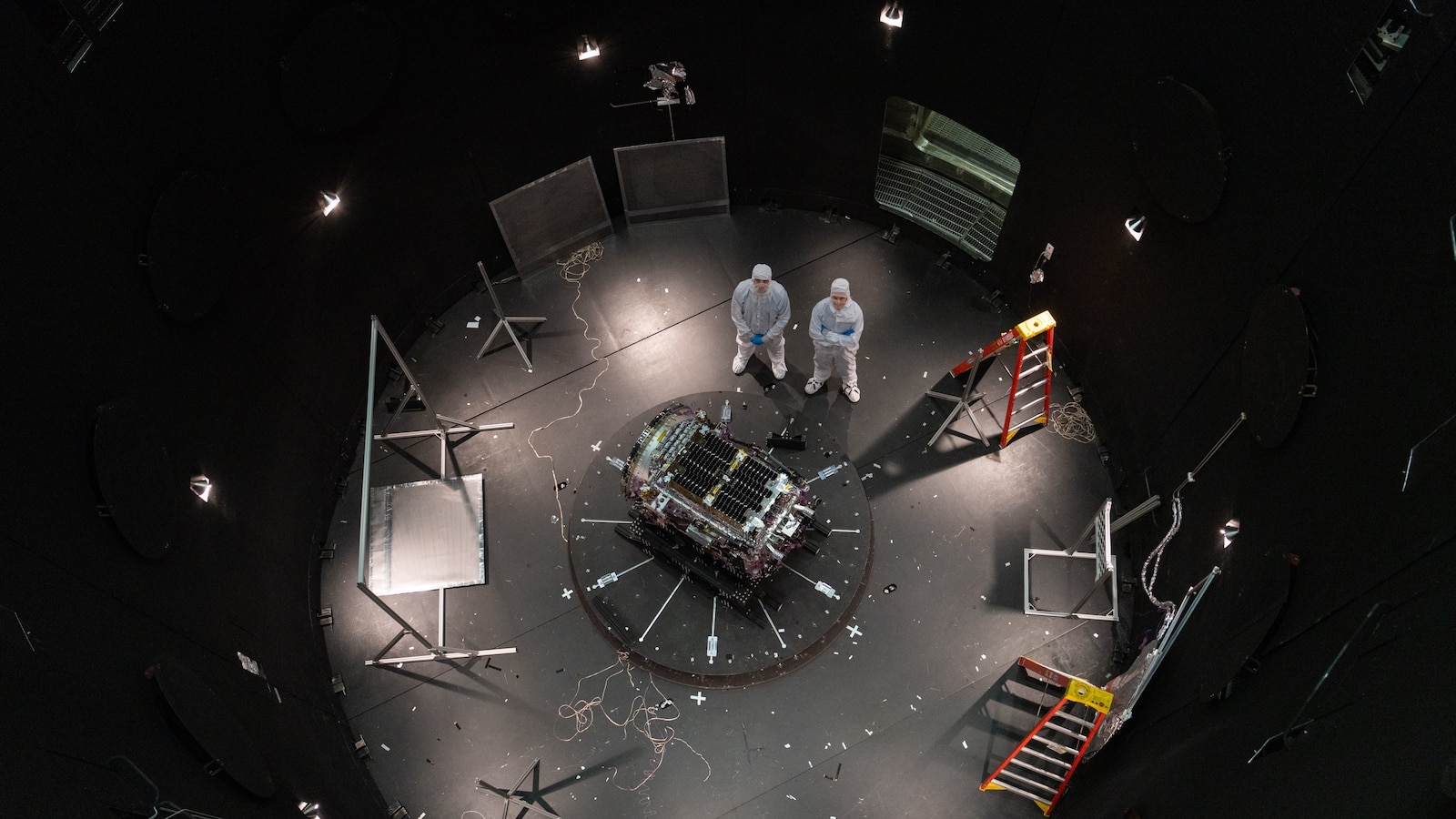
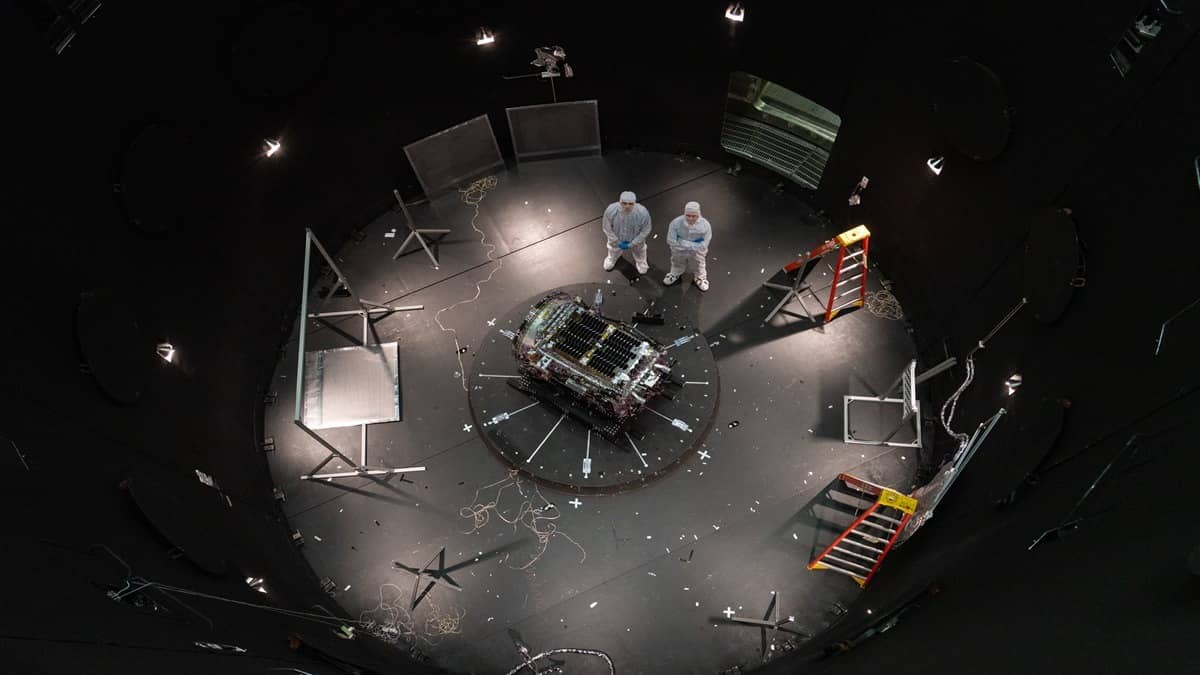

Launched in 2004, the Swift telescope has spent more than two decades tracking gamma-ray bursts—high-energy signals linked to the death of massive stars. However, increased solar activity since 2024 has caused Earth’s atmosphere to expand, creating significant drag at lower altitudes. This orbital decay accelerated recently, leaving the 1.4-metric-ton observatory at risk of an uncontrolled atmospheric re-entry as early as October 2026.
An Unprecedented Robotic Rescue
Because the telescope lacks docking ports or built-in grappling fixtures, Katalyst designed the Link spacecraft with three robotic arms. After conducting initial system checks over the next several weeks, Link is expected to spend approximately one month maneuvering toward the observatory. Once close, it will perform detailed surveys to identify secure attachment points on the telescope’s structure before initiating a slow, controlled boost. This strategy is intended to avoid damaging the observatory's sensitive scientific instruments.
Katalyst Space Chief Executive Ghonhee Lee characterized the operation as a high-risk, high-reward mission
that prioritizes intervention over the loss of a major research asset. The project was completed under an intense nine-month development timeline following a $30 million contract awarded by NASA in September 2025.
Strategic Importance of the Mission
Scientific operations for the observatory are currently suspended. According to Brad Cenko, the principal investigator for Swift at NASA’s Goddard Space Flight Center, the telescope serves as a critical first responder
in the scientific community, capable of rapidly swiveling to capture fleeting cosmic events. Its loss would leave a significant gap in the global capability to monitor high-energy astrophysical phenomena. To preserve its remaining altitude, ground teams have previously modified the satellite's orientation to minimize atmospheric drag.
NASA is using the Swift Boost mission to demonstrate a servicing capability that could potentially be applied to other assets. Experts noted that the Hubble Space Telescope is also experiencing declining altitude due to atmospheric drag, suggesting that successful salvage operations could become a standard practice for extending the lifespan of long-running space missions.
Key Mission Milestones
- Current Status: Link is in orbit and awaiting initial contact to confirm power system and solar panel deployment.
- Rendezvous: Projected to occur in approximately one month.
- Capture Mechanism: Robotic arms will be used to grip the observatory, avoiding damaging contact with sensitive scientific instruments.
- Objective: To raise the current 360-kilometer altitude by 240 kilometers, returning it to its original position.
- Recovery: If successful, full scientific data collection could resume by September 2026.
While the mission faces significant technical challenges, NASA officials emphasize that the current strategy is the most viable path to maintaining the observatory’s functionality. If the rendezvous and subsequent boost proceed as planned, the observatory could potentially remain operational for several additional years.
How significant is this development?
Contribute your assessment to the aggregated reader intelligence ledger.
Archypedia is dedicated to independent, evidence-backed reporting. This briefing was synthesized from primary source reporting, corroborated across independent newsrooms, and verified against our Editorial Standards.
Transparency record
Evidence behind this report
This report synthesizes 9 distinct sources. Open the source ledger below to compare the underlying coverage.
- space.com
- latimes.com
- abcnews.com
- republicworld.com
- apnews.com
- usatoday.com
- nypost.com
- sciencenews.org
- livescience.com
Prepared under the Archypedia Editorial Policy by the Niko Vale editorial desk profile. AI-assisted tools may support drafting and verification; public accountability remains with Archypedia. Report an error.