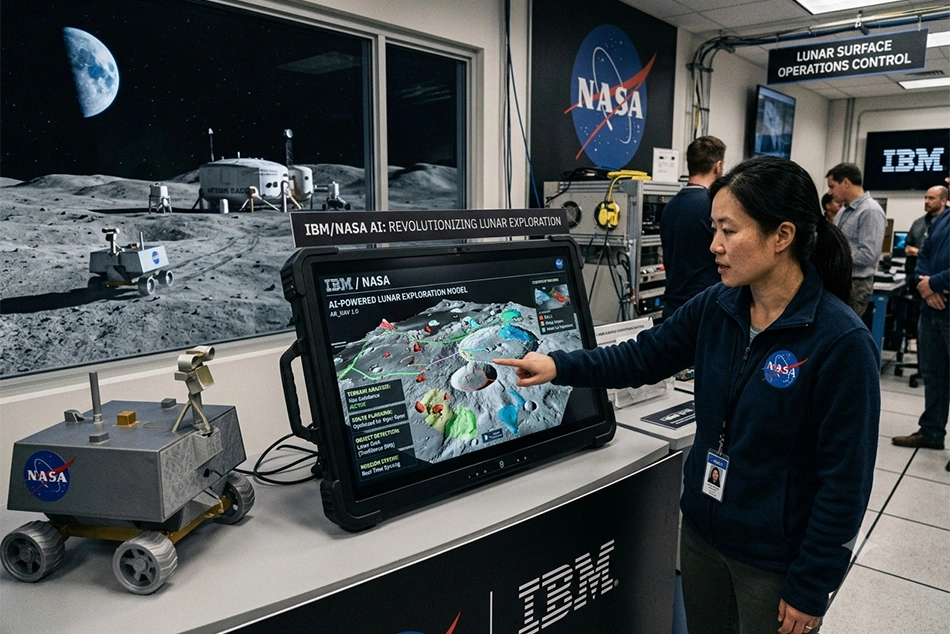
US and China face potential land grab competition over lunar south pole resources
The race for the lunar south pole involves U.S. and Chinese efforts to secure critical resources, potentially shaping the governance of cislunar space.
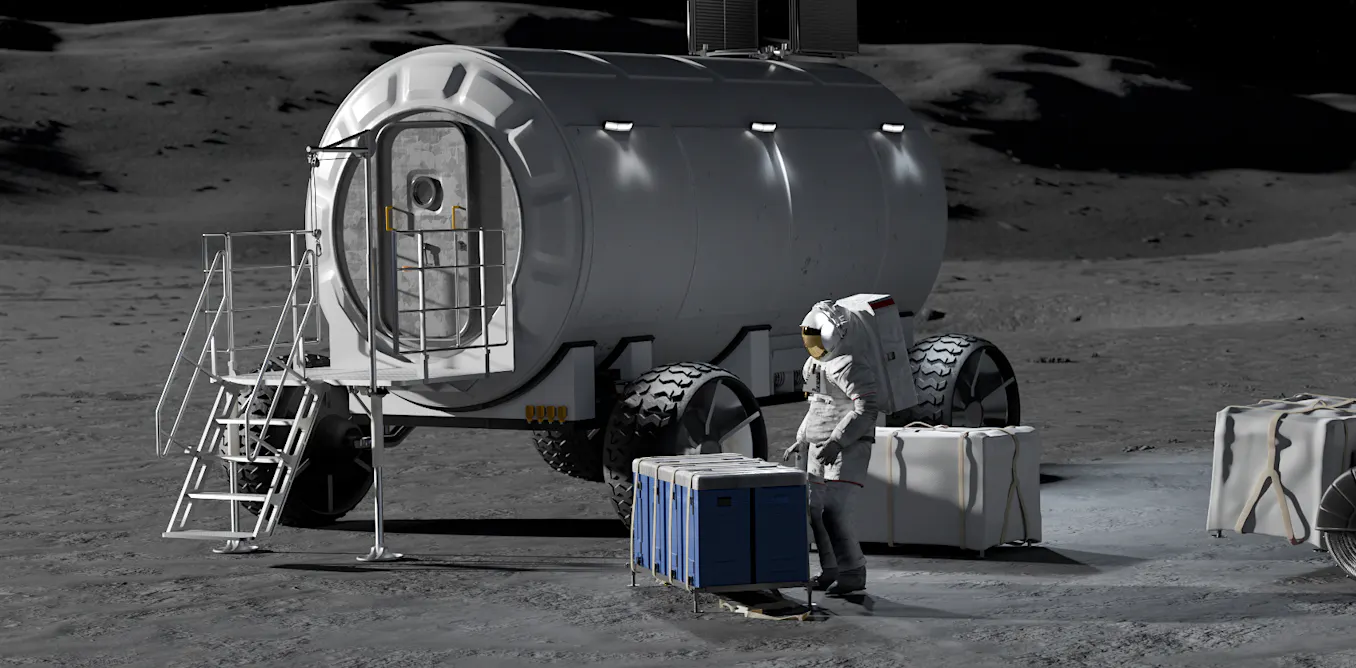
The race to the lunar south pole has intensified as the United States and China position themselves to claim strategic footholds on the moon. With the moon’s south polar region identified as a hub for critical resources, including water ice that can be converted into rocket fuel and oxygen, both nations view the area as a vital asset for long-term space exploration and economic potential. This competition marks a shift from the temporary missions of the past to a sustained effort to establish infrastructure, research bases, and operational precedents that may dictate the governance of cislunar space for decades.
The U.S. Approach centers on the Artemis program, a multi-phased effort designed to return humans to the lunar surface. Central to this strategy is the development of a lunar-orbiting station known as the Gateway and a surface-based camp. The U.S. Is increasingly relying on public-private partnerships to achieve these goals, contracting firms such as SpaceX and Blue Origin to provide human landing systems. While NASA continues to develop the Space Launch System (SLS) and the Orion spacecraft, reliance on commercial partners has introduced new variables regarding timelines and regulatory oversight.
Related media

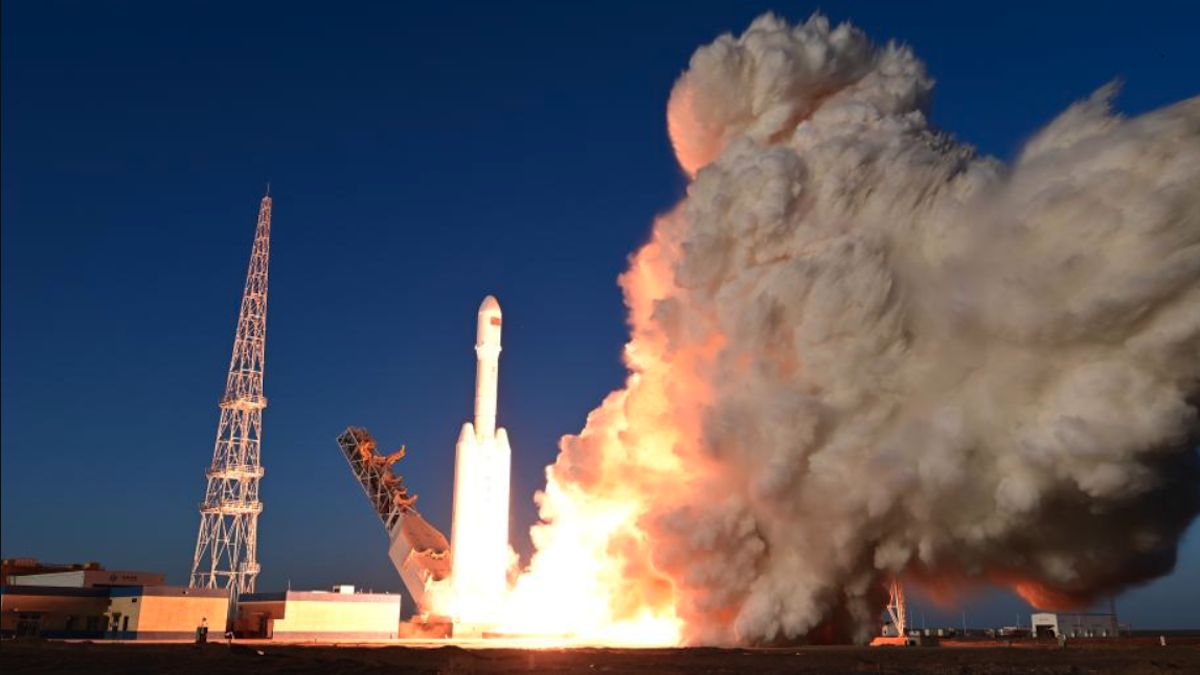
In contrast, China is pursuing a state-directed, incremental strategy. Building on the success of its Chang'e lunar program, Beijing is developing the Long March 10 rocket family and the Mengzhou crew capsule to support a target of landing taikonauts on the moon by 2030. China has formally partnered with Russia to develop the International Lunar Research Station (ILRS), a facility planned for construction beginning in 2035. Unlike the U.S.-led Artemis Accords, which prioritize transparency and non-binding cooperation among a coalition of nations, the ILRS coalition includes a distinct group of international partners, reflecting a broader geopolitical realignment in space exploration.
Lunar South Pole Competition: Key Milestones and Timelines
| Mission/Program | Primary Goal | Target Window |
|---|---|---|
| Artemis II | Crewed lunar flyby | April 2026 |
| Artemis III | First crewed landing at south pole | Mid-2027 |
| China Crewed Landing | First Chinese moon landing | By 2030 |
| ILRS Construction | Lunar base initiation | 2035 |
The urgency of the current race is driven by the limited availability of prime locations. Because certain lunar craters are permanently shadowed, they trap ice deposits that have remained untouched for billions of years. Access to these specific locations is perceived as a "first-come, first-served" scenario. While the 1967 Outer Space Treaty prohibits national sovereignty claims on celestial bodies, the lack of consensus on whether resource extraction constitutes appropriation has created a legal gray area.
Strategic disagreements persist regarding the nature of this competition. Some experts characterize it as a "marathon" for sustained presence and influence, while others note that the political pressure to land first creates a "sprint" dynamic. Concerns have been raised by figures such as Dean Cheng of the Potomac Institute for Policy Studies, who suggests that the country that builds the first sustained base will set the technical and linguistic standards for future lunar operations, potentially displacing Western influence in space communications and data formats.
Looking ahead, the focus remains on the lunar south pole as a "gas station in the sky." As both nations work to transition from robotic scouts to permanent human outposts, the coming decade is expected to determine the operational norms of the solar system.
Archypedia is dedicated to independent, evidence-backed reporting. This briefing was synthesized from primary source reporting, corroborated across independent newsrooms, and verified against our Editorial Standards.
Transparency record
Evidence behind this report
This report synthesizes 12 distinct sources. Open the source ledger below to compare the underlying coverage.
- theconversation.com
- cbc.ca
- govfacts.org
- asiatimes.com
- yahoo.com
- tech.yahoo.com
- m.dailyhunt.in
- uk.news.yahoo.com
- foxnews.com
- theguardian.com
- spaceeconomyinstitute.com
- latimes.com
Prepared under the Archypedia Editorial Policy by the Niko Vale editorial desk profile. AI-assisted tools may support drafting and verification; public accountability remains with Archypedia. Report an error.