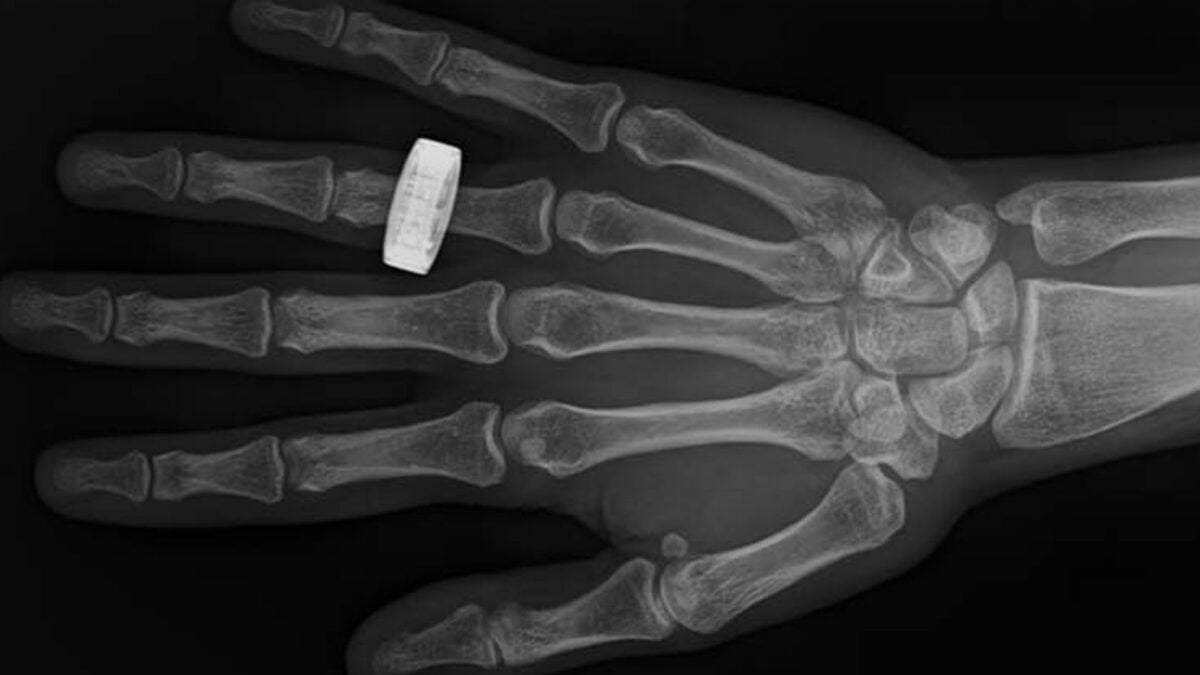
SpaceX crew completes first successful diagnostic X-rays in orbit
A commercial crew aboard the Fram2 mission has successfully captured the first diagnostic-quality X-rays in orbit using an ultraportable wireless system. This milestone demonstrates the potential for portable radiography to support both human health and equipment testing in microgravity.

For more than four decades, medical imaging in orbital spaceflight has been restricted to ultrasound technology. That limitation has now been breached. Following a successful pilot test on a parabolic flight in 2022, a commercial crew aboard the Fram2 mission has successfully captured the first diagnostic-quality X-rays in orbit, according to results published July 14, 2026, in the journal Radiology.
The study, which details the performance of a portable radiography system used during the March 31, 2025, mission, marks a shift for aerospace medicine. As Space agencies plan for long-duration missions to the Moon and beyond, the ability to rapidly diagnose injuries — such as bone fractures — without relying on heavy, traditional clinical equipment is considered essential.
Related media
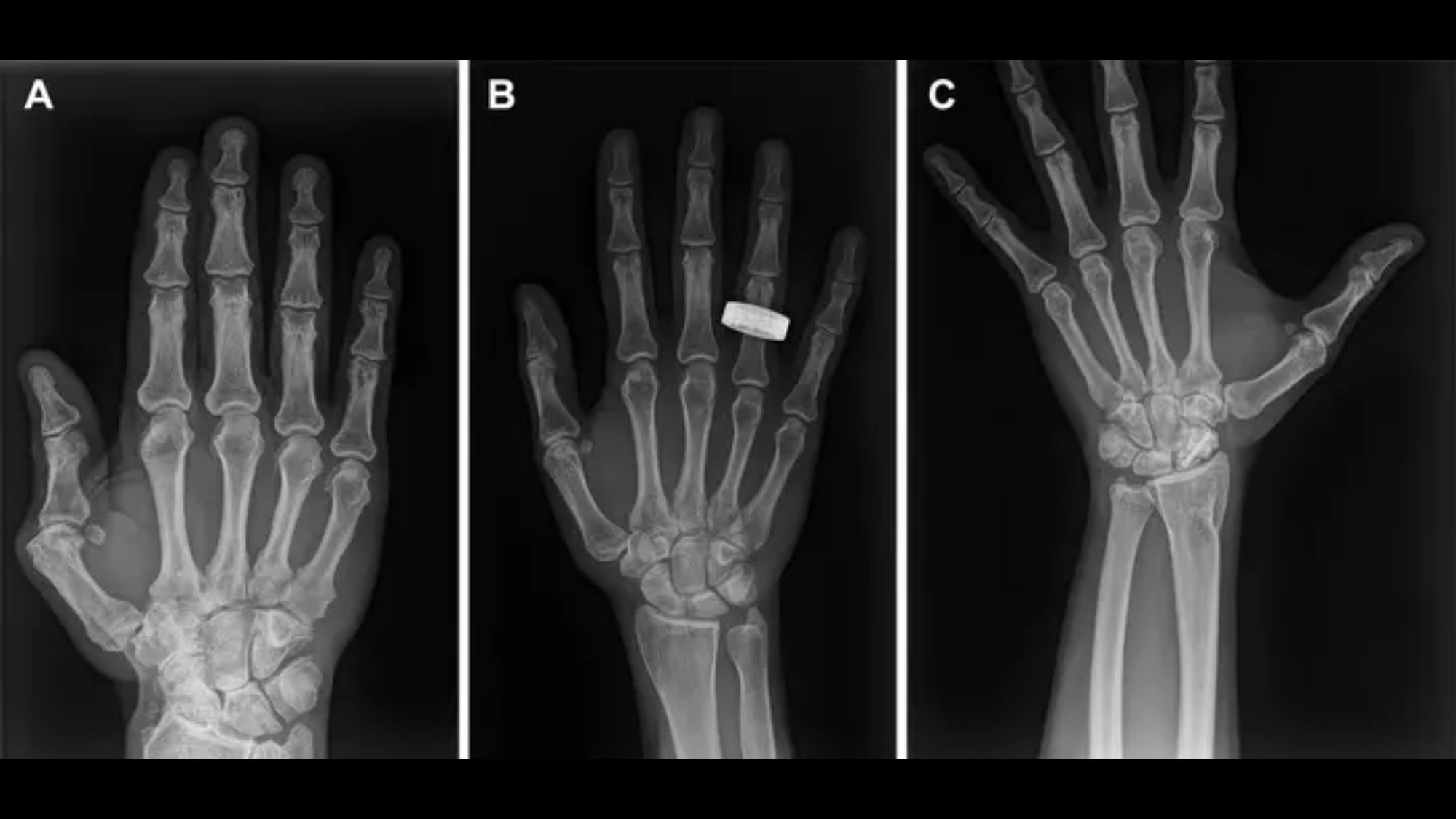
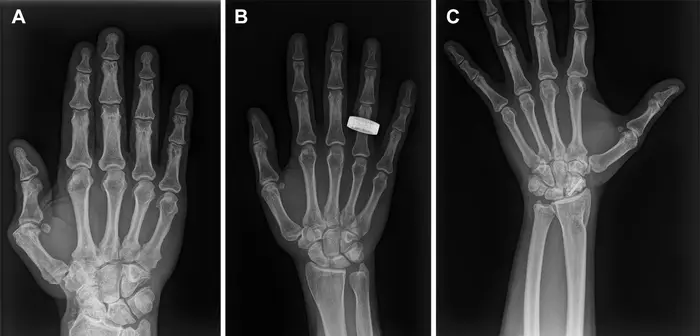
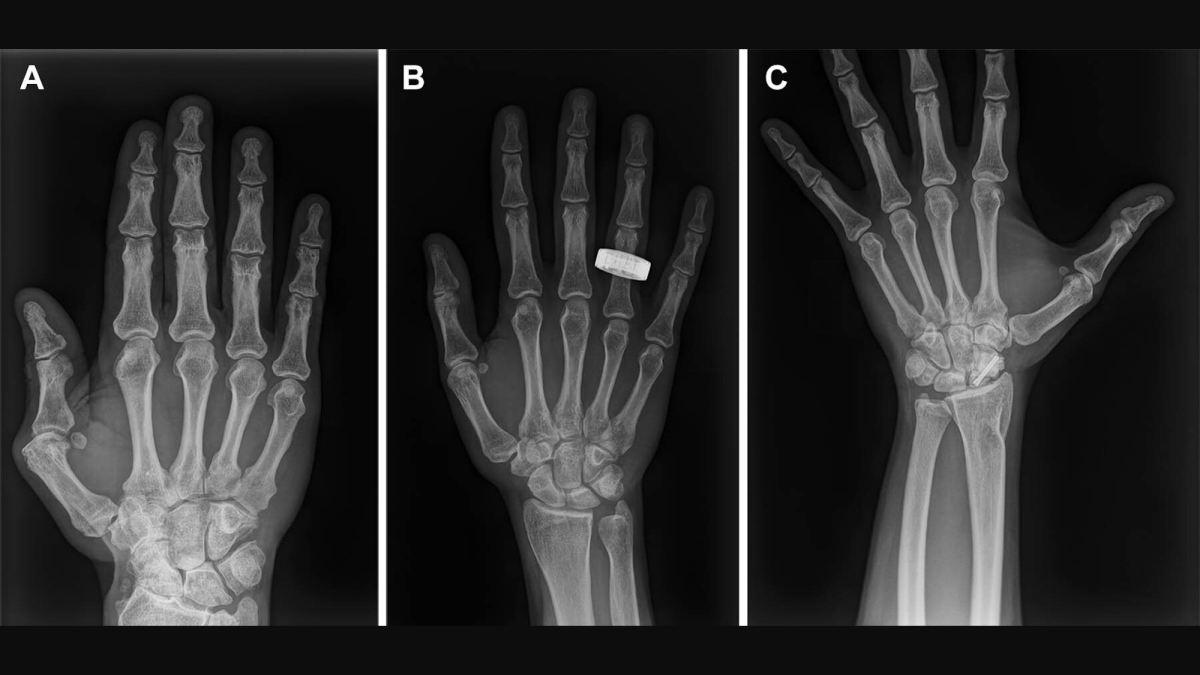
According to the Radiological Society of North America, the diagnostic potential of the system extends well beyond human health. The crew, none of whom were medical professionals, used an ultraportable wireless digital X-ray generator to scan not only human body parts, including the chest, pelvis, abdomen, forearm, and hand, but also a smartwatch. This secondary testing demonstrates the technology’s utility for non-destructive testing, allowing astronauts to examine electronics, spacesuits, or satellite components for internal damage without disassembly.
"It’s been a dream for aerospace medicine to have more than one imaging modality for diagnosing illnesses and injuries in space. X-rays are fast, easy and diagnostically valuable."
Sheyna Gifford, lead researcher and assistant professor of aerospace medicine at Mayo Clinic, via RSNA
Operational Challenges in Microgravity
Traditional X-ray machines are historically avoided in space due to their size, energy requirements, and sensitivity to the movement inherent in microgravity. To overcome these barriers, the team utilized a commercial off-the-shelf system, specifically a unit from MinXray. Prior to the mission, the four crew members underwent only four hours of training to operate the device.
The mission, which spanned three days and 14 hours, reached a 90-degree orbit at an altitude of 425 to 450 kilometers. Despite the harsh environment, the study found no statistical difference in spatial or contrast resolution between preflight and in-flight images. However, researchers noted that positioning the patient and equipment for central body images, specifically the chest, abdomen, and pelvis, proved more difficult in microgravity than imaging the extremities.
While the X-ray generator sustained minor structural damage during the landing and recovery process on April 4, 2025, internal hardware and image output remained fully functional, confirming the system's durability.
Future Implications and Next Steps
The success of the Fram2 study suggests that portable radiography could soon become standard equipment for deep-space exploration. Experts point to several areas requiring further development before the technology is fully integrated into mission protocols:
- Miniaturization: While considered portable by clinical standards, the device must be reduced further in volume and mass to justify its footprint on long-duration craft.
- Hardening: Future systems will require greater protection against vacuum environments and the physical stresses of launch and reentry.
- Usability: Crew members recommended integrating specialized clamps or mounting mechanisms to stabilize the detector and generator, which would mitigate the difficulties of patient positioning in weightless conditions.
By validating the use of autonomous, solar-powered X-ray systems, researchers believe the technology could be deployed to improve diagnostic access in rural or resource-limited settings on Earth, potentially transforming how trauma and disease are managed in remote environments.
For now, the focus shifts to establishing standardized guidelines for image interpretation and clinical baselines for future lunar and Martian surface operations.
Archypedia is dedicated to independent, evidence-backed reporting. This briefing was synthesized from primary source reporting, corroborated across independent newsrooms, and verified against our Editorial Standards.
Transparency record
Evidence behind this report
This report synthesizes 11 distinct sources. Open the source ledger below to compare the underlying coverage.
- finance.biggo.com
- rsna.org
- euronews.com
- space.com
- labroots.com
- popsci.com
- itnonline.com
- sciencealert.com
- yahoo.com
- miragenews.com
- minxray.com
Prepared under the Archypedia Editorial Policy by the Niko Vale editorial desk profile. AI-assisted tools may support drafting and verification; public accountability remains with Archypedia. Report an error.