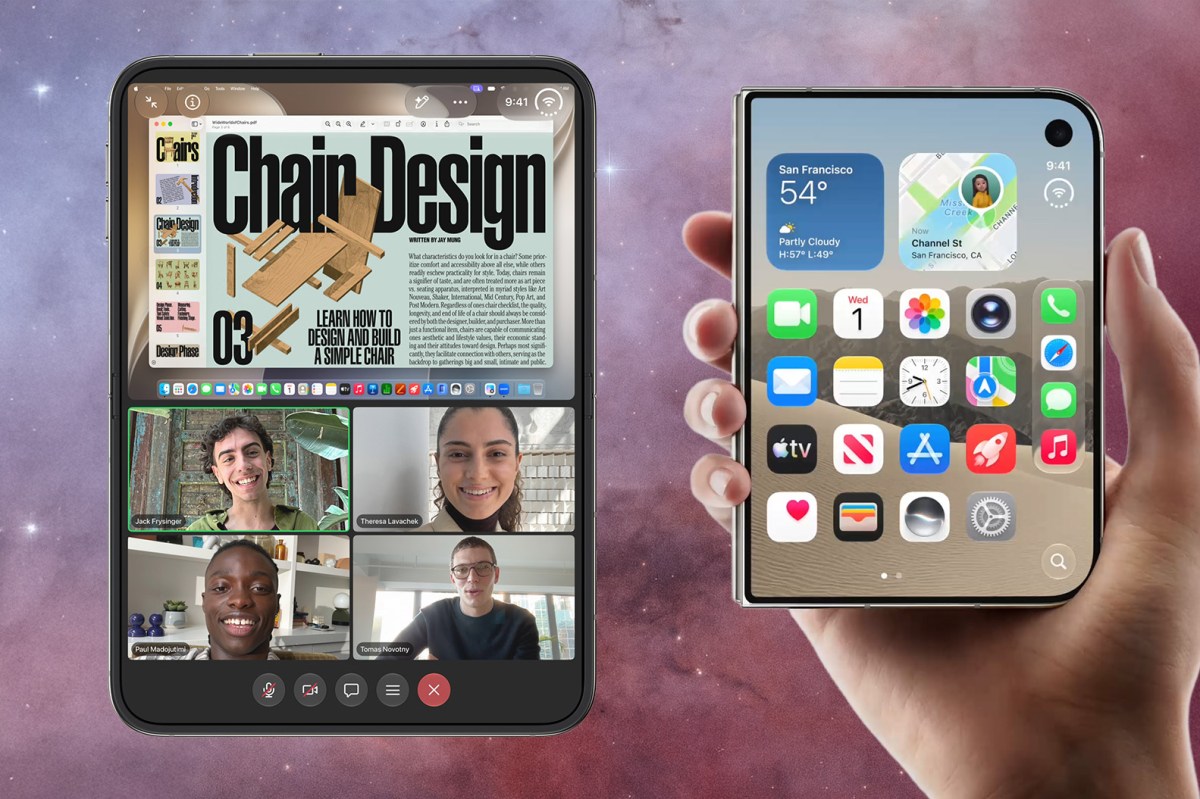
iPhone 18 Pro Max starts at $1,299 with A20 Pro chip
Apple's latest flagship introduces a 2nm processor and a reported record battery capacity, though it weighs significantly more than its primary Samsung rival.

The iPhone 18 Pro Max arrives with a $1,299 entry price and the status of a brand-new release, stepping into a market where its chief competitor, the Samsung Galaxy S26 Ultra, is already a six-month-old veteran. While the base 256GB models share a similar starting price, the S26 Ultra is currently available at less than full price from several retailers, creating a tension between Apple's unreviewed efficiency promises and Samsung's established, plummeting street price.
For consumers eyeing the top end of the spectrum, the financial stakes climb steeply. Apple's storage ladder reaches $2,499 for the 2TB variant.
Related YouTube video

A20 Pro Architecture and Thermal Constraints
At the core of the iPhone 18 Pro Max is the A20 Pro, a 2nm hexacore chipset with a maximum clock speed of 4.90GHz, according to Prabhatkhabar. To mitigate the heat generated by these speeds, Apple has implemented an integrated thermal management system. The architecture represents a significant expansion of AI hardware, doubling the Neural Engines from 16 in the previous generation to 32.
Apple also relocated the DRAM to the side of the chip to improve channel management. These hardware changes are designed to support iOS 27, which introduces a user-facing Siri chatbot that persists on the home screen and retains a history of past queries.
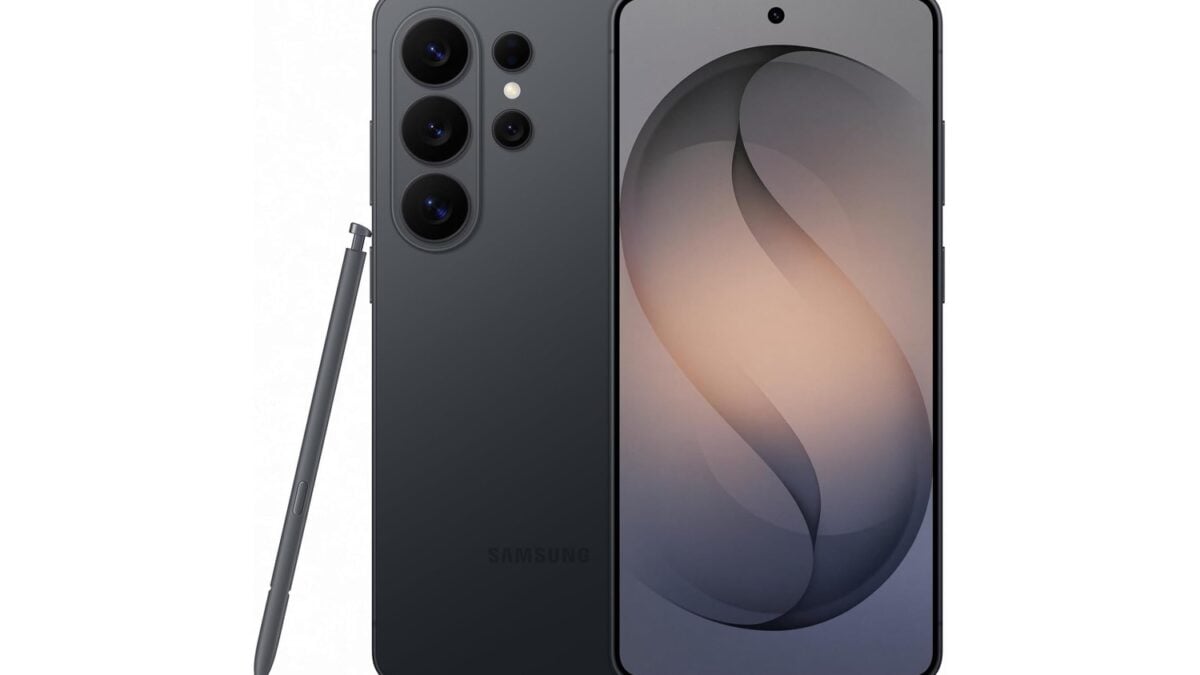
The Galaxy S26 Ultra relies on the 3nm Snapdragon 8 Elite Gen 5 for Galaxy, an octacore processor clocked at 4.74GHz with an Adreno 840 GPU. While the A20 Pro has yet to be independently reviewed, Pcmag notes that the Snapdragon silicon previously outperformed the A19 chip in artificial benchmarks.
The Physicality of the 'Brick' Factor
Both devices share 6.9-inch displays and IP68 dust and water resistance, but their ergonomics diverge sharply. The iPhone 18 Pro Max measures 6.43 by 3.07 by 0.34 inches and weighs 8.78 ounces. PCMag describes the experience of using the device as carrying around a brick in your pocket.
The Galaxy S26 Ultra is nearly identical in footprint at 6.44 by 3.07 by 0.31 inches, but it weighs only 7.55 ounces. Gizmodo reports that Samsung used titanium in the S26 Ultra frame because it resists bending and denting after a few years of pocket use.
| Specification | iPhone 18 Pro Max | Galaxy S26 Ultra |
|---|---|---|
| Starting Price (256GB) | $1,299 / ₹1,79,900 | $1,299.99 / ₹1,39,999 |
| Weight | 8.78 oz | 7.55 oz |
| Processor | A20 Pro (2nm) | Snapdragon 8 Elite Gen 5 (3nm) |
| Neural Engines | 32 | Not specified |
| Display Peak Brightness | 3,000 nits | 2,600 nits |
| SIM Design (US) | eSIM only | Physical SIM tray |
Display Versatility and Input Trade-offs
Apple's 6.9-inch Super Retina XDR display provides a resolution of 2,868 by 1,320 pixels (460ppi) and a peak brightness of 3,000 nits. However, the hardware lacks the specific utility tools found in the Samsung alternative.
The Galaxy S26 Ultra features a Dynamic AMOLED 2X display (3,120 by 1,440 pixels, 498ppi) and includes a Privacy Display
that shades the screen to prevent nearby viewers from seeing content. Samsung also integrates an S Pen stylus directly into the frame. Upon removal, the stylus wakes the screen and opens a note-taking app; it features palm rejection and the ability to convert handwriting into searchable text. Apple provides no stylus support for the 18 Pro Max.
Imaging: Moving Apertures vs. Pixel Binning
Apple has shifted its camera strategy toward a trio of 48MP lenses, with the primary camera now utilizing a physical moving aperture system to create more realistic bokeh effects. This is supported by a new image signal processor on the A20 Pro and supports 4K120 video in Dolby Vision.
Samsung continues with a high-resolution 200MP main sensor. Gizmodo explains that this uses pixel binning, combining multiple individual pixels into one larger pixel to increase light capture for nighttime shots and reduce detail loss during cropping. The S26 Ultra further differentiates its hardware with a more diverse zoom array, including a 50MP telephoto with 5x optical zoom and a 10MP telephoto with 3x optical zoom.
Battery Endurance and Verified Data
The most significant conflict between the two devices concerns battery life. Prabhatkhabar reports that the iPhone 18 Pro Max contains a 5,567mAh battery, which Apple claims supports up to 45 hours of video playback. This exceeds the Galaxy S26 Ultra's 5,000mAh battery, which is rated for 31 hours of video playback.
Real-world lab results, however, reveal a different story. PCMag's testing found the S26 Ultra lasted 15 hours and 5 minutes. This is significantly lower than the 32-hour result achieved by the previous iPhone 17 Pro Max. While Apple describes the current leap as the largest year-over-year leap in battery life
it has ever produced, these claims remain unverified by independent tests.
Frequently Asked Questions
Does the iPhone 18 Pro Max support a stylus?
No, the iPhone 18 Pro Max does not support a stylus, whereas the Galaxy S26 Ultra includes an embedded S Pen.
What is the SIM card situation for US iPhones?
US models of the iPhone 18 Pro Max are eSIM-only and do not have physical SIM card trays.
How does the A20 Pro differ from previous chips?
The A20 Pro features 32 Neural Engines—double the 16 found in the previous chip—and integrates a new thermal management system and relocated DRAM for better channel management.
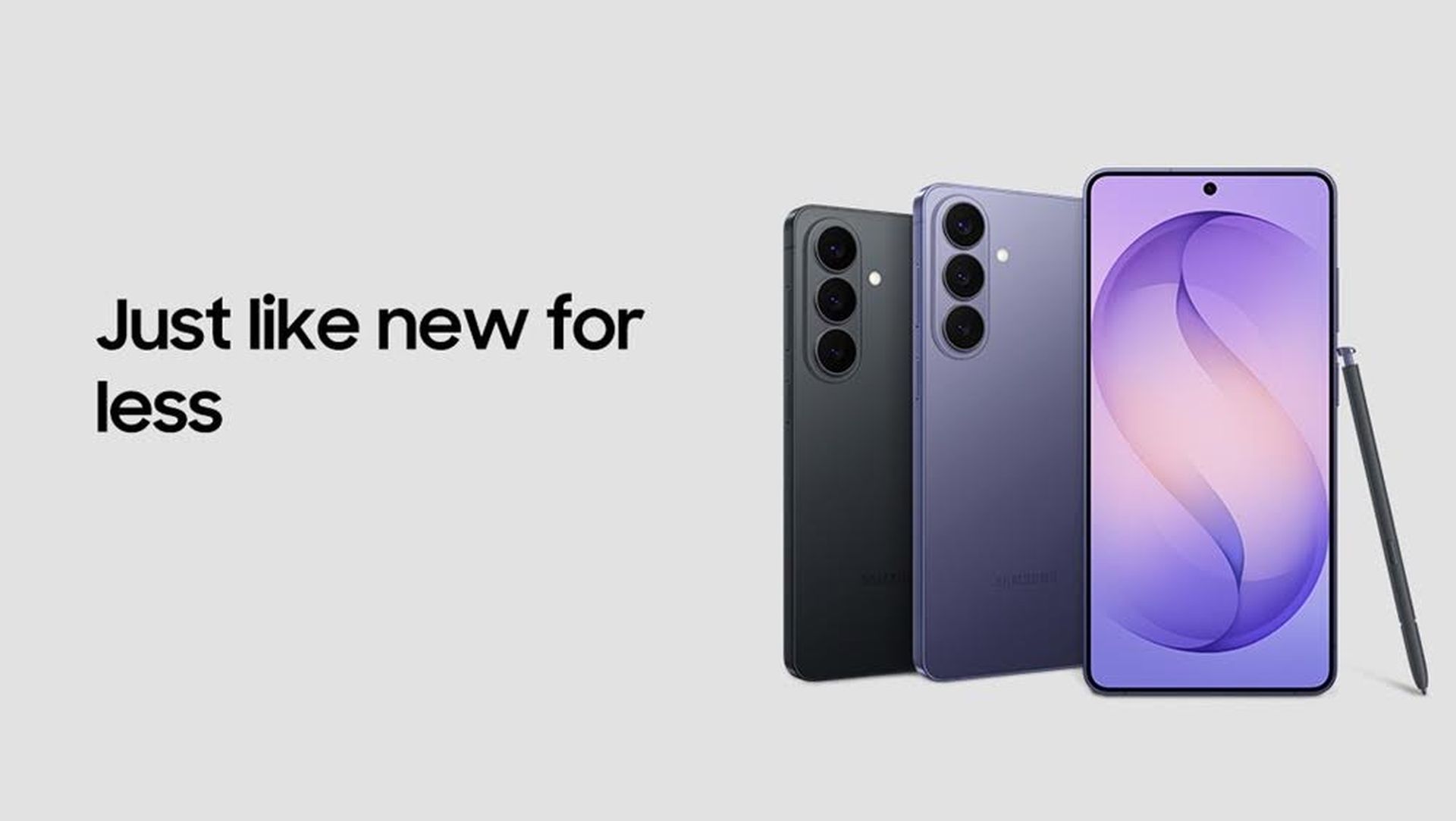
The financial gap is widening due to Samsung's aggressive pricing. Gizmodo reports the S26 Ultra has dropped to $1,250 on Amazon, and Gizmochina notes that Samsung has introduced the device to its Certified Re-Newed refurbished program in India to further lower costs.
Whether Apple's hardware refinements justify the $1,299 starting price depends on the validity of its endurance claims. The market trigger will be the publication of independent, lab-based battery tests to verify if the A20 Pro's efficiency actually delivers the record-breaking leap Apple promises.
Archypedia is dedicated to independent, evidence-backed reporting. This briefing was synthesized from primary source reporting, corroborated across independent newsrooms, and verified against our Editorial Standards.
Transparency record
Evidence behind this report
This report synthesizes 5 distinct sources. Open the source ledger below to compare the underlying coverage.
Prepared under the Archypedia Editorial Policy by the Niko Vale editorial desk profile. AI-assisted tools may support drafting and verification; public accountability remains with Archypedia. Report an error.