NASA TESS mission identifies first exoplanet using gravitational microlensing
NASA's TESS satellite has successfully utilized gravitational microlensing to discover a super-Jupiter 40,000 light-years away, marking an evolution in its capabilities.
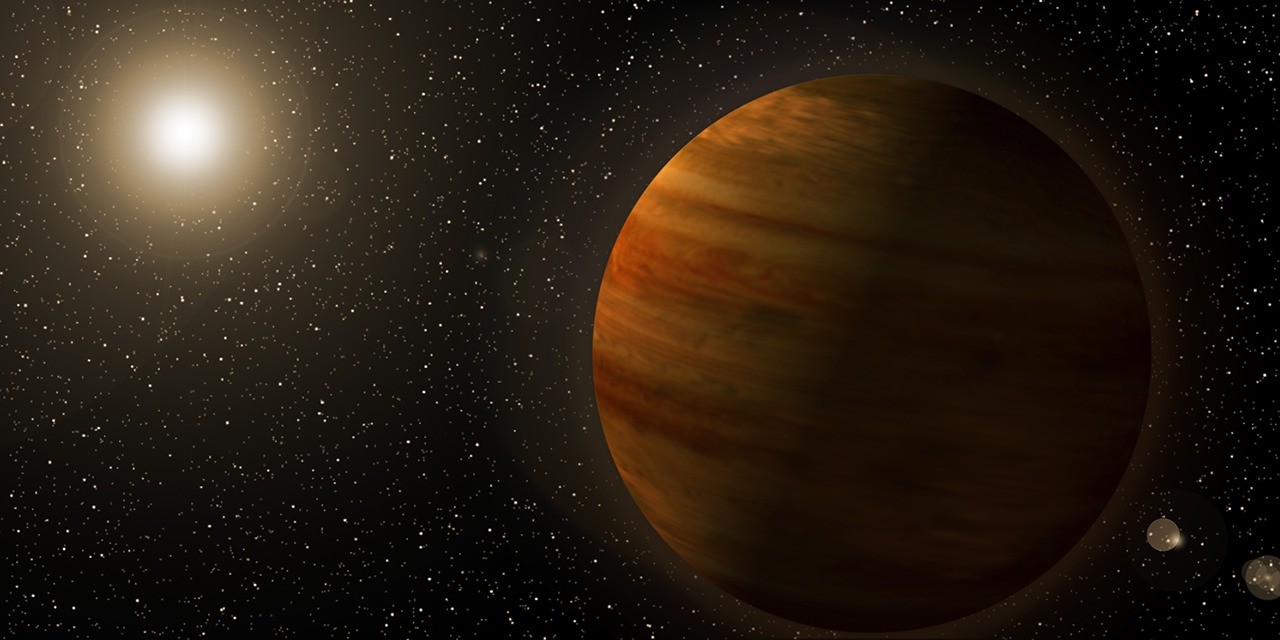
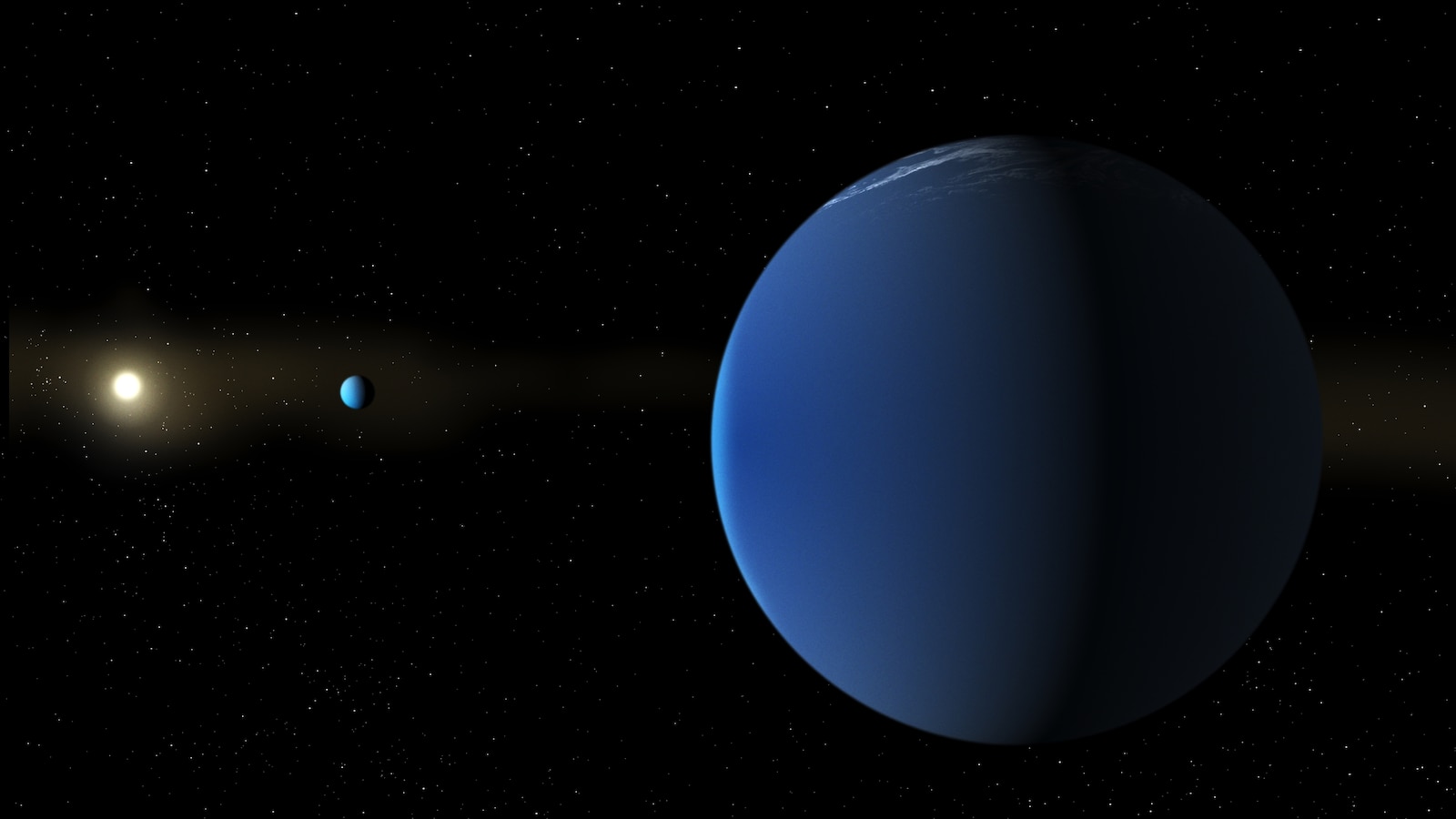
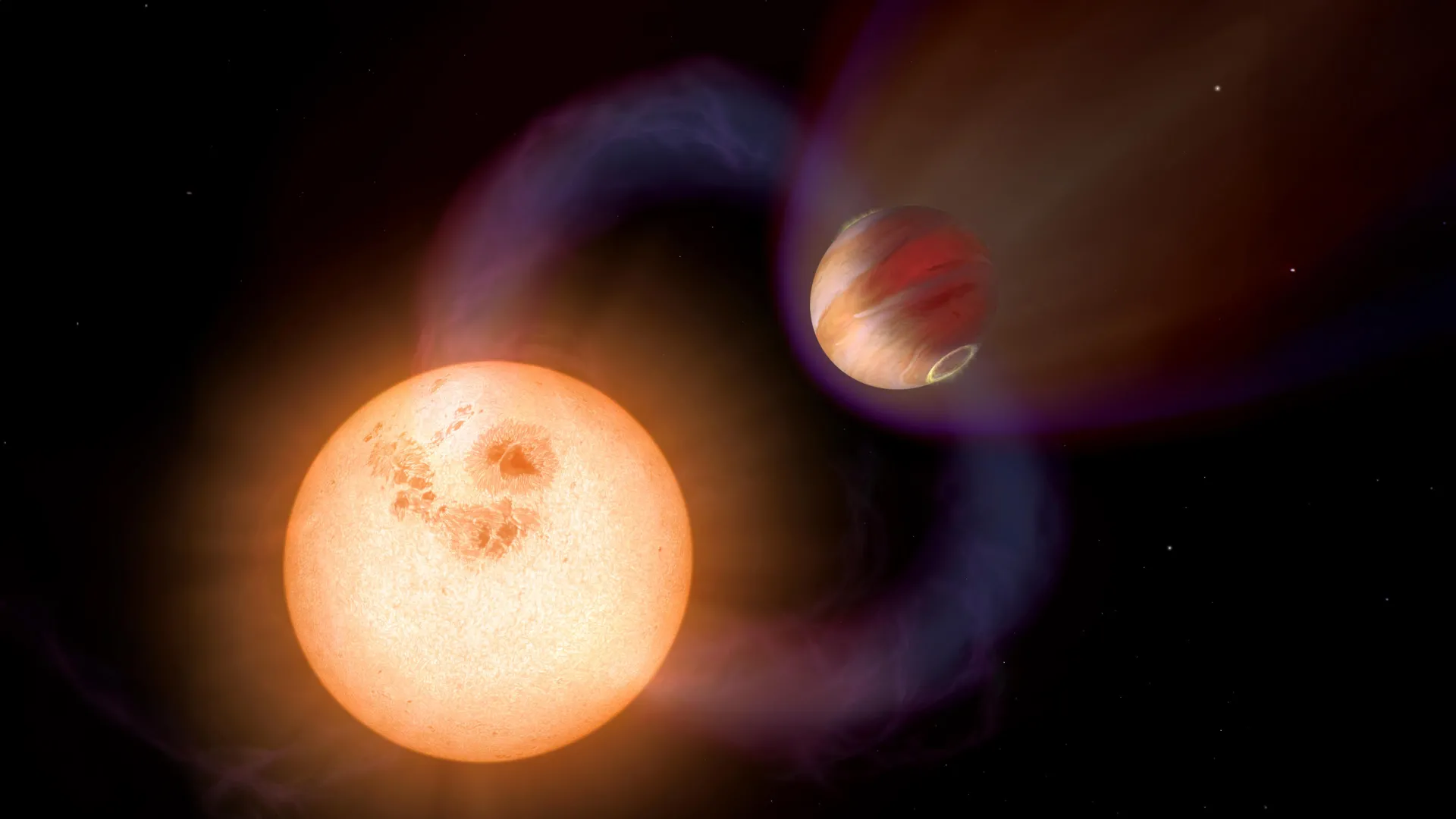
NASA’s Transiting Exoplanet Survey Satellite (TESS) has successfully identified an exoplanet using gravitational microlensing, a method outside its original design parameters. This discovery, published July 1 in The Astrophysical Journal Letters, marks a transition for the mission from its standard transit-based search to a broader role in galactic planetary studies. The newfound world, designated Gaia23bra b, is a super-Jupiter orbiting an orange dwarf star approximately 40,000 light-years away.
The mission, which relies on monitoring the brightness of distant stars, traditionally identifies planets via the transit method, where an orbiting body periodically blocks a portion of starlight. However, the discovery of Gaia23bra b emerged from the analysis of ripples in space-time. The event was first signaled in 2023 by the European Space Agency’s (ESA) Gaia telescope when a foreground star passed in front of a more distant star, magnifying its light. Researchers subsequently revisited archived TESS data to confirm the event, finding that the satellite’s dense time coverage captured specific light curve features that Gaia’s sparse observations could not detect.
Related media
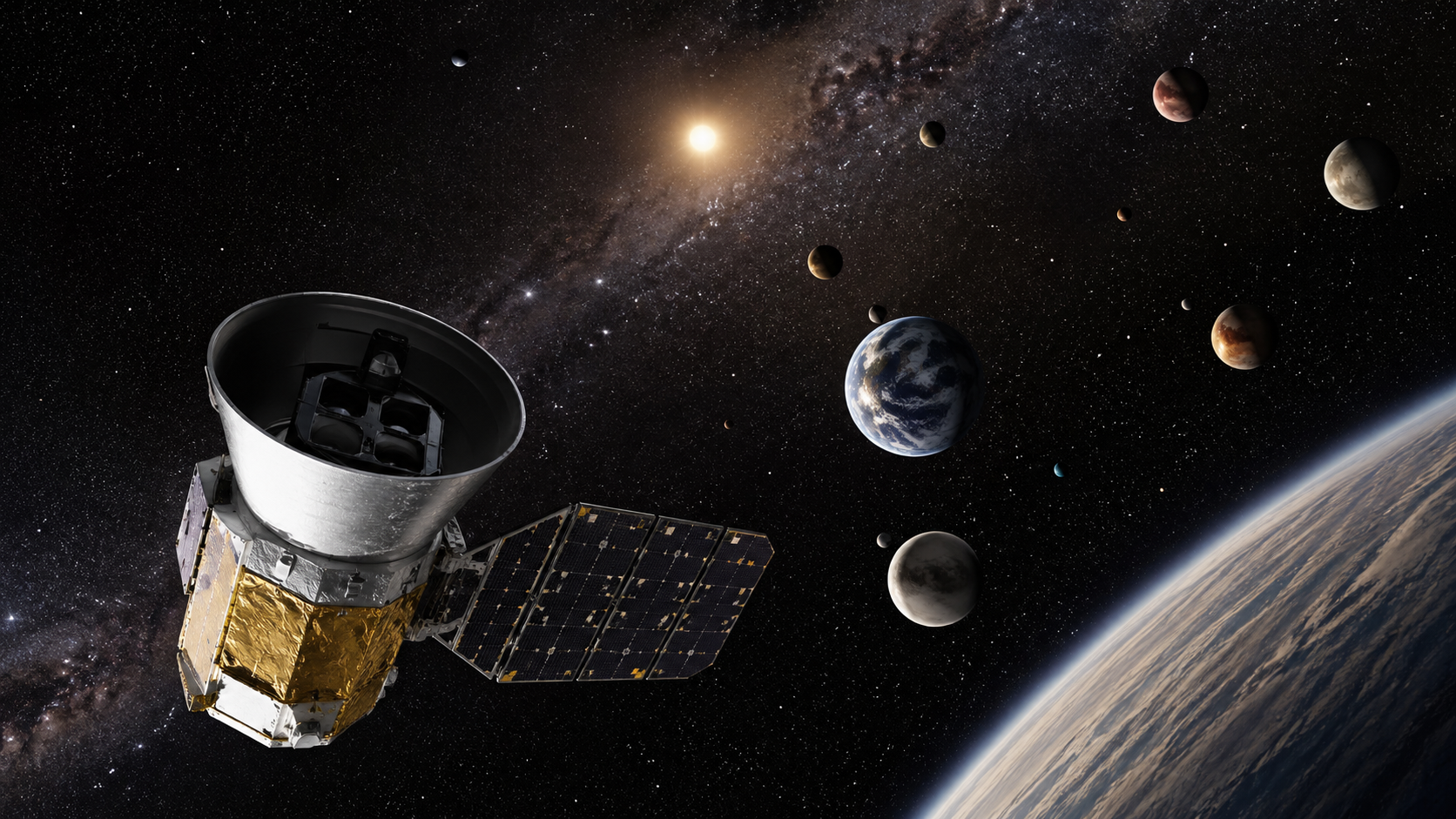

According to Diana Dragomir, a professor at the University of New Mexico, the identification of this planet indicates that TESS likely contains other microlensing signals within its existing datasets. Because TESS monitors wide swaths of the sky, it can observe microlensing events in regions of the galaxy where stars are more spread out, providing a demographic tool that complements the concentrated surveys planned for future missions.
This development arrives as the space Science community prepares for the launch of NASA’s Nancy Grace Roman Space Telescope, currently on track for August 30, 2026. Roman is designed to focus on the dense galactic bulge to conduct an extensive microlensing survey. The ability of TESS to provide rapid, widespread observations offers a unique opportunity to understand planet formation across diverse stellar populations. "The TESS mission uniquely provides these rapid observations for stars in other parts of the galaxy, and pairing the two opens up prospects for understanding planet formation in a diverse population of stars," said Michael Fausnaugh, a professor at Texas Tech University.
The mission continues to expand its reach through both hardware longevity and the application of advanced computational pipelines. In May 2026, researchers from the University of Warwick announced the validation of 118 new planets and over 2,000 candidate planets using a custom artificial intelligence system known as RAVEN. This tool automates the detection and vetting process, allowing for the analysis of data from over 2.2 million stars. The system has helped refine the understanding of "Neptunian desert" planets, finding that these bodies appear around just 0.08% of Sun-like stars.
Recent observations have also led to the identification of unusual Planetary systems, including two "super-puff" exoplanets orbiting the star TOI-791, located approximately 1,113 light-years from Earth. As reported in studies from June 2026, these planets, TOI-791 b and TOI-791 c, possess masses significantly lower than their volumes suggest, earning them a comparison to "cotton candy." These worlds are currently being studied to determine how such low-density planets form and evolve.
Current TESS Discovery Metrics
| Category | Status/Metric |
|---|---|
| Confirmed Exoplanets | Over 6,000 (total) |
| Sun-like stars with close-in planets | 9-10% |
| Neptunian desert occurrence rate | 0.08% |
As the mission progresses, the integration of automated analysis and cross-mission data collaboration remains central to the TESS mission goals. The use of ground-based observatories and follow-up analysis by future missions such as ESA’s PLATO and the James Webb Space Telescope continues to characterize the atmosphere and density of these newly identified worlds. With the latest breakthrough in microlensing, TESS has demonstrated a capacity to move beyond its primary design, broadening the scope of planetary science toward the observation of distant systems previously thought to be beyond the reach of the current space-based instrument suite.
How significant is this development?
Contribute your assessment to the aggregated reader intelligence ledger.
Archypedia is dedicated to independent, evidence-backed reporting. This briefing was synthesized from primary source reporting, corroborated across independent newsrooms, and verified against our Editorial Standards.
Transparency record
Evidence behind this report
This report synthesizes 8 distinct sources. Open the source ledger below to compare the underlying coverage.
- science.nasa.gov
- spacetechtimes.com
- sciencedaily.com
- yahoo.com
- starlust.org
- planetary.org
- exoplanetarchive.ipac.caltech.edu
- smithsonianmag.com
Prepared under the Archypedia Editorial Policy by the Niko Vale editorial desk profile. AI-assisted tools may support drafting and verification; public accountability remains with Archypedia. Report an error.