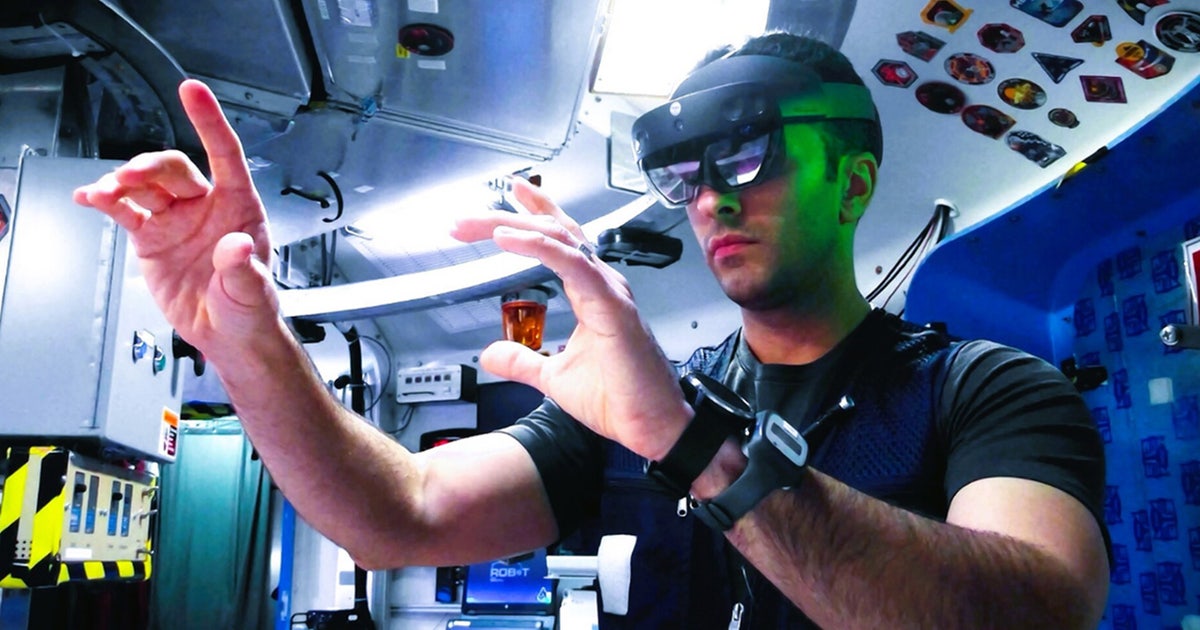
Artemis II astronauts reunite with their spacecraft at Kennedy Space Center
NASA and CSA astronauts returned to the Kennedy Space Center to inspect the Integrity capsule following their historic 252,756-mile lunar mission.
The crew of the Artemis II mission reunited with their spacecraft, the Integrity, at the Kennedy Space Center on Wednesday. This visit marks the first time the four-person crew—NASA astronauts Reid Wiseman, Victor Glover, and Christina Koch, alongside Canadian Space Agency (CSA) astronaut Jeremy Hansen—have returned to the launch site since their departure in April. The reunion arrives three months after the mission concluded, providing an opportunity for the astronauts to inspect the vehicle that carried them deeper into space than any humans in history.
Launched from Launch Pad 39B on 1 April 2026, the Artemis II mission spanned nearly 10 days, during which the crew reached a distance of 252,756 miles from Earth. This feat surpassed the previous record established by the Apollo 13 crew in 1970. Commander Reid Wiseman noted that the launch pad feels a lonely place without that rocket on it
while reflecting on the journey that re-established human reach toward the Moon for the first time in over five decades.
Related media

Technical Performance and Safety
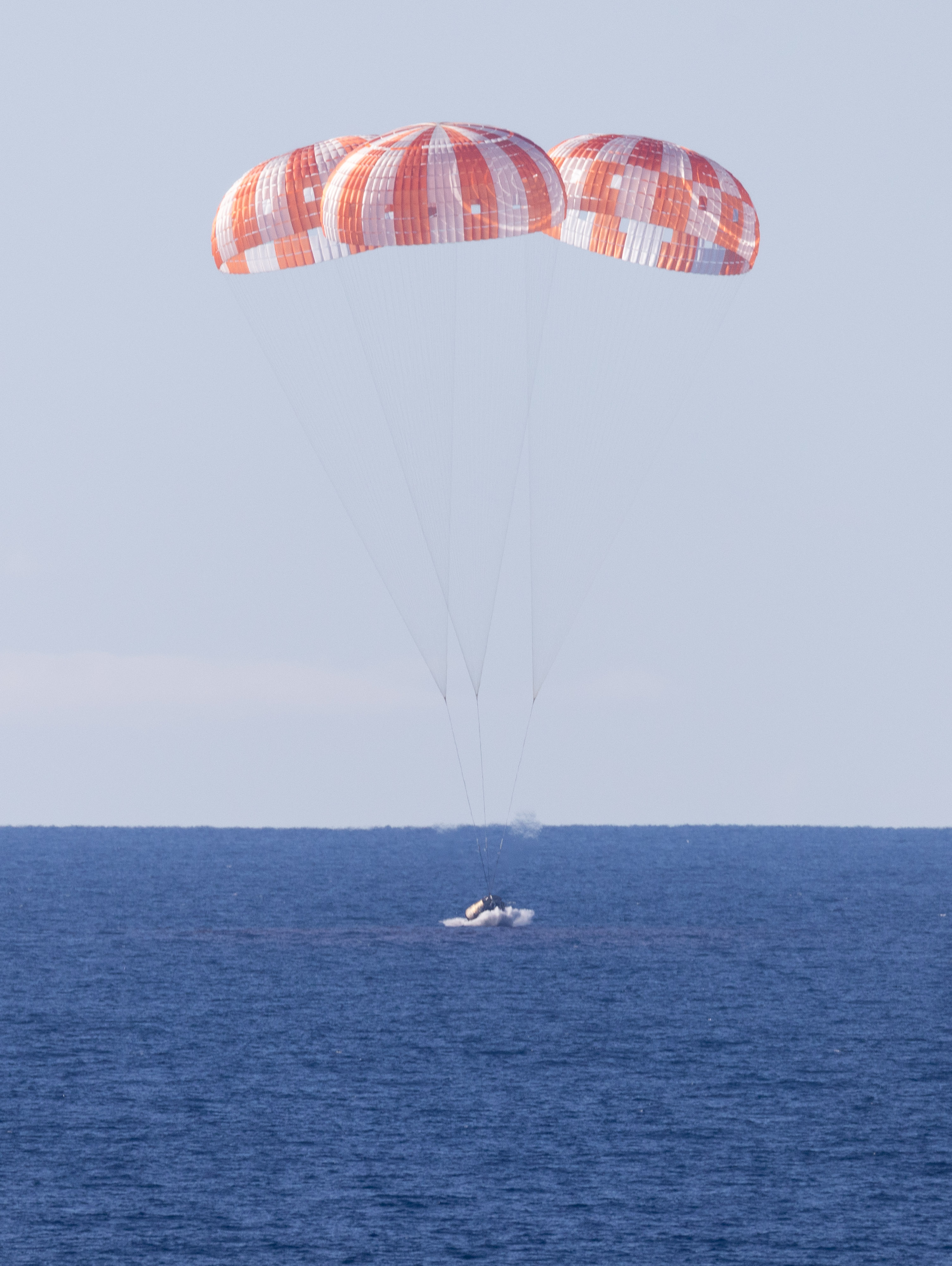
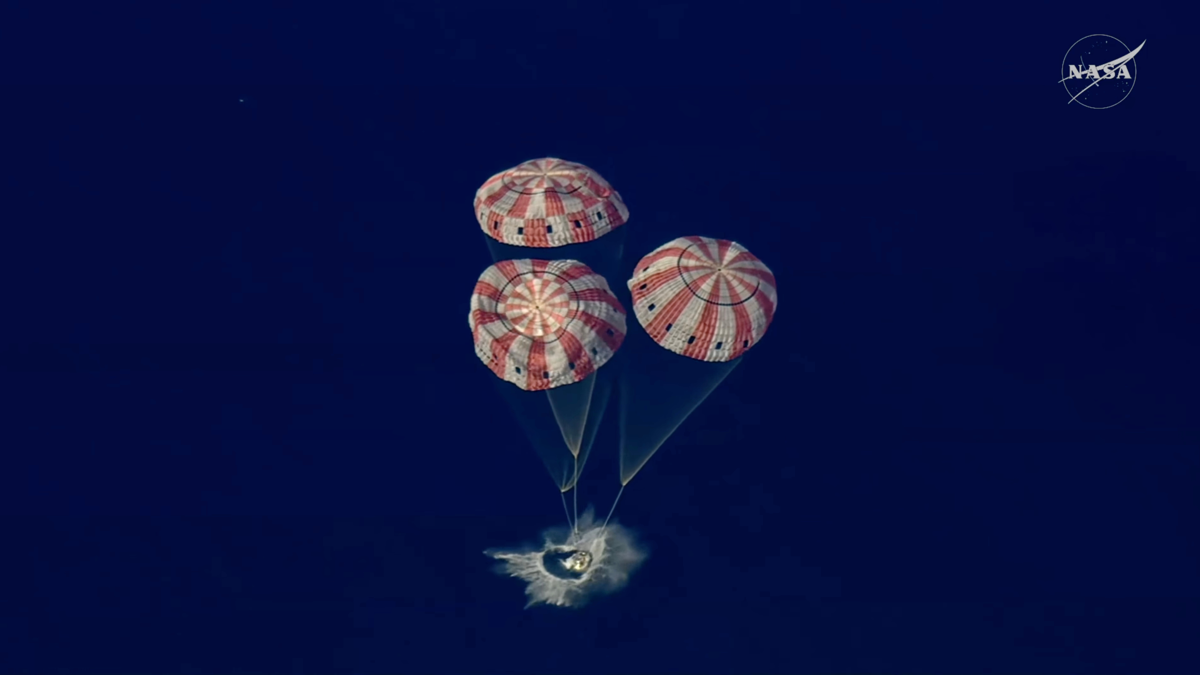
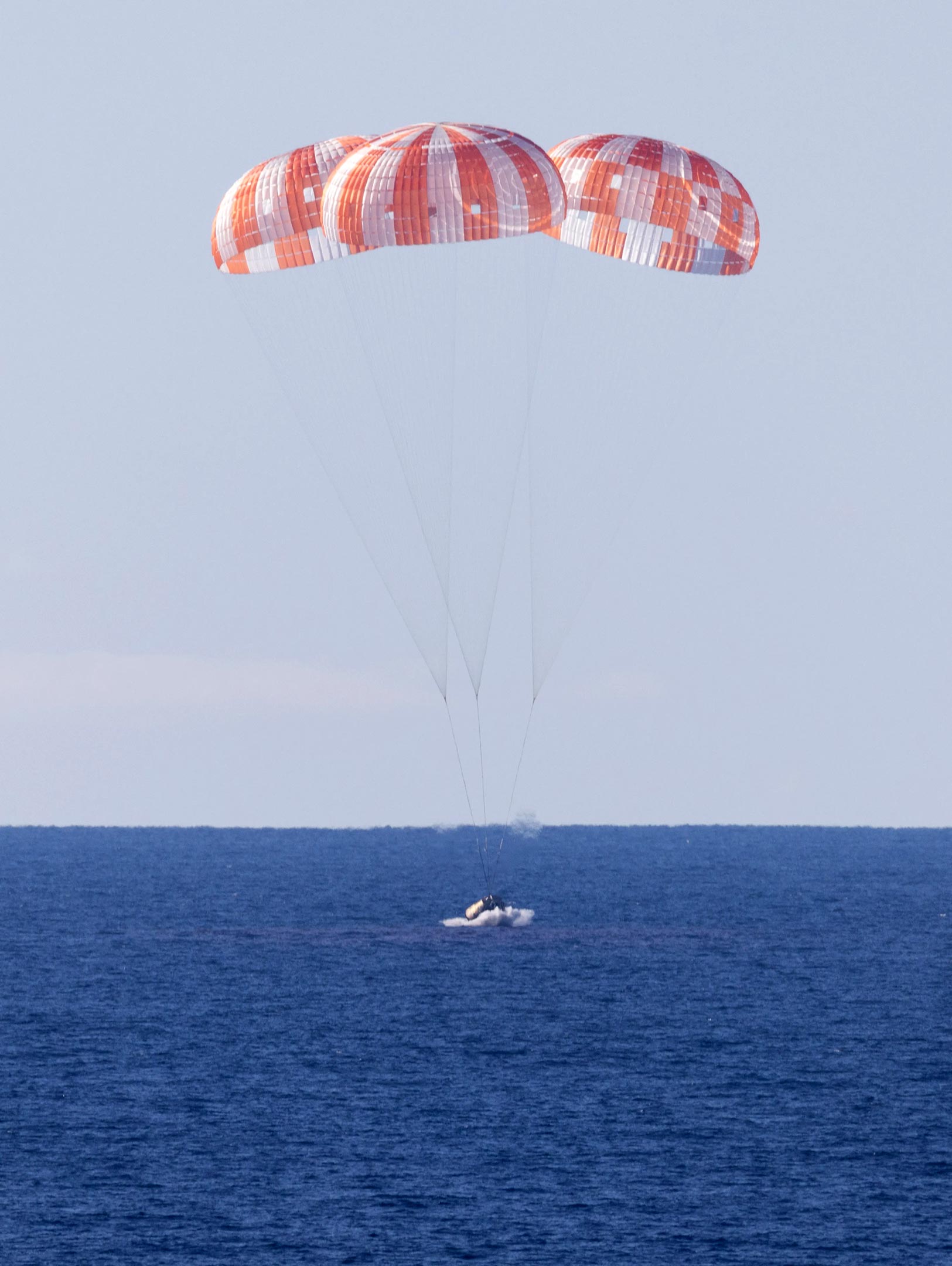
The mission was categorized as a critical test flight for the Orion spacecraft and the Space Launch System (SLS). A primary concern for mission controllers was the performance of the capsule's heat shield, which had experienced material cracking during the uncrewed Artemis I flight in 2022. To mitigate risk, NASA flight teams executed a modified, steeper re-entry trajectory. Upon returning to Earth, the Orion capsule splashed down within the targeted site in the Pacific Ocean, successfully protecting the crew from the intense temperatures generated during re-entry.
Despite the successful outcome, the flight encountered several technical challenges. Reports indicate that the crew managed issues with the spacecraft’s propellant and water systems, as well as recurring malfunctions with the toilet. Astronaut Christina Koch emphasized the necessity of these experiences, stating, We can't explore deeper unless we are doing a few things that are inconvenient, unless we're making a few sacrifices, unless we're taking a few risks, and those things are all worth it.
Scientific and Exploration Milestones
During the mission, the crew performed manual piloting demonstrations and tested life support systems, providing data intended to guide future operations, including docking procedures with commercial lunar landers. Their scientific agenda included the AVATAR investigation, which analyzed the impact of microgravity and radiation on human tissue. Additionally, the astronauts captured over 7,000 images, documenting craters, lava plains, and the terminator line, which offers lighting conditions similar to the lunar south pole where future landings are planned.
Personnel Transitions
Following the conclusion of the mission, the crew is shifting its focus toward supporting the next generation of lunar explorers. Jeremy Hansen announced that he would step down from his full-time astronaut role in September, transitioning to a position as a reservist with the Royal Canadian Air Force. Hansen, who served as the first Canadian to fly on a crewed moon mission, stated that the move is designed to leave the door open for creative, ongoing ways to support and enable the vital work happening in Canada with respect to space.
What to Watch Next in the Artemis Program
- Artemis III: Set for next year, the Artemis III mission will remain in orbit around Earth and practice docking with lunar landers in development by SpaceX and Blue Origin.
- Artemis IV: Artemis IV will follow as early as 2028 with a moon landing by two astronauts not yet identified.
- Infrastructure: Engineers are conducting a full post-flight analysis of the Integrity capsule at the Kennedy Space Center to evaluate hardware longevity after its deep-space journey.
As the agency shifts its gaze toward these upcoming milestones, the successful return of the Artemis II crew serves as a benchmark for future lunar infrastructure development. NASA Associate Administrator Amit Kshatriya summarized the sentiment among mission teams: Fifty-three years ago, humanity left the Moon. This time, we return to stay.
How significant is this development?
Contribute your assessment to the aggregated reader intelligence ledger.
Archypedia is dedicated to independent, evidence-backed reporting. This briefing was synthesized from primary source reporting, corroborated across independent newsrooms, and verified against our Editorial Standards.
Transparency record
Evidence behind this report
This report synthesizes 6 distinct sources. Open the source ledger below to compare the underlying coverage.
Prepared under the Archypedia Editorial Policy by the Niko Vale editorial desk profile. AI-assisted tools may support drafting and verification; public accountability remains with Archypedia. Report an error.