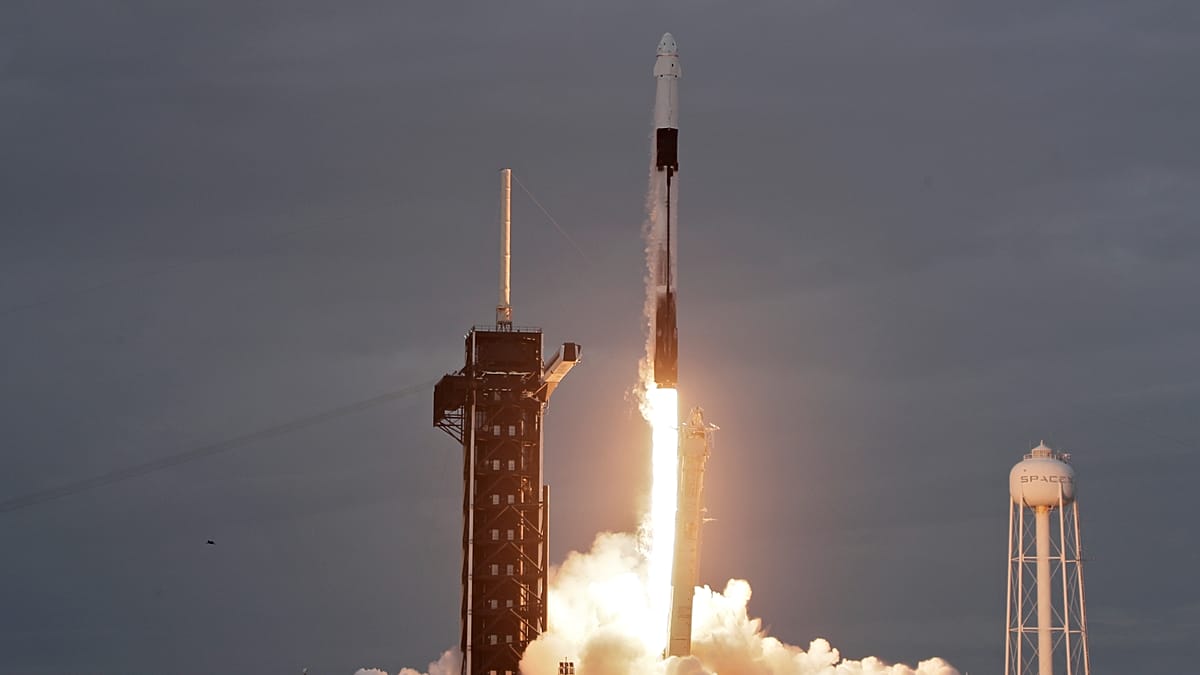
Fram2 astronauts complete first medical X-rays during orbital spaceflight
The Fram2 mission successfully tested an ultraportable, wireless digital X-ray generator in microgravity, demonstrating that non-specialists can conduct medical imaging in space.
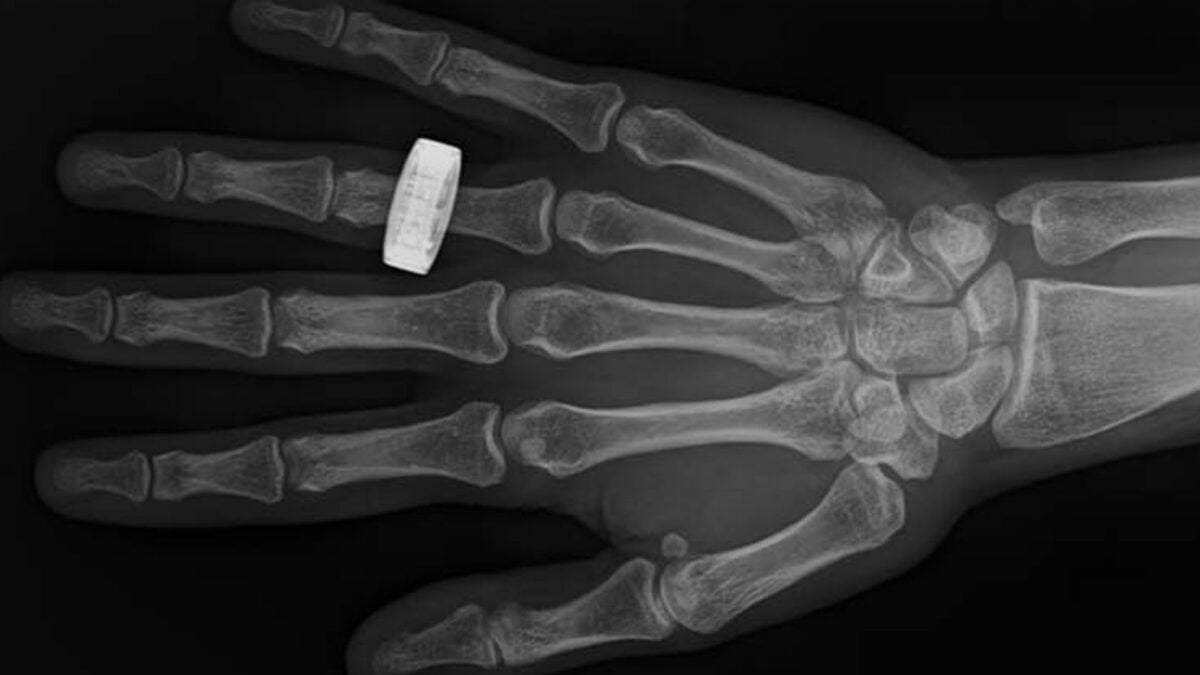
For more than four decades, the standard for medical imaging in space has remained tethered to ultrasound. While versatile, the technology requires significant operator training and relies on the presence of a medium—typically biological tissue—to propagate sound waves. As humanity eyes longer missions to the Moon and Mars, where communication delays make immediate medical assistance from Earth impossible, the limitations of ultrasound have prompted researchers to seek more robust diagnostic tools. This search reached a critical milestone during the Fram2 mission, which launched on March 31, 2025. According to reports published in the journal Radiology, a crew successfully acquired the first diagnostic-quality X-rays ever taken during an orbital spaceflight.
A Shift in Aerospace Medicine
The Fram2 mission, which carried an all-civilian crew aboard the spacecraft Resilience, spanned 3.5 days in a 90-degree polar orbit between 425 and 450 kilometers above sea level. The endeavor was named for the vessel that transported polar explorers Fridtjof Nansen and Roald Amundsen. To address the challenges of in-orbit diagnostics, the team utilized an ultraportable, wireless digital X-ray generator. Prior to the flight, three crew members underwent four hours of training to master the system. Once in orbit, the team successfully imaged various body parts, including hands, forearms, the chest, abdomen, and pelvis, as well as a control phantom and a smartwatch to test the device's ability to perform non-destructive testing on equipment.
Related media


"X-ray is one of the most powerful diagnostic tools in modern medicine because of its speed, accuracy, and ability to be operated by a broad range of people without the need of a sound transmitting medium."
Sheyna Gifford, lead researcher and assistant professor of aerospace medicine at Mayo Clinic, via Gizmodo
The ability to scan hardware is considered a vital secondary benefit of the technology. Sheyna Gifford noted that spectral X-ray systems could eventually address multiple needs, such as identifying minerals in rock samples collected during moonwalks or verifying the integrity of equipment.
Technical Hurdles and Future Needs
While the mission proved the feasibility of in-orbit radiography, researchers identified specific challenges related to the space environment. Independent radiologists who evaluated the images noted that while spatial and contrast resolution were consistent with preflight tests, positioning the patient and the X-ray source proved difficult in microgravity. Imaging the chest, abdomen, and pelvis was more complex than scanning extremities, resulting in slightly lower quality images that nonetheless remained within diagnostic parameters.
Furthermore, while the hardware successfully produced images in flight, it sustained superficial structural damage during the splashdown on April 4, 2025, off the coast of Oceanside, California. Dr. Gifford emphasized that current systems need to be reduced in volume to justify their place on spacecraft, noting that the goal is to make these devices as portable as those used on the sidelines of the Super Bowl or in remote clinical settings on Earth.
Looking Ahead
The research, which builds on a 2022 parabolic flight experiment, provides a foundation for future integration of imaging technology into deep-space missions.
- System Miniaturization: Reducing the size and weight of hardware to optimize space-flight upmass.
- Ruggedization: Improving device durability to survive both the rigors of launch and potential use in external environments.
- Autonomy: Developing AI-assisted analysis to guide crew members in image quality assessment and diagnostic interpretation when real-time telehealth with Earth is unavailable.
- Deployment: Integrating X-ray systems into future lunar rovers and spacecraft to support both human health and hardware diagnostics.
As the scientific community prepares for expanded lunar exploration, the success of the Fram2 radiography study marks a shift in how mission planners view medical autonomy. By demonstrating that non-medical professionals can effectively use such tools in harsh conditions, the project provides a framework for managing the health of future explorers as they venture toward Mars and beyond. Researchers have emphasized that disseminating these autonomous, miniature systems could provide significant benefits for public health in underserved communities on Earth as well.
Archypedia is dedicated to independent, evidence-backed reporting. This briefing was synthesized from primary source reporting, corroborated across independent newsrooms, and verified against our Editorial Standards.
Transparency record
Evidence behind this report
This report synthesizes 11 distinct sources. Open the source ledger below to compare the underlying coverage.
- miragenews.com
- gizmodo.com
- yahoo.com
- rsna.org
- spacexray.org
- nasa.gov
- kaimaging.com
- minxray.com
- arstechnica.com
- sciencedaily.com
- sciencealert.com
Prepared under the Archypedia Editorial Policy by the Niko Vale editorial desk profile. AI-assisted tools may support drafting and verification; public accountability remains with Archypedia. Report an error.