China to build space-ground monitoring network for asteroid defense
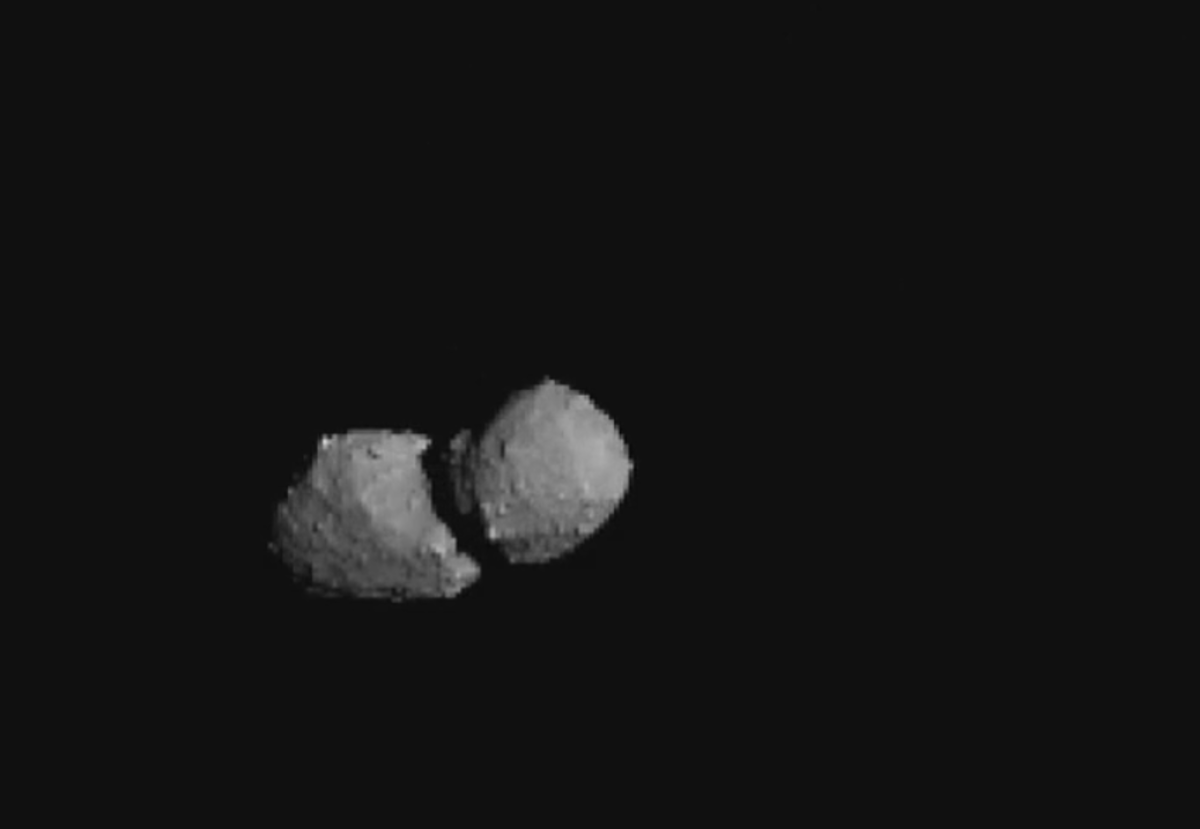
The China National Space Administration is building a comprehensive network of optical telescopes and space-based sensors to detect hazardous asteroids. This system aims to eliminate surveillance blind spots and protect Earth from potential space-borne threats.
China is advancing its plans for a comprehensive planetary defense infrastructure, with current efforts focused on a space-ground integrated monitoring and early-warning network. Experts at the China National Space Administration (CNSA) are conducting feasibility studies to finalize this system, which aims to provide round-the-clock surveillance of near-Earth objects. The project was discussed on 1 July 2026, which marked International Asteroid Day, a date designated by the United Nations to raise awareness about asteroid impact hazards.
Li Mingtao, chief scientist at the CNSA's asteroid monitoring and early-warning research center, stated that while no identified asteroid is currently on a collision course with Earth, the number of undetected objects remains a significant concern. According to Li, the proposed network seeks to eliminate blind spots by combining ground-based observations with a space-based monitoring constellation.
Related media

Designing the Integrated Network
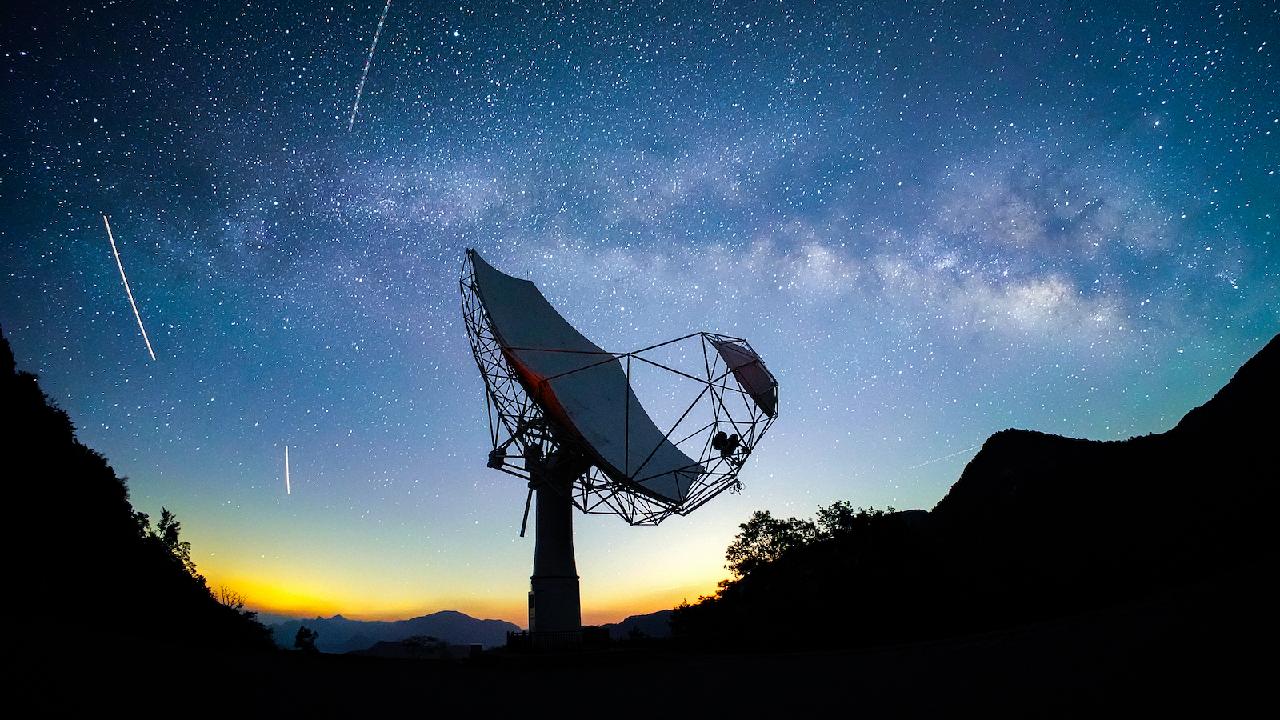
The ground-based component of the project will utilize multiple large-aperture optical telescopes. Scientists are selecting sites based on specific criteria: a high frequency of clear skies, high elevation to minimize atmospheric interference, and stable astronomical seeing
conditions. These facilities will likely be situated in remote, sparsely populated regions to ensure precise night-sky surveys. Existing ground-based infrastructure includes the 1-meter dedicated telescope at Purple Mountain Observatory, the 2.5-meter large-field survey telescope at Lenghu, the 2.16-meter telescope at Xinglong, and telescopes at Lijiang measuring 2.4 meters and 1.8 meters. Additionally, the China Compound Eye
project plans to construct 25 radars with 30-meter apertures, which will allow detection and high-precision imaging of asteroids tens of millions of kilometers away once completed.
To address the inherent limitations of ground-based telescopes — which are often hindered by atmospheric scattering and the sun's glare — the system will incorporate a space-based monitoring constellation. These orbiting instruments will be positioned farther from Earth to monitor a wider perimeter and specifically target threats approaching from the direction of the sun. Together, the two layers of the network are intended to provide continuous, all-sky monitoring.
Once an object is detected, the system will automatically perform orbit calculations and impact probability assessments. If a credible threat is confirmed, authorities plan to issue notifications and public guidance.
Defense and Mitigation Strategy
The strategy for managing asteroid risks is tiered, prioritizing kinetic impact as the primary defense method. Wu Weiren, chief designer of China’s lunar exploration program, described a fly-along–impact–fly-along
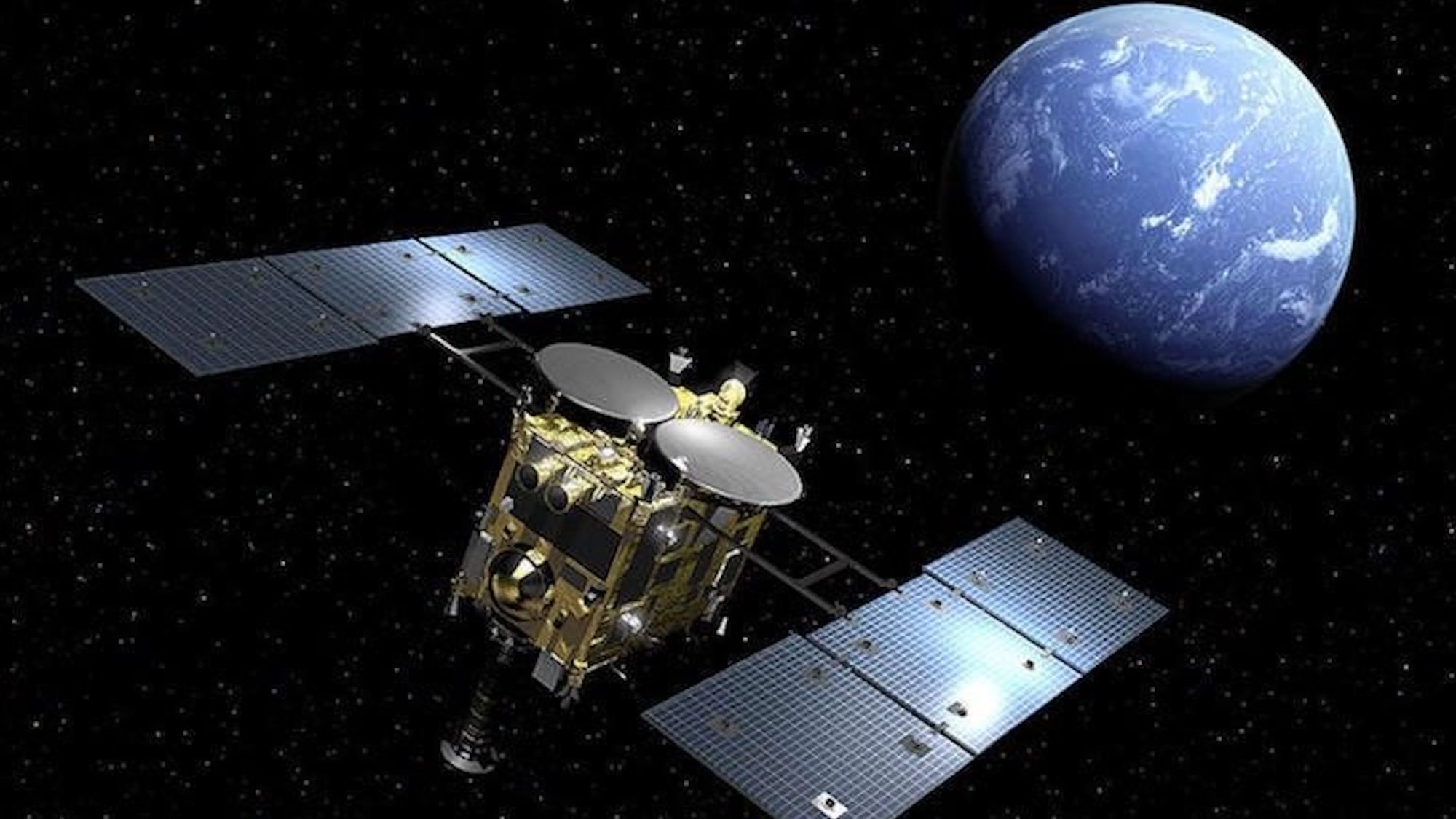
model for a future demonstration mission. This involves an observer spacecraft arriving first to collect physical data on a target asteroid, followed by an impactor spacecraft designed to strike the object at high speed. The objective is to shift the asteroid's orbit to prevent a collision.
Beyond kinetic impact, researchers are investigating long-term deflection techniques, including gravity tractors, ion beams, and laser ablation. However, officials note that these methods require significant lead time, often over a decade, to be effective. The overall defense architecture is intended to be flexible, utilizing a task library of missions customized for different risk profiles.
Context and Global Cooperation
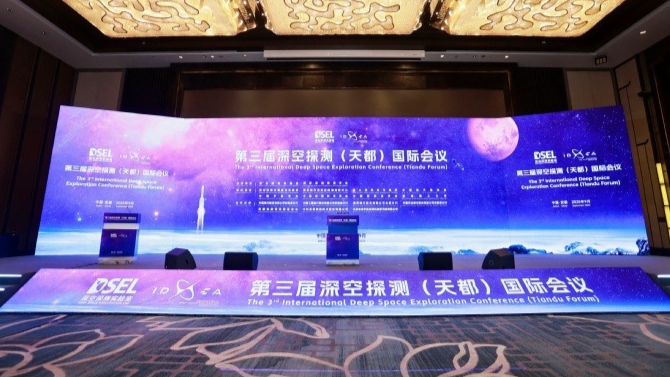
China’s approach aligns with international frameworks, including the United Nations Committee on the Peaceful Uses of Outer Space (COPUOS). During the third Deep Space Exploration (Tiandu) International Conference held in Hefei on 4–5 September 2025, Wu Weiren emphasized that planetary defense is a shared Global responsibility. He encouraged international partners to engage in joint ground-based monitoring, collaborative spacecraft and payload development, and data and research result sharing.
Current Research and Future Missions
China has already taken steps toward in-orbit research. The Tianwen 2 probe, launched on 29 May 2025, is currently tasked with collecting samples from the near-Earth asteroid 2016 HO3 and conducting a fly-along study of the main-belt comet 311P. Scientists continue to emphasize that while global efforts have cataloged over 40,000 near-Earth asteroids, the vast majority of smaller, potentially hazardous objects remain undetected, necessitating the accelerated development of these early-warning and mitigation capabilities.
How significant is this development?
Contribute your assessment to the aggregated reader intelligence ledger.
Archypedia is dedicated to independent, evidence-backed reporting. This briefing was synthesized from primary source reporting, corroborated across independent newsrooms, and verified against our Editorial Standards.
Transparency record
Evidence behind this report
This report synthesizes 10 distinct sources. Open the source ledger below to compare the underlying coverage.
- tt.jxnews.com.cn
- news.cgtn.com
- en.chinagate.cn
- global.chinadaily.com.cn
- leonarddavid.com
- eir.news
- english.news.cn
- chinaview.cn
- chinadailyhk.com
- chinadaily.com.cn
Prepared under the Archypedia Editorial Policy by the Niko Vale editorial desk profile. AI-assisted tools may support drafting and verification; public accountability remains with Archypedia. Report an error.