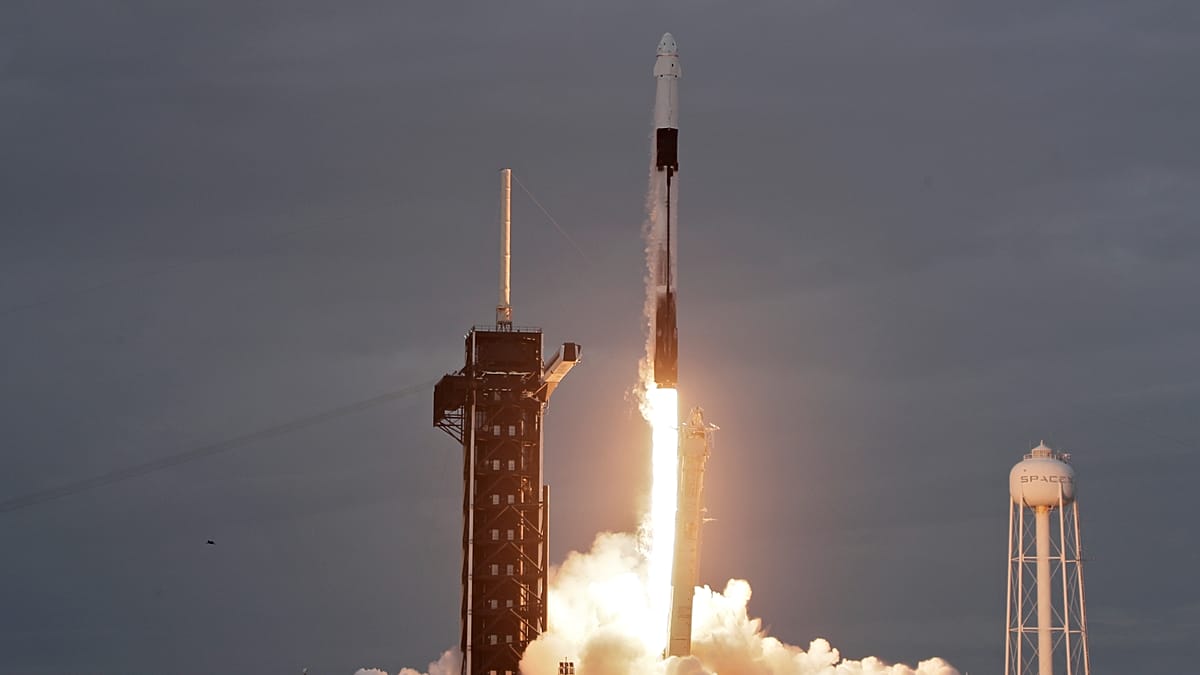
Adelaide University students reach global top five with space menstrual system
Adelaide engineering students have gained international recognition for a space-adapted menstrual system, highlighting a shift toward inclusive aerospace design.
As humanity prepares for long-duration missions, a significant gap in aerospace engineering is finally moving to the forefront of scientific discourse: the management of menstruation in microgravity. While more than 100 women have traveled to space, the biological and logistical requirements of the menstrual cycle have historically been neglected in formal research, often forcing astronauts to rely on anecdotal solutions or hormonal suppression.
This landscape is shifting, driven by a surge of student-led innovation and new dedicated research initiatives. In January 2026, two Adelaide University engineering students, Mei He and Shradha Angrish, reached the global top five at the international ActInSpace finals in Bordeaux, France. Their project, The Red Planet, proposed a space-adapted menstrual management system that included an innovative valve added to a menstrual cup to deal with the lack of gravity, allowing for menstrual waste to be collected for up to 12 hours.
Related media
The Adelaide team’s work addresses what researchers term a fundamental design gap. During the American space program, engineers once questioned if astronaut Sally Ride would require 100 tampons for a six-day mission, highlighting a profound disconnect between mission planning and biological reality. During the 1960s, some researchers went as far as to characterize menstruating individuals as "temperamental psychophysiologic humans" unfit for flight, a bias that influenced decades of mission policy.
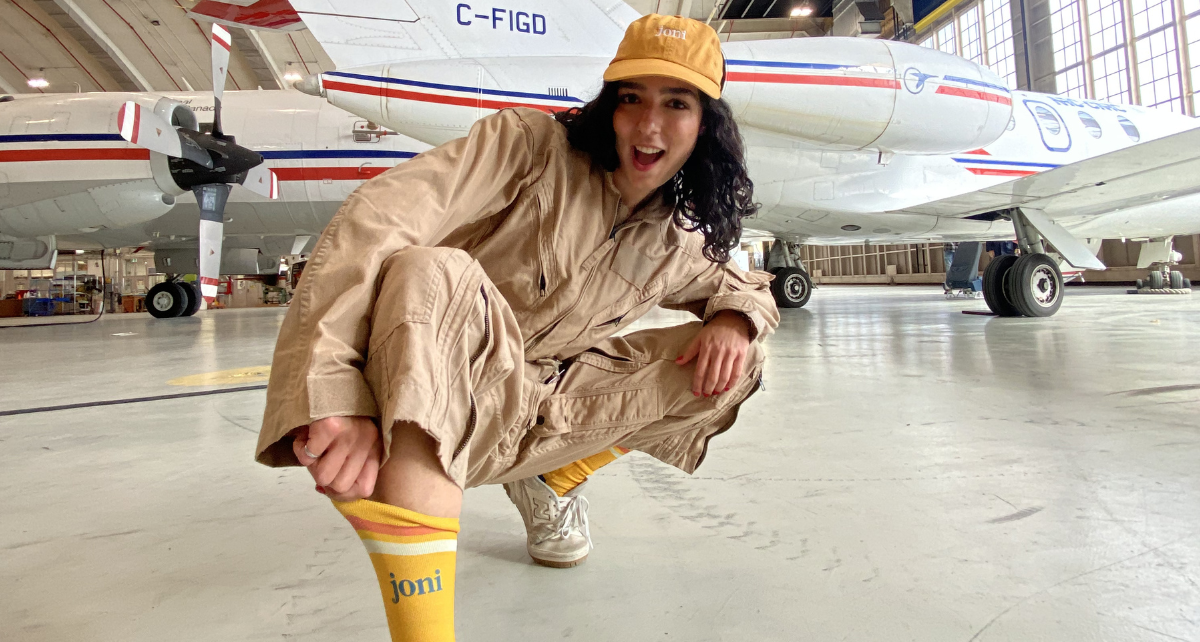
New experimental data is beginning to replace these early assumptions. A student-led project from the University of British Columbia Okanagan, known as Space MENs (Menstrual Experimentation in Novice Spaces), conducted the first tampon experiment in microgravity aboard a National Research Council Falcon 20 aircraft. Supported by the period-care company joni, the team utilized GoPro cameras to document how blood-simulant fluids behave in zero-gravity. The results challenged Earth-based expectations: rather than moving downward, fluid wicked outward and upward in all directions, confirming that liquid dynamics in space defy conventional physics.
Operation Period-01 and the Path Forward
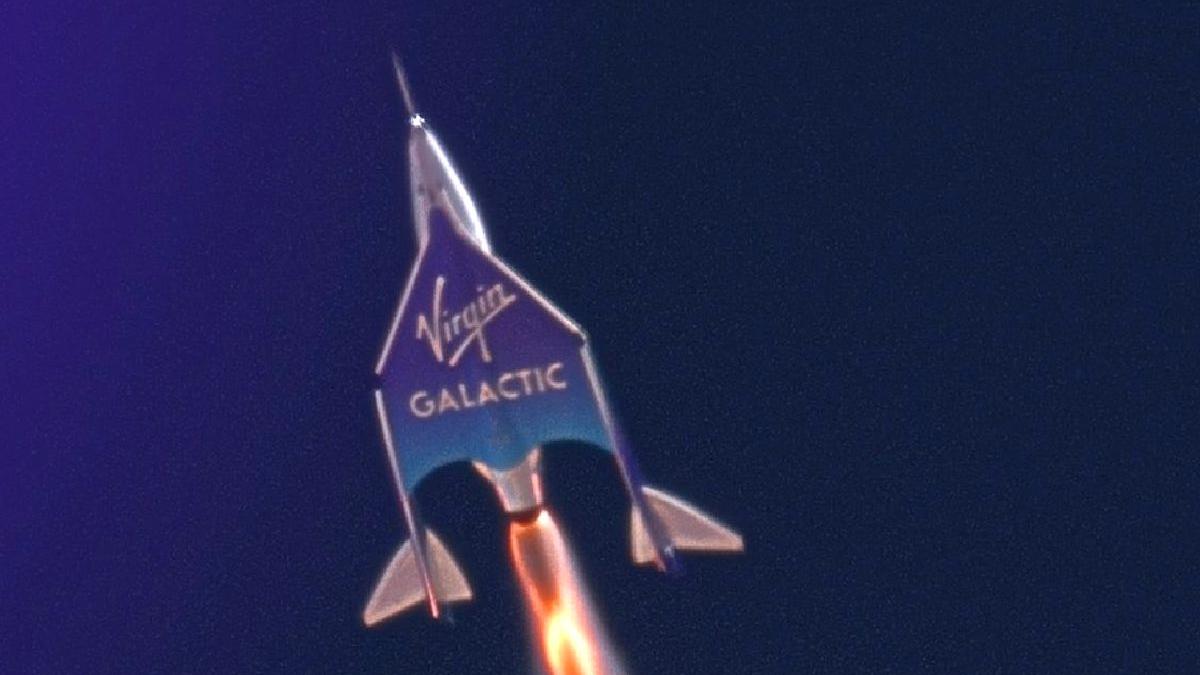
This growing momentum is culminating in the first dedicated research mission to study menstrual health in suborbital space. Virgin Galactic has announced that it will host "Operation Period-01" (OP-01) in 2027. Led by Manju Bangalore and Priya Abiram, the founders of the Gen Z-led organization Operation Period, the mission will focus on quantitative analysis of menstrual fluid dynamics and product performance. The duo view the mission as a vital step in correcting historical design flaws.
"This mission is about more than a scientific first, it's about correcting a fundamental design gap."
Manju Bangalore, Founder of Operation Period, via Daily Mail
The implications of this research extend beyond the flight cabin. According to Bangalore, existing terrestrial menstrual products are often tested using saline, which produces inaccurate results and potentially masks cases of heavy bleeding for users on Earth. By studying these dynamics in space, the researchers hope to inform future biomedical research on reproductive science and chronic health conditions that remain under-researched globally. Furthermore, as missions become longer, the reliance on hormonal pills to induce amenorrhea may become unsustainable due to the weight of carrying thousands of doses for multi-year voyages.
The scientific community is now transitioning from viewing menstruation as a variable to be suppressed to a biological function to be supported. The success of small-scale tests—such as the 2022 AstroCup experiment—suggests that reusable solutions like menstrual cups could provide a viable path for long-duration human exploration. As Virgin Galactic prepares for the 2027 launch, the mission seeks to ensure that future exploration reflects the full diversity of the human experience.
| Event | Focus |
|---|---|
| 1983 | Sally Ride becomes the first American woman in space. |
| 2022 | Research group AstroCup tests menstrual cup durability in space. |
| January 2026 | Adelaide University students reach global top five at ActInSpace. |
| 2027 | Virgin Galactic launches OP-01, the first dedicated menstruation research mission. |
Archypedia is dedicated to independent, evidence-backed reporting. This briefing was synthesized from primary source reporting, corroborated across independent newsrooms, and verified against our Editorial Standards.
Transparency record
Evidence behind this report
This report synthesizes 9 distinct sources. Open the source ledger below to compare the underlying coverage.
- scitechdaily.com
- icc.adelaide.edu.au
- meangreenmath.com
- dailymail.com
- english.mathrubhumi.com
- us.getjoni.com
- wethecurious.org
- yahoo.com
- virgingalactic.com
Prepared under the Archypedia Editorial Policy by the Niko Vale editorial desk profile. AI-assisted tools may support drafting and verification; public accountability remains with Archypedia. Report an error.