NASA Astronaut Chris Williams Returns to Earth After 241 Days on ISS
NASA astronaut Chris Williams and two Russian cosmonauts have safely landed in Kazakhstan after completing a 241-day science mission aboard the International Space Station.

An international space crew returned safely to Earth after completing an extended science mission aboard the International Space Station, according to reporting from The Times of India, SciTechDaily, The Korea Herald, Mathrubhumi, and UpNorthLive. NASA astronaut Chris Williams and Russian cosmonauts Sergey Kud-Sverchkov and Sergei Mikaev touched down on solid ground on Sunday, bridging technical achievements in low Earth orbit with ongoing geopolitical collaboration.
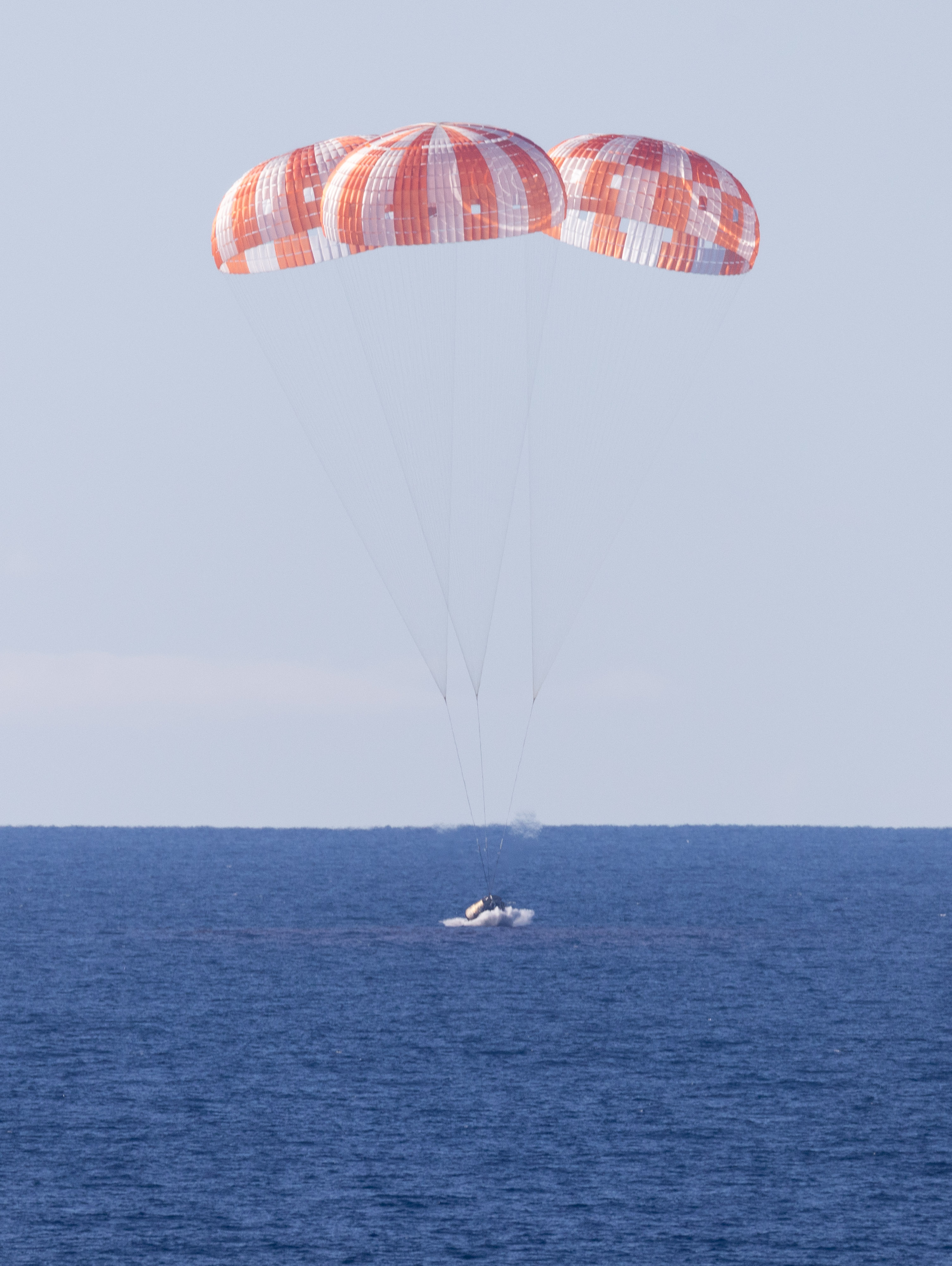
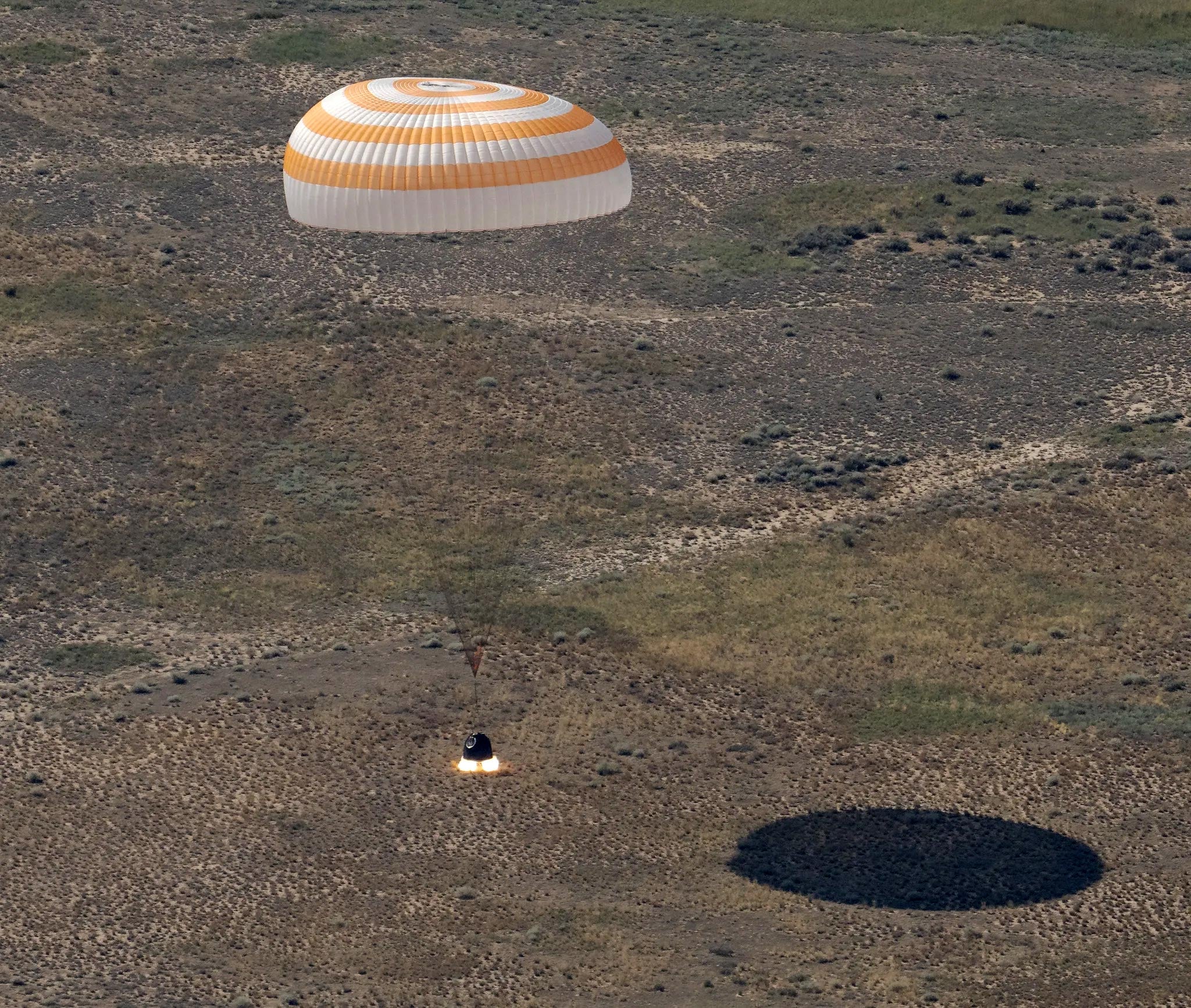
The crew's Soyuz MS-28 spacecraft performed a parachute-assisted descent, landing in the designated steppe area southeast of Dzhezkazgan, Kazakhstan. Scitechdaily notes the landing occurred following a sequence where the crew departed the station and descended after completing 3,856 orbits—while primary reports also describe the flight as nearing 4,000 orbits—logging a traversal distance exceeding 102 million miles in total.
Related media
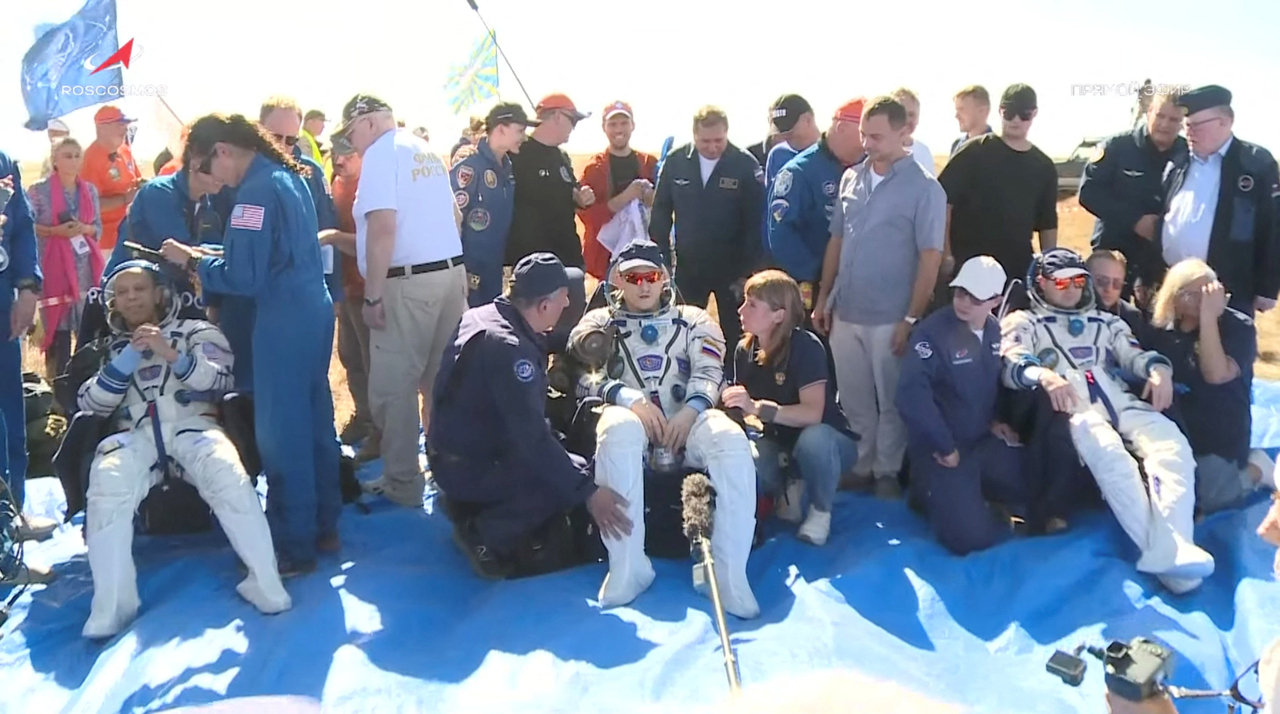
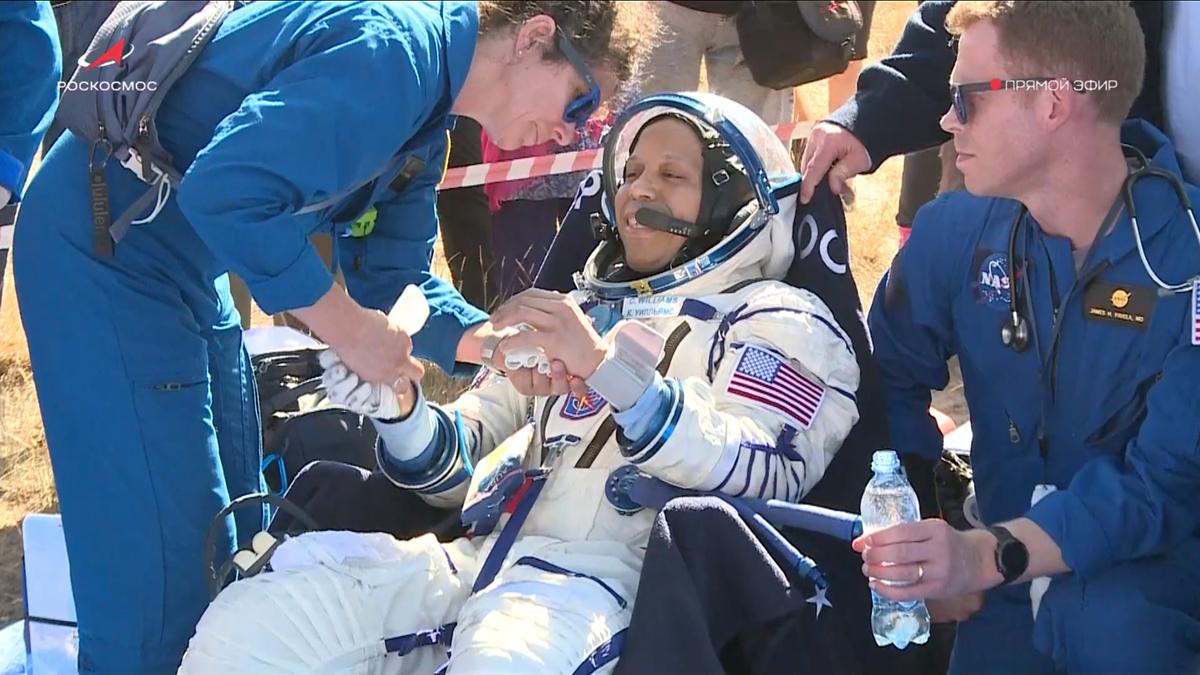
For Williams and Mikaev, the voyage represented their first space mission. Kud-Sverchkov completed his second journey into space.
Scientific Contributions and Orbital Maintenance
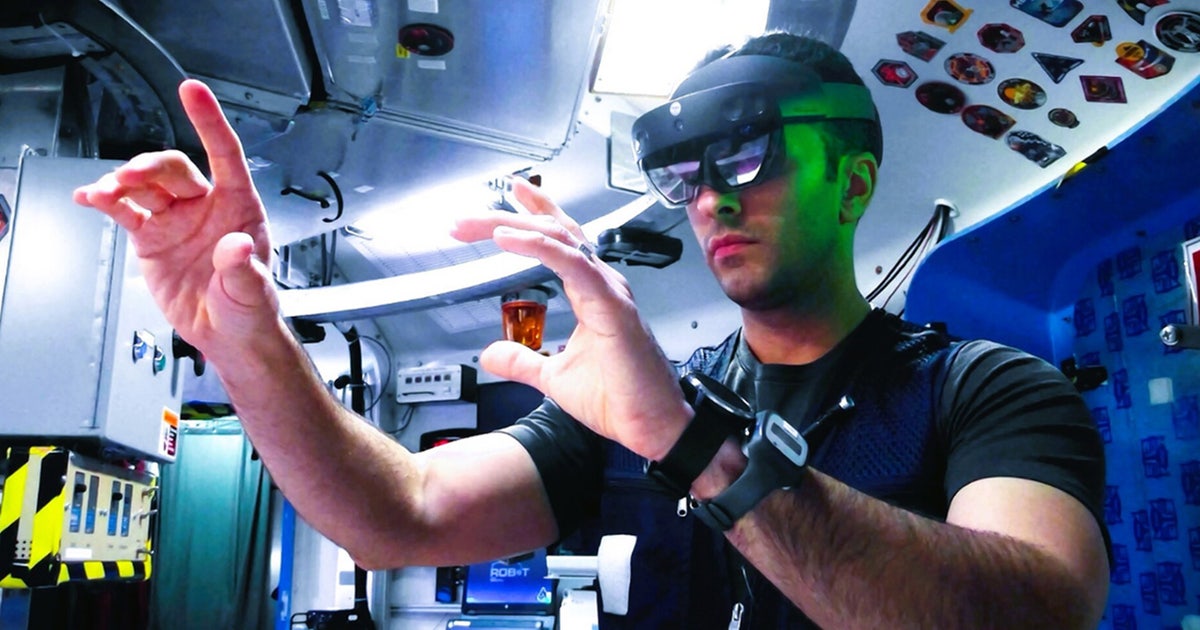
The mission focused heavily on advancing research intended to benefit life on Earth while helping prepare humanity for future exploration of the Moon and Mars. Williams contributed to various scientific studies and technology demonstrations. According to SciTechDaily, his work included research that could support the development of new cancer treatments, as well as experiments focused on improving the production of materials used in high-performance computers and electronics in space.
Williams also carried out two spacewalks during his time aboard the orbiting laboratory. The first spacewalk helped prepare the station for upgrades to its power systems, while the second involved replacing a faulty joint on the Canadarm2 robotic arm.
The space station has maintained a continuous human presence for more than 25 years. This unique environment allows researchers to conduct scientific discoveries and experiments that cannot be replicated under normal conditions on Earth. The station also allows NASA to study the challenges of long-duration human spaceflight, develop commercial activity in low Earth orbit, and prepare for future missions, including journeys to the Moon through the Artemis program and crewed exploration of Mars.
Geopolitical Resilience in Orbit
The mission highlighted continued cooperation between the United States and Russia in space exploration despite political tensions and deteriorating ties between the two countries following Russia’s military action in Ukraine. Mathrubhumi notes that the two nations, once major rivals during the Cold War space race, have continued joint operations aboard the ISS, utilizing both American and Russian spacecraft.
After completing medical evaluations following the landing, the three crew members were scheduled to travel by helicopter to Karaganda, Kazakhstan, where recovery teams are based. Williams is set to board a NASA aircraft for the trip to the agency’s Johnson Space Center in Houston, while Kud-Sverchkov and Mikaev will return to a training facility or base at Star City outside Moscow.
Station Handover and Expedition Crew
Other international crews continue operations aboard the orbital laboratory. Another international crew arrived at the ISS for an eight-month mission after launching from the Russia-leased Baikonur Cosmodrome in Kazakhstan. NASA astronaut Anil Menon and Roscosmos cosmonauts Pyotr Dubrov and Anna Kikina launched and joined Expedition 75. Upnorthlive notes that NASA Administrator Jared Isaacman attended the launch, marking the first visit by a NASA chief to Baikonur in eight years.
The newly arrived crew is working alongside NASA astronauts Jessica Meir and Jack Hathaway, European Space Agency astronaut Sophie Adenot, and Roscosmos cosmonaut Andrei Fedyaev as part of ongoing ISS operations.
Mission Milestones
- Total Duration: 241 days in space
- Orbits Completed: 3,856 revolutions around Earth
- Distance Traveled: More than 102 million miles
- Landing Location: Kazakhstan steppe, southeast of Dzhezkazgan
- Spacecraft: Soyuz MS-28
Archypedia is dedicated to independent, evidence-backed reporting. This briefing was synthesized from primary source reporting, corroborated across independent newsrooms, and verified against our Editorial Standards.
Transparency record
Evidence behind this report
This report synthesizes 5 distinct sources. Open the source ledger below to compare the underlying coverage.
- english.mathrubhumi.com
- timesofindia.indiatimes.com
- scitechdaily.com
- biz.heraldcorp.com
- upnorthlive.com
Prepared under the Archypedia Editorial Policy by the Niko Vale editorial desk profile. AI-assisted tools may support drafting and verification; public accountability remains with Archypedia. Report an error.