
World
Houthis Capture Mocha as Yemeni Coastal Defense Line Collapses
The collapse of a decade-old coastal defense line puts the Red Sea's primary energy bypass at risk and triggers mass civilian displacement.
The collapse of a decade-old coastal defense line puts the Red Sea's primary energy bypass at risk and triggers mass civilian displacement.

The escalation marks a return to open hostilities as the U.S. applies a 'tanker doctrine' of attrition and Brent crude prices briefly climb to $99.46 per barrel.

The seizure of an Anduril Dive-LD submersible coincides with a surge in oil prices and the U.S. destruction of five Iranian crude oil carriers.

The strikes on the M/T Downy, Stark 1, and M/T Kylo follow IRGC attacks on American warships and come amid the effective closure of the Strait of Hormuz.
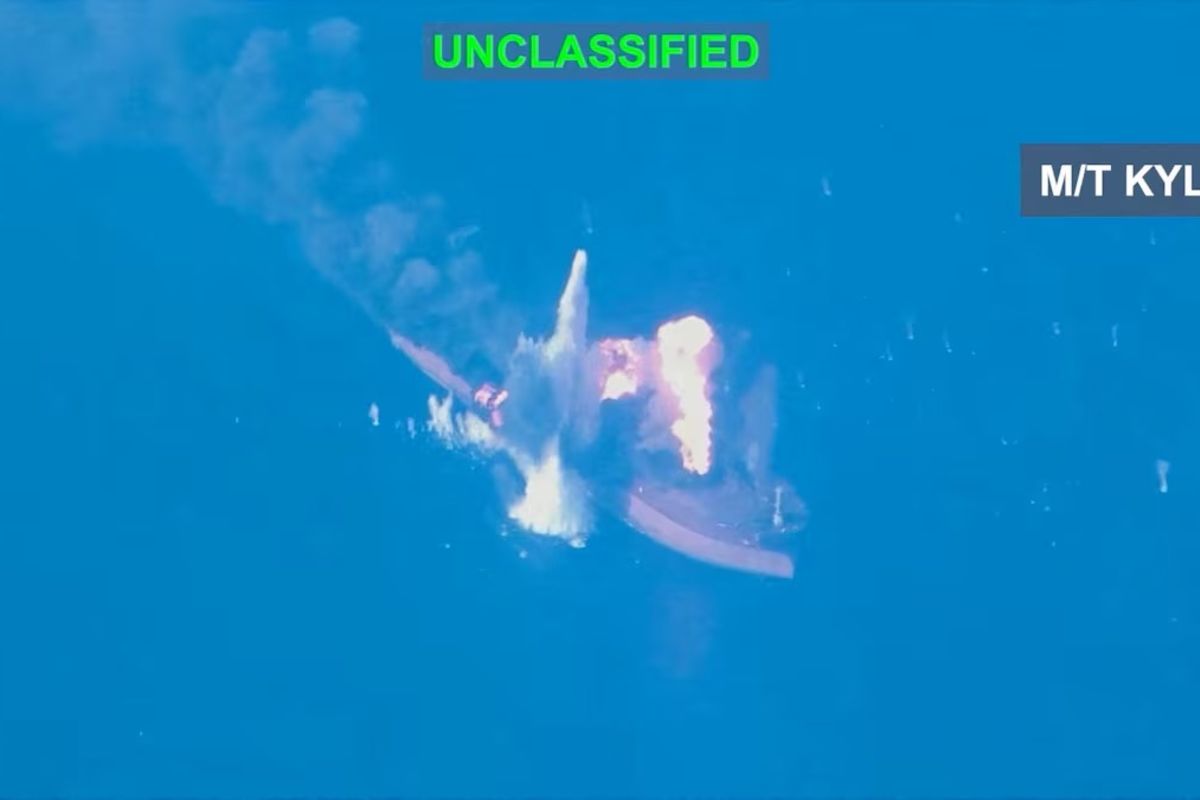
The US military has pivoted to an 'asset-for-missile' doctrine, sinking the MT Kylo and disabling two other carriers to bankrupt funding for the IRGC.

The threat follows a five-month military campaign that has cost over $37.5 billion and resulted in the deaths of 18 US service members.

The conflict enters a volatile phase as joint US-Saudi strikes kill IRGC members and commercial traffic in the Strait of Hormuz nears a total collapse.
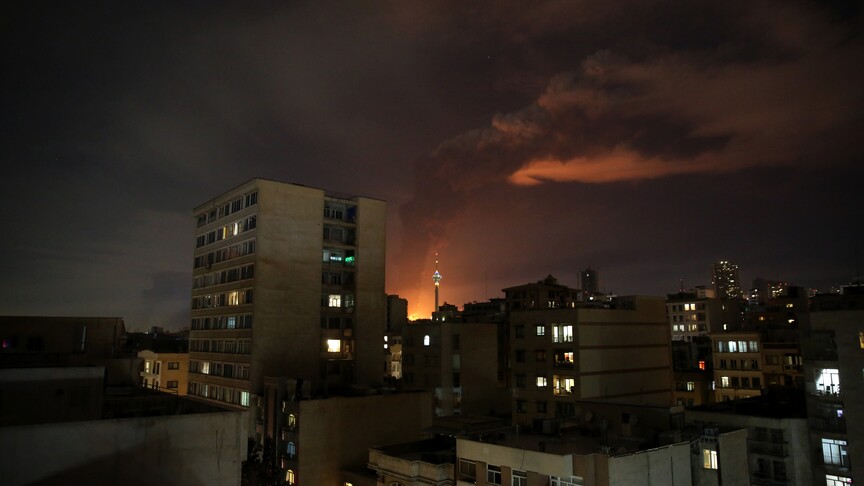
US forces are conducting a sustained campaign against Iranian military sites following the collapse of a ceasefire. The conflict has expanded to include retaliatory strikes in Kuwait and Jordan, impacting energy prices and shipping routes.
Airstrikes against Iranian military infrastructure have intensified following the deaths of U.S. service members, fueling regional volatility and rising oil prices.
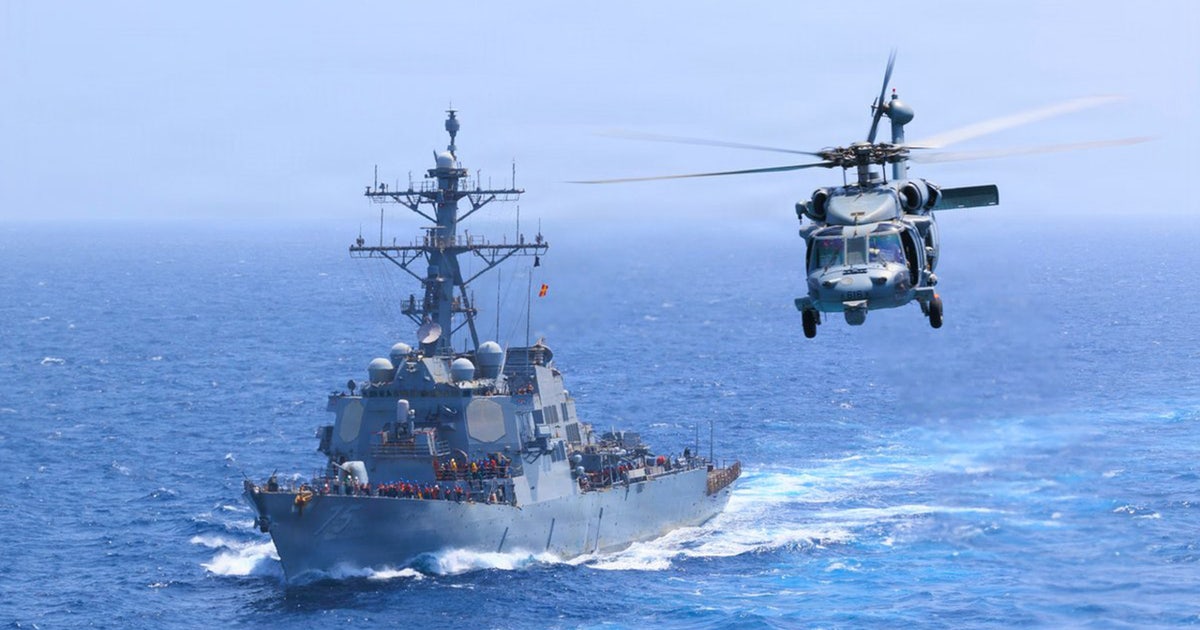
Following the deaths of two American service members, the US has escalated its military campaign against Iran by targeting IRGC infrastructure. These hostilities follow the breakdown of an interim peace agreement signed last month.

The US military conducted an eighth night of airstrikes against Iranian infrastructure following a deadly attack in Jordan. Tensions continue to rise as the US imposes a naval blockade on Iranian ports and the conflict expands into the region.
US Central Command has concluded a wave of airstrikes targeting IRGC facilities in response to a deadly drone attack at a Jordanian military base.
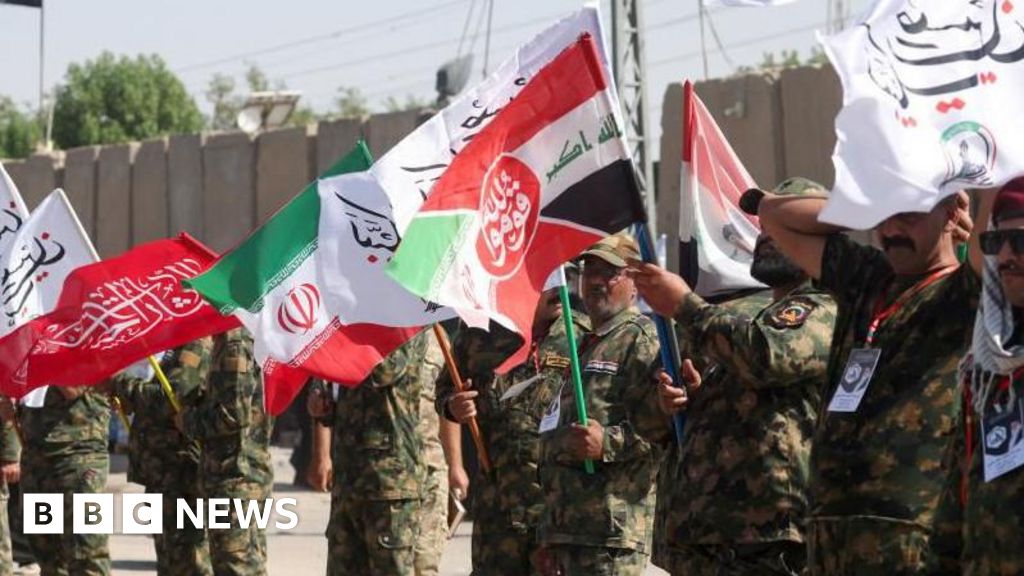
Military hostilities between the US and Iran have surged, resulting in a collapsed ceasefire and the closure of the Strait of Hormuz to tanker traffic. Both nations are engaged in retaliatory strikes that have significantly impacted global oil prices and regional security.
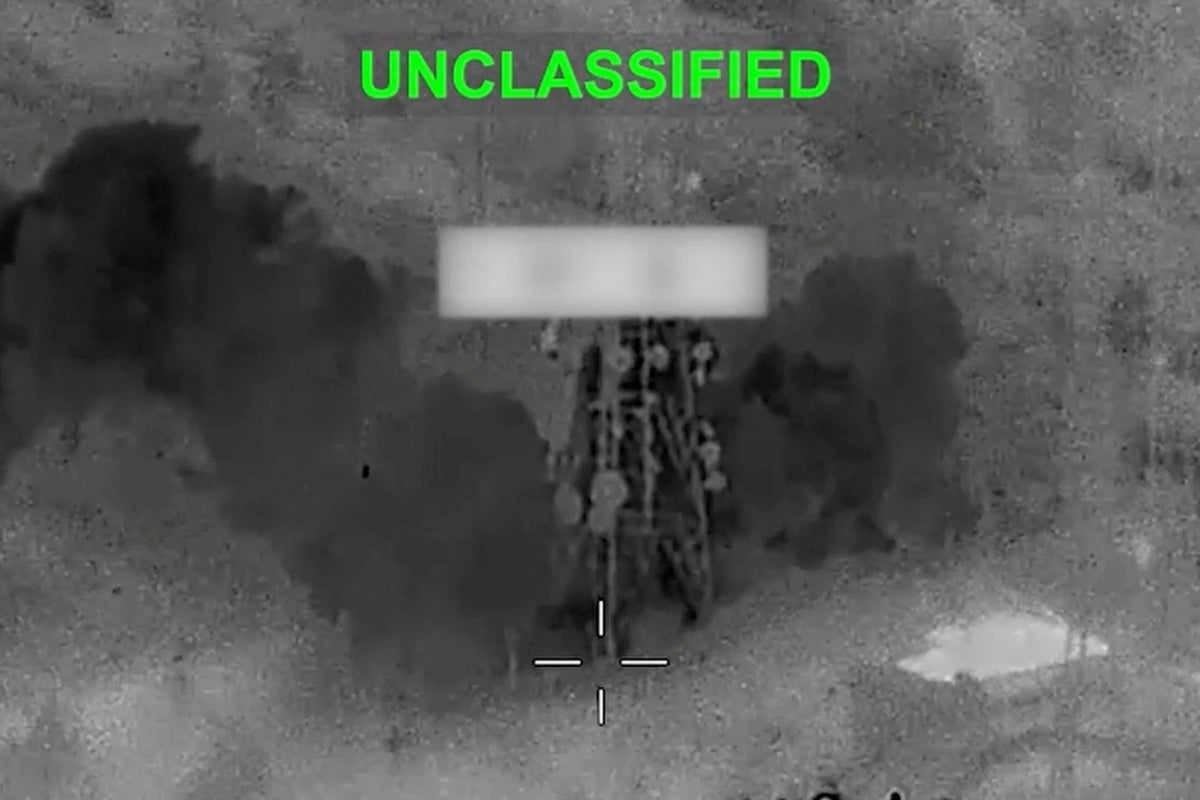
The military conflict between the US and Iran has intensified, leading to missile strikes on Gulf energy facilities and a naval blockade of Iranian ports.

The United States has intensified its campaign against Iranian infrastructure following the collapse of a ceasefire, leading to retaliatory strikes across the Middle East.
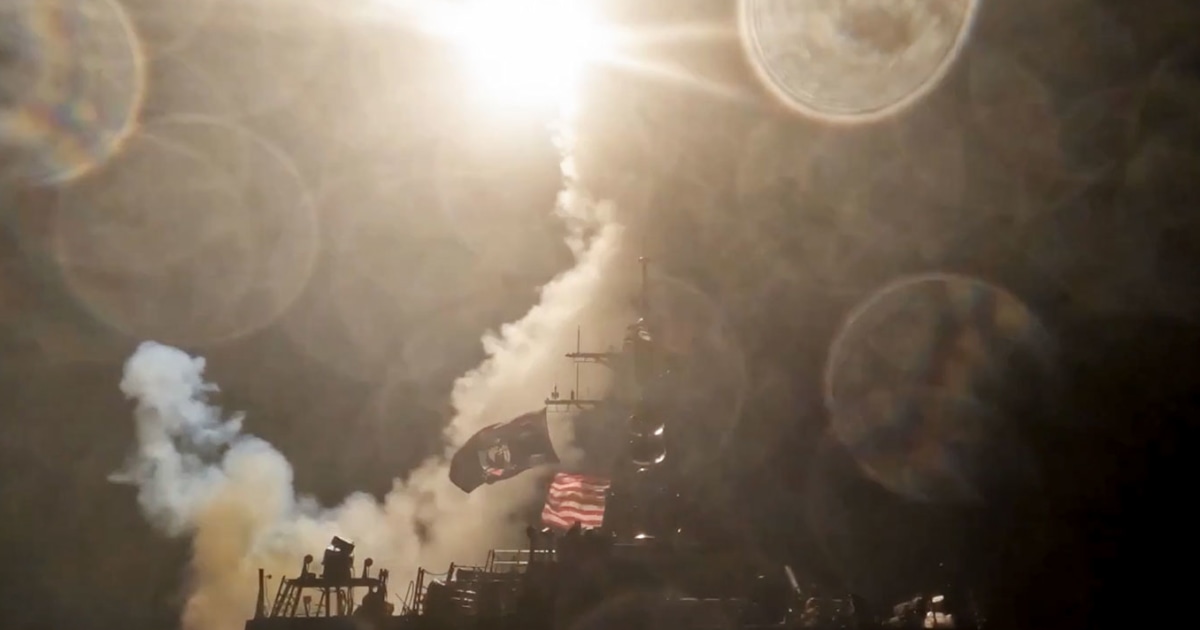
U.S. forces have intensified an aerial campaign against Iranian military logistics and infrastructure to influence control over the Strait of Hormuz. In response, Iran has launched retaliatory strikes on regional assets, further destabilizing global energy markets.
U.S. airstrikes continue to target Iranian logistics and military sites as the conflict over the Strait of Hormuz triggers regional retaliatory attacks.
US forces have intensified operations against Iran following the closure of the Strait of Hormuz and retaliatory strikes across the Gulf region. These actions occur as diplomatic efforts to secure the maritime corridor reach a stalemate.
President Donald Trump has ordered massive airstrikes against Iranian assets following the IRGC's closure of the strategic Strait of Hormuz and an attack on a civilian cargo ship.
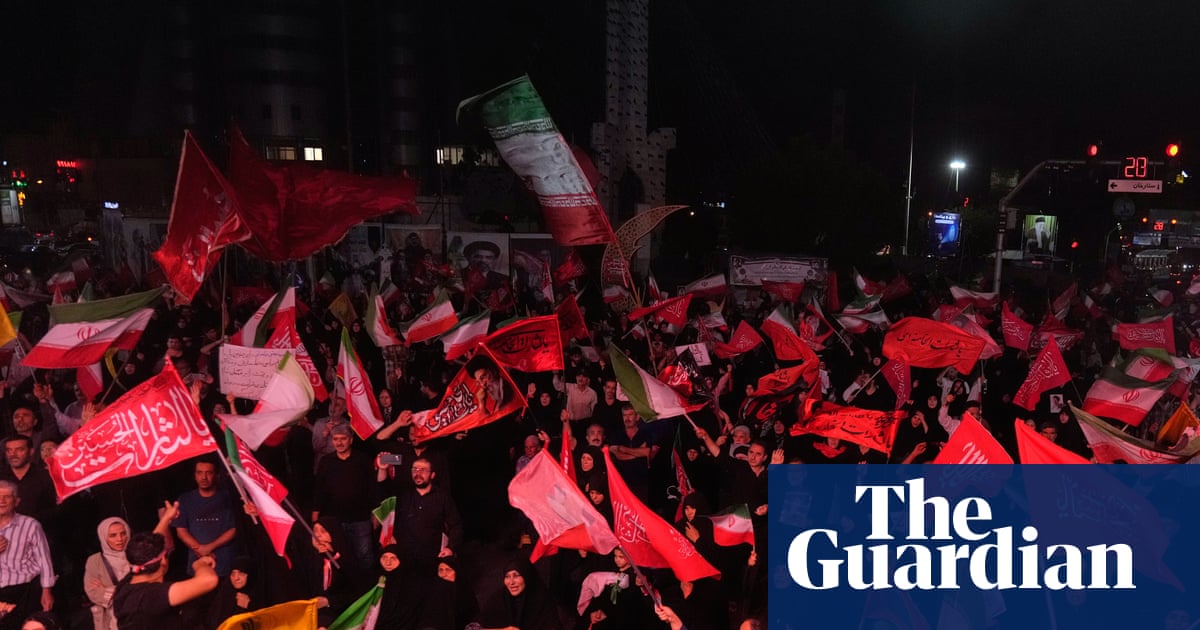
The US launched strikes on at least 140 Iranian sites following an IRGC attack on a commercial vessel and the closure of the Strait of Hormuz.