US strikes Iranian Revolutionary Guard following deadly attack in Jordan
The US military conducted an eighth night of airstrikes against Iranian infrastructure following a deadly attack in Jordan. Tensions continue to rise as the US imposes a naval blockade on Iranian ports and the conflict expands into the region.

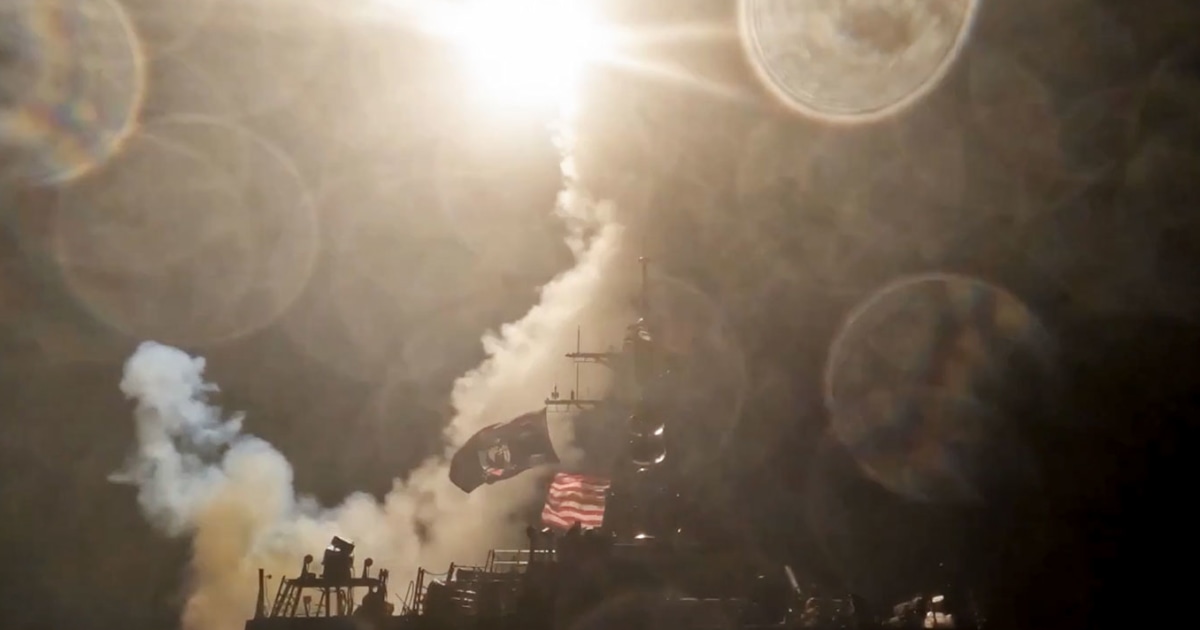
The United States military launched a fresh wave of airstrikes against Iran on Sunday, 19 July 2026, marking the eighth consecutive night of aerial operations in a conflict that has rapidly spiraled beyond the terms of an interim peace agreement. The intensification follows a deadly Iranian attack in Jordan on Friday, 17 July 2026, which claimed the lives of two American service members, left one missing, and forced four others to require hospitalization.
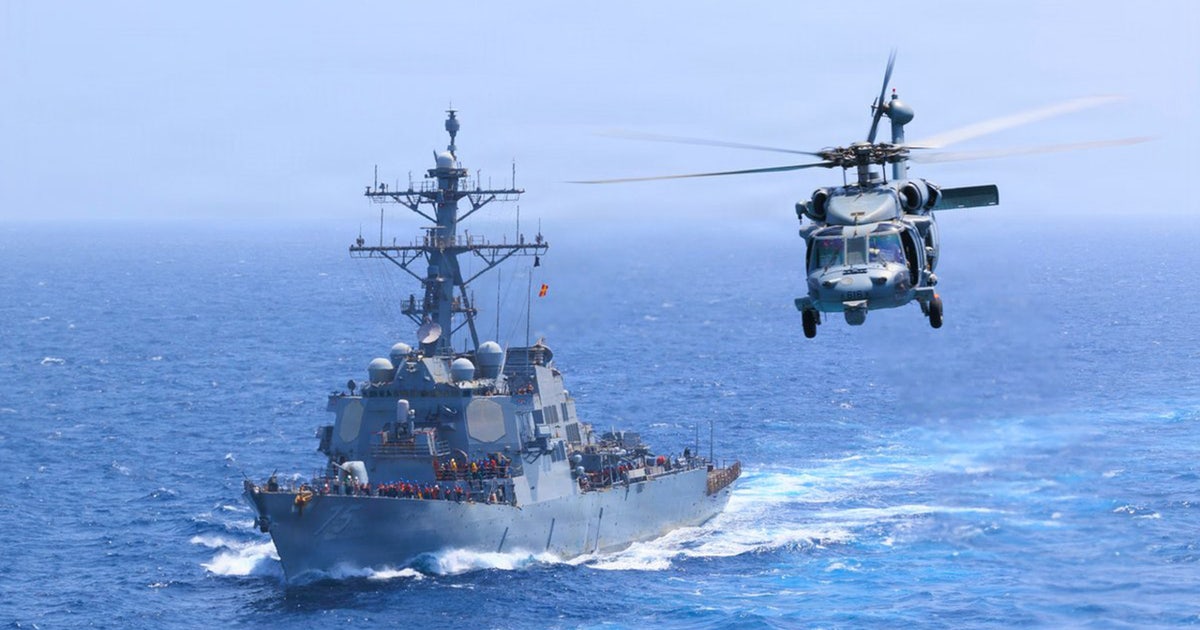
According to ABC News, the U.S. Central Command confirmed that the latest sorties were directed at degrading Iran’s ability to influence the Strait of Hormuz and to "swiftly punish" the Islamic Revolutionary Guard Corps (IRGC) for the strike on American personnel. The U.S. Military reported hitting coastal surveillance installations, air defense systems, and weapons storage sites. As the fighting over the vital shipping lane deepens, the U.S. Has also reimposed a naval blockade on Iranian ports, a move reported by the Boston Globe to have resulted in the redirection of five ships and the disabling of another.
Related media
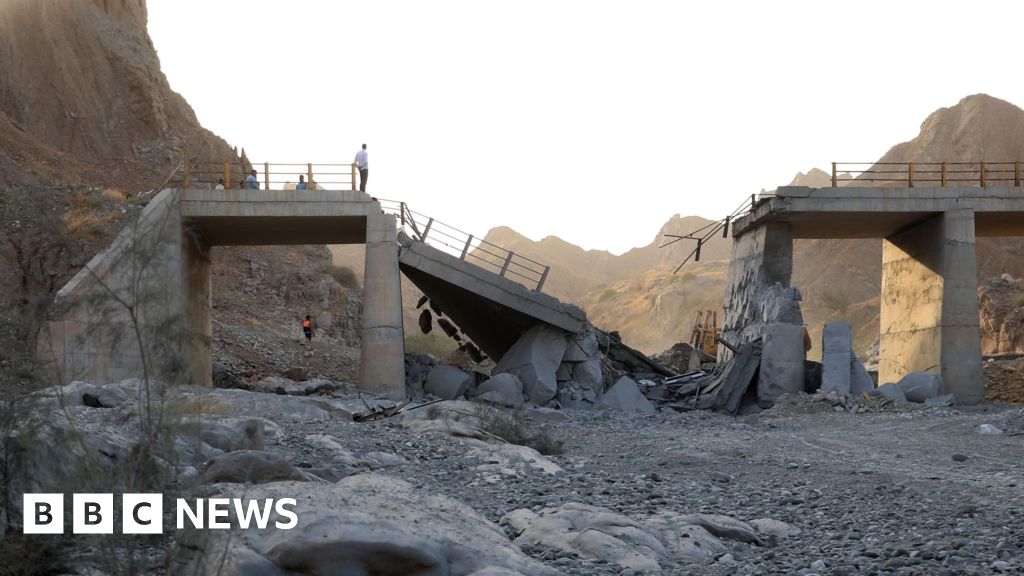
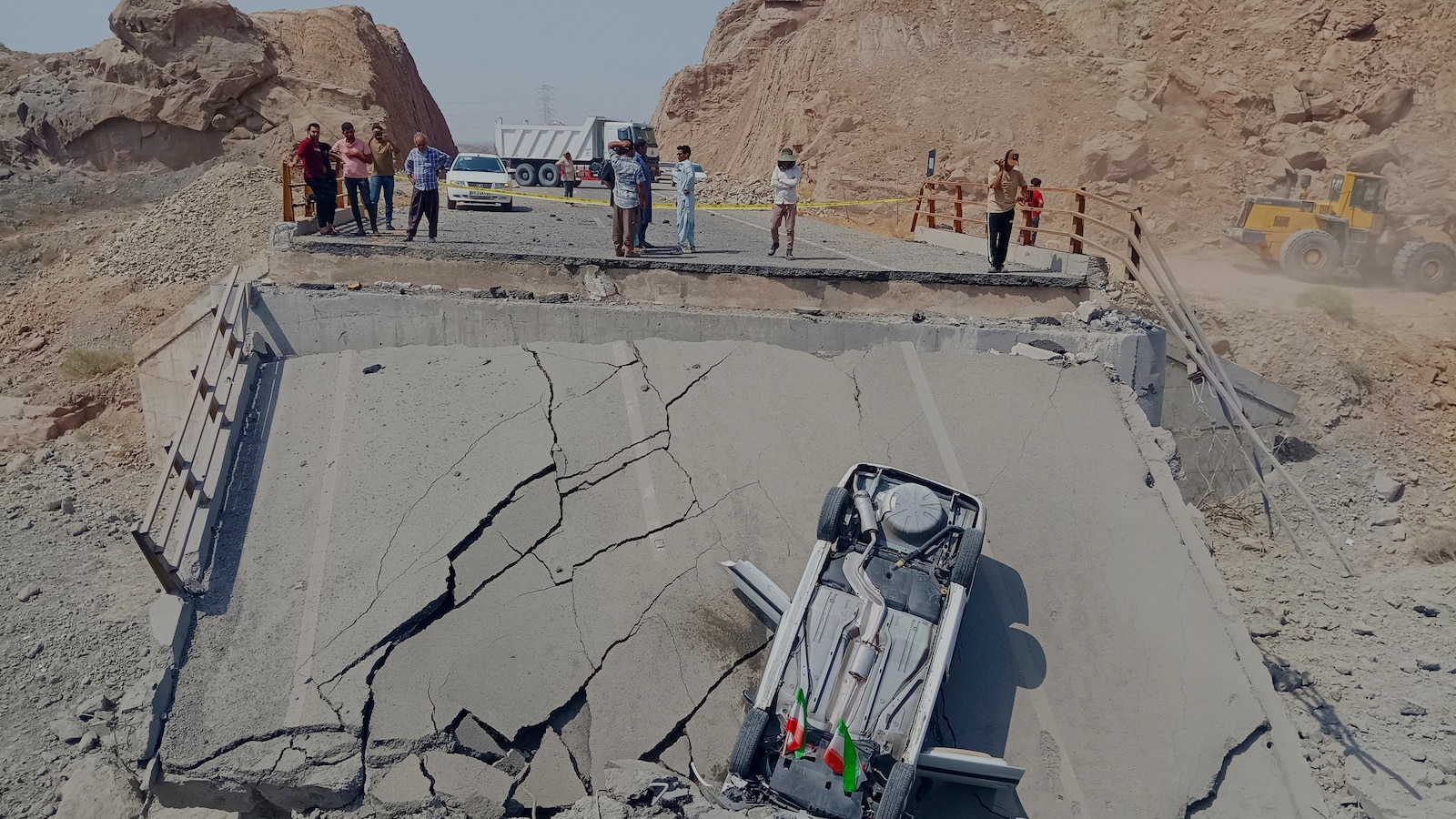
The collapse of the ceasefire, signed only one month ago, has seen both nations abandon previous constraints on targeting. While the U.S. Maintains it is striking military logistics, bridges, and infrastructure supporting the Iranian war effort, Tehran has countered by hitting power and water desalination plants in Kuwait. The BBC reports that this expansion has drawn sharp condemnation from the Gulf Cooperation Council, with Secretary-General Jasem Mohamed al-Budaiwi accusing Iran of committing war crimes through the deliberate targeting of civilian-adjacent infrastructure.
Escalating Rhetoric and Regional Strain
The political fallout has been as swift as the military maneuvers. Iran’s Supreme Leader, Mojtaba Khamenei, issued a statement on Saturday declaring that the U.S. President’s signature on the now-defunct memorandum of understanding was utterly worthless and devoid of credibility
. This sentiment was echoed by military officials in Tehran, who warned of a devastating response
to continued American brutality
.
Tensions reached a peculiar apex on Sunday morning when the U.S. Embassy in Amman, Jordan, issued a warning regarding the evacuation of the international airport and seaport in Aqaba due to a specific and credible threat
. The Jordanian government immediately disputed this, stating they had detected no such threats and had issued no evacuation orders.
Casualties and Impact
The human cost of the conflict, which began on 28 February 2026, continues to rise. The U.S. Military reports 16 service members killed and over 430 wounded since the start of hostilities. Iran’s Health Ministry claims that U.S. Strikes have resulted in at least 50 deaths and over 500 injuries within its own borders over the past three weeks.
| Category | Reported Details |
|---|---|
| U.S. Casualties | 16 dead; 430+ wounded since Feb 28 |
| Iranian Reported Casualties | 50 dead; 500+ wounded in latest U.S. Strikes |
| Strait of Hormuz Status | Blockaded; 1/5 of global oil supply threatened |
| Infrastructure Targets | Bridges, power/desalination plants, surveillance sites |
What to Watch Next
- Diplomatic Movements: Lebanese President Joseph Aoun is scheduled to visit the White House this week to present a proposal regarding the status of Hezbollah and the regional security environment.
- Strait Operations: With the IRGC warning that vessels transiting the Strait via
unsafe routes
will face accidents, global energy markets remain highly volatile. - Military Stance: Iran’s Joint Military Command has signaled that continued U.S. Pressure could lead to a shift from retaliatory strikes to a broader, full-scale offensive.
As the US launches strikes against Iran into their second week, the Aol reporting highlights that the White House has offered little clarity on a long-term exit strategy from the renewed fighting, leaving regional allies caught in the crossfire as they manage the dual pressures of Iranian drone threats and the economic fallout of damaged utility infrastructure.
Archypedia is dedicated to independent, evidence-backed reporting. This briefing was synthesized from primary source reporting, corroborated across independent newsrooms, and verified against our Editorial Standards.
Transparency record
Evidence behind this report
This report synthesizes 12 distinct sources. Open the source ledger below to compare the underlying coverage.
- bbc.com
- bostonglobe.com
- aol.com
- cnbctv18.com
- abcnews.com
- econotimes.com
- irishtimes.com
- finance.yahoo.com
- aljazeera.com
- foxnews.com
- yahoo.com
- npr.org
Prepared under the Archypedia Editorial Policy by the Samir Haddad editorial desk profile. AI-assisted tools may support drafting and verification; public accountability remains with Archypedia. Report an error.