Iran strikes US base in Kuwait as US-Saudi operations kill IRGC members
The conflict enters a volatile phase as joint US-Saudi strikes kill IRGC members and commercial traffic in the Strait of Hormuz nears a total collapse.

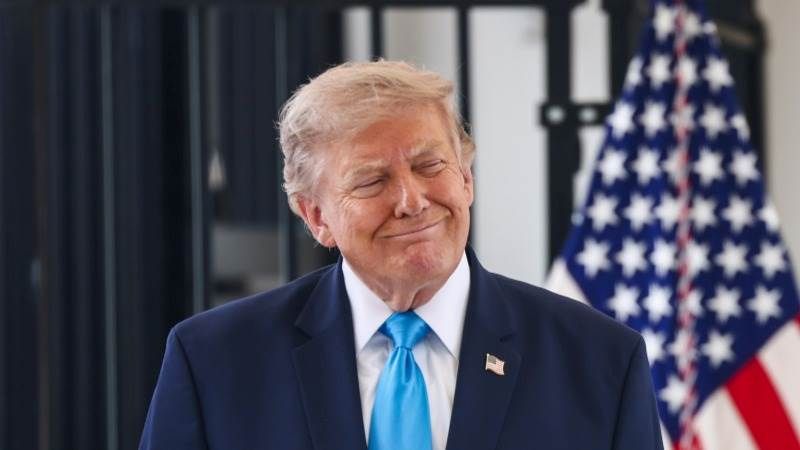
President Donald Trump described the war with Iran as going well
and claimed the Iranian military has been decimated
. However, this rhetoric contrasts with a widening circle of violence as Iranian drones struck U.S. Military facilities in Kuwait and missiles targeted bases in Jordan, while the bodies of five Islamic Revolutionary Guard Corps (IRGC) members were returned to Iran following joint U.S.-Saudi strikes in Iraq.
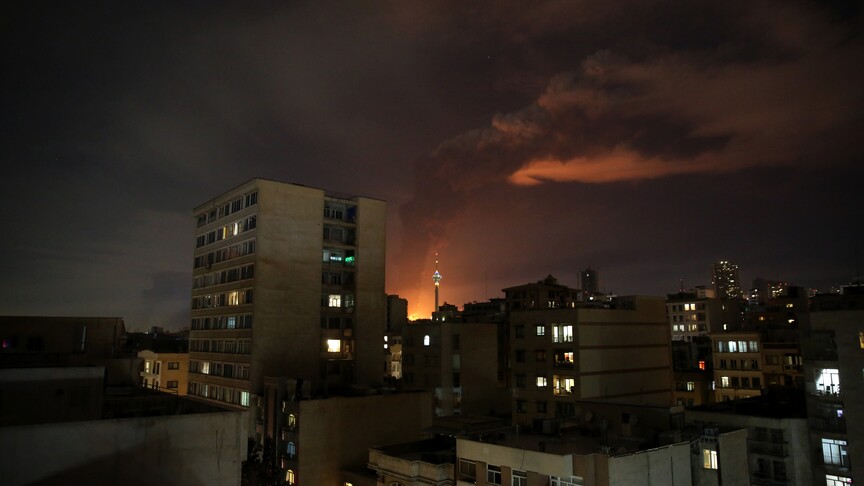
The conflict has entered a volatile phase of retaliatory cycles. According to Yahoo, Iranian military officials stated they targeted fighter aircraft shelters, satellite communications systems, and equipment storage at Ahmad al-Jaber Air Base in Kuwait. This attack followed U.S. Strikes on Qeshm Island in the Strait of Hormuz, which local media reported killed three members of a single family, including a child. In Jordan, the IRGC claimed to have destroyed three F-35 stealth fighters at Al-Azraq Air Base, though U.S. Central Command (CENTCOM) disputed these losses, stating no U.S. Aircraft were destroyed or damaged.
Related YouTube video

The escalation now includes a significant shift in regional alliances: Saudi Arabia has joined U.S. Kinetic operations in Iraq. This marks the first time a Persian Gulf nation has publicly engaged in the five-month war, which began on Feb. 28. The joint U.S.-Saudi strikes targeted the Hashed al-Shaabi coalition, killing at least 20 militants, including the five IRGC members whose bodies were returned through the Mehran border crossing in western Ilam province, as reported by Yahoo.
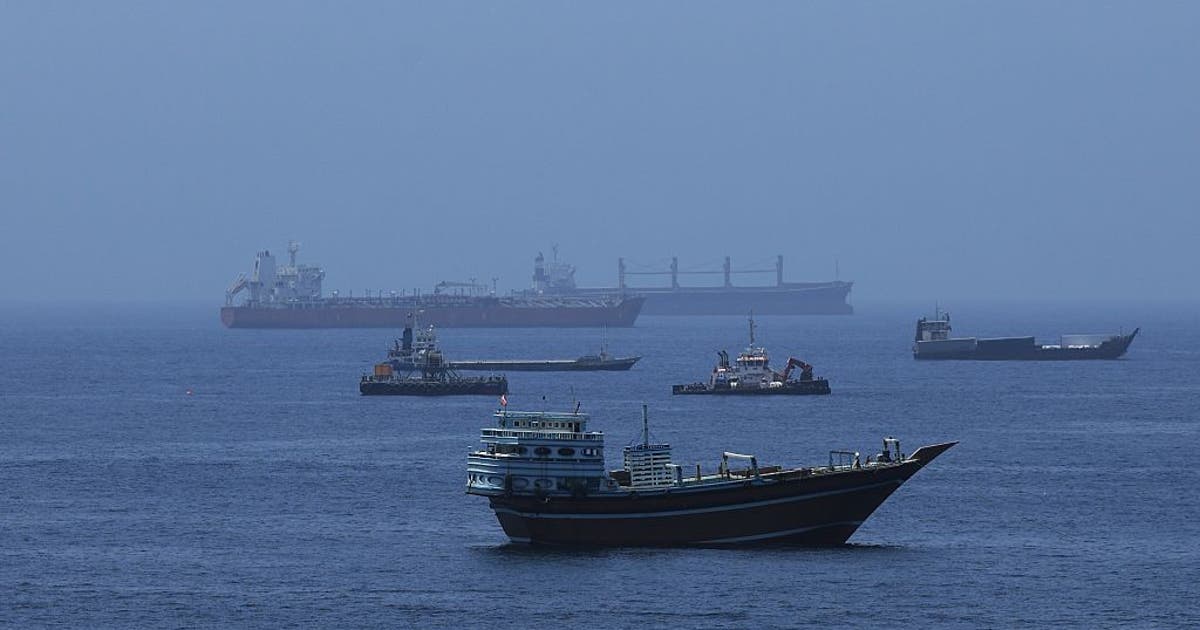
While the military front expands, the economic artery of the region is failing. The IRGC insists the Strait of Hormuz is closed to commercial traffic, claiming they halted two oil tankers attempting to transit under U.S. Air escort. CENTCOM has publicly insisted the waterway remains open, but commercial data suggests a near-total collapse in traffic.
| Source/Period | Strait of Hormuz Daily Crossings |
|---|---|
| United Nations (Pre-war average) | ~130 |
| Kpler (Tuesday, July 29) | 19 |
| Kpler (Wednesday, July 30) | 22 |
| Kpler (Thursday, July 31) | 5 |
This maritime paralysis affects roughly 20 percent of global oil shipments. The instability has further extended to Egypt, where drone strikes on Wednesday hit two natural gas vessels at the Mediterranean port of Damietta. While Houthi-affiliated news agency Saba denied the movement was behind the Egypt attack, the Houthis have recently announced a maritime blockade of Saudi ports and threatened to close the Bab el-Mandeb Strait, according to Fox News.
Domestically, the Trump administration faces a shrinking window of military sustainability and growing political friction. A poll by The Associated Press and NORC Center for Public Affairs Research found that about two-thirds of U.S. Adults believe the war with Iran has not been worthwhile. In the Senate, a resolution brought by Senator Kirsten Gillibrand to limit the president's war powers was narrowly rejected on Thursday, July 31, losing 49-50.
The U.S. Is also confronting a critical depletion of missile defense stockpiles. According to the Center for Strategic and International Studies (CSIS), Patriot interceptor inventories have dropped from roughly 2,300 pre-war to fewer than 827, while THAAD interceptors fell from 452 to fewer than 278. Rebuilding these stockpiles could take three years or more, which Fox News reports raises concerns about protecting U.S. Forces if another major conflict erupts in the Pacific.
Despite the violence, Pakistan has acted as a mediator for months and reported Thursday that indirect negotiations are ongoing, specifically regarding the de-escalation of the Strait of Hormuz. This follows the collapse of a memorandum of understanding earlier this month. Simultaneously, President Trump announced a HISTORIC agreement
for the phased disarmament of Hamas in Gaza, though Israeli National Security Minister Itamar Ben Gvir called the plan unacceptable
.
Economic Warfare and Munition Depletion
Beyond the kinetic strikes, the U.S. Is intensifying financial pressure. The U.S. Treasury has sanctioned Mahan Air, Iran's largest airline, for facilitating IRGC-Qods Force travel and UAV procurement, along with Chinese-based firms like Shanghai Wings.
This economic strategy coincides with a critical shortage of defensive weaponry. Kelly Grieco of the Stimson Center noted that over half the global inventory of these interceptors has been consumed in the Middle East, leaving limited excess for other theaters such as Europe or the Indo-Pacific.
Sustaining the Blockade
Maritime tensions remain acute. CENTCOM stated that as of July 31, U.S. Forces have redirected 24 commercial vessels, boarded two, and disabled two to enforce the blockade. This effort contrasts with the IRGC's claim that they halted two oil tankers attempting to use an unauthorized route
under U.S. Escort.
President Trump, while maintaining that the war is going well
, admitted Friday that back-and-forth attacks will likely continue. He suggested that the U.S. Will be hitting them
and hitting him very hard
until Tehran concludes they just can't take it anymore
, as reported by Fox Baltimore.
The immediate strategic concern now rests on the U.S. Senate's potential for further action before the recess begins Aug. 10.
Archypedia is dedicated to independent, evidence-backed reporting. This briefing was synthesized from primary source reporting, corroborated across independent newsrooms, and verified against our Editorial Standards.
Transparency record
Evidence behind this report
This report synthesizes 5 distinct sources. Open the source ledger below to compare the underlying coverage.
Prepared under the Archypedia Editorial Policy by the Samir Haddad editorial desk profile. AI-assisted tools may support drafting and verification; public accountability remains with Archypedia. Report an error.