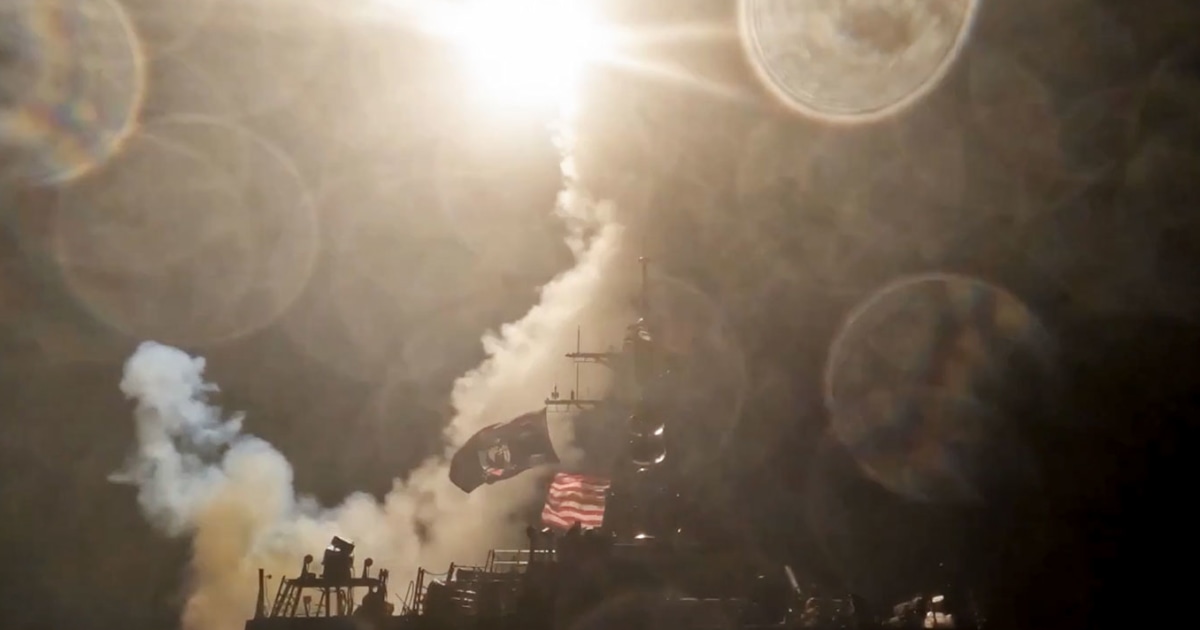
US and Iran exchange retaliatory strikes as Strait of Hormuz tensions rise
Military hostilities between the US and Iran have surged, resulting in a collapsed ceasefire and the closure of the Strait of Hormuz to tanker traffic. Both nations are engaged in retaliatory strikes that have significantly impacted global oil prices and regional security.
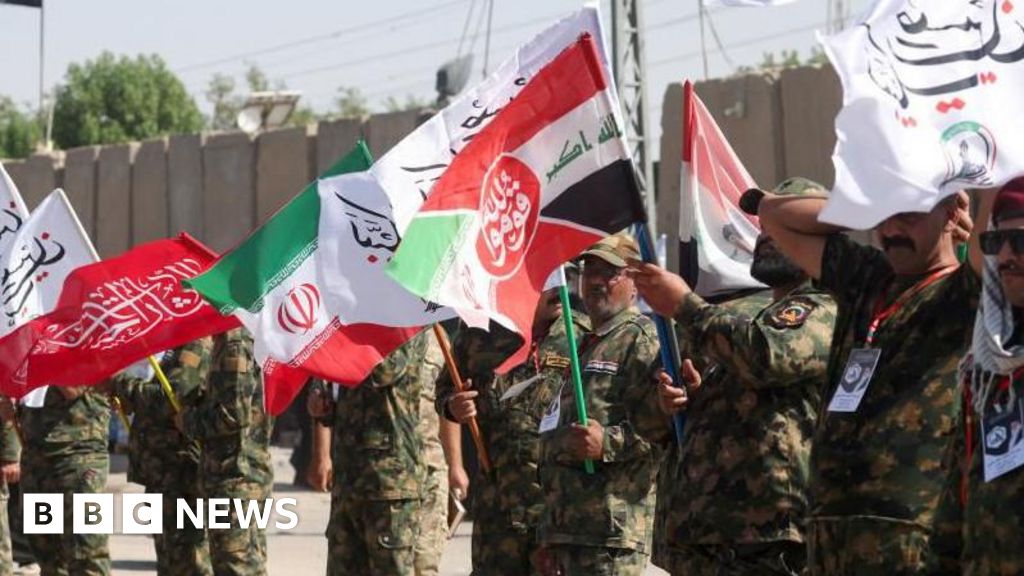
Military hostilities between the United States and Iran have surged to a critical intensity as both nations trade waves of strikes, effectively collapsing a preliminary ceasefire agreement and intensifying the struggle for control over the Strait of Hormuz. The conflict, which first ignited on 28 February 2026, has entered a renewed phase of open warfare that has seen continuous engagement through mid-July 2026.
The latest escalation follows the breakdown of a 14-point memorandum of understanding signed last month. While the agreement was intended to facilitate a permanent end to the war, diplomatic efforts have stalled. The conflict now centers on the narrow waterway, which historically serves as a vital corridor for global energy supplies. The United States has reimposed a naval blockade on Iranian ports, while Tehran has declared the Strait of Hormuz effectively closed to traffic. Tehran maintains that the waterway will remain inaccessible until the end of what it describes as American aggression.
Related media
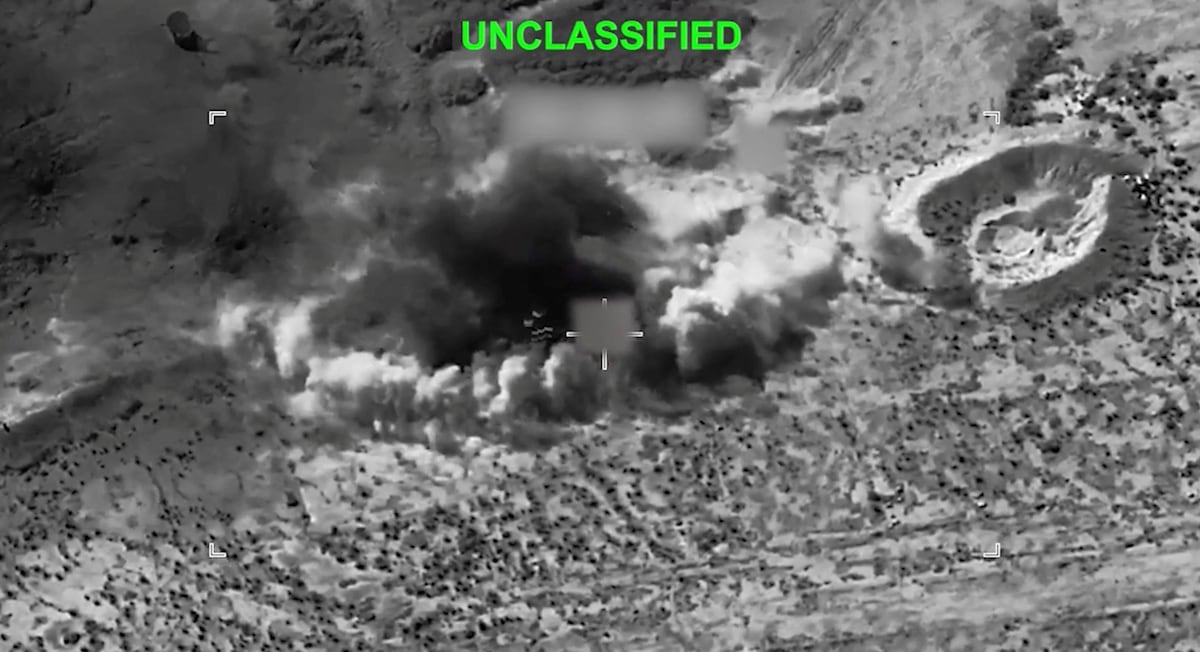


Military Exchanges and Targeting Disagreements
The U.S. Military has conducted successive waves of aerial and naval operations, with Central Command (Centcom) reporting a significant surge in intensity. In operations occurring through the week ending 17 July 2026, the U.S. Struck numerous targets, including coastal defense systems, cruise missile storage and launch sites, air defense batteries, and surveillance facilities. Specific sites hit include locations in Bandar Abbas, Greater Tunb Island, and facilities in the provinces of Hormozgan and Sistan and Baluchestan. According to the U.S. Military, these operations are designed to degrade the capabilities Tehran has utilized to threaten commercial shipping.
Tehran has responded by targeting U.S. Military installations across the Gulf, including sites in Bahrain, Kuwait, and Jordan. The Islamic Revolutionary Guard Corps (IRGC) claimed to have struck logistics hubs, radar systems, ammunition depots, and fuel storage facilities. Iranian state media and officials have accused the U.S. Of intentionally striking civilian infrastructure, reporting damage to bridges, a railway station, a pediatric cancer center in Ahvaz, and water infrastructure. Conversely, the White House has denied allegations of targeting civilian sites, maintaining that U.S. Strikes are focused exclusively on military logistics and defense architecture.
Regional Stakes and Energy Security
The closure of the strait has exerted immediate pressure on global markets. International Brent crude prices have reached one-month highs as tanker traffic through the corridor has effectively stalled. With a significant portion of global oil and liquefied natural gas previously transiting through the strait, the current deadlock threatens to disrupt energy supplies further. Regional mediators, including Pakistan, Qatar, and Egypt, remain in contact with both sides, though both Washington and Tehran appear locked in a retaliatory cycle.
The United States has attempted to maintain maritime security by providing support to vessels moving along an alternative shipping route near the Omani coastline. Tehran has actively opposed this move through military intimidation and repeated attacks on vessels utilizing the corridor.
Diplomatic Developments and Humanitarian Impact
Despite the combat, a minor diplomatic development occurred when an American detainee, Dena Karari, was released by Iran. U.S. President Donald Trump characterized the release as a gesture of goodwill, yet concurrently warned that military pressure on Iranian infrastructure would continue unless Tehran returns to the negotiating table. Tehran’s negotiators have countered by declaring that Iranian national security depends on maintaining local arrangements within the strait.
The conflict has resulted in significant casualties and displacement. Iranian health officials reported dozens of deaths and hundreds of injuries resulting from the most recent rounds of U.S. Strikes.
What to Watch Next
- Infrastructure Threats: President Trump has signaled that U.S. Military pressure may expand to target Iranian power plants and energy infrastructure if negotiations do not resume.
- Regional Involvement: Iran has asserted that countries hosting U.S. Military installations are complicit in the conflict, raising concerns regarding the potential expansion of hostilities to new fronts.
As of 19 July 2026, the situation remains fluid, with international energy markets closely monitoring the stability of the Strait of Hormuz and the potential for a return to full-scale, unconstrained warfare.
Archypedia is dedicated to independent, evidence-backed reporting. This briefing was synthesized from primary source reporting, corroborated across independent newsrooms, and verified against our Editorial Standards.
Transparency record
Evidence behind this report
This report synthesizes 11 distinct sources. Open the source ledger below to compare the underlying coverage.
- apnews.com
- bbc.com
- militarytimes.com
- yahoo.com
- aljazeera.com
- wsau.com
- aol.com
- news.abplive.com
- english.mathrubhumi.com
- econotimes.com
- abcnews.com
Prepared under the Archypedia Editorial Policy by the Samir Haddad editorial desk profile. AI-assisted tools may support drafting and verification; public accountability remains with Archypedia. Report an error.