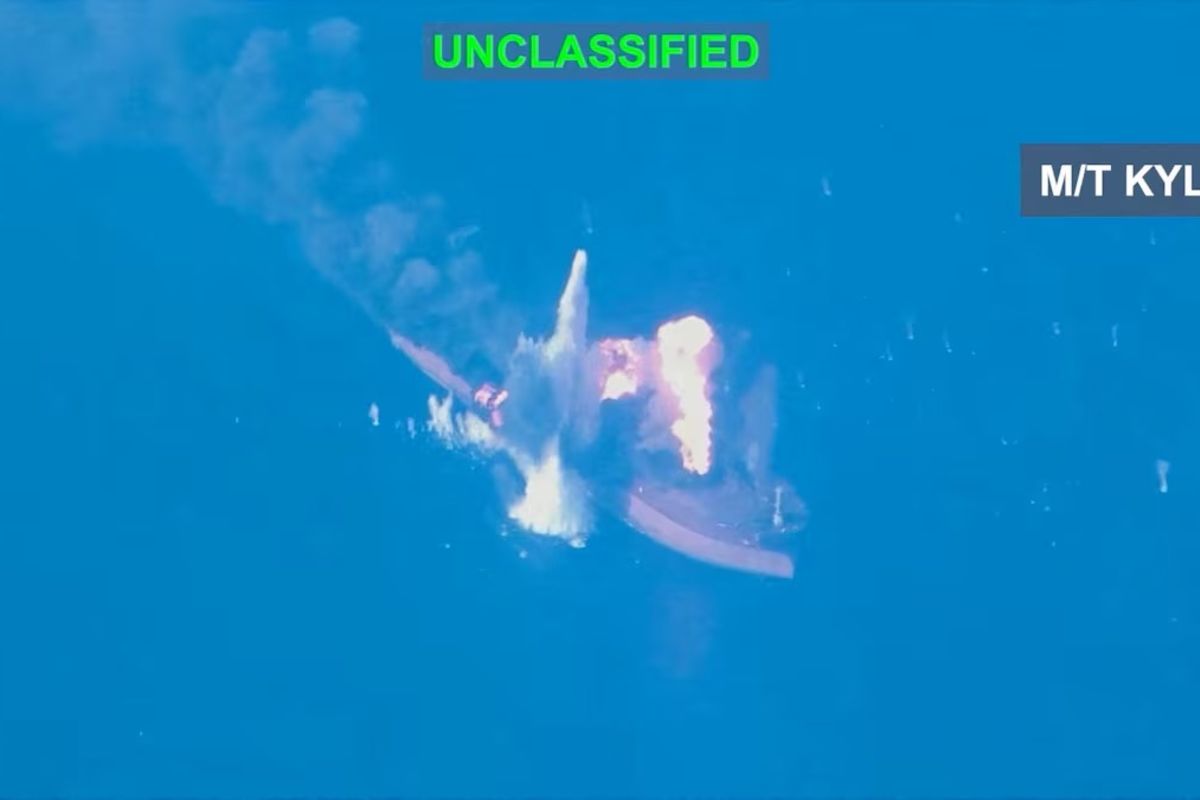
US destroys five Iranian oil tankers as Tehran strikes targets in Jordan
The escalation marks a return to open hostilities as the U.S. applies a 'tanker doctrine' of attrition and Brent crude prices briefly climb to $99.46 per barrel.

Kinetic Retaliation and the 'Shadow Fleet'
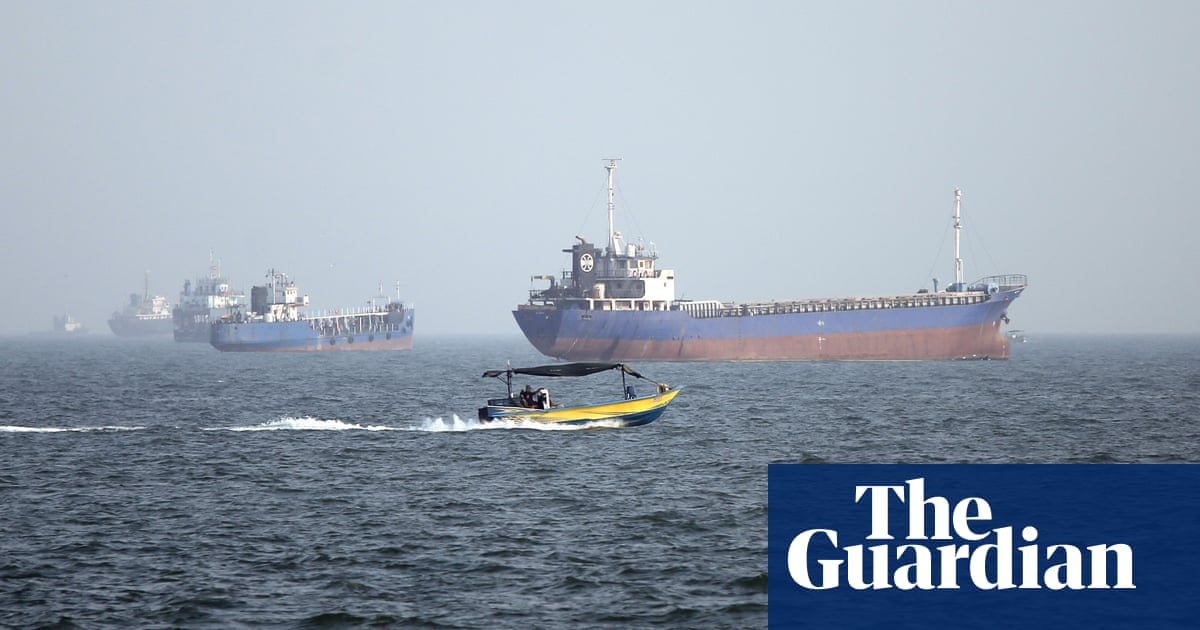
U.S. Central Command (CENTCOM) reported that the warship targeted by Iranian missiles successfully evaded both attacks, resulting in no American casualties. CENTCOM stated that crews were directed to abandon their ships before the strikes rendered the vessels inoperable.
Related YouTube video
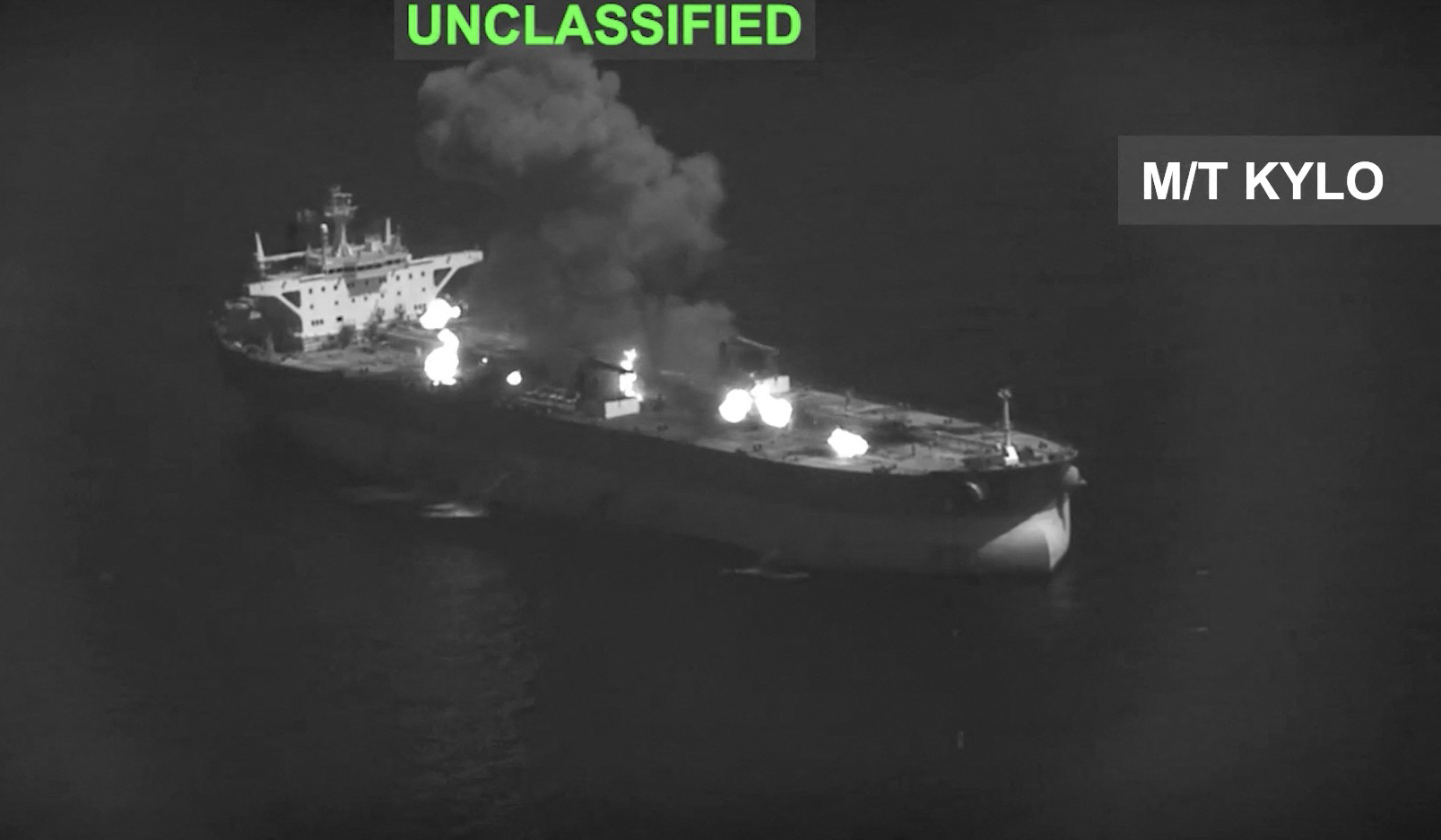
| Vessel Name | Location of Strike | Date of Action |
|---|---|---|
| Kivik | Gulf of Oman | September 8, 2026 |
| Charminar | Gulf of Oman | September 8, 2026 |
| Horizon 1 | Gulf of Oman | September 8, 2026 |
| Riesco | Gulf of Oman | September 8, 2026 |
| Derya | Near Kharg Island | September 8, 2026 |
The Tuesday operation follows a similar strike on Saturday, September 5, when U.S. Forces destroyed three Iranian tankers after the IRGC attempted to attack a U.S. Aircraft carrier and a guided-missile destroyer.
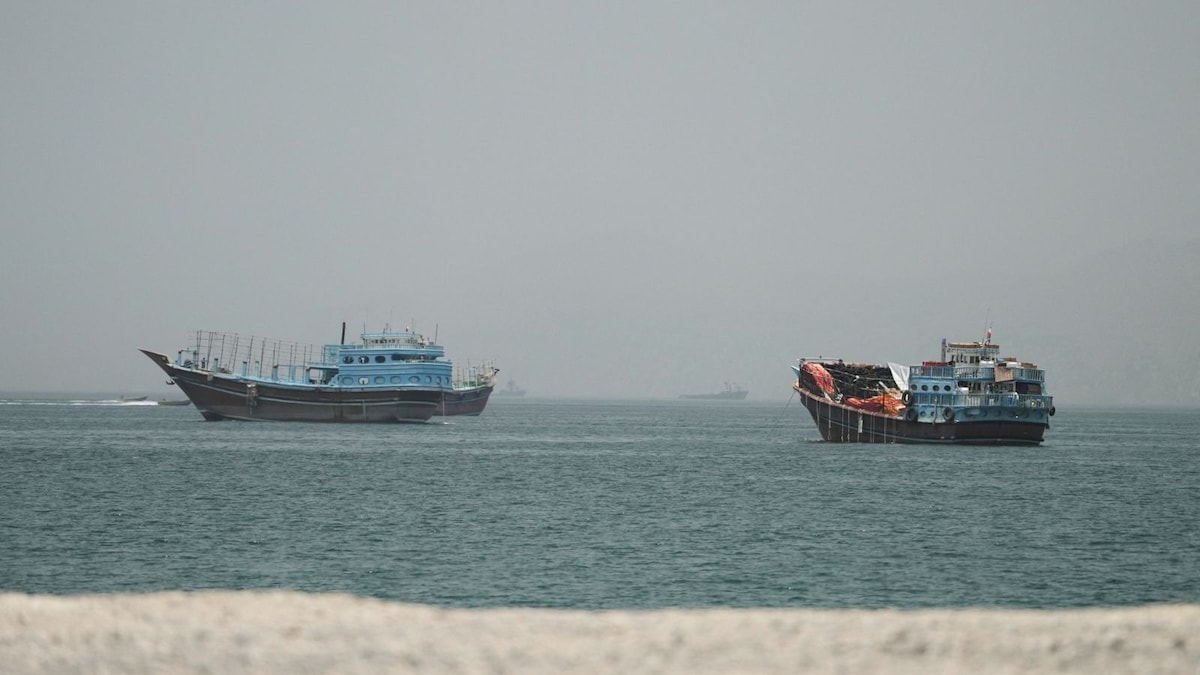
Iranian state media provided a different account of the September 8 strikes, reporting that at least three tankers were targeted near the southern port of Jask and Kharg Island. A reporter in Jask noted a strike near the coast of Yekbeni and a second attack in nearby waters, while another vessel was hit in the Kharg Island anchorage area. Iranian sources confirmed that crews were evacuated via lifeboat.
Strategic Struggle for the Strait of Hormuz
The conflict centers on the control of the Strait of Hormuz, a waterway through which approximately one-fifth of the world's oil passed before the war began. Currently, a U.S. Blockade of Iranian ports is limiting Tehran's oil exports, while the U.S. Military provides limited escort for ships transiting via a route off Oman. In contrast, Tehran demands that vessels follow a route of its choosing and has announced plans for a new "exclusion zone" for transiting ships.
This maritime friction was compounded on Tuesday when the IRGC claimed to have captured a U.S. Underwater drone at the entrance to the strait. U.S. Navy Capt. Tim Hawkins clarified that an Anduril Dive-LD drone had "malfunctioned" more than a day prior. Hawkins described the drone as a defective, older model that carried no classified sonar or radar equipment and collected no sensitive data.
Experts warn that these military solutions may be counterproductive. Danny Citrinowicz, an Iran expert at Israel's Institute for National Security Studies, stated on social media that there is no kinetic solution to the Strait of Hormuz problem
, arguing that such strikes only bring the two powers closer to an uncontrollable escalation.
Regional Volatility and Domestic Stakes
The violence has expanded beyond the Gulf. Following the destruction of the tankers, Iran launched a barrage of missiles toward U.S. Targets in Jordan. The Jordanian military reported that its air defenses intercepted 18 of 20 ballistic missiles; the remaining two fell in unpopulated areas with no casualties.
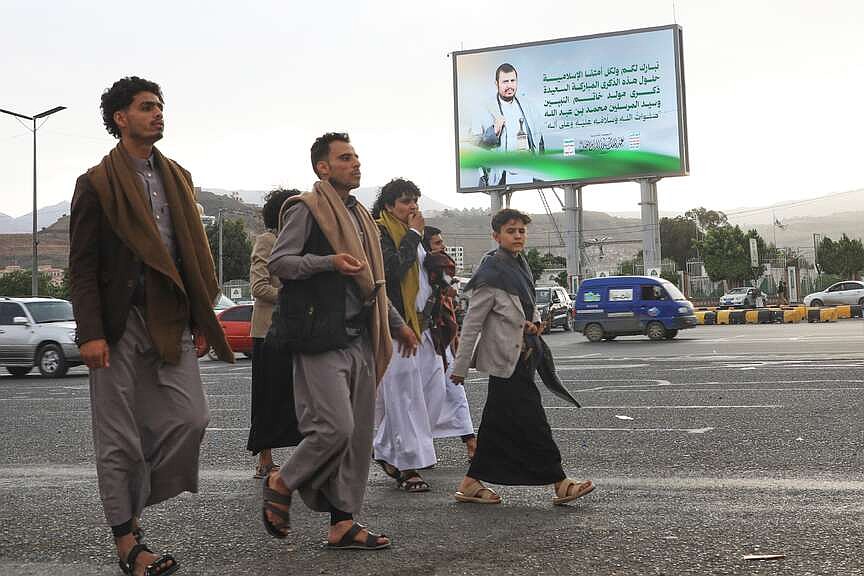
Simultaneously, the region faces pressure from Iranian proxies. On Tuesday, Houthi rebels launched attacks on the Saudi Arabian cities of Abha, Jazan, Najran, and Khamis Mushait. According to Maj. Gen. Turki al-Malki, the strikes hit "civilian and economic facilities," igniting fires at several oil installations and wounding at least 73 people.
For the Trump administration, the instability carries domestic political risks. Rising oil prices are creating pressure ahead of the November midterm elections. To increase pressure on Tehran, the administration has coupled military strikes with new sanctions targeting more than two dozen commercial and private airlines and foreign cargo service providers within Iran's aviation industry.
Frequently Asked Questions
Why is the U.S. Targeting oil tankers instead of military bases?
Secretary Marco Rubio has framed this as a direct cost for Iranian attempts to strike U.S. Naval ships.
What is the current status of the Strait of Hormuz?
The strait is the site of conflicting transit demands. The U.S. Has imposed a blockade on Iranian ports and escorts ships via a specific route off Oman, while Iran has maintained its own blockade and plans to implement an "exclusion zone."
How many U.S. Personnel have been affected by the war?
According to reports, the war has claimed the lives of 18 U.S. Service members, while Iranian authorities claim the overall death toll from U.S. And Israeli strikes is in the thousands.
The immediate trigger for further escalation now rests with the IRGC, which has issued a formal warning to all oil tankers anchored or docked in Kuwaiti and Bahraini ports. Accusing these nations of hosting U.S. Forces and assisting in the strikes, Tehran has ordered crews to immediately leave their vessels, threatening them as targets for retaliation.
Archypedia is dedicated to independent, evidence-backed reporting. This briefing was synthesized from primary source reporting, corroborated across independent newsrooms, and verified against our Editorial Standards.
Transparency record
Evidence behind this report
This report synthesizes 11 distinct sources. Open the source ledger below to compare the underlying coverage.
- thehindu.com
- texarkanagazette.com
- deccanchronicle.com
- theguardian.com
- yahoo.com
- arabnews.com
- moneycontrol.com
- irishtimes.com
- business-standard.com
- news24online.com
- bssnews.net
Prepared under the Archypedia Editorial Policy by the Samir Haddad editorial desk profile. AI-assisted tools may support drafting and verification; public accountability remains with Archypedia. Report an error.