Trump warns US may strike Iran nuclear site Pickaxe Mountain very soon
The threat follows a five-month military campaign that has cost over $37.5 billion and resulted in the deaths of 18 US service members.

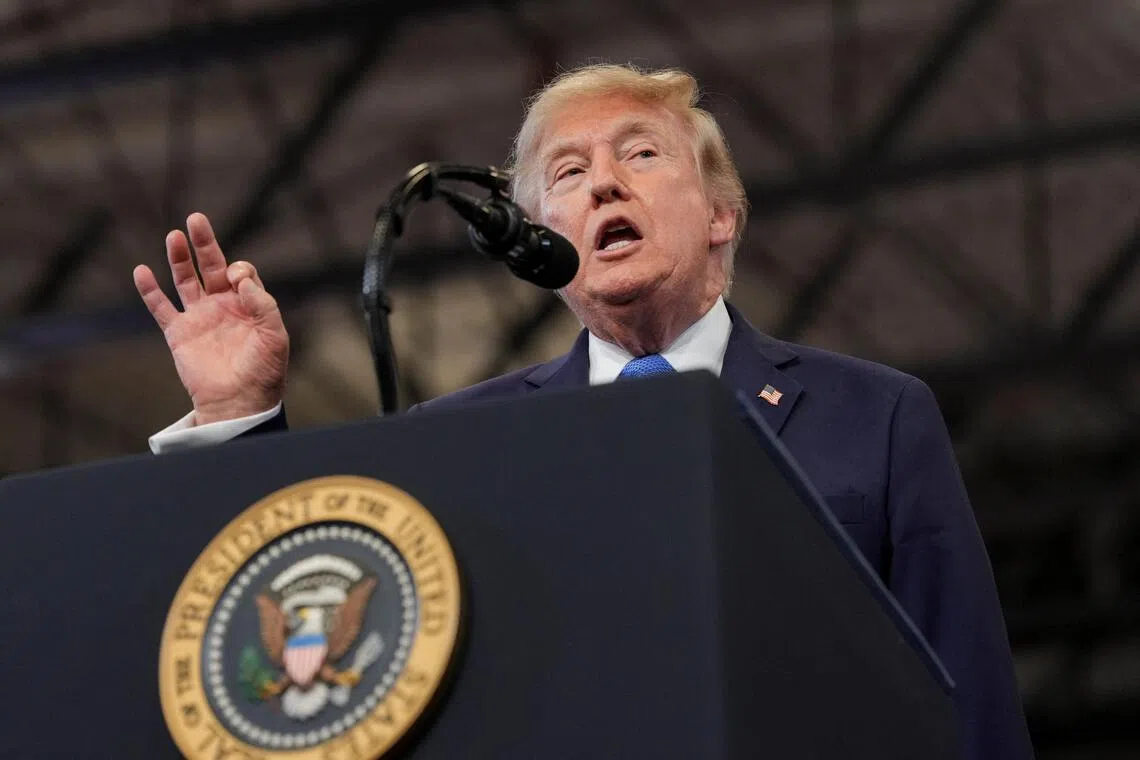
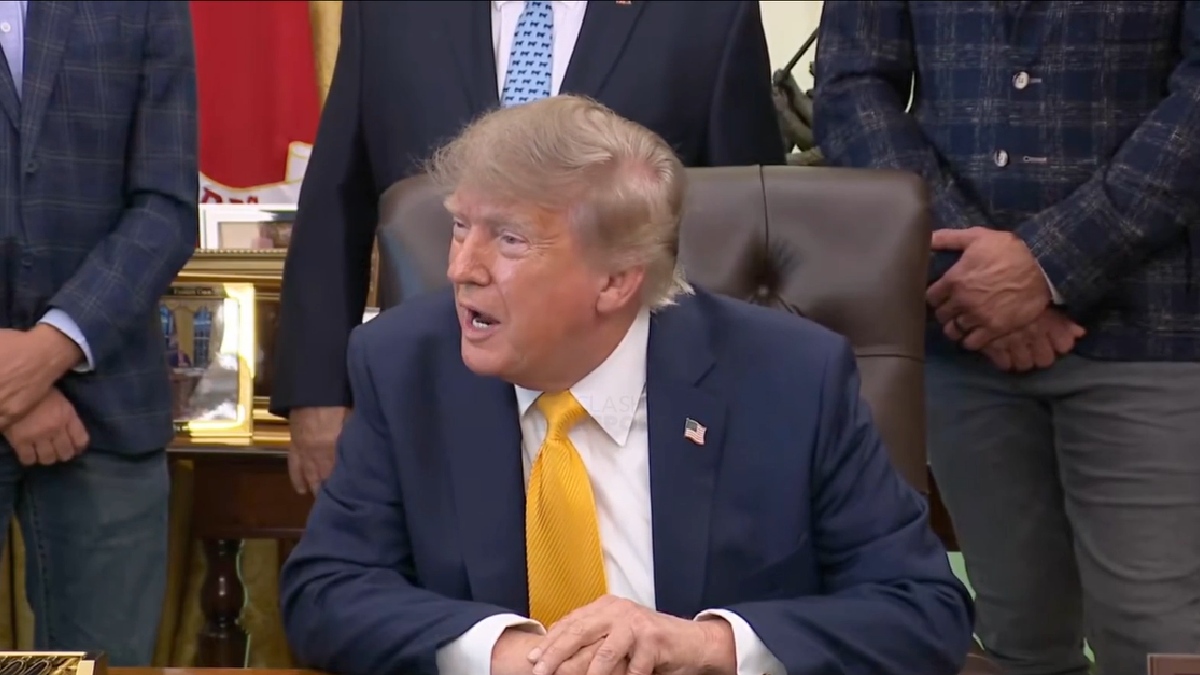
President Donald Trump warned from the Oval Office on Friday, September 4, 2026, that the United States could strike Iran's deeply buried Pickaxe Mountain nuclear site very soon
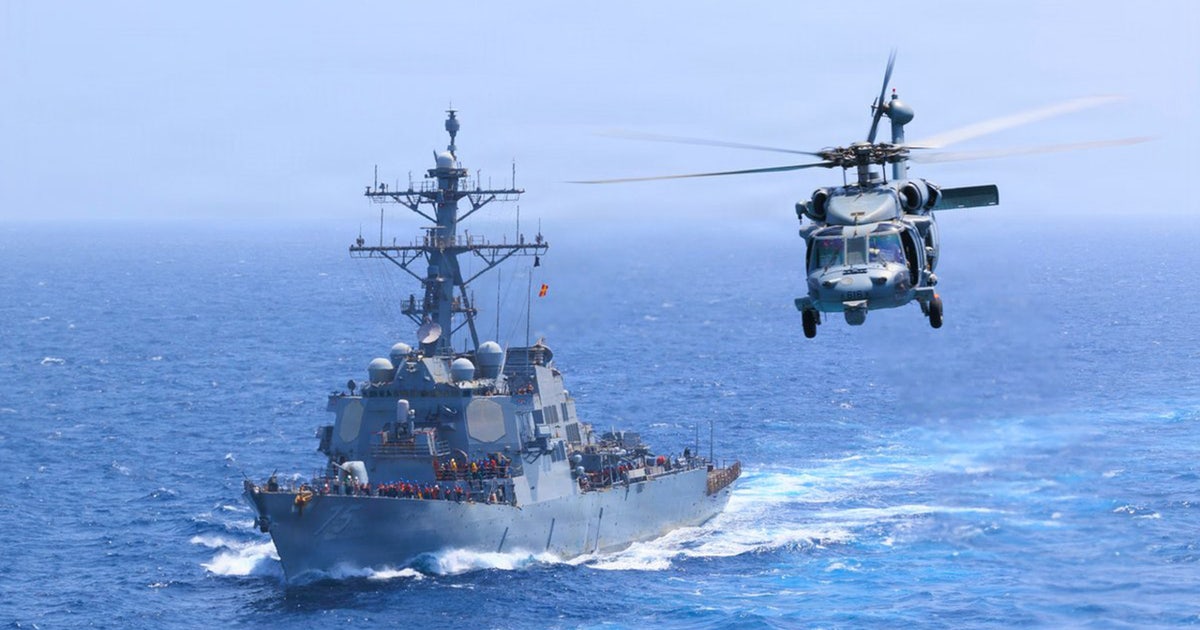
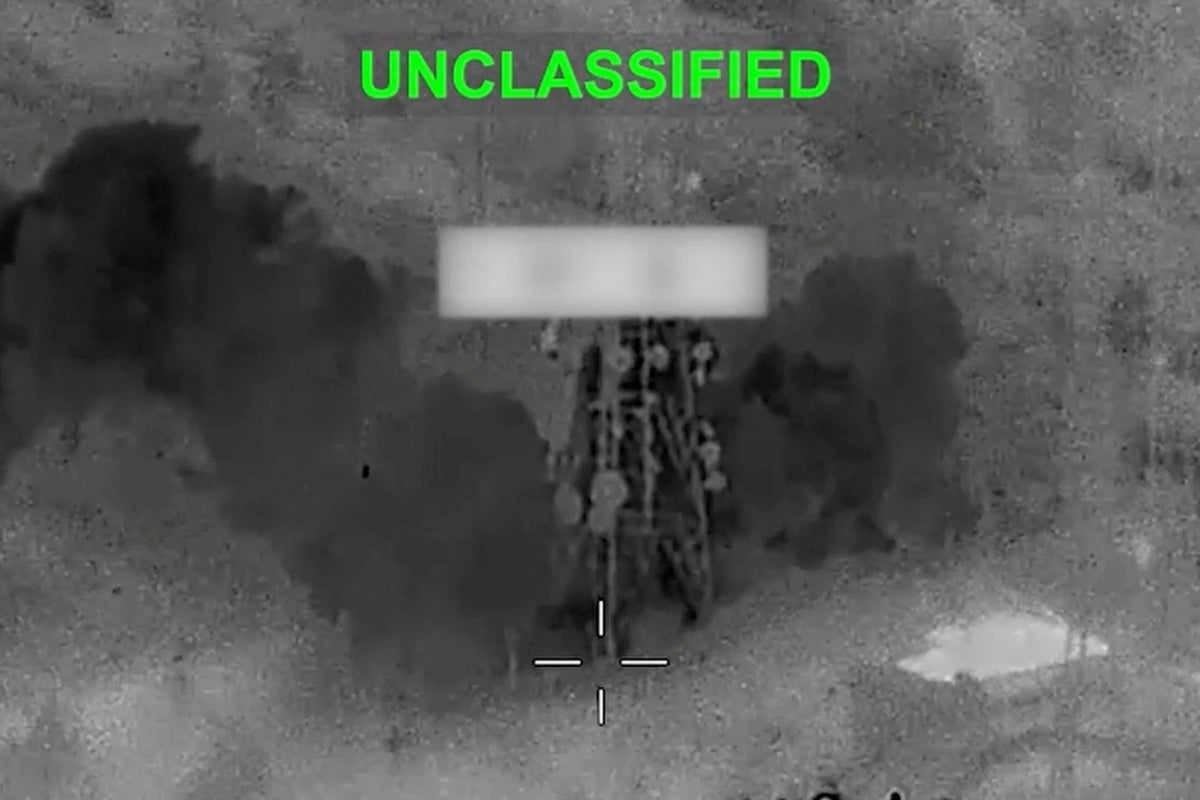
if suspicious activity is detected. This presidential threat coincides with an active military campaign in the Persian Gulf, where United States Central Command has executed waves of airstrikes against Islamic Revolutionary Guard Corps (IRGC) radar, air-defense systems, and mine-laying assets following disruptions to commercial shipping in the Strait of Hormuz.
While the White House maintains its intervention has prevented Iran from acquiring a nuclear weapon, the friction remains volatile. Iranian media reported unconfirmed explosions near the strategic Kharg Island oil hub shortly after the president's remarks, though these reports remain contradictory.
Related YouTube video

Fortification and Intelligence Surrounding Pickaxe Mountain
Pickaxe Mountain is a heavily fortified underground complex featuring two deeply buried tunnel systems located near the damaged Natanz uranium enrichment facility in central Iran. Construction began following a 2020 attack that damaged a centrifuge assembly facility at Natanz. According to Rudaw, satellite imagery analysis suggests portions of the complex are buried between 80 and 100 meters underground, rendering it substantially more resistant to conventional aerial bombardment than surface installations.
The facility's operational status remains disputed as inspectors from the International Atomic Energy Agency have never been granted access. Oneindia reports that Israeli intelligence assessed Iran had relocated thousands of centrifuges to these subterranean tunnels, though the precise status of the centrifuges and the presence of nuclear material remain uncertain. Iranian authorities have denied nuclear activity at the site, asserting it functions strictly for centrifuge assembly.
Trump asserted that American intelligence is closely tracking movements within the complex and across the country.
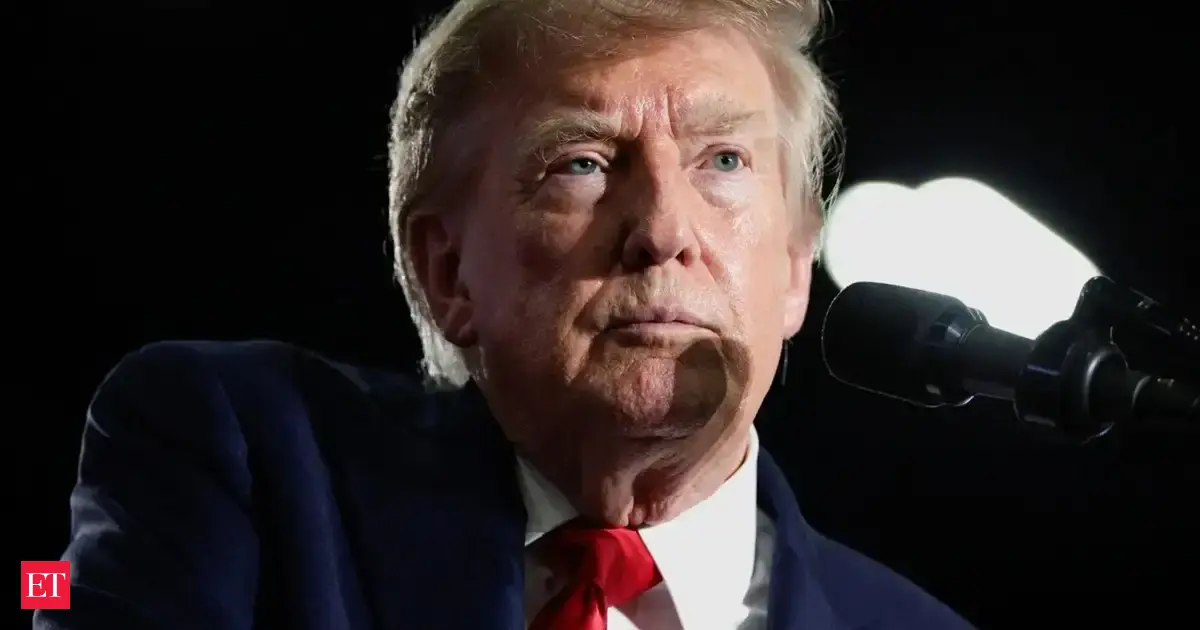
"We know everybody that's moving at Pickaxe; we know everybody that's moving everywhere all over Iran. And if anything goes bad, we hit them; we hit them hard,"
Donald Trump, President of the United States, via The Economic Times
The Scope of the Five-Month Military Campaign
The current confrontation began with coordinated US and Israel strikes on February 28, 2026, targeting Iranian ballistic missile, military, and nuclear infrastructure. Speaking Friday, Trump defended the intensity of the operation, claiming the primary strategic goal has been achieved.
"We're in five months now. And you know what we did in five months? They're not going to have a nuclear weapon, that's what we did,"
Donald Trump, President of the United States, via Middle East Monitor
Trump rejected the terminology of a formal war, aligning with assertions made by Vice President JD Vance. Instead, Trump characterized the hostilities as a military conflict
and described it as small potatoes
for the United States. To support this view, he contrasted the loss of 18 US personnel with the 100,000 lost in Vietnam and tens of thousands in other past conflicts, as reported by Ynetnews.
| Metric | Recorded Figure |
|---|---|
| US military casualties | 18 service members killed |
| Financial expenditure | Exceeding $37.5 billion |
| Primary targets in recent CENTCOM wave | IRGC radar, air defense, mine-laying capabilities, maritime assets |
CENTCOM Strikes and Regional Escalation
Renewed threats against Pickaxe Mountain follow a wave of strikes conducted by US Central Command against facilities associated with the IRGC. These targets included communications sites, radar systems, air-defense installations, and maritime assets. CENTCOM stated these operations were a direct response to IRGC attempts to attack US personnel and commercial shipping vessels in the Strait of Hormuz.
Trump claimed that American forces destroyed sophisticated Iranian radar installations on two separate occasions, noting that Tehran had redeployed them after the first strike. According to Moneycontrol, the president stated that after the second strike, the US no longer noticed any activity, suggesting Iranian forces had become tired of putting it in and getting blown up.
Iranian Media Reports and Diplomatic Defiance
Iranian state and semi-official media reported security incidents shortly after Trump's warnings. The semi-official Fars news agency reported multiple explosions near Kharg Island, a critical Gulf oil export terminal. Some unconfirmed reports alleged a US missile had struck an Iranian tanker. However, a Fars correspondent on the island reported seeing no smoke, and Iranian authorities have not officially confirmed a strike on the oil hub.
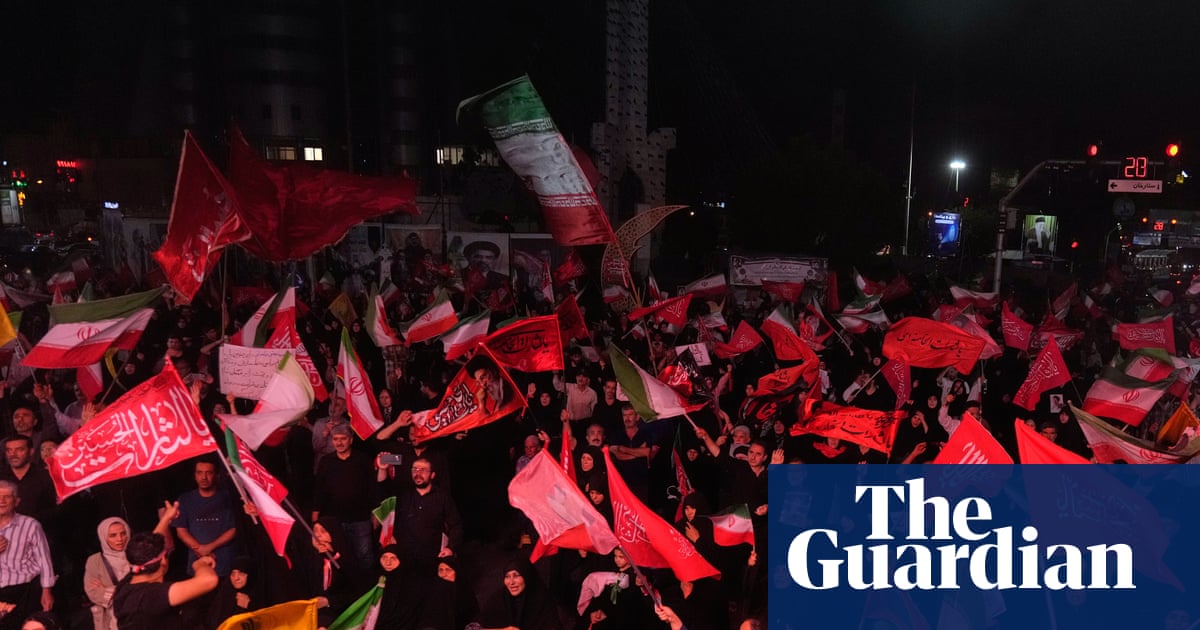
Tehran's Ministry of Foreign Affairs condemned the American strikes as violations of sovereignty that targeted civilian sites and non-military infrastructure across several provinces. According to Outlook India, Iran asserted that its armed forces responded with crushing defensive strikes
against US military bases in West Asia, which Tehran identified as the staging and support points for the American assaults.
Trump concluded his remarks by arguing that the military intervention prevented a wider regional catastrophe. He claimed that without these actions, the Middle East and Israel would not exist in their current form and that Iranian aggression would have eventually targeted European and American cities.
Archypedia is dedicated to independent, evidence-backed reporting. This briefing was synthesized from primary source reporting, corroborated across independent newsrooms, and verified against our Editorial Standards.
Transparency record
Evidence behind this report
This report synthesizes 7 distinct sources. Open the source ledger below to compare the underlying coverage.
- oneindia.com
- outlookindia.com
- middleeastmonitor.com
- economictimes.indiatimes.com
- moneycontrol.com
- ynetnews.com
- rudaw.net
Prepared under the Archypedia Editorial Policy by the Samir Haddad editorial desk profile. AI-assisted tools may support drafting and verification; public accountability remains with Archypedia. Report an error.