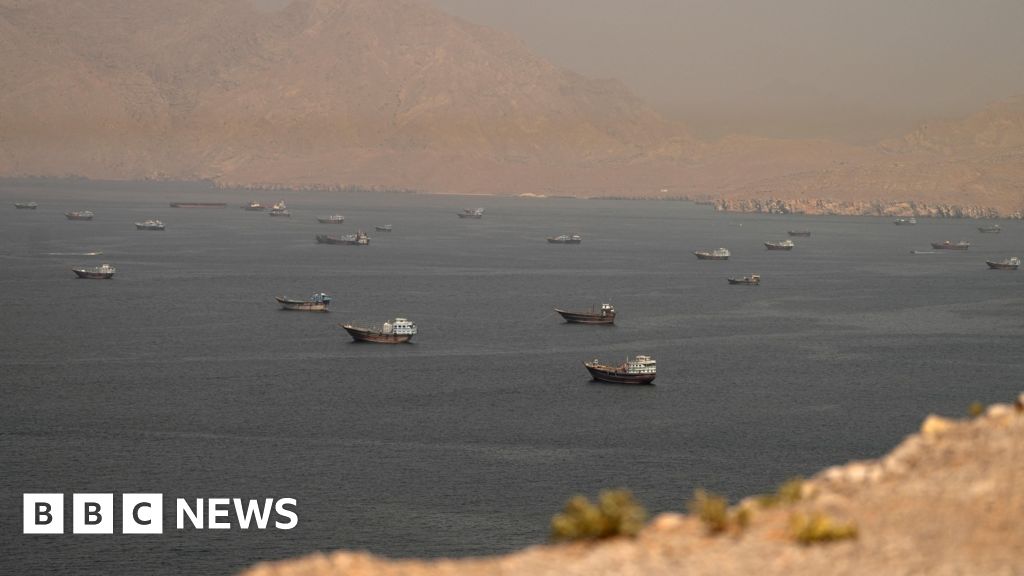
US forces conduct seventh night of strikes on Iranian military targets
The United States has intensified its campaign against Iranian infrastructure following the collapse of a ceasefire, leading to retaliatory strikes across the Middle East.

United States military forces completed their seventh consecutive night of airstrikes against Iran on July 18, 2026, marking an intensifying campaign to assert control over the Strait of Hormuz. U.S. Central Command (CENTCOM) confirmed the latest operation concluded at 9:30 p.m. ET on July 17, employing a combination of fighter aircraft, aerial drones, and warships. The mission targeted Iranian surveillance sites, military logistics infrastructure, underground weapons storage, and various maritime capabilities.
This persistent military pressure accompanies a renewed naval blockade of Iranian ports, which the U.S. Military is enforcing at the direction of the Commander in Chief. The current escalation is a notable departure from a preliminary ceasefire agreement, which had aimed to reopen the strategically vital waterway. That agreement collapsed following an Iranian drone attack on a cargo ship and the subsequent U.S. Revocation of waivers that had permitted Iran to conduct international oil sales. As regional tensions surge, the U.S. Has expanded its targeting to include Iranian infrastructure, such as bridges and power stations, intended to pressure Tehran to relinquish its grip on the Strait.
Related media
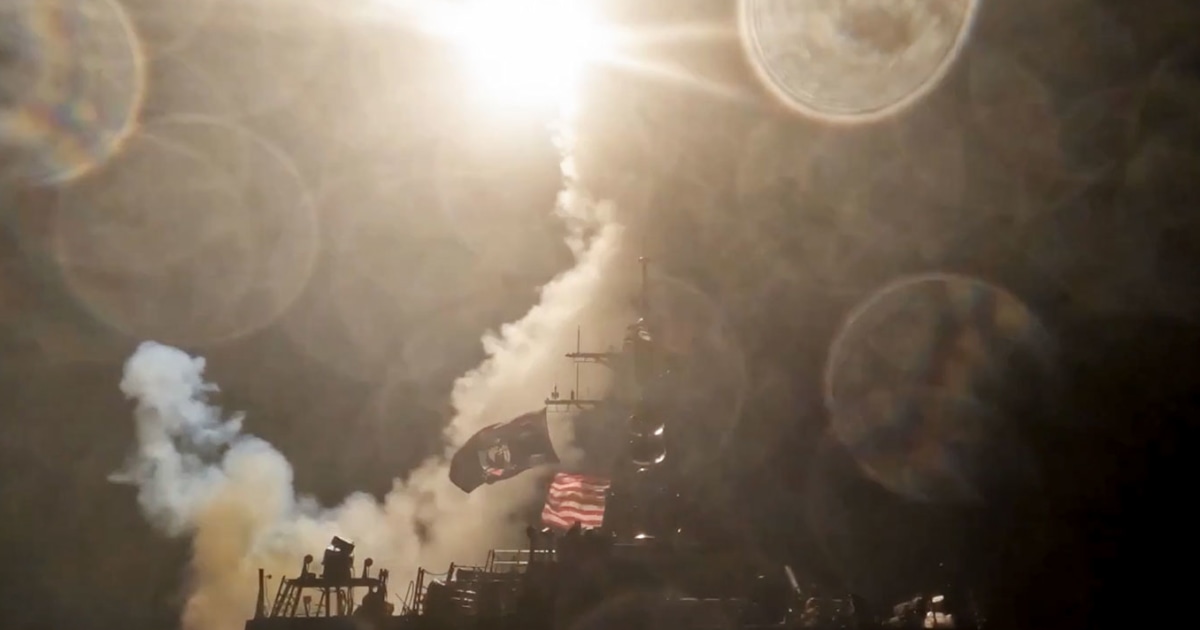
Escalating regional volatility
The conflict has widened beyond the borders of the two primary combatants, with Iranian forces launching retaliatory strikes against U.S. Allies in the Middle East. Authorities in Kuwait reported that hostile attacks struck power and water distillation plants on July 18, leading to the deactivation of several generation units. Bahrain’s army reported that its air defense systems intercepted Iranian aerial assaults on the same day. Additionally, the Iranian Islamic Revolutionary Guard Corps (IRGC) claimed to have targeted military facilities in Jordan and Kuwait, specifically mentioning sites linked to the Al-Adiri camp, Ali Al-Salem Air Base, and fuel tanks at Jordan’s Al-Azraq Air Base.
The security environment remains volatile. The U.S. Department of State issued a travel advisory urging American citizens to reconsider travel throughout the Middle East. Meanwhile, the Iranian Fars news agency reported that road traffic between Bandar Abbas and Rudan resumed on July 18 following earlier disruptions. In response to the economic instability triggered by the conflict, Pakistan announced that petroleum prices will now be revised on a daily basis to address fluctuations in global oil markets.
Recent developments in the conflict
- Infrastructure Targeting: Recent U.S. Operations hit bridges and power stations, including the destruction of a maritime surveillance tower at the Shahid Kalantari Port in Chabahar on July 16, which the U.S. Described as part of an IRGC network used to monitor commercial vessels.
- Human Toll: Iran reported that 38 people have been killed and around 400 injured in U.S. Attacks since the ceasefire agreement, according to Iran Today.
- Diplomatic Stance: European leaders, including German Chancellor Friedrich Merz and French President Emmanuel Macron, have urged Iran to de-escalate tensions and return to negotiations with the US.
- Maritime Traffic: Daily transits through the Strait of Hormuz have dropped significantly. U.S. Military authorities have rejected claims by the IRGC that its forces successfully stopped four ships through a combined missile and drone operation, labeling the assertion as false.
What to watch next
Observers are monitoring whether the continued degradation of Iranian logistics and maritime infrastructure will force a change in Tehran's naval strategy. The IRGC has issued warnings to countries hosting U.S. Forces, stating they should expect "corresponding responses" should their territory facilitate future attacks. With more than 50,000 American service members currently deployed across the region, the U.S. Remains "vigilant, lethal, and ready," according to CENTCOM.
The status of the blockade and the potential for a larger-scale engagement over the Strait remains the focal point of the crisis. While President Donald Trump has suggested the possibility of "finishing the job," international mediators continue to seek a path back to a diplomatic resolution.
Archypedia is dedicated to independent, evidence-backed reporting. This briefing was synthesized from primary source reporting, corroborated across independent newsrooms, and verified against our Editorial Standards.
Transparency record
Evidence behind this report
This report synthesizes 4 distinct sources. Open the source ledger below to compare the underlying coverage.
Prepared under the Archypedia Editorial Policy by the Mara Ionescu editorial desk profile. AI-assisted tools may support drafting and verification; public accountability remains with Archypedia. Report an error.