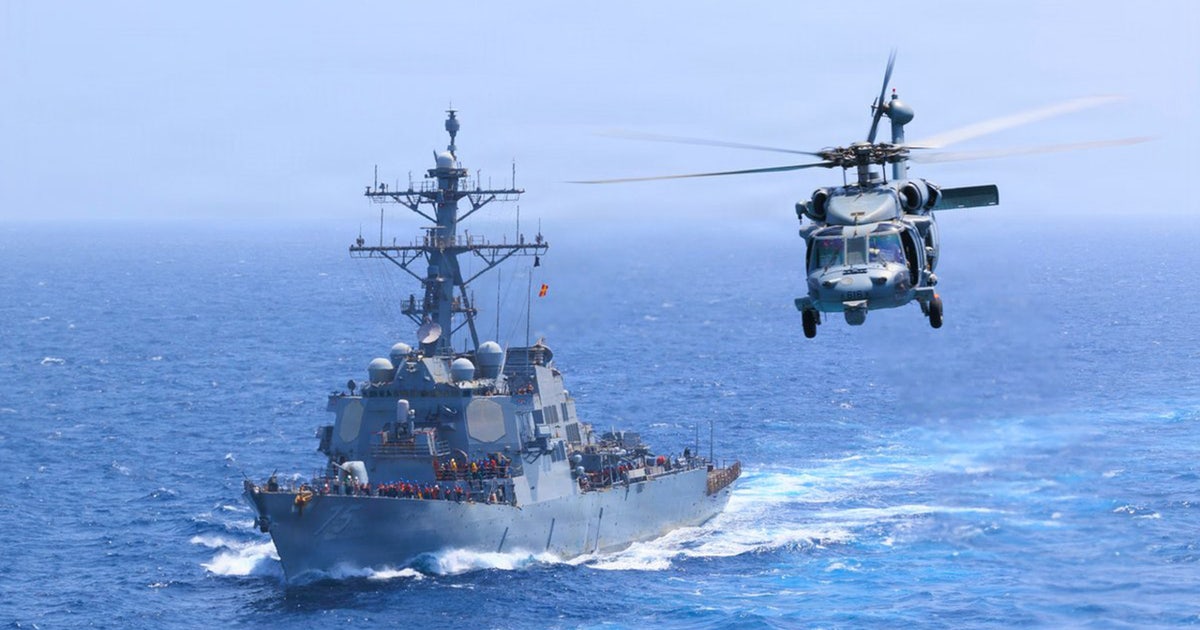
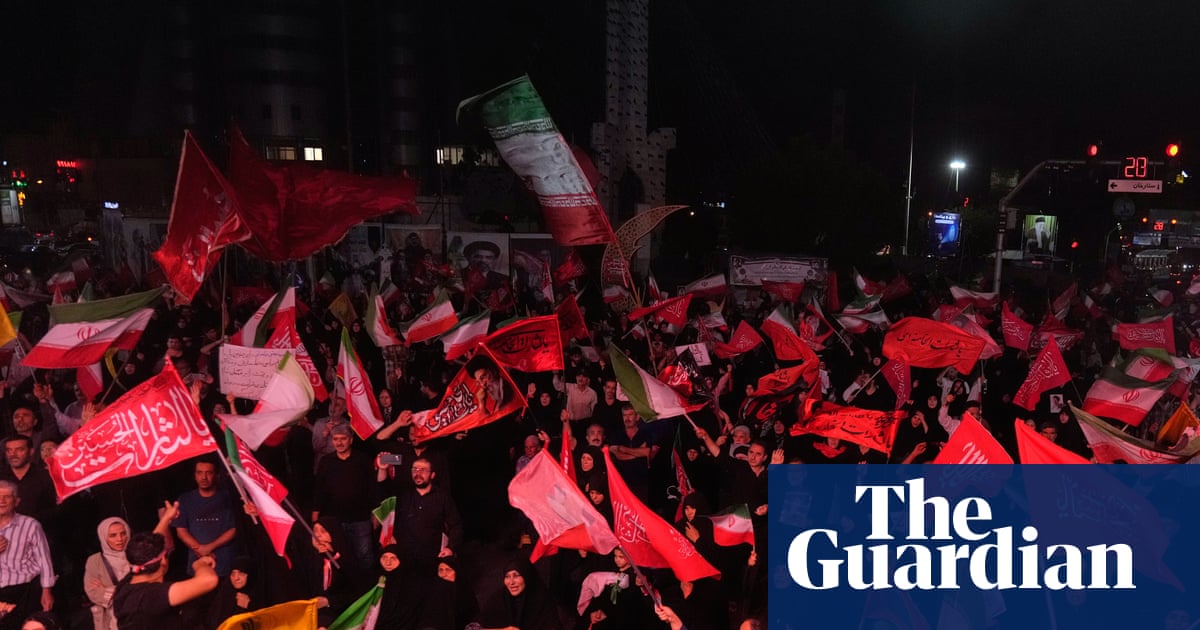
Iran hits US bases and Gulf infrastructure in retaliatory missile strikes
The military conflict between the US and Iran has intensified, leading to missile strikes on Gulf energy facilities and a naval blockade of Iranian ports.
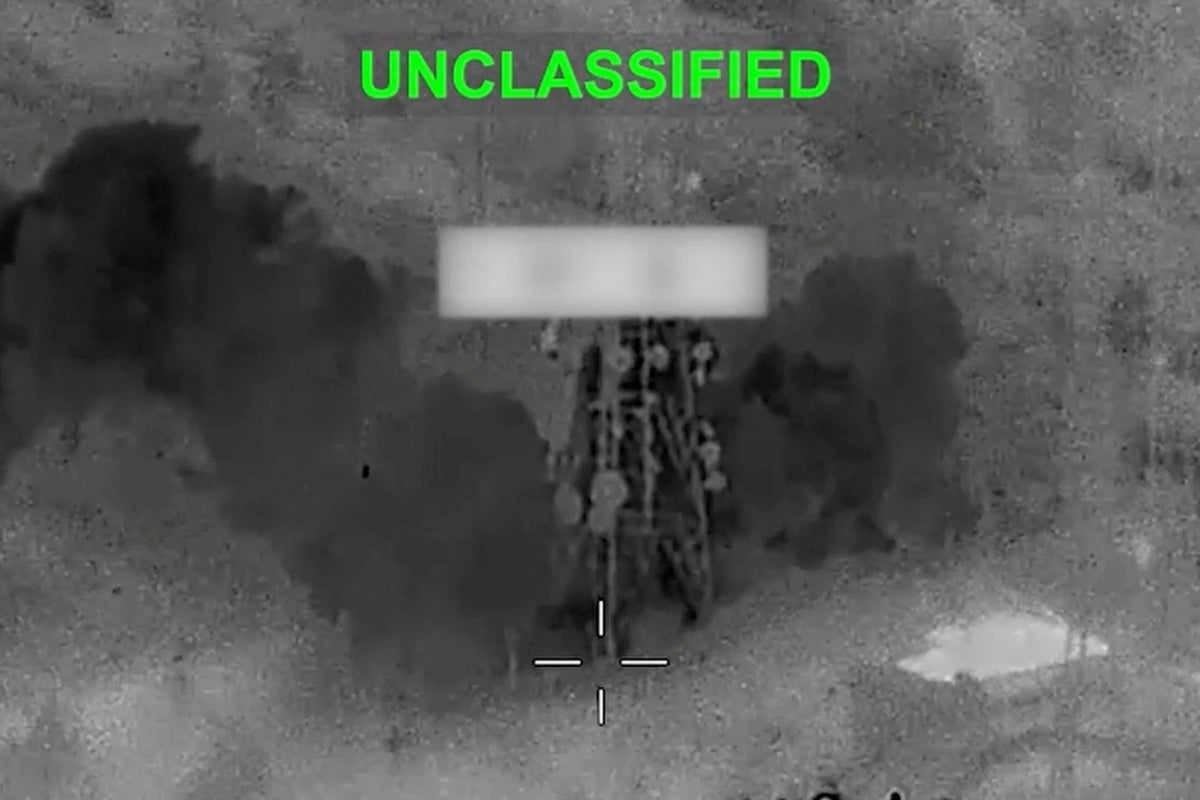
A cycle of intensive military operations between the United States and Iran has accelerated, with the conflict expanding to include infrastructure and military assets across multiple Gulf nations. The escalation follows the collapse of a month-old interim peace agreement, with both nations trading accusations of breach of contract and engaging in daily rounds of air and missile strikes.
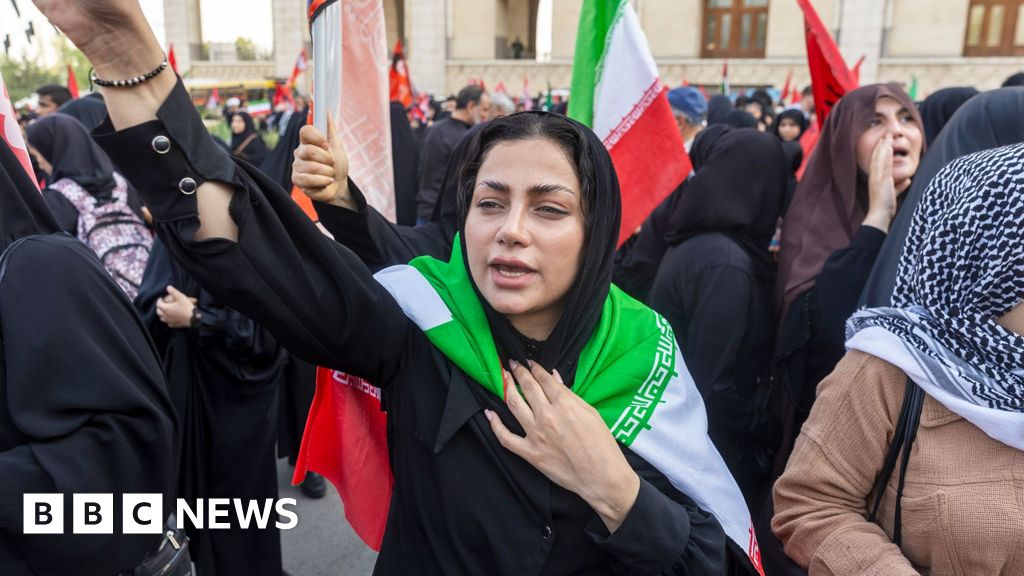
US Central Command, or CENTCOM, has maintained a steady tempo of operations, describing the campaigns as necessary to degrade Iranian capabilities used to threaten international commercial shipping in the Strait of Hormuz. These US strikes have targeted command centers, air defense sites, and missile and drone facilities in locations including Bushehr, Bandar Abbas, and the strategically vital Greater Tunb Island. Conversely, Iranian forces have launched waves of retaliatory drone and missile attacks, targeting US-affiliated facilities in Bahrain, Kuwait, and Jordan. Iranian state media and the Islamic Revolutionary Guard Corps (IRGC) have characterized these strikes as a response to US "savagery" and the reimposition of a naval blockade on Iranian ports.
Related media

Escalation of Tactics
The conflict has transitioned into a broader regional confrontation. In Kuwait, a desalination plant and an oil facility reported damage from Iranian missiles, while fires and injuries among oil sector workers were documented. The UAE reported that two of its oil tankers were struck by Iranian cruise missiles in Omani waters, resulting in the death of an Indian national and injuries to eight others. These incidents have led the International Maritime Organization to warn that the Strait of Hormuz currently remains unsafe for commercial transit, with shipping traffic through the waterway falling significantly.
Diplomatic and Political Backdrop
The renewed fighting coincides with the expiration of a short-lived memorandum of understanding intended to facilitate peace. Officials from the Iranian government, including the Foreign Ministry, have stated that Tehran sees no reason to honor a deal they claim the United States has repeatedly violated. In the United States, President Donald Trump formally notified Congress of the resumption of combat operations on 10 July, invoking authority to continue military action for 60 days without legislative approval.
The administration has fluctuated between aggressive rhetoric and invitations to negotiate. Trump has warned that, should Iran not return to the table, he would authorize the targeting of power plants and bridges. At a recent defense summit in Pennsylvania, the President noted that while he believes a deal is possible, the administration is prepared to "finish it off" if necessary. Simultaneously, the US Treasury has expanded sanctions on Iranian shipping networks, specifically targeting the network associated with Mohammad Hossein Shamkhani.
Recent Timeline of Hostilities
- Early July: Interim peace deal begins to fray as both sides trade accusations of breach.
- 7 July: Official start date for the resumption of combat operations as notified to US Congress.
- 10 July: US President Trump formally notifies Congress of the extended military campaign.
- 14 July: US-led Joint Maritime Information Center confirms the start of a naval blockade on Iranian ports.
- 15 July: US forces initiate daylight strikes on Iranian coastal defense systems and missile storage on Greater Tunb Island.
What to Watch Next
Observers are monitoring several indicators as the situation develops:
- Energy Market Volatility: With the IRGC threatening to close all regional export corridors and the Strait of Hormuz under heavy disruption, global oil and gas prices remain subject to significant fluctuation.
- Conflict Expansion: Regional actors, including the Arab League, have expressed alarm at the pace of strikes against Kuwait, Bahrain, and Jordan. The capability of these nations to intercept incoming drones and missiles remains a critical factor in preventing further regional destabilization.
The US military continues its blockade, having redirected commercial vessels attempting to traverse the strait. Iran's leadership, meanwhile, maintains that their security strategy requires the management of the Strait of Hormuz, setting the stage for continued friction as the blockade and air campaigns show no immediate sign of resolution.
Archypedia is dedicated to independent, evidence-backed reporting. This briefing was synthesized from primary source reporting, corroborated across independent newsrooms, and verified against our Editorial Standards.
Transparency record
Evidence behind this report
This report synthesizes 5 distinct sources. Open the source ledger below to compare the underlying coverage.
Prepared under the Archypedia Editorial Policy by the Samir Haddad editorial desk profile. AI-assisted tools may support drafting and verification; public accountability remains with Archypedia. Report an error.