US and Iran exchange strikes as Tehran again says strait of Hormuz is closed
The US launched strikes on at least 140 Iranian sites following an IRGC attack on a commercial vessel and the closure of the Strait of Hormuz.
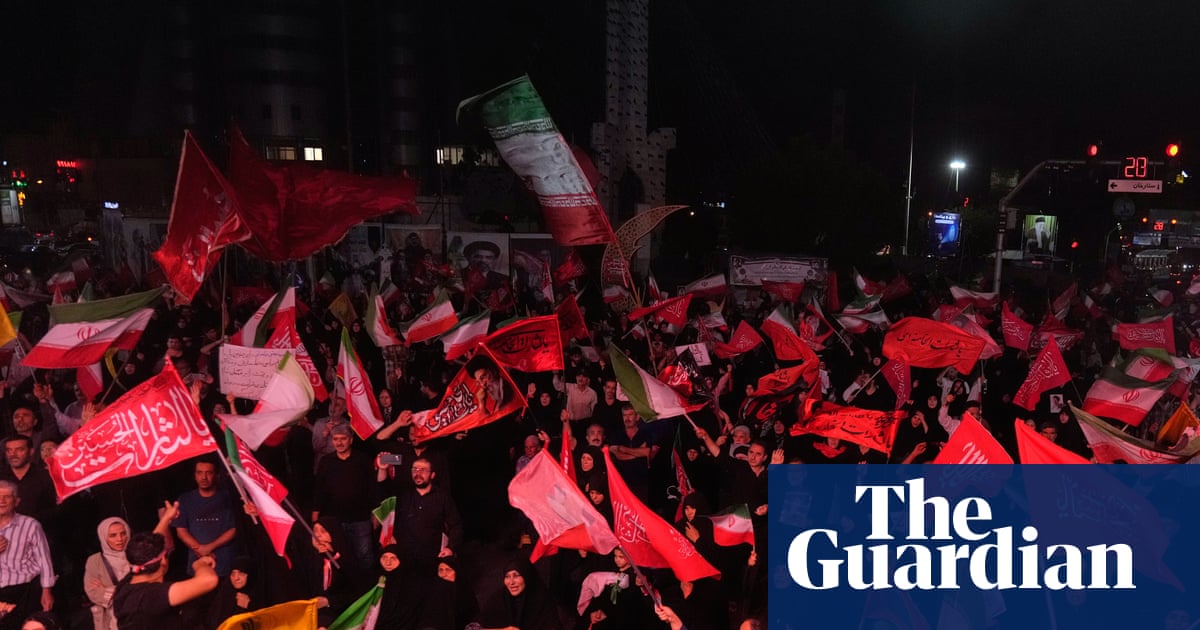
The United States and Iran exchanged heavy military strikes early on Sunday, July 12, 2026, after Tehran declared the Strait of Hormuz closed to all maritime traffic. The escalation follows an Iranian attack on a commercial vessel and a failed diplomatic effort in Oman to secure a shipping agreement.
The conflict intensified when the Islamic Revolutionary Guard Corps (IRGC) navy fired on the M/V GFS Galaxy, a Cyprus-flagged container ship. US Central Command (CENTCOM) reported that the vessel suffered significant engine room damage and an onboard fire, leaving it unable to continue its journey. One civilian crew member is missing. The UK Maritime Trade Operations (UKMTO) confirmed the incident occurred nine nautical miles east of Oman, noting that crew members were forced to abandon ship in a lifeboat.
Related media
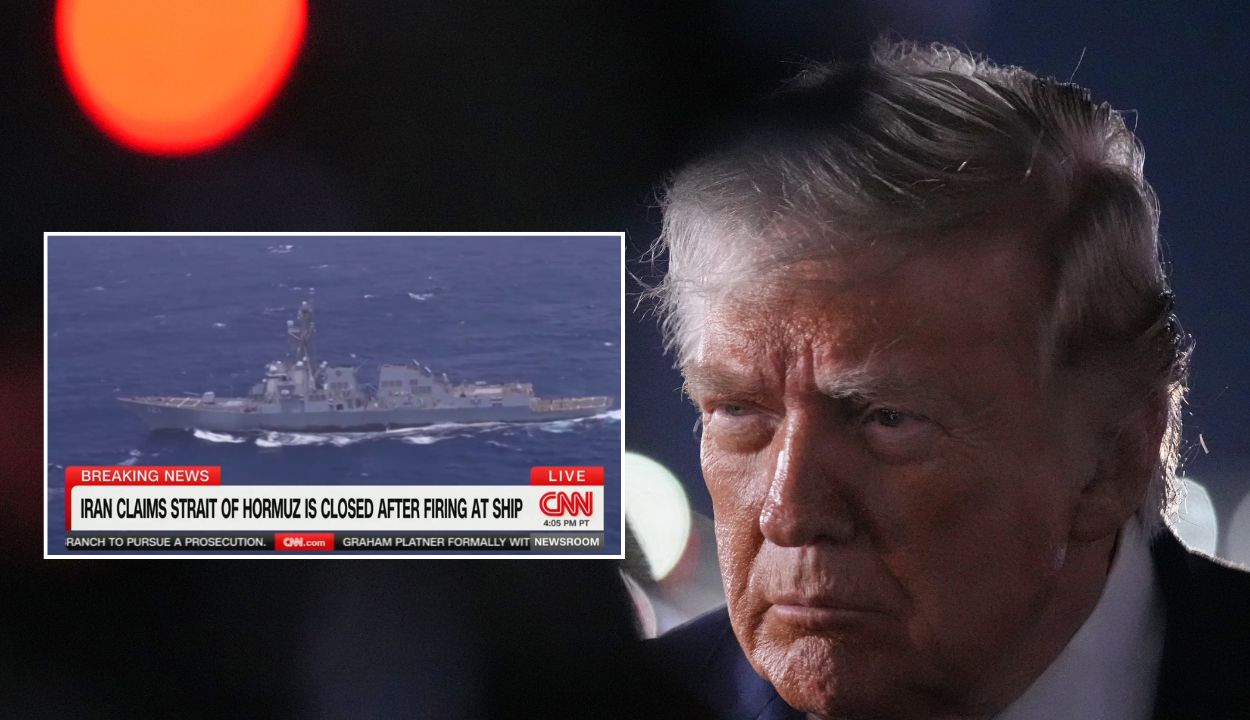

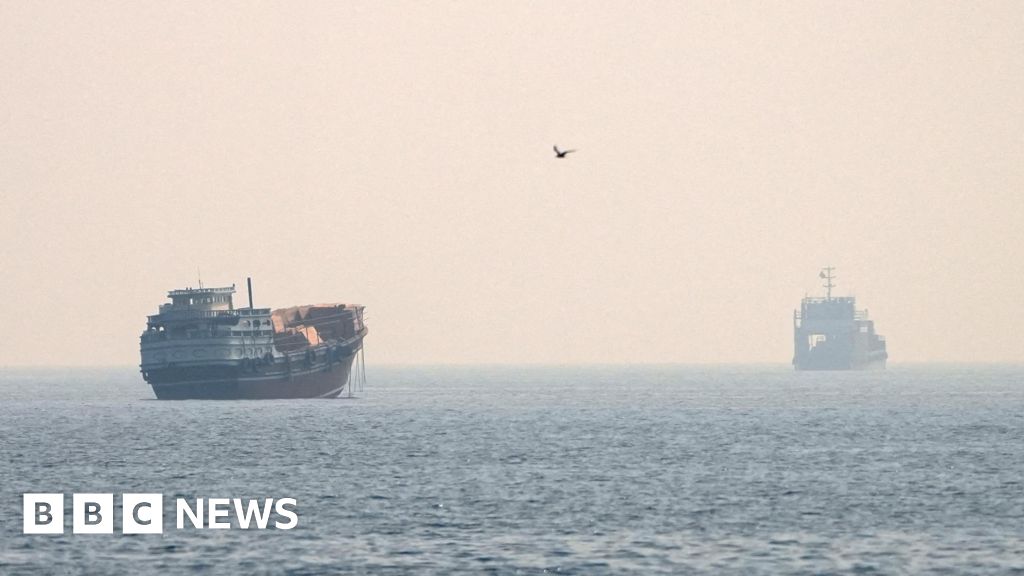
Tehran justified the attack by claiming the vessel had jeopardized maritime security by switching off its tracking systems and traveling on an unapproved route
. The IRGC stated the ship was hit by warning shots and brought to a halt after ignoring repeated instructions to change course.
US Military Response
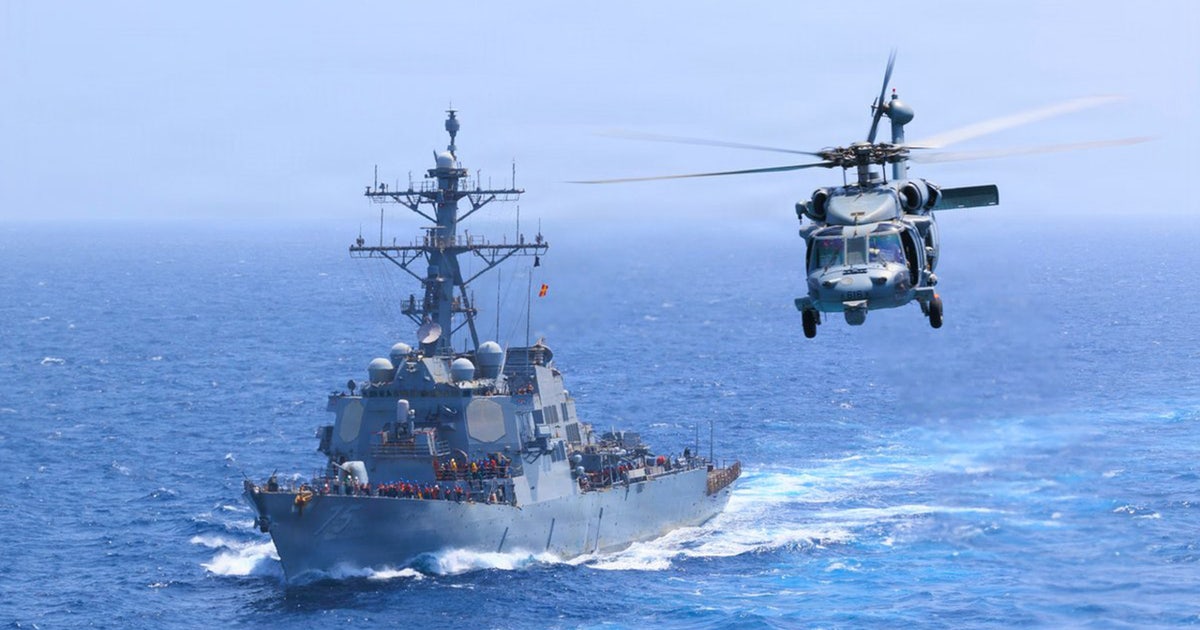
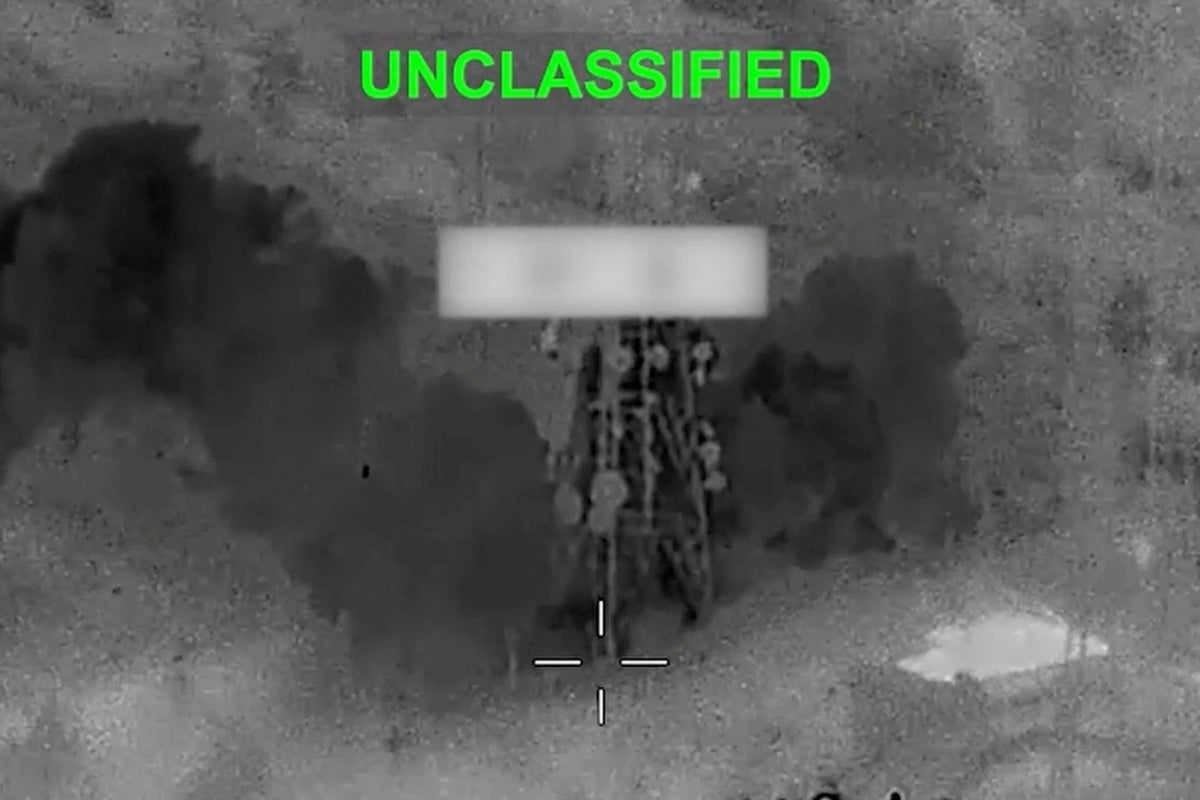
At 7:15 p.m. ET on Saturday, US forces launched a third round of strikes this week at the direction of President Donald Trump. CENTCOM stated the operation targeted at least 140 sites to degrade Iran’s ability to attack civilian mariners
. According to a senior US official cited by Mediaite, the targets included:
- Air and maritime surveillance radars
- Missile and UAV storage facilities and launch sites
- Surface-to-air missile launchers
- Communication networks and coastal bases
Secretary of Defense Pete Hegseth underscored the aggression on social media, writing: Iran made a poor choice. Now they pay.
Iranian state broadcaster IRIB reported explosions across southern Iran. Blasts were heard in Bandar Abbas, Sirik, and Qeshm Island, as well as four explosions in Asaluyeh and others in Bushehr and Bandar Deyr.
Iranian Retaliation and Regional Spillover
Iran responded by declaring the Strait of Hormuz closed until further notice
and until the end of US interference in the region. The IRGC warned that any further US aggression would trigger a severe response
and the targeting of additional regional bases.
The BBC reported that the IRGC launched a first phase
of retaliation, striking the Prince Hassan Air Base in Jordan. Iran claimed to have destroyed the base's command and control center and MQ9 drone hangars. Simultaneously, air defenses in the United Arab Emirates, Qatar, and Kuwait engaged missile and drone threats, while Bahrain sounded air raid sirens.
Iran also targeted the US air base at Al Udeid in Qatar with ballistic missiles, which the IRGC claimed destroyed a command and control facility and a fighter jet maintenance center.
Diplomatic Collapse and Political Tension
The military clashes occurred as mediators in Oman attempted to salvage a diplomatic solution. According to The New York Post, Oman proposed dividing the strait into two lanes: a "Southern Corridor" in Omani waters with free navigation and a "Northern Corridor" in Iranian waters requiring pre-approval from Tehran.
Diplomatic sources told RFE/RL that Iran left these negotiations to reach a unified internal position on proposals regarding free navigation through Omani waters without tolls. Shortly after, the IRGC fired on the commercial vessel and closed the waterway.
This volatility follows the death of the previous supreme leader, Ali Khamenei, who was killed in US-Israeli strikes on February 28. His successor, Mojtaba Khamenei, vowed in his first public message that vengeance for his father must inevitably be carried out
, stating that Iran has compiled a list of targets.
President Trump has reacted with stark warnings, posting on Truth Social that 1000 missiles are locked and loaded
and that the US would completely decimate
Iran if any attempt were made to assassinate him. While Trump has declared a previous ceasefire over, he has maintained that talks could continue, though he demanded that Tehran publicly acknowledge the strait is open and stop firing on ships.
Current Status of the Conflict
| Issue | US Position | Iranian Position |
|---|---|---|
| Strait Navigation | Demands a public declaration that all channels are open. | Claims only its approved route is safe; others are "unauthorized." |
| Ceasefire | Declared the ceasefire over. | Accuses US of violating the interim agreement. |
| Diplomacy | Open to talks if the strait is secured. |
The closure of the waterway, through which roughly 20% of global oil supplies flow, has raised concerns regarding international energy markets and global trade. Iran's parliamentary speaker Mohammad Bagher Ghalibaf stated that the era of one-sided deals is OVER
.
Archypedia is dedicated to independent, evidence-backed reporting. This briefing was synthesized from primary source reporting, corroborated across independent newsrooms, and verified against our Editorial Standards.
Transparency record
Evidence behind this report
This report synthesizes 6 distinct sources. Open the source ledger below to compare the underlying coverage.
Prepared under the Archypedia Editorial Policy by the Samir Haddad editorial desk profile. AI-assisted tools may support drafting and verification; public accountability remains with Archypedia. Report an error.