US strikes Iranian bridges and infrastructure for seventh consecutive night
U.S. forces have intensified an aerial campaign against Iranian military logistics and infrastructure to influence control over the Strait of Hormuz. In response, Iran has launched retaliatory strikes on regional assets, further destabilizing global energy markets.
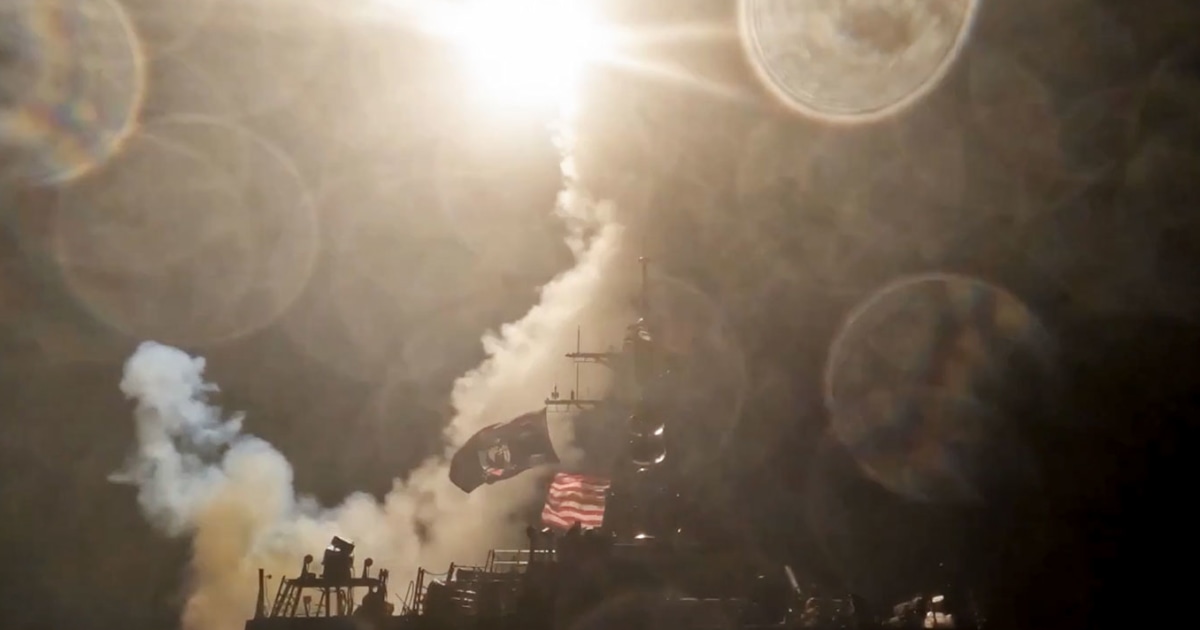
United States military forces continued an intensified aerial campaign against Iranian infrastructure, marking the seventh consecutive night of strikes. The operation, directed by the Commander in Chief, focuses on degrading Iranian military logistics, surveillance capabilities, and maritime infrastructure as the two nations remain deadlocked over control of the strategic Strait of Hormuz.
United States Central Command (CENTCOM) confirmed the latest round of strikes concluded at 9:30 p.m. ET on Friday. The military employed a combination of fighter aircraft, aerial drones, and warships to target underground weapons storage and maritime surveillance networks. A primary objective involves isolating the port city of Bandar Abbas from mainland transport links. CENTCOM also confirmed the destruction of a surveillance tower at the Shahid Kalantari Port in Chabahar on July 16, asserting the facility had been utilized by the Islamic Revolutionary Guard Corps (IRGC) to track and target commercial vessels transiting the strait.
Related media
Disputed Impact and Escalation
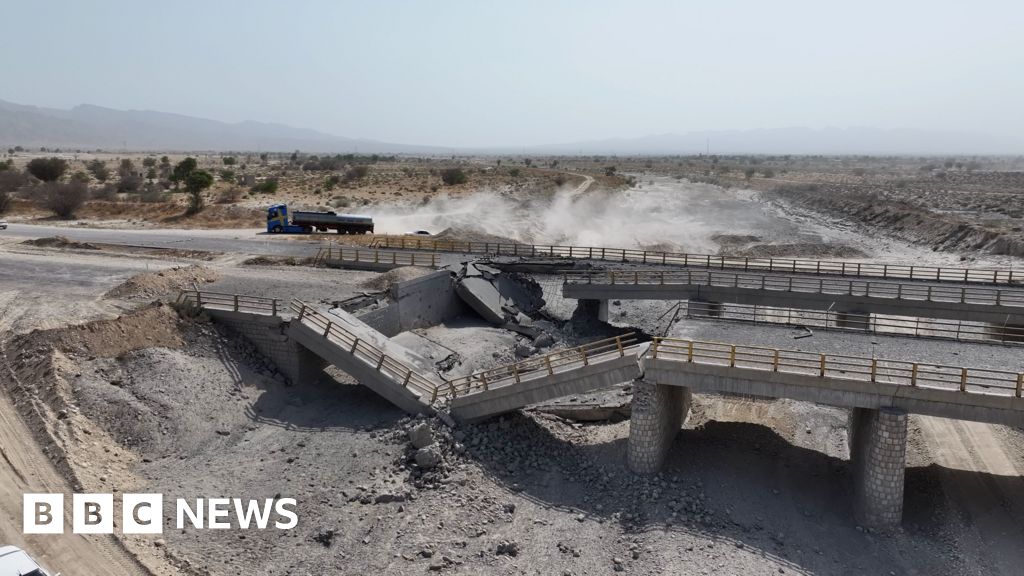
The human and infrastructure toll remains a point of intense disagreement between the belligerents. Iranian state media, including IRIB, reported that at least three people were killed and eight others injured in the most recent overnight strikes in Hormozgan province. Provincial authorities report that U.S. Strikes damaged bridges, including the Gariveh Bridge, a railway junction near Bandar Abbas, and an airport in Iranshahr. However, the U.S. Maintains that its operations are strictly limited to military logistics and assets. Capt. Tim Hawkins, a CENTCOM spokesman, stated that the U.S. Military does not target civilians, characterizing the affected facilities as dual-use sites employed by the IRGC to monitor and threaten shipping.
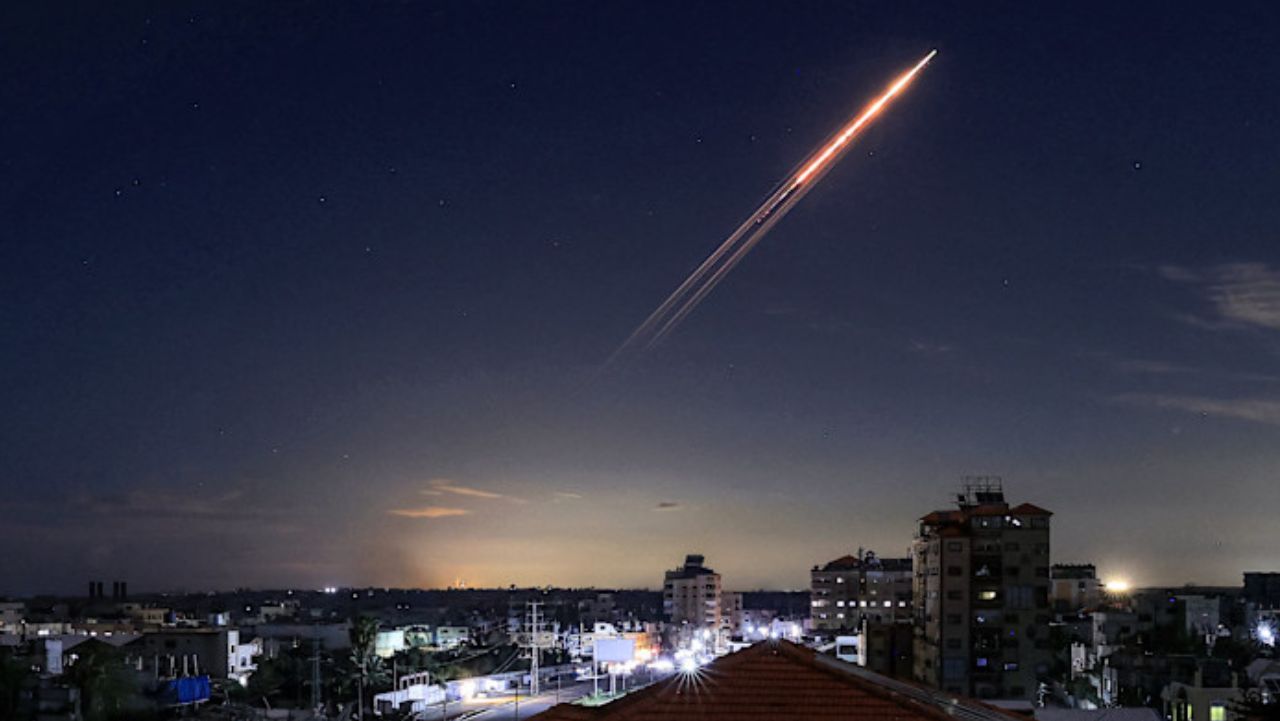
In response, Iranian officials have escalated their rhetoric and military posture. Maj. Gen. Mohsen Rezaei, an adviser to Iran's supreme leader, warned that if the campaign persists, Tehran will transition from retaliatory actions to a "full-scale offensive" phase. Iranian forces have reported launching strikes targeting U.S. Assets in Kuwait, Bahrain, Jordan, and Syria. Authorities in Kuwait confirmed that Iranian projectiles damaged a power generation and water desalination plant, leading to a fire and service disruptions. Separately, the IRGC claimed to have stopped four vessels attempting to pass through the Strait of Hormuz using missile and drone operations, a claim U.S. Officials have not verified. Reports of Iranian-linked tanker explosions in the strait were dismissed as false by CENTCOM.
Regional and Global Consequences
The disruption of the Strait of Hormuz—a transit point for approximately one-fifth of the world’s oil—has prompted a rise in global energy prices. Shipping traffic through the waterway has slowed, with data indicating a decline in daily transits as commercial vessels face increased danger. In addition to the blockade, U.S. Forces have been boarding tankers suspected of attempting to bypass enforcement measures. Iran has reportedly urged Houthi forces in Yemen to prepare for potential interference with oil routes in the Red Sea should the U.S. Continue targeting Iranian energy facilities.
Status of Diplomacy and Infrastructure
- Diplomatic Stasis: White House press secretary Karoline Leavitt stated on Thursday that Iran wants to “make a deal with us,” even as the prior memorandum of understanding has collapsed. Meanwhile, President Trump asserted that the U.S. Is "winning big" and that the fruits of the military campaign will be evident shortly.
- Infrastructure Strain: Iran’s Energy Ministry has requested that residents in southern provinces reduce electricity consumption as power plants and grids face damage from ongoing strikes and extreme temperatures.
As of Saturday, both sides continue to engage in a cycle of aerial strikes and regional retaliation. While communications between Washington and Tehran are reportedly still active, the collapse of prior agreements has left little immediate path to a new, durable truce. The global energy market remains in a state of high volatility as the military blockade of Iranian ports and the closure of the Strait of Hormuz by Tehran have resulted in a significant reduction in maritime trade.
Archypedia is dedicated to independent, evidence-backed reporting. This briefing was synthesized from primary source reporting, corroborated across independent newsrooms, and verified against our Editorial Standards.
Transparency record
Evidence behind this report
This report synthesizes 7 distinct sources. Open the source ledger below to compare the underlying coverage.
Prepared under the Archypedia Editorial Policy by the Samir Haddad editorial desk profile. AI-assisted tools may support drafting and verification; public accountability remains with Archypedia. Report an error.
