US launches seventh night of airstrikes against Iranian infrastructure
U.S. airstrikes continue to target Iranian logistics and military sites as the conflict over the Strait of Hormuz triggers regional retaliatory attacks.
The United States military commenced its seventh consecutive night of airstrikes against Iranian targets on Friday, July 17, 2026. The ongoing offensive is a notable escalation in the conflict over the Strait of Hormuz following the collapse of an interim ceasefire last month. U.S. Central Command (CENTCOM) confirmed the operations are intended to continue degrading Iranian military and logistics infrastructure.
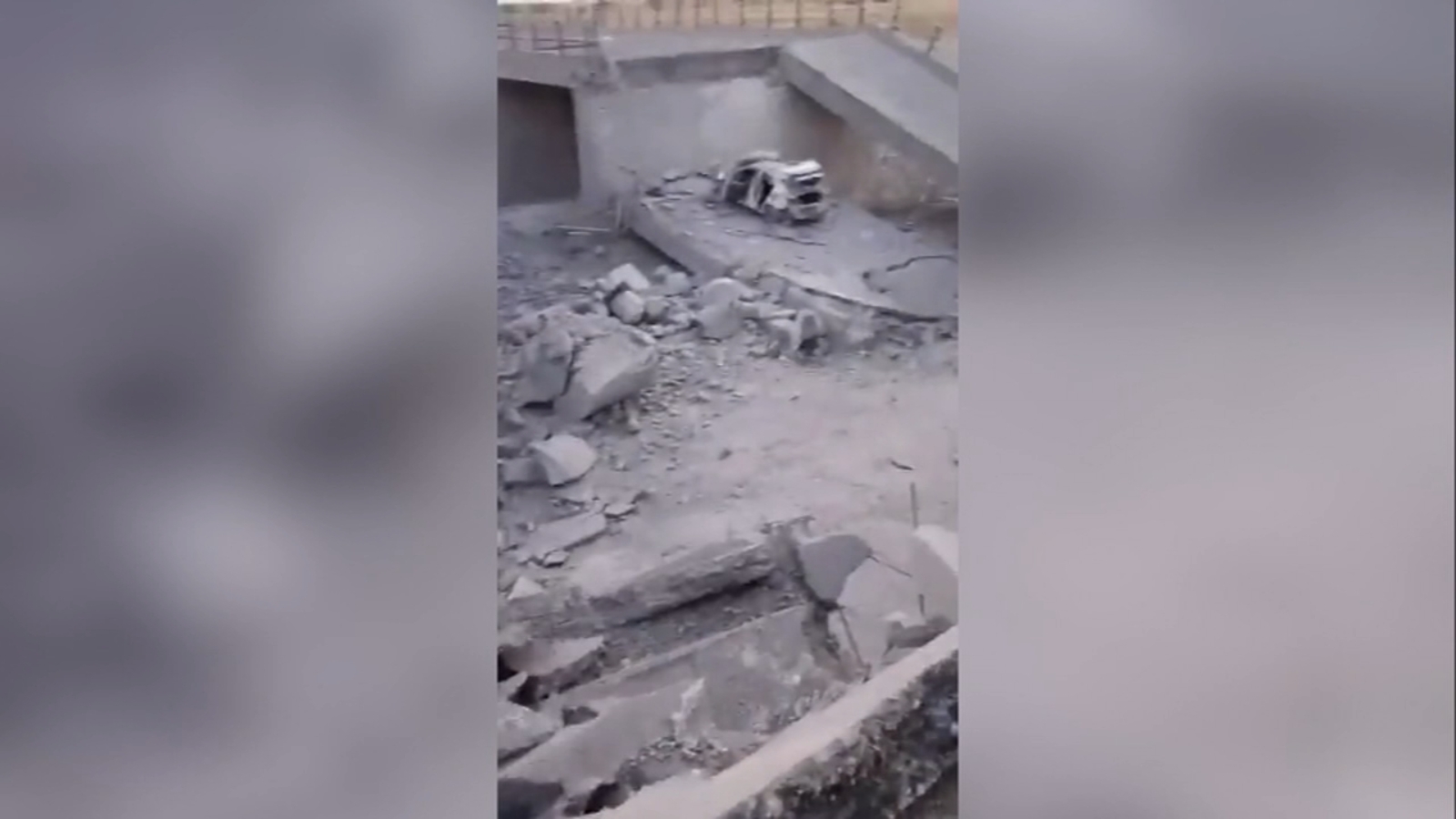
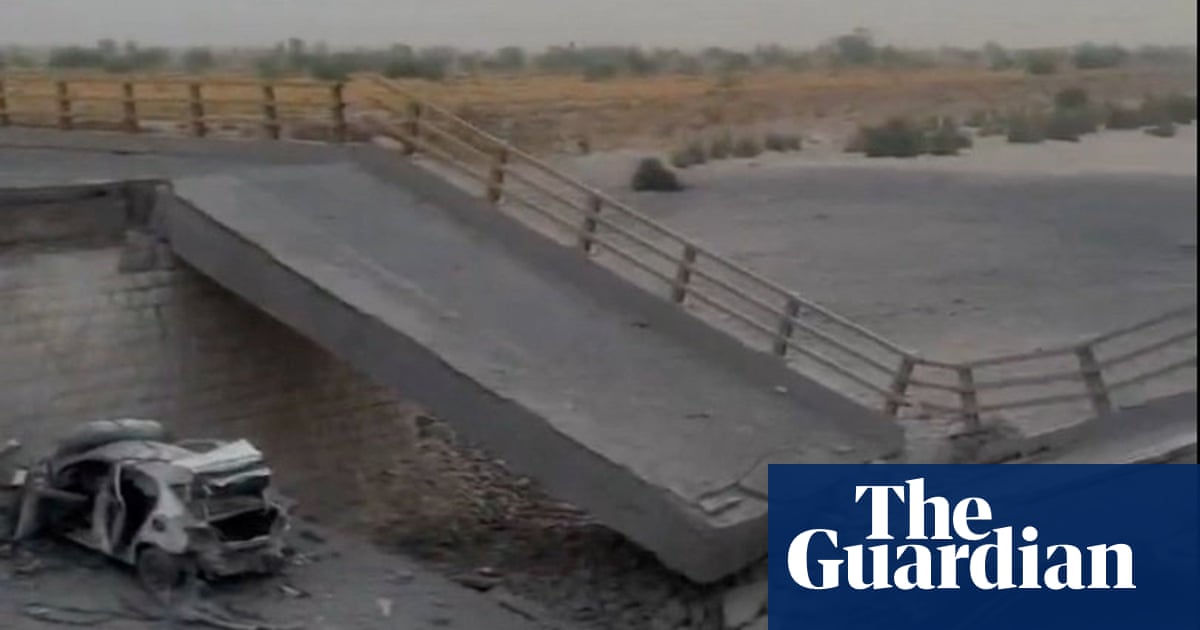
The military campaign has increasingly focused on disabling logistical lifelines. Earlier on Friday, U.S. Forces struck multiple road and railway bridges in Iran’s southern Hormozgan province, specifically targeting routes connected to Bandar Abbas, the country’s primary port. In the coastal city of Chabahar, airstrikes collapsed a prominent maritime surveillance tower. CENTCOM reported that the structure had served the Islamic Revolutionary Guard Corps (IRGC) for decades, allowing the paramilitary group to monitor and coordinate attacks on commercial shipping traffic navigating the Strait of Hormuz.
Related media

The conflict has triggered a cascade of regional retaliatory strikes. Iran launched missile and drone attacks against U.S.-allied nations, including Kuwait, Qatar, and Jordan. In Kuwait, an attack on a power and water desalination plant ignited a fire and damaged the station, prompting authorities to urge electricity rationing. Meanwhile, in Qatar, a missile interception resulted in falling debris that wounded a child. Hostilities also extended into northern Iraq, where missile strikes reportedly killed nine people and wounded others in a camp belonging to the Komala Party of Iranian Kurdistan.
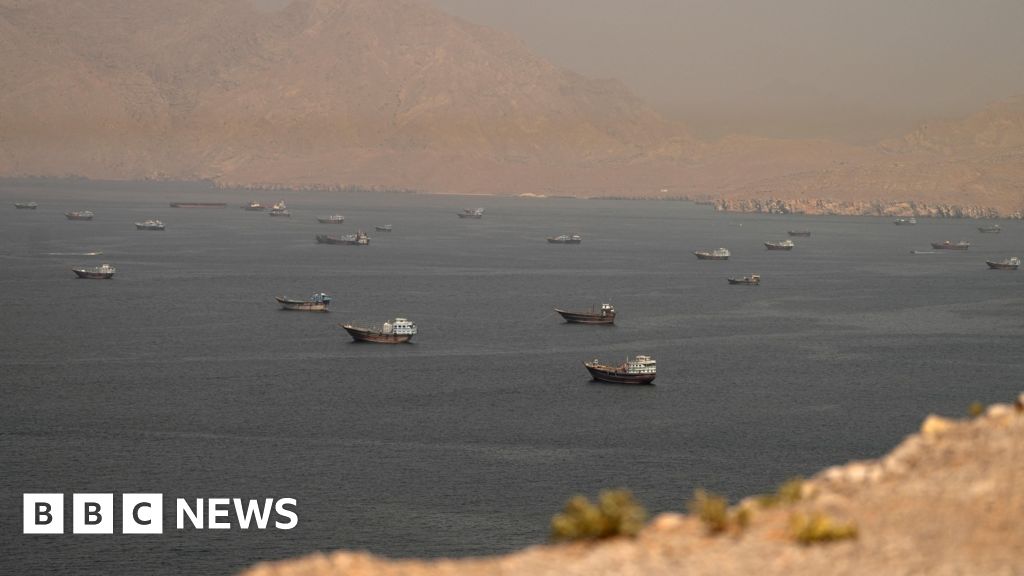
On the U.S. Side, CENTCOM acknowledged that 13 additional service members have been injured since Monday. Global energy markets have reacted to the instability; the price of Brent crude oil rose above $86 a barrel on Friday as shipping transits through the strait plummeted to a three-week low. MarineTraffic.com data indicates that only eight ships passed through the strait on Thursday.
The United States has concurrently maintained a strict naval blockade. CENTCOM reported redirecting three commercial vessels, disabling one that refused to comply, and boarding another to ensure adherence to the policy. While Iran has insisted that the strait must remain under its sole control and that vessels must pay transit fees, the United States maintains that the waterway must remain international.
Conflict Status
| Category | Details |
|---|---|
| Strait of Hormuz Blockade | Active; U.S. Naval enforcement ongoing |
| Interim Ceasefire | Collapsed; negotiations described as at a standstill |
| U.S. Airstrikes | Seventh consecutive night; focused on logistics and military infrastructure |
| Regional Impact | Targeted infrastructure in Kuwait, Qatar, Jordan, and Iraq |
The situation remains volatile, with both sides intensifying their rhetoric. U.S. President Donald Trump, in a primetime address, asserted that the war was proceeding according to plan, stating,
"We are likewise winning big in Iran, and you will see the fruits of that labor very, very shortly."
President Donald Trump via Yahoo News
Conversely, Iranian officials have vowed to continue their resistance. Regarding the casualties in the southern province, Iran's foreign minister Seyed Abbas Araghchi stated,
"Three villagers were martyred while crossing the Bandar Khamir Bridge. They were absolutely innocent, and we will never allow their blood to be in vain. Iran is our homeland—from south to north, and from east to west. We will defend every inch of our land until our very last breath."
Seyed Abbas Araghchi, Foreign Minister, via Yahoo News
As the conflict enters its next phase, the U.S. Military has signaled that airstrikes will continue under the direction of the Commander in Chief to degrade Iranian capabilities.
Archypedia is dedicated to independent, evidence-backed reporting. This briefing was synthesized from primary source reporting, corroborated across independent newsrooms, and verified against our Editorial Standards.
Transparency record
Evidence behind this report
This report synthesizes 9 distinct sources. Open the source ledger below to compare the underlying coverage.
Prepared under the Archypedia Editorial Policy by the Samir Haddad editorial desk profile. AI-assisted tools may support drafting and verification; public accountability remains with Archypedia. Report an error.