US strikes 140 Iranian targets after regime closes Strait of Hormuz
President Donald Trump has ordered massive airstrikes against Iranian assets following the IRGC's closure of the strategic Strait of Hormuz and an attack on a civilian cargo ship.
The United States has launched a massive third wave of airstrikes against Iran on Sunday, July 12, 2026, following Tehran's decision to close the Strait of Hormuz and its attack on a civilian cargo vessel. The military operation, ordered by President Donald Trump, marks the largest US bombardment of Iranian assets in weeks and effectively ends a fragile ceasefire established in mid-June.
The escalation began when the Islamic Revolutionary Guard Corps (IRGC) declared the strategic waterway closed until further notice and until the end of US interference
in the region. According to BBC, the closure followed an Iranian naval attack on the M/V GFS Galaxy, a Cyprus-flagged container ship. US Central Command (CENTCOM) stated the attack caused a fire and significant engine room damage, leaving one civilian crew member missing. The UK Maritime Trade Operations (UKMTO) reported that the crew was forced to abandon the vessel and seek refuge in a lifeboat.
Related media

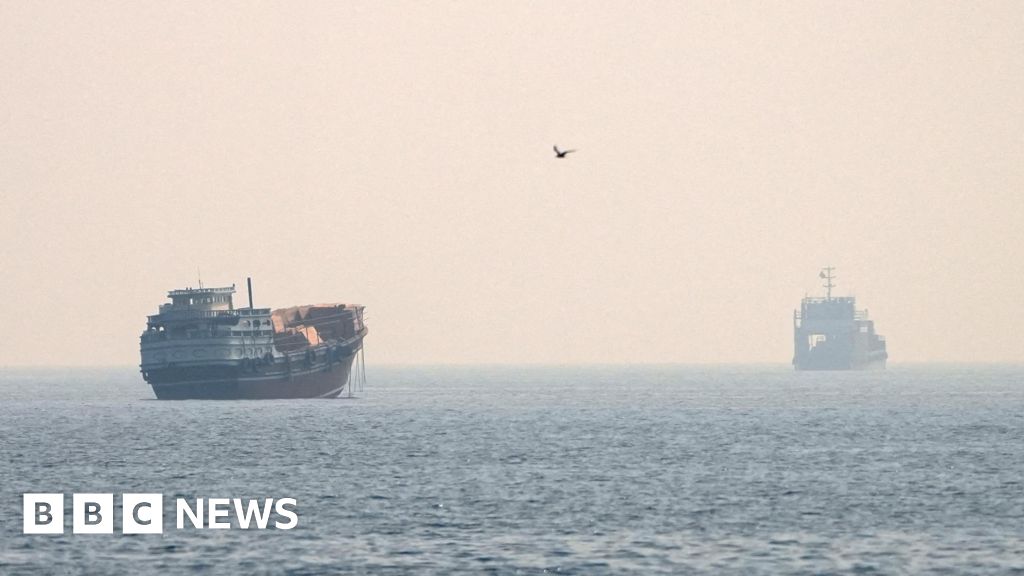
While CENTCOM described the act as a blatant attack, the IRGC claimed the vessel had jeopardized maritime security by switching off its systems and ignoring instructions to use an approved route. The IRGC asserted the ship was hit by a warning shot
and later claimed to have struck a second vessel in the strait.
A Cycle of Retaliation
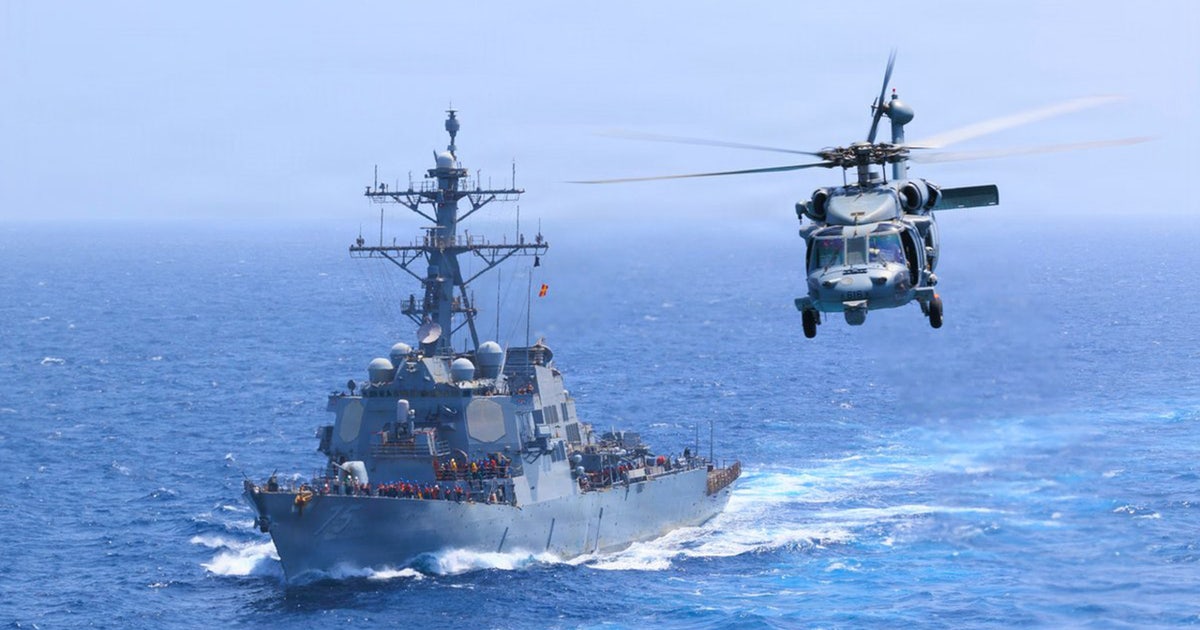
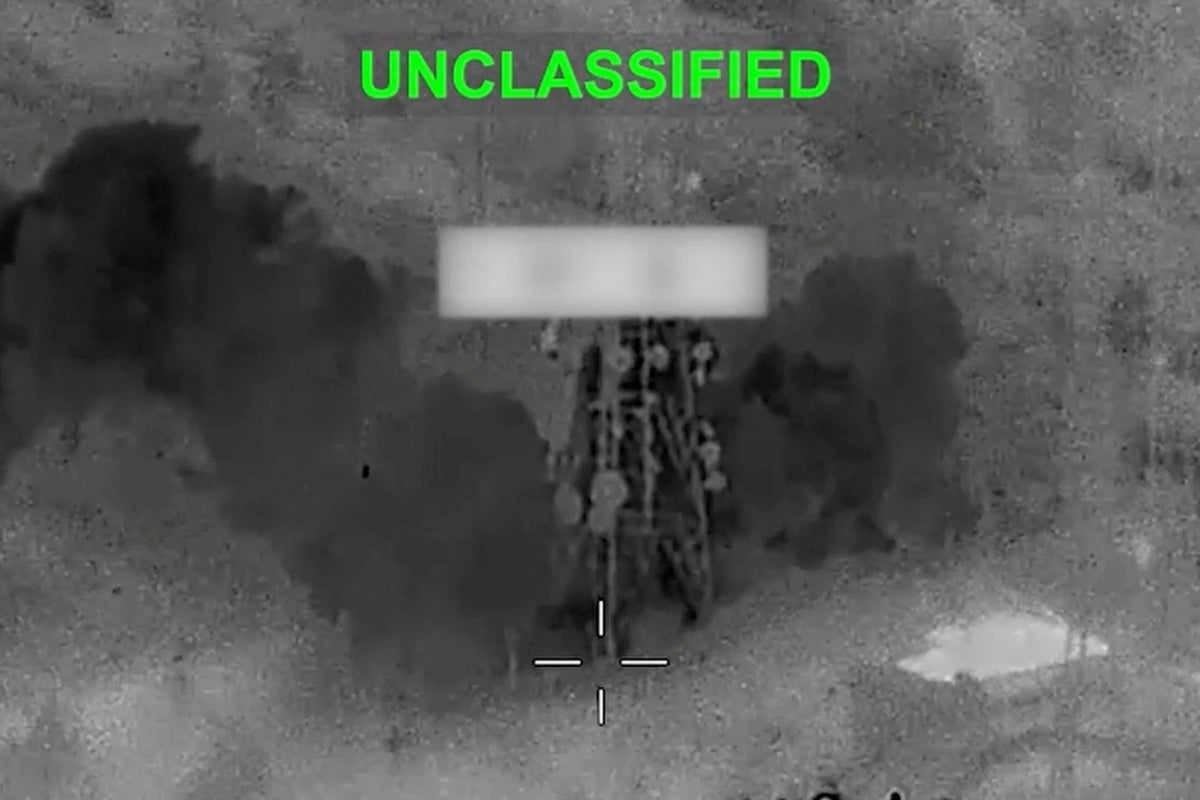
The US response involved a barrage from land- and sea-based fighter planes, drones, and ships. CENTCOM reports that the strikes hit approximately 140 Iranian military targets, including:
- Missile and drone sites
- Naval capabilities and coastal surveillance locations
- Ammunition storage facilities
- Communication networks
Iranian state media reported explosions in several southern provinces, including Bushehr, Hormozgan, Khuzestan, and Sistan and Baluchestan. Specific targets included military bases in the cities of Bandar Abbas, Sirik, Chabahar, and the port of Asaluyeh, as well as Qeshm Island, which houses an underground missile base. US Secretary of Defense Pete Hegseth reacted to the operation on X, stating, Iran made a poor choice. Now they pay.
Iran responded with launching ballistic missiles and drones at US installations across the Gulf. The IRGC claimed to have destroyed command-and-control centers and MQ-9 drone hangars at the Prince Hassan Air Base in Jordan, as well as a fighter aircraft maintenance center at the Al Udeid Air Base in Qatar. Additionally, Iran targeted a US military radar site in Kuwait and logistics support centers for US aircraft carriers at Oman's Port of Duqm.
The fallout extended to regional allies. The UAE's Defense Ministry confirmed its air defenses engaged missile and UAV threats
The Collapse of the June Memorandum
The current violence follows the breakdown of a memorandum of understanding (MoU) signed in mid-June. However, disputes over the "safe passage" of ships through the Strait of Hormuz proved insurmountable.
Iranian Parliament Speaker Mohammad Bagher Ghalibaf accused the US of breaching the agreement, posting on X that the era of one-sided deals is OVER
. He argued that the strait would only open under Iranian arrangements
rather than American threats
. Conversely, US officials claimed Iran had previously attributed attacks on civilian vessels to rogue hardliners
attempting to undermine the peace agreement. President Trump has since declared the ceasefire over
, calling the Iranian leadership scum
during a Nato summit in Turkey, according to Express.
Internal Unrest and Dynastic Vengeance
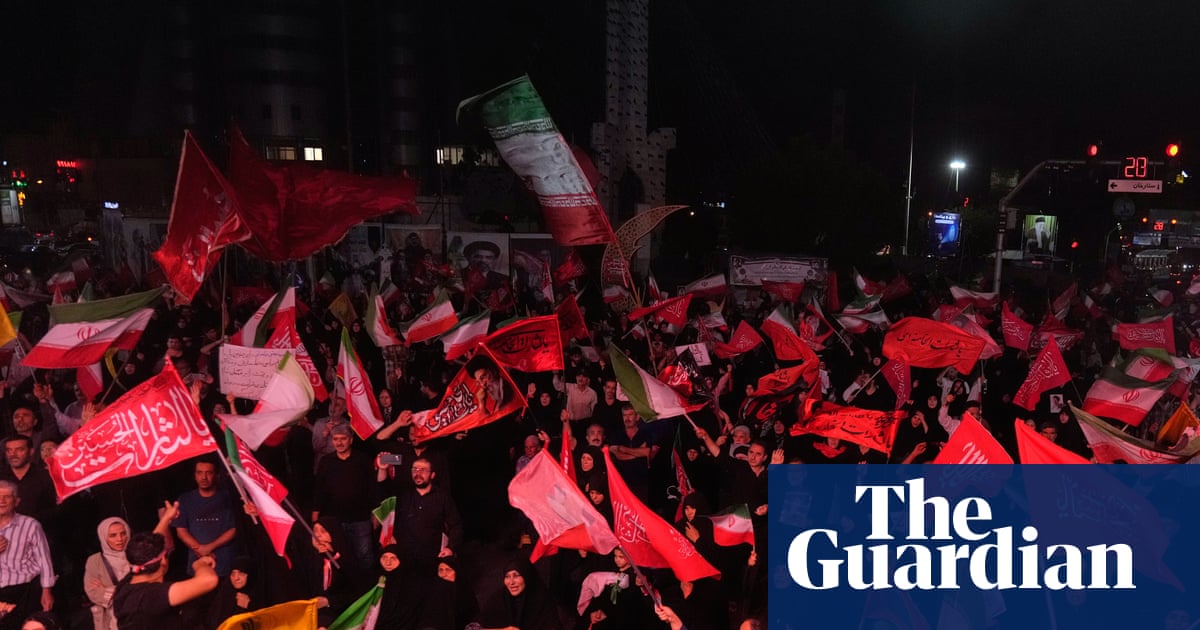
The geopolitical conflict coincides with a volatile transition in Iranian leadership. Following the death of Ayatollah Ali Khamenei—killed in US-Israeli strikes on February 28—his son, Mojtaba Khamenei, has taken power. In a rare public statement released Saturday, the new supreme leader pledged that vengeance for his father's death must certainly take place
.
Amidst the airstrikes, internal opposition also struck. Supporters of the People's Mojahedin Organization of Iran (PMOI/MEK) and dissident students reportedly hacked over 600 government-controlled university websites, including the University of Isfahan and Tarbiat Modares University, replacing homepages with slogans celebrating the resistance. This digital insurgency occurred against a backdrop of severe internet shutdowns following January uprisings that human rights organizations claim killed up to 7,000 people.
Strategic Outlook and Next Steps
The conflict has caused global energy prices to surge, as the Strait of Hormuz previously handled about one-fifth of the world's oil supply. Despite the violence, some diplomatic channels remain open. Oman has drafted a proposal to establish two separate shipping corridors: a southern route through Omani waters for free transit and a northern route through Iranian waters requiring prior approval but no tolls.
| Key Metric/Event | Details |
|---|---|
| US Targets Hit | Approximately 140 (latest round); 300+ total this week |
| Iranian Casualties | At least 17 killed, 115 injured (from strikes earlier this week) |
| US Demand | Public guarantee of safe passage and reopening of all shipping lanes |
| Trump's Warning | Threatened to decimate and destroy all areas of Iranif assassination plots proceed |
What to watch next:
- Whether Iran accepts the Omani proposal for dual shipping corridors.
- The outcome of ongoing mediated talks involving Qatar and Pakistan.
- Further movements by the IRGC regarding the "second vessel" they claim to have disabled.
- The public appearance of Supreme Leader Mojtaba Khamenei, who has been absent from recent funeral rallies.
Archypedia is dedicated to independent, evidence-backed reporting. This briefing was synthesized from primary source reporting, corroborated across independent newsrooms, and verified against our Editorial Standards.
Transparency record
Evidence behind this report
This report synthesizes 12 distinct sources. Open the source ledger below to compare the underlying coverage.
- cbsnews.com
- yahoo.com
- express.co.uk
- bbc.com
- dw.com
- abc.net.au
- moneycontrol.com
- smh.com.au
- cnbctv18.com
- aol.com
- businesstoday.in
- rferl.org
Prepared under the Archypedia Editorial Policy by the Mara Ionescu editorial desk profile. AI-assisted tools may support drafting and verification; public accountability remains with Archypedia. Report an error.