US conducts new airstrikes against Iran following deadly Jordan attack
Following the deaths of two American service members, the US has escalated its military campaign against Iran by targeting IRGC infrastructure. These hostilities follow the breakdown of an interim peace agreement signed last month.
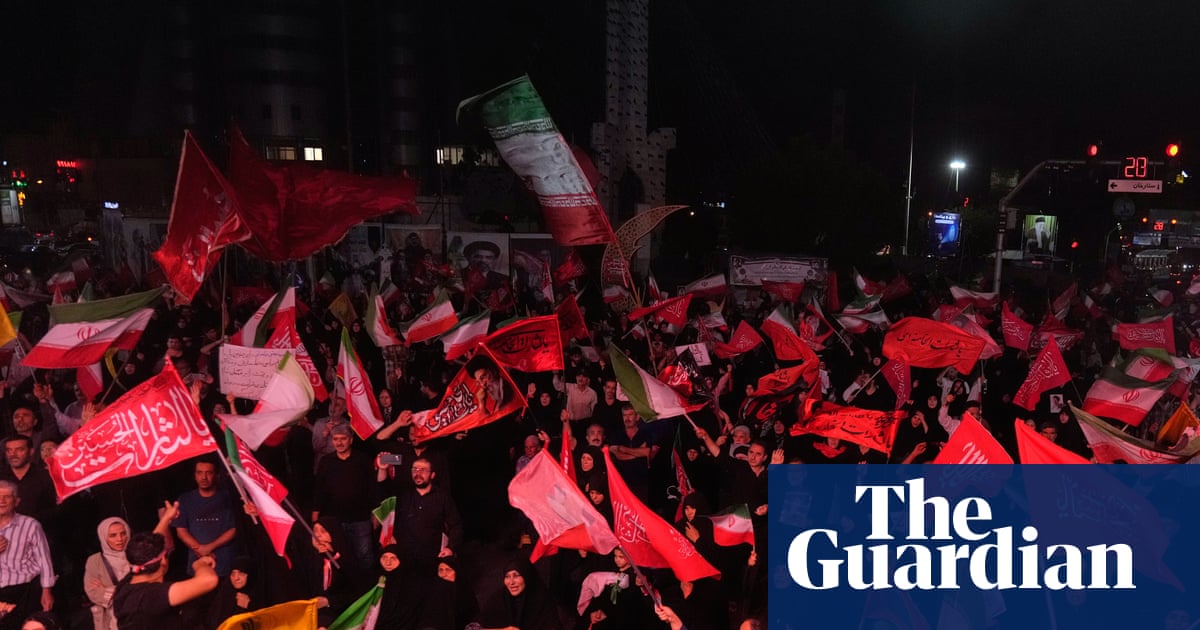
The United States military has intensified its campaign against Iran, conducting an eighth consecutive night of airstrikes as of Sunday, 19 July 2026. This escalation follows the deaths of two American service members in Jordan, killed on 17 July 2026, when their base was struck by Iranian ballistic missiles and drones. A third U.S. Service member remains missing following the incident at the Jordanian base, while four others required hospitalization before their release. The ongoing hostilities represent a complete collapse of an interim peace agreement signed last month, which had been intended to negotiate a permanent end to the conflict and address issues such as Iran’s nuclear program.
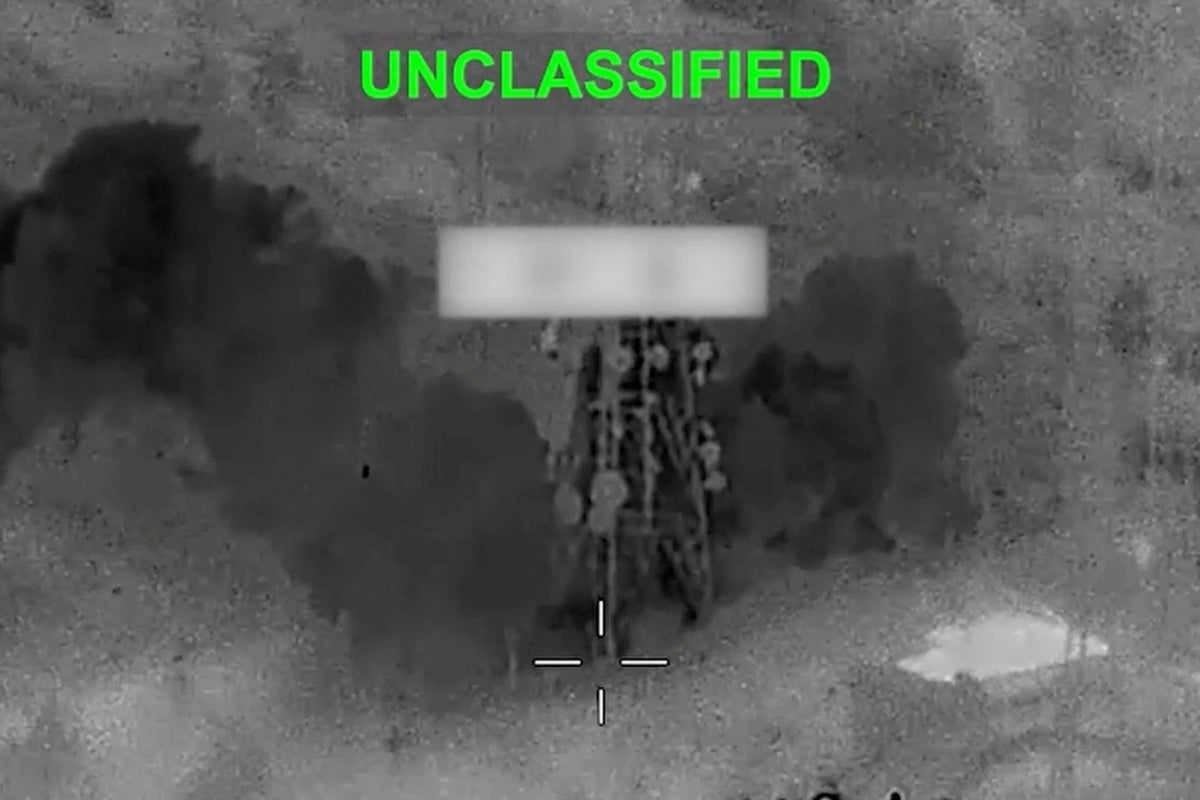
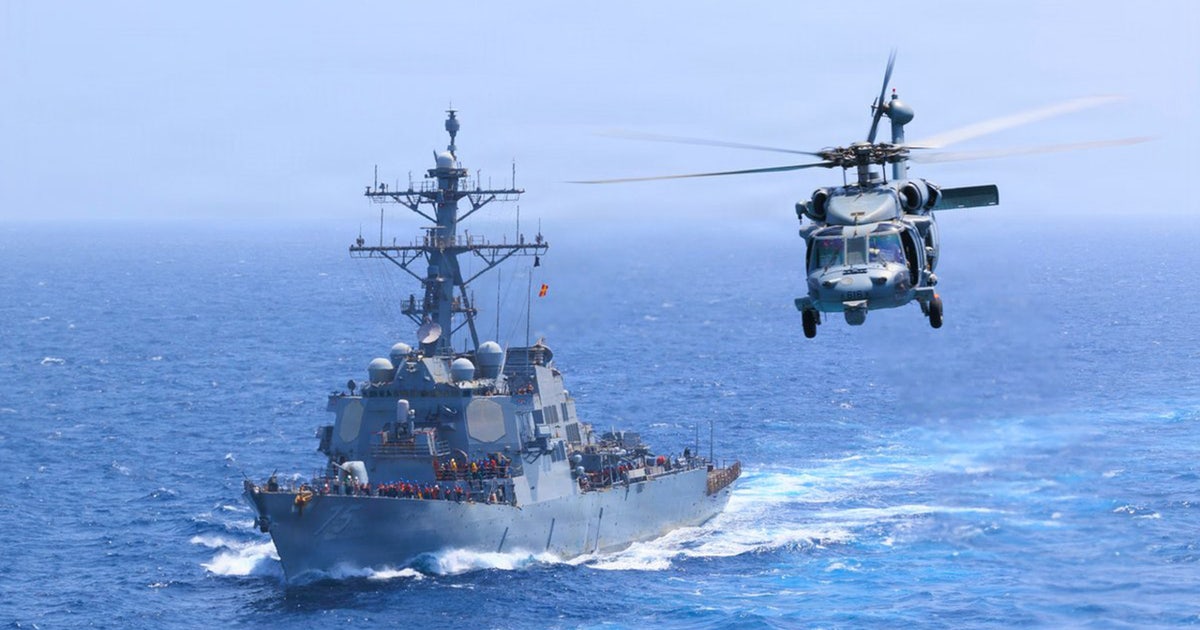
U.S. Central Command confirmed that the latest strikes were directed at the Islamic Revolutionary Guard Corps (IRGC), specifically targeting military coastal surveillance, air defense facilities, maritime capabilities, and missile storage sites. These operations, ordered by President Donald Trump, aim to degrade Iran’s ability to control the Strait of Hormuz—a strategic waterway that previously facilitated the transit of one-fifth of global oil supplies—and to punish the IRGC for the lethal attack in Jordan. Video released by the U.S. Military showed strikes carried out by fighter jets and Tomahawk cruise missiles launched from the sea, including operations near mountain ranges where the IRGC reportedly tucks military equipment.
Related media
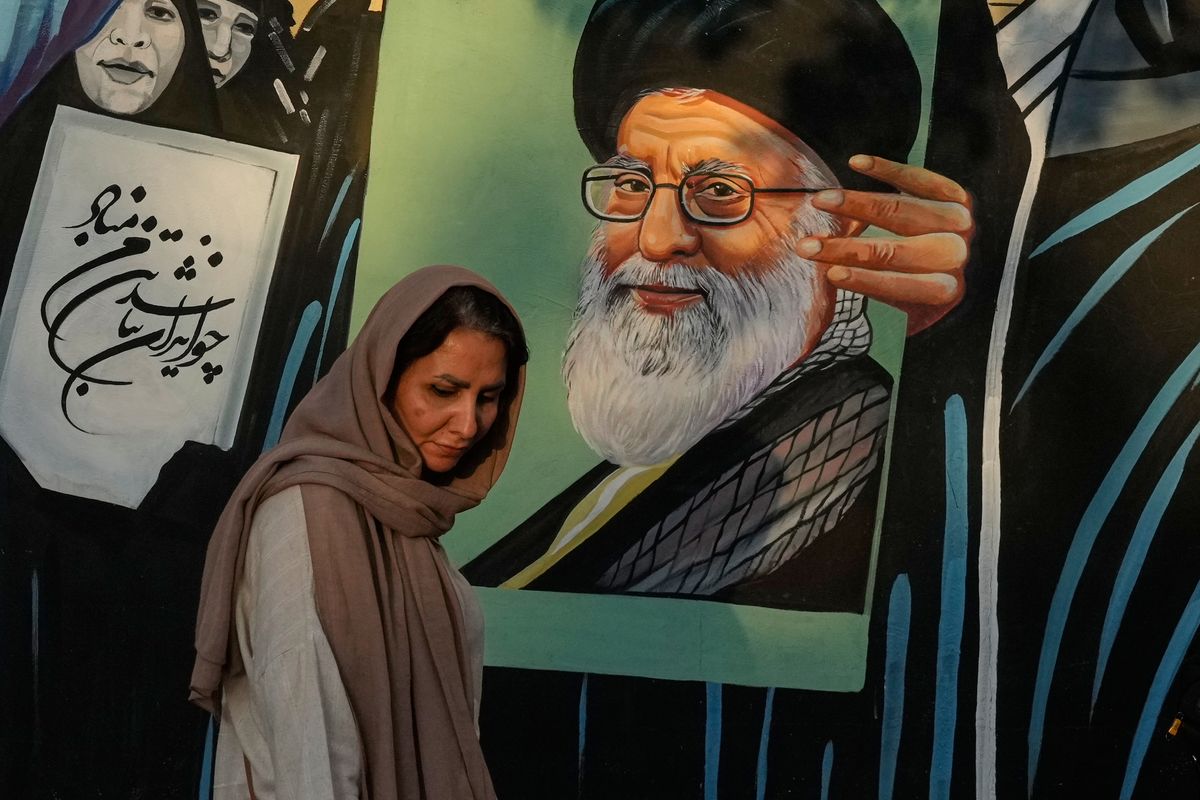
Regional Escalation and Infrastructure Targeting
The conflict has expanded significantly, with both nations increasingly targeting infrastructure. Iran has launched retaliatory strikes against U.S.-allied states in the Gulf. According to reports from the region:
- Kuwait: Iranian drone and missile strikes have hit critical infrastructure, including a power and desalination plant, causing fires. Kuwait also reported drone assaults on the Ali Al Salem Air Base, targeting Patriot radar systems, and an ammunition depot at Camp Udairi.
- Jordan: Jordanian forces reported intercepting multiple Iranian missiles. Tensions have risen near the port city of Aqaba, where the U.S. Embassy issued a security alert, urging the evacuation of airport and seaport facilities due to credible threats.
- Iran: U.S. Strikes have impacted bridges and power infrastructure, including sites in the provinces of Hormozgan and Khuzestan. Iran’s atomic energy agency accused the U.S. Of targeting the construction site of the Darkhovin nuclear power plant, though the International Atomic Energy Agency noted the site contained no nuclear material at the time of its last inspection.
The Collapse of Diplomacy
Diplomatic efforts have stalled as both sides accuse the other of violating the terms of the memorandum of understanding (MoU) finalized last month. Iran’s Foreign Ministry spokesperson Esmail Baghaei announced that Tehran no longer feels bound by the agreement, while Supreme Leader Ayatollah Mojtaba Khamenei declared President Trump’s signature on the document “worthless and invalid.” The U.S. Department of State has issued a global travel caution for American citizens, citing the complex security environment in West Asia.
The humanitarian and economic toll continues to mount. Iranian authorities reported on Sunday that at least 50 people have been killed and over 500 wounded by U.S. Strikes. During the wider war, which began on 28 February 2026, the U.S. Military has suffered 16 fatalities and over 430 injuries. Economic impacts are being felt globally, with shipping traffic through the Strait of Hormuz remaining at minimal levels compared to pre-war averages.
What to Watch Next
| Event | Status/Context |
|---|---|
| Lebanese President Joseph Aoun’s U.S. Visit | Aoun is slated to meet with U.S. President Donald Trump at the White House. |
| Strait of Hormuz Blockade | The U.S. Continues to enforce a naval blockade. |
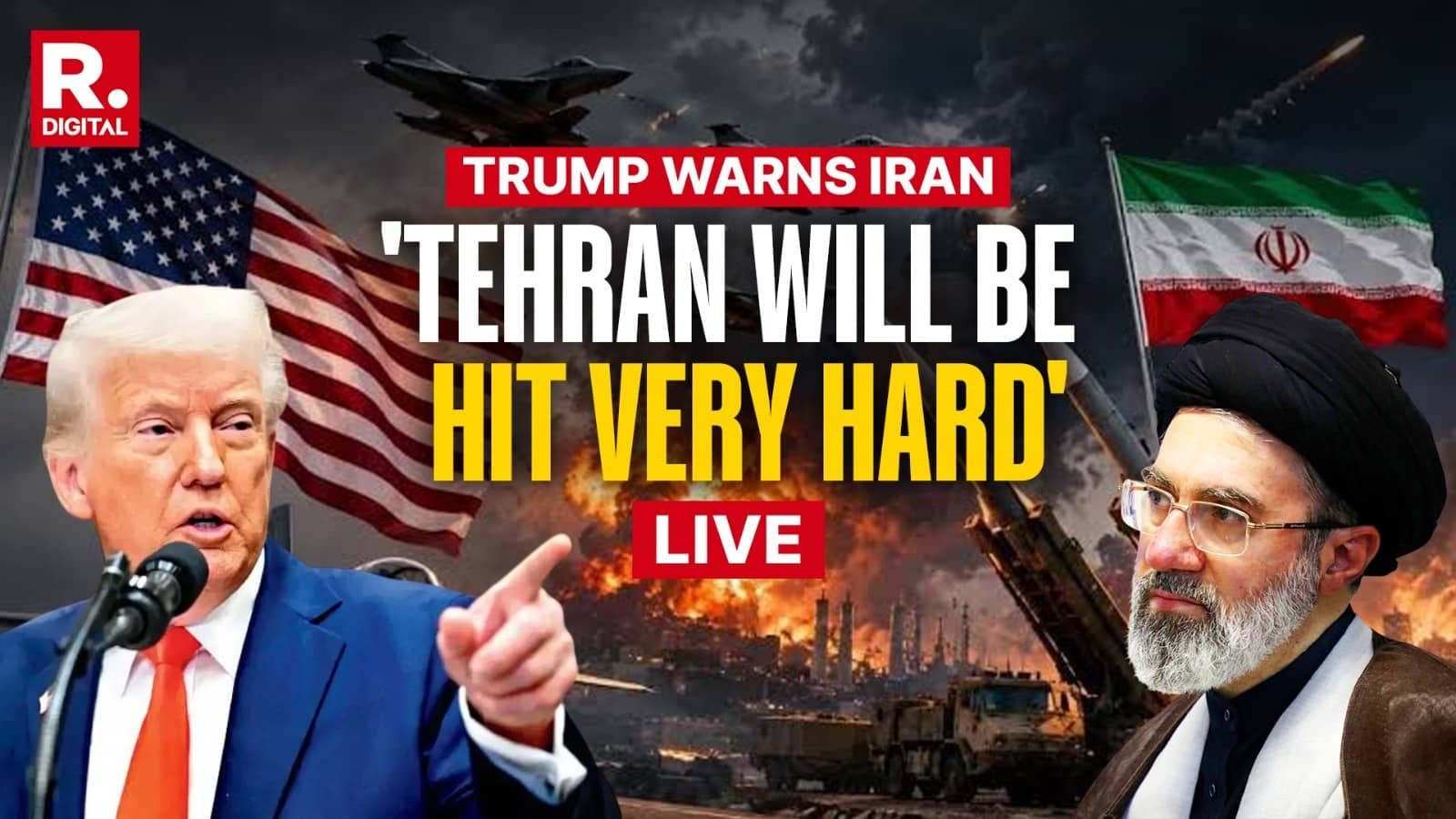
| Military Stance | President Trump has threatened to target Iran’s power stations and bridges to compel Tehran to loosen its hold on the Strait of Hormuz. |
As the conflict enters this new, more volatile phase, the prospect of a political settlement appears increasingly distant. With Iran suspending its commitments to the interim deal and the U.S. Military continuing to target core IRGC capabilities, the region remains on high alert, bracing for further potential escalation.
Archypedia is dedicated to independent, evidence-backed reporting. This briefing was synthesized from primary source reporting, corroborated across independent newsrooms, and verified against our Editorial Standards.
Transparency record
Evidence behind this report
This report synthesizes 12 distinct sources. Open the source ledger below to compare the underlying coverage.
- pbs.org
- latimes.com
- fox10phoenix.com
- republicworld.com
- ewn.co.za
- semissourian.com
- yahoo.com
- cnbctv18.com
- independent.co.uk
- aljazeera.com
- wtva.com
- malaysia.news.yahoo.com
Prepared under the Archypedia Editorial Policy by the Samir Haddad editorial desk profile. AI-assisted tools may support drafting and verification; public accountability remains with Archypedia. Report an error.