Oil prices fall as US prepares toughest-ever sanctions on Iran
Treasury Secretary Scott Bessent warns of an 'economic D-Day' as Washington launches a massive financial offensive, coinciding with Tehran's attempt to impose tolls on cargo vessels.
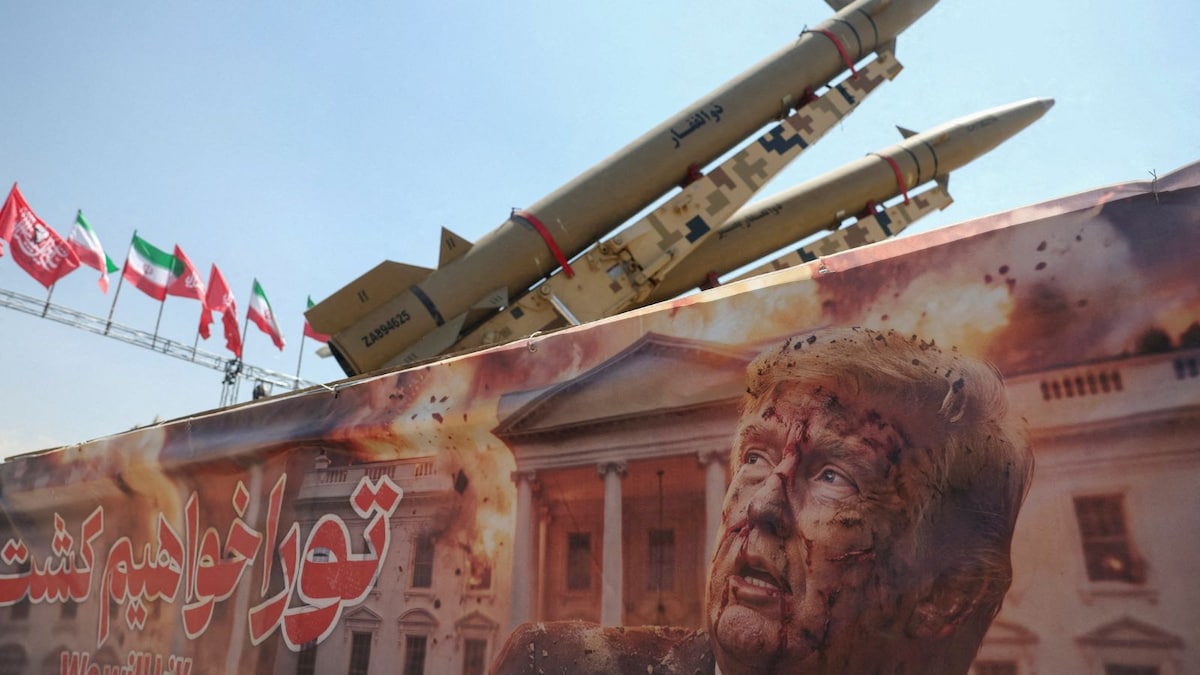
US Treasury Secretary Scott Bessent has characterized new financial sanctions as an economic D-Day, while Iran warns that supporting the measures is an act of war.
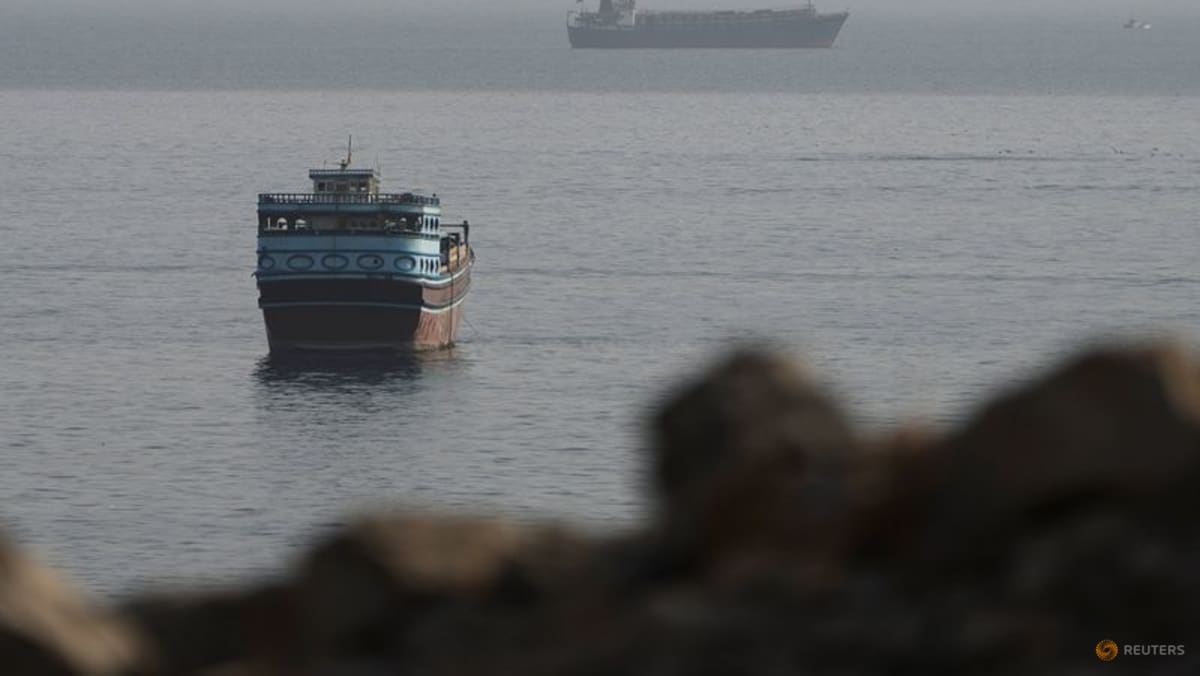
Tehran has labeled Washington's latest financial offensive an act of war, coinciding with a sharp decline in vessel transits through the Strait of Hormuz.
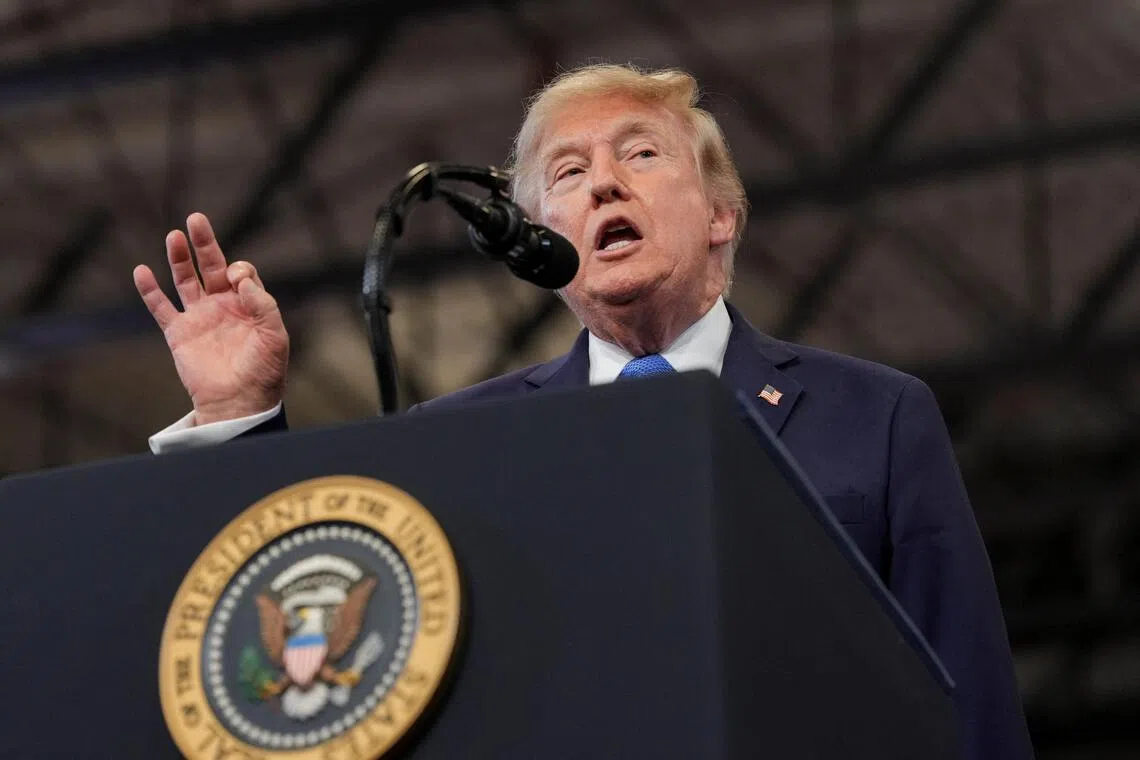
Speaking at a Myrtle Beach rally, Donald Trump minimized the military standoff with Iran as a minor disruption aimed at halting its nuclear ambitions.
As the U.S.-Iran conflict enters its sixth month with casualties surpassing 770, the Pentagon has ordered sailors and Marines to purge personal digital data to evade hostile surveillance.
The United Arab Emirates has completely severed commercial ties with Iran after two ballistic missiles were launched toward its territory, compounding severe oil supply disruptions in the Strait of Hormuz.
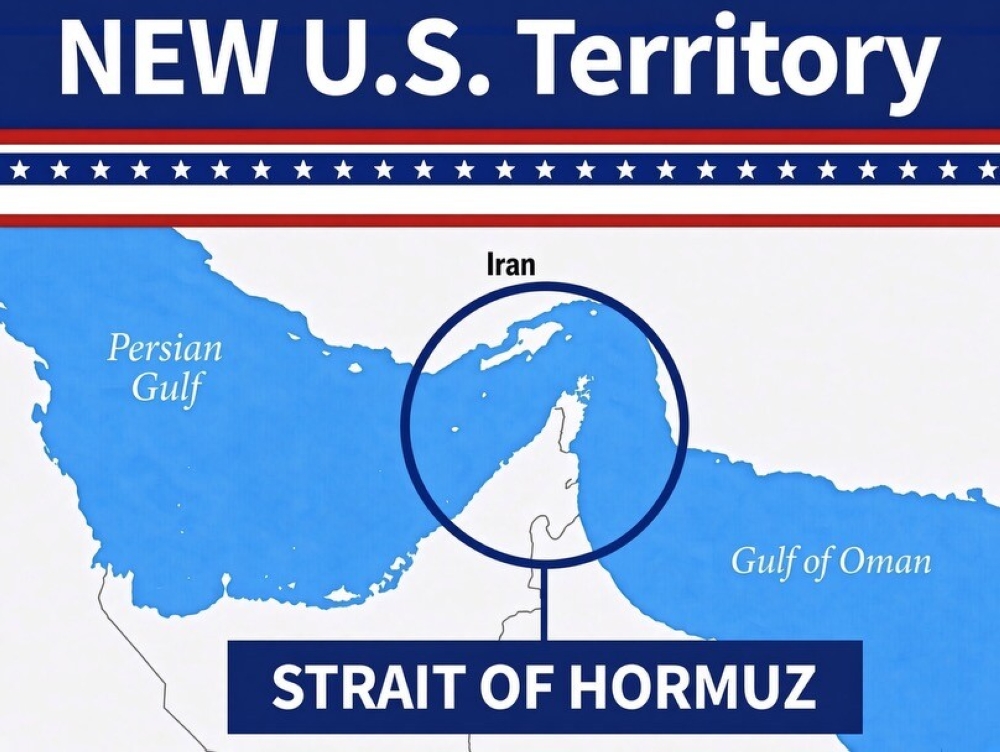
President Trump published a map labeling the vital energy chokepoint as US territory, exacerbating tensions as regional trade plummets and Iran negotiates alternative shipping routes with Oman.
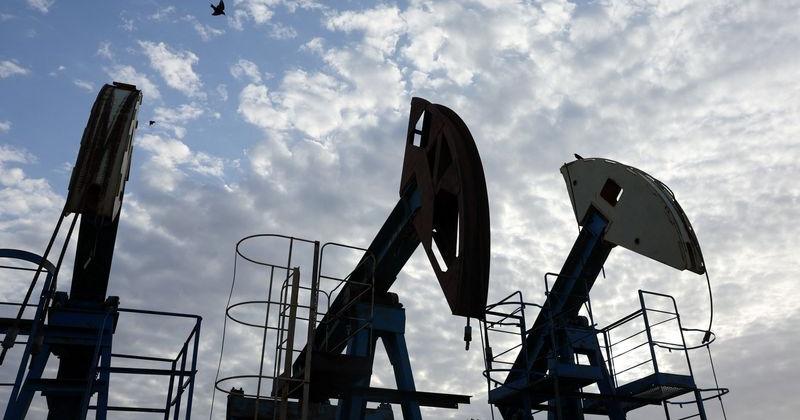
Brent and WTI crude futures extended gains for a third session as diplomatic efforts broke down and tanker traffic through the Strait of Hormuz remained heavily restricted.
Brent crude reached $91.22 a barrel and WTI climbed to $85.31 as collapsing diplomatic talks and naval blockades permanently reprice Middle East shipping bottlenecks.
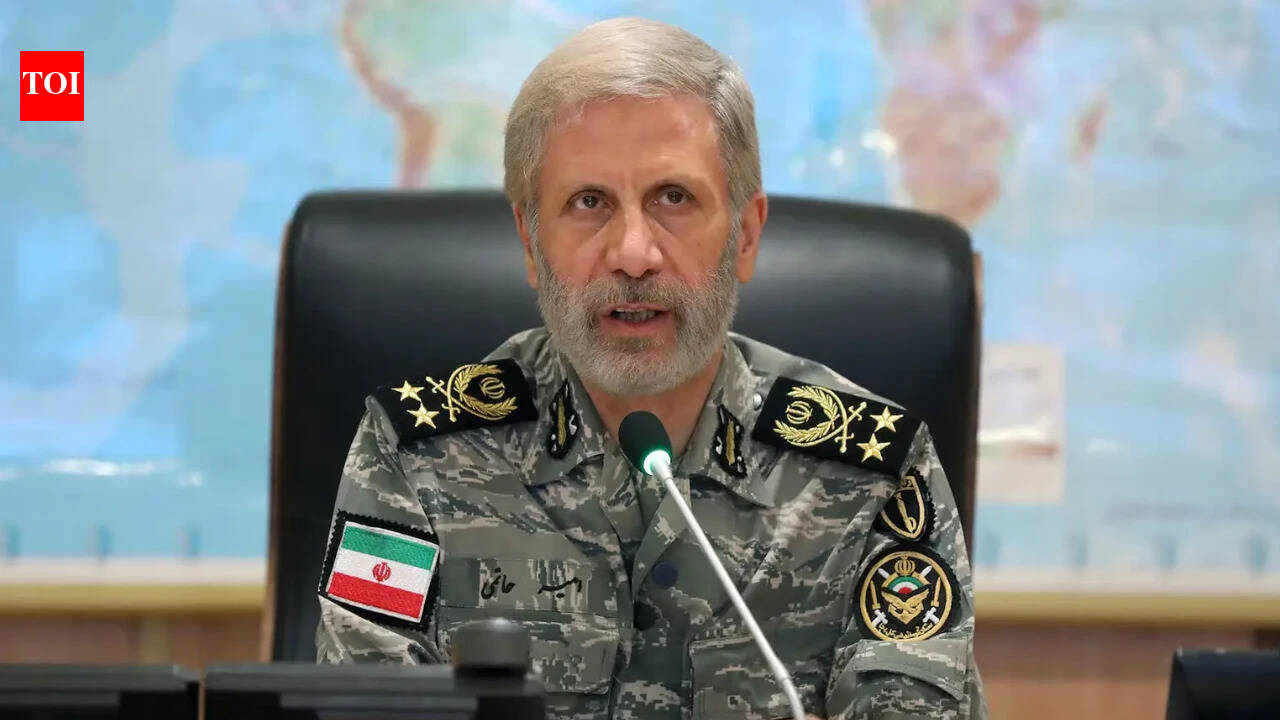
Army chief Amir Hatami announced a tiered reward system for citizens who target American military personnel, despite no known US ground forces being deployed inside Iran.
US President Donald Trump stated plans to claim the Strait of Hormuz as American territory, sparking an immediate backlash from Iranian officials and highlighting a steep decline in commercial vessel traffic.
As Washington implements an open-ended maritime blockade and unprecedented financial isolation against Tehran, domestic political fractures and military strain intensify.
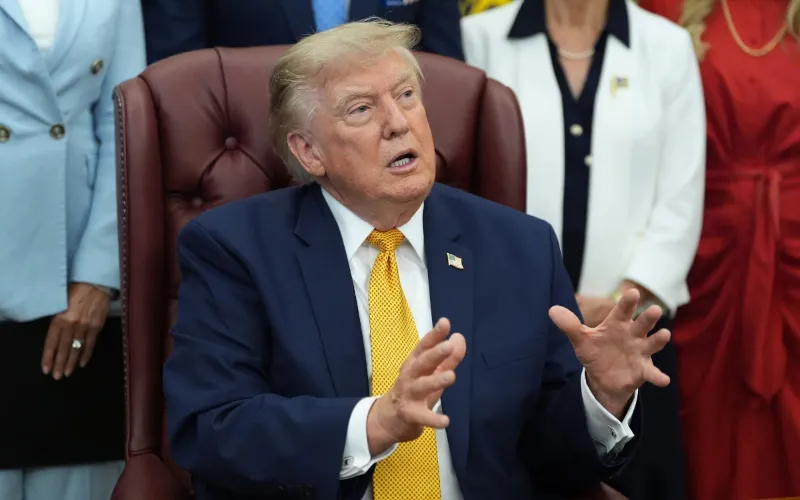
President Donald Trump has issued new demands for war compensation and halted peace negotiations, prompting an aggressive push of economic sanctions and a sharp rise in energy markets.
Brent and WTI crude climbed as traders realized a technical agreement on shipping lanes with Oman does not guarantee commercial access without US concessions.
The U.S. has reinstated its blockade of the Strait of Hormuz and expanded banking sanctions while facing internal reports of exhausted missile stockpiles.
The U.S. has redirected 55 commercial vessels and disabled others to enforce a blockade that has left Iran's primary oil terminal basically dark.
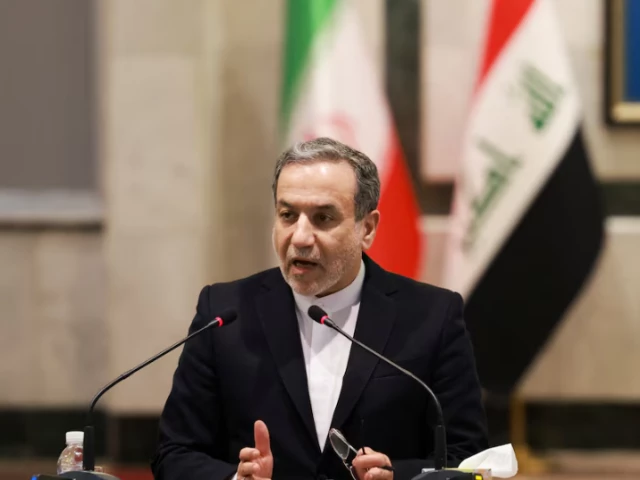
Despite nearing an Omani-brokered technical deal for shipping lanes, Tehran insists the vital energy corridor will remain shut until Washington accepts a sweeping list of economic and military preconditions.
Daily commercial transits through the strategic waterway have plummeted to just eight vessels following an Iranian missile strike on an ADNOC oil tanker.
Iran and Oman have reached an understanding on a restrictive Strait of Hormuz shipping framework that defies Washington's demands for open transit.
Global crude prices remained steady near $79 a barrel as markets monitored diplomatic talks between Iran and Oman over the Strait of Hormuz, even as retail fuel costs surged following expired government subsidies.