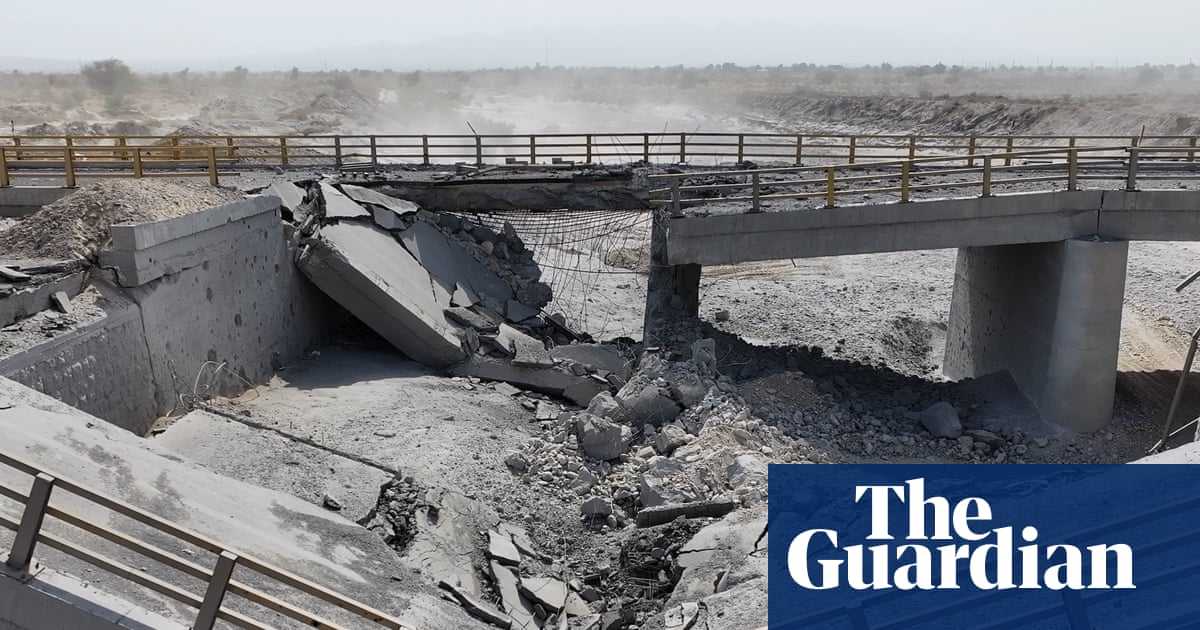
Oil climbs as fading US-Iran peace hopes raise supply risks
Brent and WTI crude futures extended gains for a third session as diplomatic efforts broke down and tanker traffic through the Strait of Hormuz remained heavily restricted.
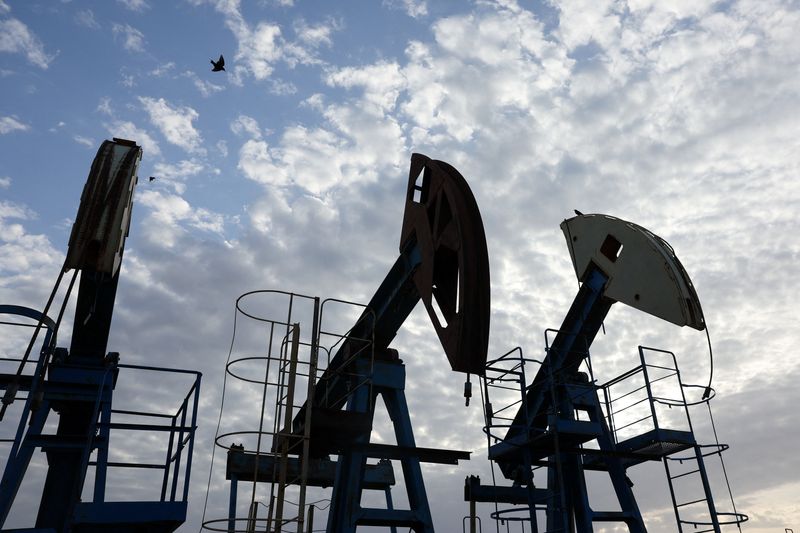
Crude oil prices advanced for a third consecutive session on Tuesday, August 18, 2026, as diplomatic avenues to resolve the ongoing Middle East conflict narrowed significantly. According to reporting by Aol and The Business Times, Brent crude futures and U.S. West Texas Intermediate futures both registered notable gains, touching their highest levels in three weeks during the session. The upward pressure on global energy costs follows a hardening of military positions by Tehran alongside Washington's refusal to extend a temporary ceasefire pact.
The breakdown in talks traces back to the conflict initiated by the United States and Israel on February 28, 2026. Top Iranian negotiator Mohammad Baqer Qalibaf announced via state media that Tehran will maintain the closure of the strategic Strait of Hormuz until Washington fulfills the conditions of an interim agreement signed in June, according to Aol. Concurrently, a senior Iranian official told Reuters that the nation is transitioning to a fully offensive military posture as diplomatic efforts toward a permanent peace stall. President Trump dismissed the June accord as over and asserted that talks between Washington and Tehran were neither taking place nor scheduled, while maintaining that the Strait of Hormuz remained open, though market participants greeted these statements with a muted reaction.
Related YouTube video
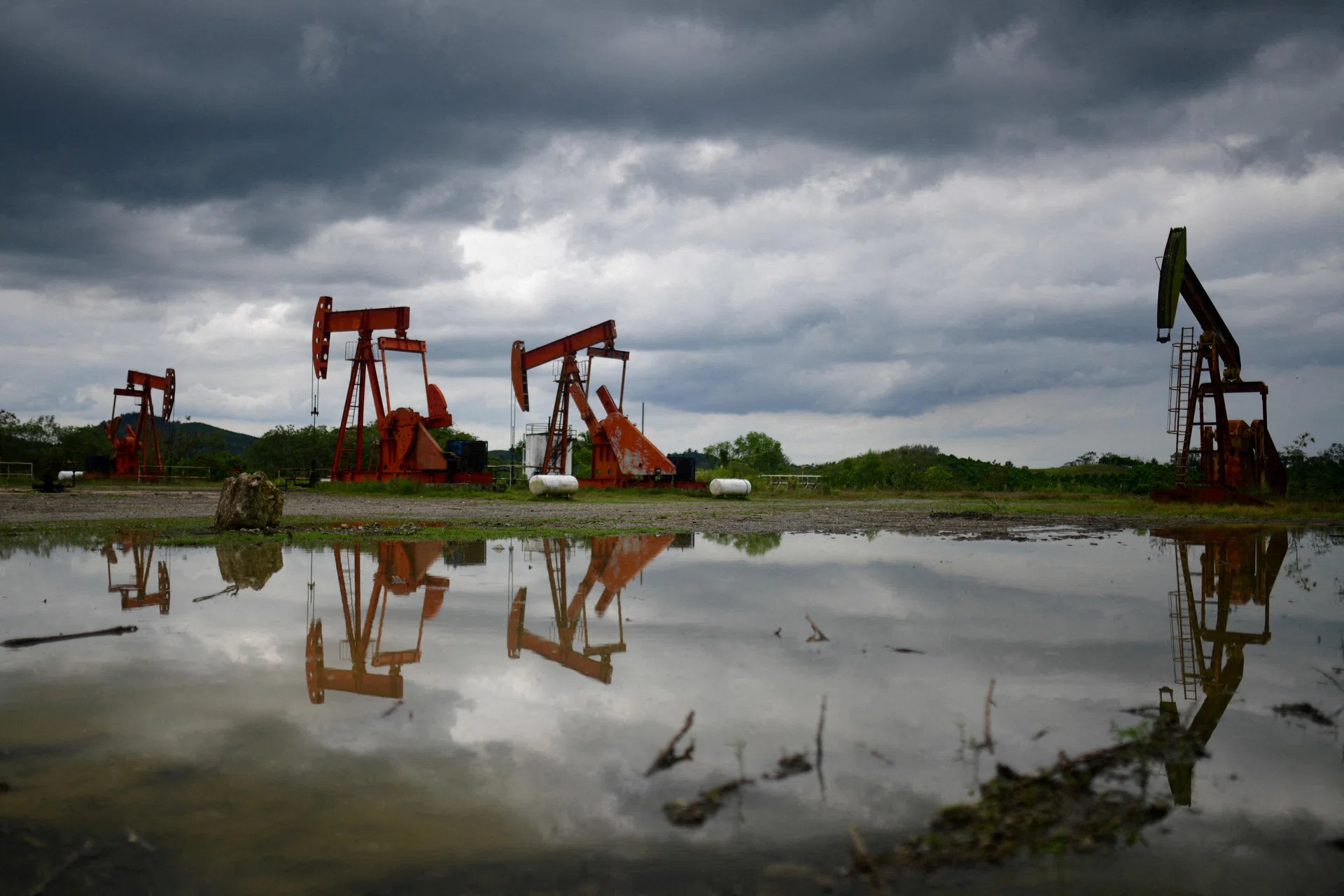


Physical shipping conditions through the vital waterway continue to face severe operational bottlenecks. Vessel tracking data indicates that tanker crossings through the Strait of Hormuz remain restricted to single digits, a fragile reality underscored when a projectile struck a vessel transiting out of the corridor, as reported by The Business Times. Although Saudi Aramco has resumed oil loadings from inside the strait and is offering cargoes via ship-to-ship transfers off Fujairah in the United Arab Emirates, energy analysts emphasize that these measures provide only marginal relief. SEB analyst Bjarne Schieldrop noted that it remains within Iran's capacity to fully halt oil flows out of the strait whenever it deems appropriate. Compounding these maritime risks, separate negotiations between Iran and Oman regarding waterway management drew a direct threat from Trump to bomb the Gulf state, a longstanding U.S. Security partner.
"What you are seeing today is headline fatigue. Trump saying there are no talks does not change the physical setup at all, since there were no real talks in the first place and the physical stack has not materially changed in two weeks."
Tracy Shuchart, senior economist at NinjaTrader, via Aol
Broader geopolitical friction has further inflamed regional security anxieties. Yemen's Houthis launched missiles targeting vessels identified by military spokesperson Yahya Saree as a Saudi military ship and four escorts in the Red Sea. Shortly after the attack, the United Arab Emirates issued a brief security alert on X warning of a missile threat before confirming via a phone alert that the situation was safe and normal activities could resume.
Financial markets have absorbed the shockwaves of the prolonged energy standoff. According to Econotimes and Algoa FM, the persistent uncertainty and surging crude prices weighed on risk sentiment globally, contributing to lower European and New York equities, while safe-haven gold prices eased as Treasury yields climbed.
Strait of Hormuz Supply and Market Metrics
- Tanker Traffic: Crossings through the waterway remain constrained at single digits, offset only marginally by Saudi Aramco's ship-to-ship transfers off Fujairah.
- Price Expectations: DBS Bank projects crude will trade within an $80 to $100 a barrel range in the near term as deal uncertainty stretches into the fourth quarter and 2027.
- Strategic Standoff: Tehran demands Washington fulfill June interim deal conditions before reopening the Strait of Hormuz.
Market analysts caution that neither Washington nor Tehran has approached the economic or political thresholds required to compel a compromise. Mohit Kumar, an economist at brokerage Jefferies, warned that ongoing pain and upward pricing pressure will persist in the near term. Suvro Sarkar, head of energy research at DBS Bank, added that the absence of a durable settlement will heavily influence price expectations deeper into the fourth quarter and throughout 2027, leaving the market tethered to a near-term trading range of $80 to $100 a barrel as participants await concrete military or diplomatic developments.
How significant is this development?
Contribute your assessment to the aggregated reader intelligence ledger.
Archypedia is dedicated to independent, evidence-backed reporting. This briefing was synthesized from primary source reporting, corroborated across independent newsrooms, and verified against our Editorial Standards.
Transparency record
Evidence behind this report
This report synthesizes 5 distinct sources. Open the source ledger below to compare the underlying coverage.
Prepared under the Archypedia Editorial Policy by the Elena Voss editorial desk profile. AI-assisted tools may support drafting and verification; public accountability remains with Archypedia. Report an error.