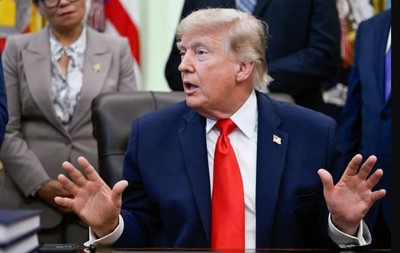
Trump says Strait of Hormuz will open soon amid impending Iran deal talks
While diplomatic talks point toward a sixty-day transit framework, maritime intelligence reports fresh vessel strikes and crippled cargo ships off the Omani coast.

Contradictory claims from the Oval Office and Tehran have triggered volatility in global energy markets as a blockade of the Strait of Hormuz persists.
A shift in Middle East geopolitical risk has lowered energy costs and gilt yields, while a rare joint US-Japan intervention aims to stabilize the yen.
The Iranian Foreign Ministry has rejected assertions of an imminent diplomatic breakthrough with Washington, maintaining that no direct negotiations are taking place.
The U.S. military remains on high alert as diplomatic efforts attempt to resolve a five-month conflict and reopen the Strait of Hormuz.
The diplomatic pivot follows pleas from Iran and regional allies, alongside reports of significant strain on U.S. military hardware inventories.
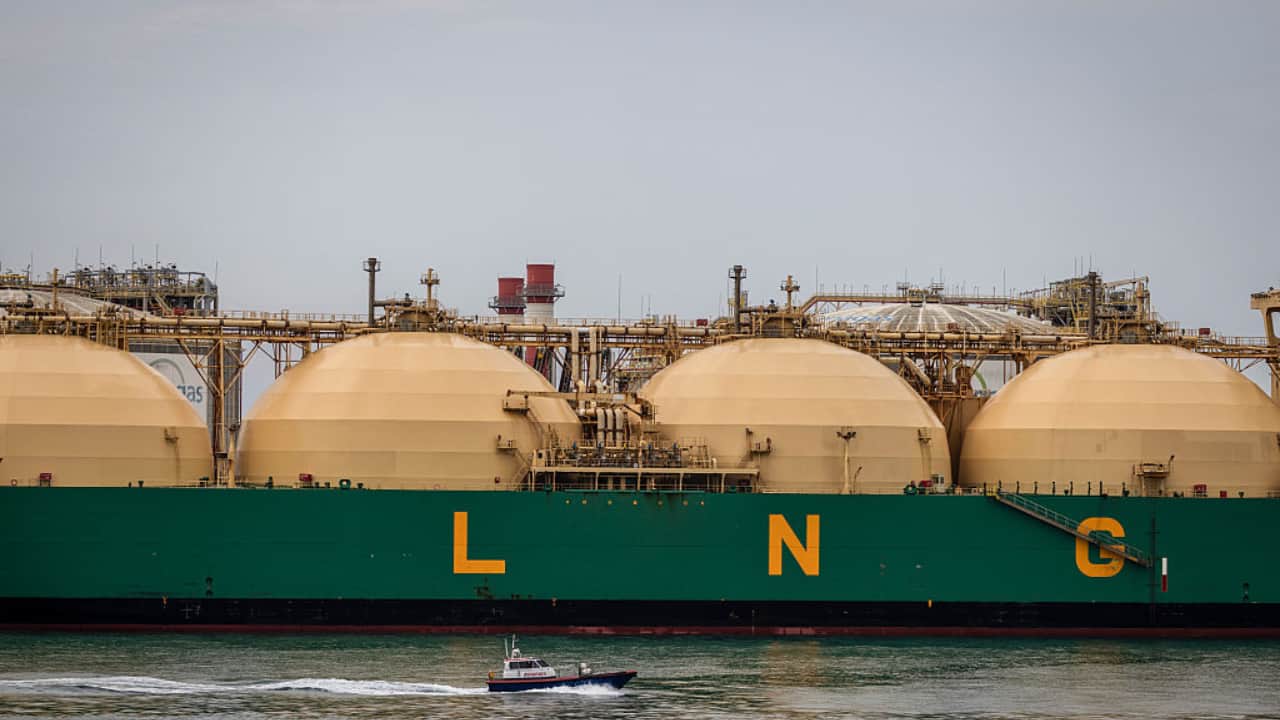
The GasLog Shanghai was heavily damaged off the coast of Oman as the White House suspended planned military strikes following diplomatic signals.
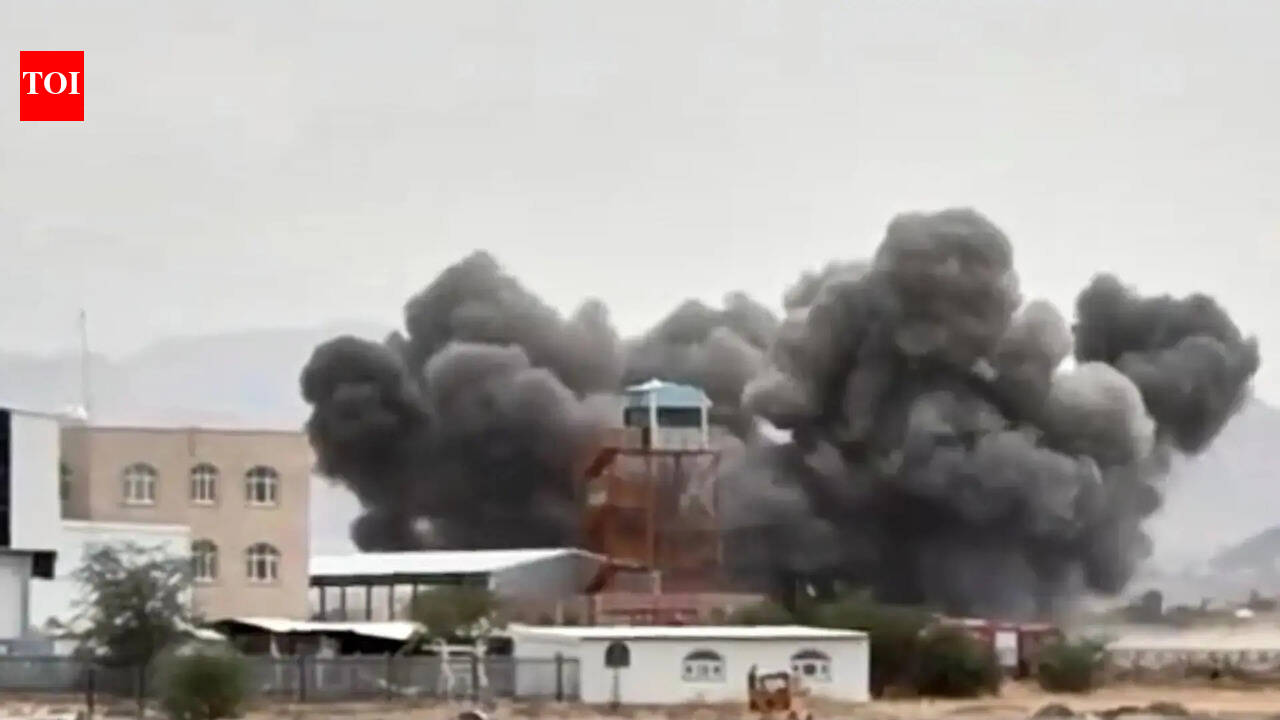
The conflict enters a volatile phase as joint US-Saudi strikes kill IRGC members and commercial traffic in the Strait of Hormuz nears a total collapse.
Joint US and Saudi airstrikes in Iraq have triggered a sweeping regional escalation, with Iran launching retaliatory ballistic missiles at Jordan.
The US military intercepted an Iranian ballistic missile barrage and struck sites in Iraq used by Tehran-backed militias, shattering a brief pause in fighting.
The armed conflict involving Iran has expanded into the Red Sea and Caspian Sea despite a temporary halt in U.S. airstrikes, drawing in Ukraine and threatening vital energy infrastructure.
Brent crude oil prices rose above 100 U.S. Dollars per barrel as the U.S. implemented a naval blockade following attacks on commercial tankers in the region.
The U.S. has threatened to strike Iranian infrastructure in response to maritime incidents, as the UK urges both parties to exercise restraint.
As U.S. airstrikes against Iranian targets continue for an 11th night, the rising death toll of American service members sparks intense debate in Congress.
Airstrikes against Iranian military infrastructure have intensified following the deaths of U.S. service members, fueling regional volatility and rising oil prices.
US forces have intensified strikes on Iranian military infrastructure following a ceasefire collapse, leading to expanded regional hostilities.
National gas averages have climbed above $4 a gallon amid renewed U.S.-Iran hostilities and a naval blockade of the Strait of Hormuz. The price spike highlights growing global supply concerns as shipping volumes through the vital maritime chokepoint drop to three-week lows.
Military tensions between the U.S. and Iran have reached a critical threshold, triggering a surge in global energy prices and stalling traffic in the Strait of Hormuz. U.S. airstrikes continue against Iranian military facilities following the deaths of American service members.
The national average price of gasoline in the United States rose to $4.0030 per gallon following the closure of the Strait of Hormuz and increased regional conflict. This price shift follows a rise in crude oil prices and impacts diesel costs, raising concerns regarding broader economic inflation.
US airstrikes continue for the ninth consecutive night as the conflict escalates following the deaths of American personnel and tensions in the Strait of Hormuz.