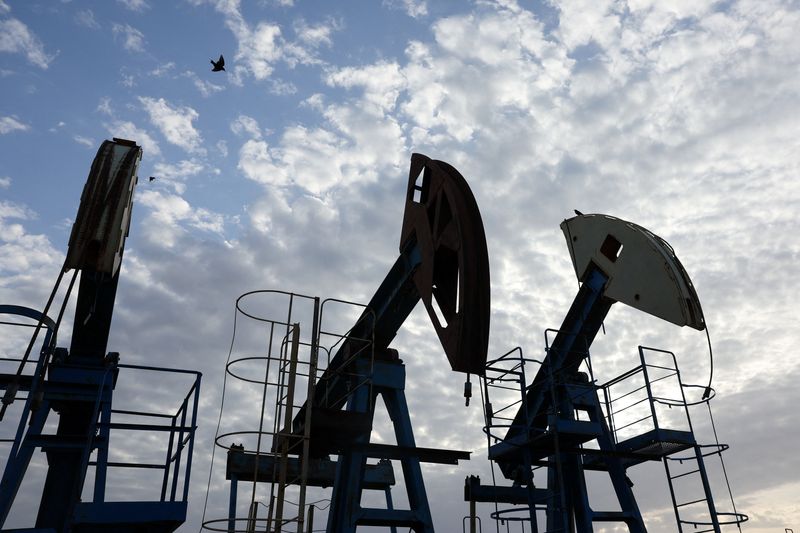
Oil prices at near three-week high as US-Iran peace hopes fade
Brent crude reached $91.22 a barrel and WTI climbed to $85.31 as collapsing diplomatic talks and naval blockades permanently reprice Middle East shipping bottlenecks.

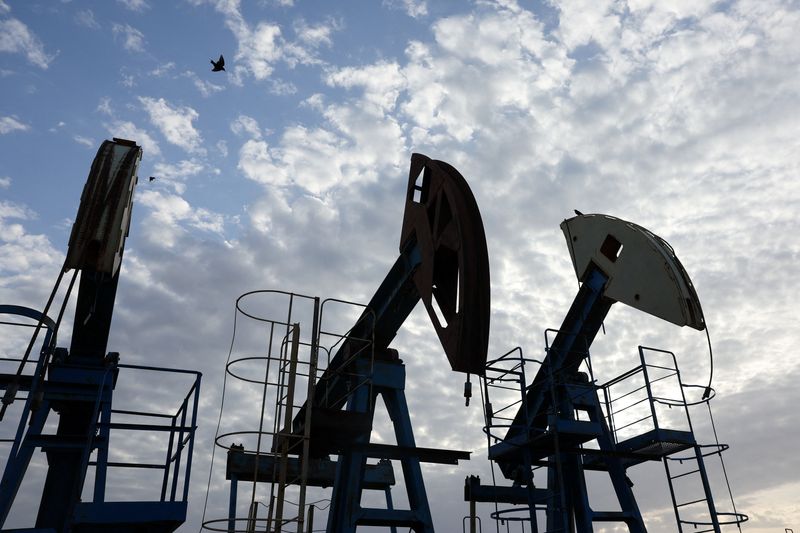
Crude oil prices hovered near three-week highs on Tuesday, supported by the breakdown of diplomatic channels between Washington and Tehran and hardened military postures that have abruptly forced energy markets to reprice Middle East shipping bottlenecks from temporary disruptions into permanent structural realities, according to reporting by Finance and aol.com.
Brent crude futures advanced 35 cents, or 0.39%, to $91.22 a barrel by 0827 GMT, while U.S. West Texas Intermediate crude futures rose 81 cents, or 0.96%, to $85.31, marking their third consecutive daily increase and touching their highest levels since late July as peace prospects faded, as detailed by finance.yahoo.com. Alternative trading figures cited by Aol showed Brent trading slightly higher at $91.07 a barrel by 1203 GMT, up 20 cents or 0.22%, with WTI up 49 cents or 0.58% at $84.99.
Related YouTube video

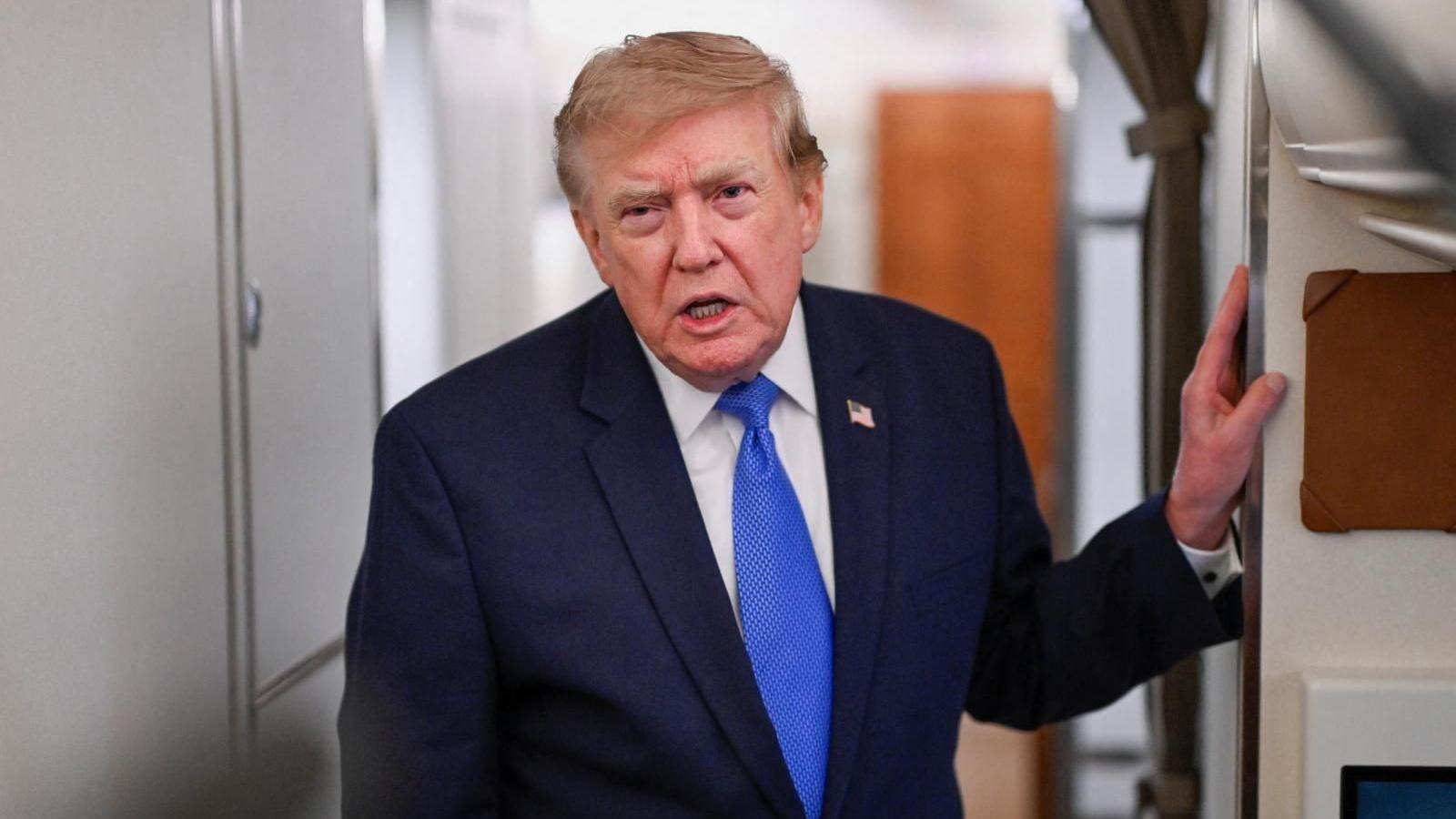
The diplomatic breakdown centers on the unravelling of the interim ceasefire agreed on June 17. Following the expiration of its 60-day negotiating window, U.S. President Donald Trump refused to extend the agreement, declaring the pact over on July 7 and asserting that Washington was moving closer to defeating Iran. Tehran responded by hardening its military stance. According to khaleejtimes.com, a senior Iranian official told Reuters that Iran would adopt a fully offensive posture and launch a timely and precise attack to break the U.S. Naval blockade if diplomacy failed. Top Iranian negotiator Mohammad Baqer Qalibaf confirmed in comments published by state media that the Strait of Hormuz will remain closed until Washington fully implements the original interim terms.
Compounding the diplomatic impasse, Iran has engaged in separate discussions with Oman regarding an agreement to manage the strait, prompting President Trump to threaten to bomb Oman despite its longstanding security partnership with the United States, as noted by finance.yahoo.com and aol.com.
Physical transit through the world's most vital energy chokepoint has slowed to a crawl. Kpler analytics data cited by Khaleejtimes show that crude and refined product flows through the Strait of Hormuz, which averaged approximately 18 million barrels per day before the war, fell to 4.8 million bpd in July and have averaged roughly 2 million bpd in August amid ongoing attacks and the U.S. Blockade. Tracking data indicate that official tanker crossings have dropped to single digits, punctuated by a projectile striking a vessel travelling out of the strait on Tuesday, according to finance.yahoo.com. SEB analyst Bjarne Schieldrop observed, as reported by aol.com and finance.yahoo.com, that it remains within Iran's power to fully halt remaining flows whenever it chooses.
To bypass the bottleneck, producers have turned to alternative routes and logistical workarounds, though these are also under duress. Saudi Aramco has resumed loadings from inside the strait and is offering cargoes via ship-to-ship transfers off Fujairah in the United Arab Emirates. However, Yemen's Houthis have imposed a blockade on Saudi exports through the Bab el-Mandeb Strait at the Red Sea's southern entrance, marked by a missile attack on a Saudi military ship and four escort vessels reported by military spokesperson Yahya Saree on Telegram, according to aol.com and finance.yahoo.com.
Overall Middle East exports averaged 9.5 million bpd in August, less than half of last year's 21 million bpd, according to Kpler data highlighted by khaleejtimes.com. Yet actual supply volumes remain shrouded in mystery. Mounting evidence reveals that Gulf producers are increasingly utilizing shadow vessels, tankers that disable their tracking systems while transiting the Strait of Hormuz and Bab el-Mandeb, leaving markets blind to true export quantities. For instance, UAE crude exports averaged 3.38 million bpd in August, surpassing the 3.2 million bpd recorded in 2025.
The physical bottlenecks have triggered historic distortions in maritime transport and refining. According to LSEG data cited by khaleejtimes.com, benchmark rates for Very Large Crude Carriers moving oil from the Middle East to China surged to $490,000 per day, equivalent to $5 a barrel and nearly ten times higher than at the start of the year, reflecting shipowners' refusal to enter conflict zones and rising demand for long-haul shipments from the U.S. And Brazil.
Global inventories and refining capacity are buckling under the strain. Global observed oil stocks plummeted by 2.4 million bpd in the second quarter, marking the largest quarterly draw in at least a decade, per International Energy Agency figures via khaleejtimes.com. U.S. Diesel inventories sit at their lowest seasonal level in three decades, while gasoline stocks are at their weakest point since 2012. Furthermore, global refinery throughput in July dropped nearly 5 million bpd below year-earlier levels to 81 million bpd, driven by regional capacity losses and Ukrainian drone strikes on Russian facilities.
The macroeconomic fallout is hitting citizens and consumer prices directly. In Iran, inflation exceeded 80% in July year-over-year according to ISNA figures reported by khaleejtimes.com, while crude exports cratered to 294,000 bpd in August from 1.7 million bpd in 2025. In the United States, gasoline averaged $4.06 per gallon on Monday, representing a 29% increase from a year prior according to the American Automobile Association, presenting a major political liability ahead of congressional elections in November.
Financial analysts warn that the absence of a diplomatic settlement will reshape structural pricing well into the future. DBS Bank head of energy research Suvro Sarkar told finance.yahoo.com and aol.com that the lack of any deal will impact price expectations through the fourth quarter and into 2027.
Equity markets are already reacting. As Economictimes reports, Wall Street indexes traded lower on Tuesday as elevated oil prices and multi-year peak government bond yields revived inflation concerns, leaving technology stocks facing intense scrutiny over heavy artificial intelligence spending and returns.
- Brent crude futures reached $91.22 a barrel at 0827 GMT, while U.S. WTI climbed to $85.31.
- Strait of Hormuz crude and refined product flows averaged roughly 2 million bpd in August, down from about 18 million bpd before the war.
- U.S. Gasoline averaged $4.06 per gallon on Monday, marking a 29% increase from a year earlier.
With Nvidia's upcoming corporate earnings results approaching the following week as the next major market test, traders await whether escalating energy costs will further depress technology stocks and provoke deeper economic corrections.
How significant is this development?
Contribute your assessment to the aggregated reader intelligence ledger.
Archypedia is dedicated to independent, evidence-backed reporting. This briefing was synthesized from primary source reporting, corroborated across independent newsrooms, and verified against our Editorial Standards.
Transparency record
Evidence behind this report
This report synthesizes 4 distinct sources. Open the source ledger below to compare the underlying coverage.
Prepared under the Archypedia Editorial Policy by the Elena Voss editorial desk profile. AI-assisted tools may support drafting and verification; public accountability remains with Archypedia. Report an error.