Not a single drop of oil will be exported if US economic war persists: Iran
Tehran has labeled Washington's latest financial offensive an act of war, coinciding with a sharp decline in vessel transits through the Strait of Hormuz.

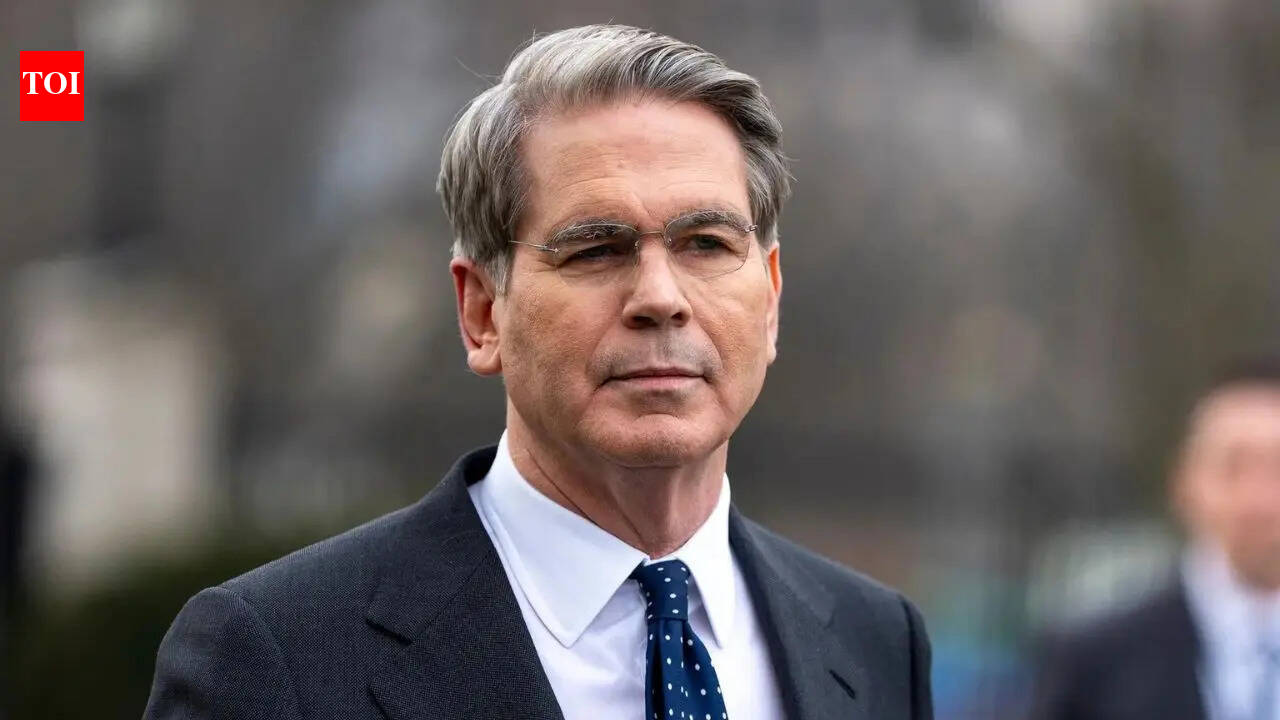
U.S. Treasury Secretary Scott Bessent has characterized a massive new sanctions package against Iran as an economic D-Day
, describing the move as the single greatest financial offensive ever marshalled against an adversary
. Tehran has responded by designating these measures not as diplomatic pressure, but as an act of war
, threatening to halt all oil exports from the Persian Gulf if the campaign persists.
The confrontation signals a shift in a six-month-old conflict. While U.S. And Israeli strikes since February 28 degraded much of Iran's conventional military capacity and resulted in the death of Supreme Leader Ayatollah Ali Khamenei, Washington is now attempting to use total financial ostracism as an endgame
to avoid further military escalation. Iran, however, views this reliance on economic warfare as a sign of weakness. Islamic Revolutionary Guard Corps (IRGC) spokesperson Sardar Mohebi told IRIB that the move is a tacit admission of the enemy's humiliating defeat in the military arena
.
Related YouTube video

The physical consequences of this standoff are already evident in the Strait of Hormuz. According to data from ship tracker Kpler, vessel transits plummeted over the weekend, with 13 crossing on Saturday and just four on Sunday, August 24.
The Mechanism of Financial Ostracism
The "Economic D-Day" offensive is designed to sever the remaining lifelines that allow Tehran to bypass international restrictions. Michael Mulroy, former U.S. Deputy assistant secretary of defence, told Al Jazeera that Washington is deploying secondary sanctions that target any country, institution, or entity maintaining trade relations with Iran.
The targets of this offensive include:
- Financial institutions processing Iranian transactions.
- The
shadow fleet
used to smuggle Iranian oil. - Ship registries and entities hosting Iranian flights.
- Parties facilitating the transfer of fuel at sea.
In an opinion piece for the Financial Times, Bessent warned that fearful nations
practicing appeasement
by engaging with Iran would do well to consider the consequences. This places significant pressure on China, which historically receives half of its oil imports from the Gulf region. While China's embassy in Washington stated that sanctions and pressure do not help resolve the problem
, Mohsen Farkhani, a Tehran-based international relations researcher, told Al Jazeera that China and Russia will not participate in the sanctions due to their already tense relationships with the U.S.
Domestic Strain and Retaliation
Inside Iran, the government is managing a volatile environment. President Masoud Pezeshkian admitted the country is in an all-out
economic, military, and security war, contending with high inflation, a weakening currency, energy shortages, and damaged infrastructure. Iranian officials have warned that further economic punishment could reignite unrest and erode the legitimacy of the Islamic Republic.
Despite these pressures, Tehran is adopting a tiered retaliatory posture. Mohsen Rezaei, secretary of the Supreme National Security Council, outlined a three-stage response that begins with talks to de-escalate but moves toward striking the interests of any country supporting the U.S. Campaign. Rezaei warned that if the economic war continues, not a single drop of oil will be exported
through the Strait of Hormuz or anywhere else in the Persian Gulf.
Tehran is already asserting tighter control over the waterway. The National Security Commission recently approved the Strategic Action to Ensure the Security and Progress of the Strait of Hormuz
, which requires authorised
ships to pay service fees for navigation, safety, and environmental provisions.
Parliament Speaker Mohammad Bagher Ghalibaf used a four-panel comic strip on X to ridicule the U.S. Strategy, illustrating what he called the Iran boomerang
. Ghalibaf argued that the most crushing economic operation ever
will loop back to strike the U.S., questioning if the administration plans to import frozen yields
or frozen paychecks
to fix its own economic challenges.
Diplomatic and Market Reactions
As the U.S. Pushes for total isolation, other nations are attempting to mediate. Pakistan's army chief, Asim Munir, is scheduled to visit Tehran on Monday, August 25, to discuss regional security and the impact of the new sanctions.
Energy markets have already reacted to the tension. According to Reuters, Brent crude futures fell 1 percent to $93.45 a barrel on Monday morning, while U.S. Oil futures dropped more than 1 percent to $86.14.
The immediate trigger for the next phase of the crisis is a press conference scheduled for 1 p.m. EDT on Monday, where Treasury Secretary Scott Bessent is expected to reveal the specific nations and entities targeted by the new sanctions.
How significant is this development?
Contribute your assessment to the aggregated reader intelligence ledger.
Archypedia is dedicated to independent, evidence-backed reporting. This briefing was synthesized from primary source reporting, corroborated across independent newsrooms, and verified against our Editorial Standards.
Transparency record
Evidence behind this report
This report synthesizes 6 distinct sources. Open the source ledger below to compare the underlying coverage.
- aljazeera.com
- business-standard.com
- globalbankingandfinance.com
- timesofindia.indiatimes.com
- republicworld.com
- livemint.com
Prepared under the Archypedia Editorial Policy by the Samir Haddad editorial desk profile. AI-assisted tools may support drafting and verification; public accountability remains with Archypedia. Report an error.


