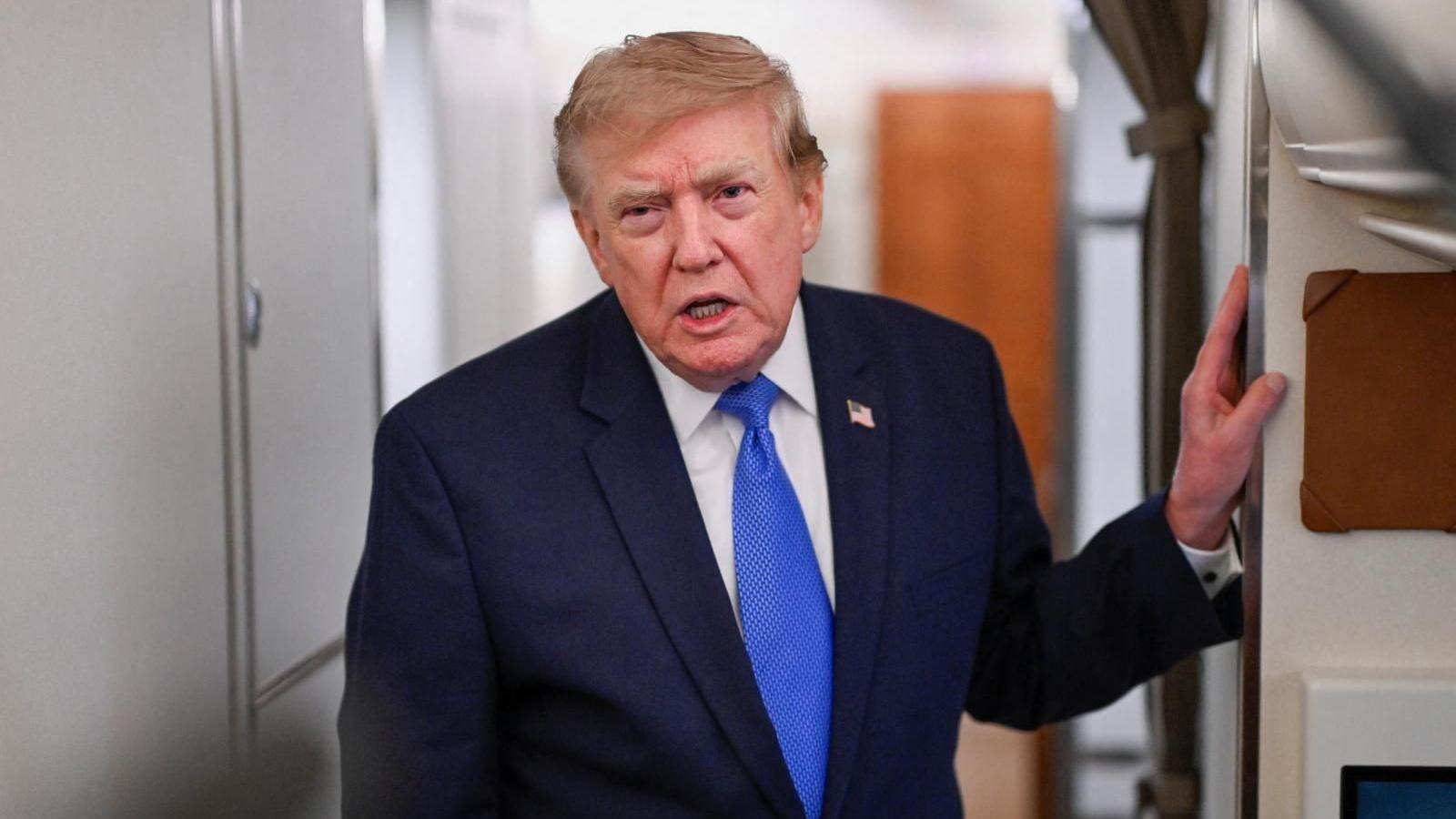
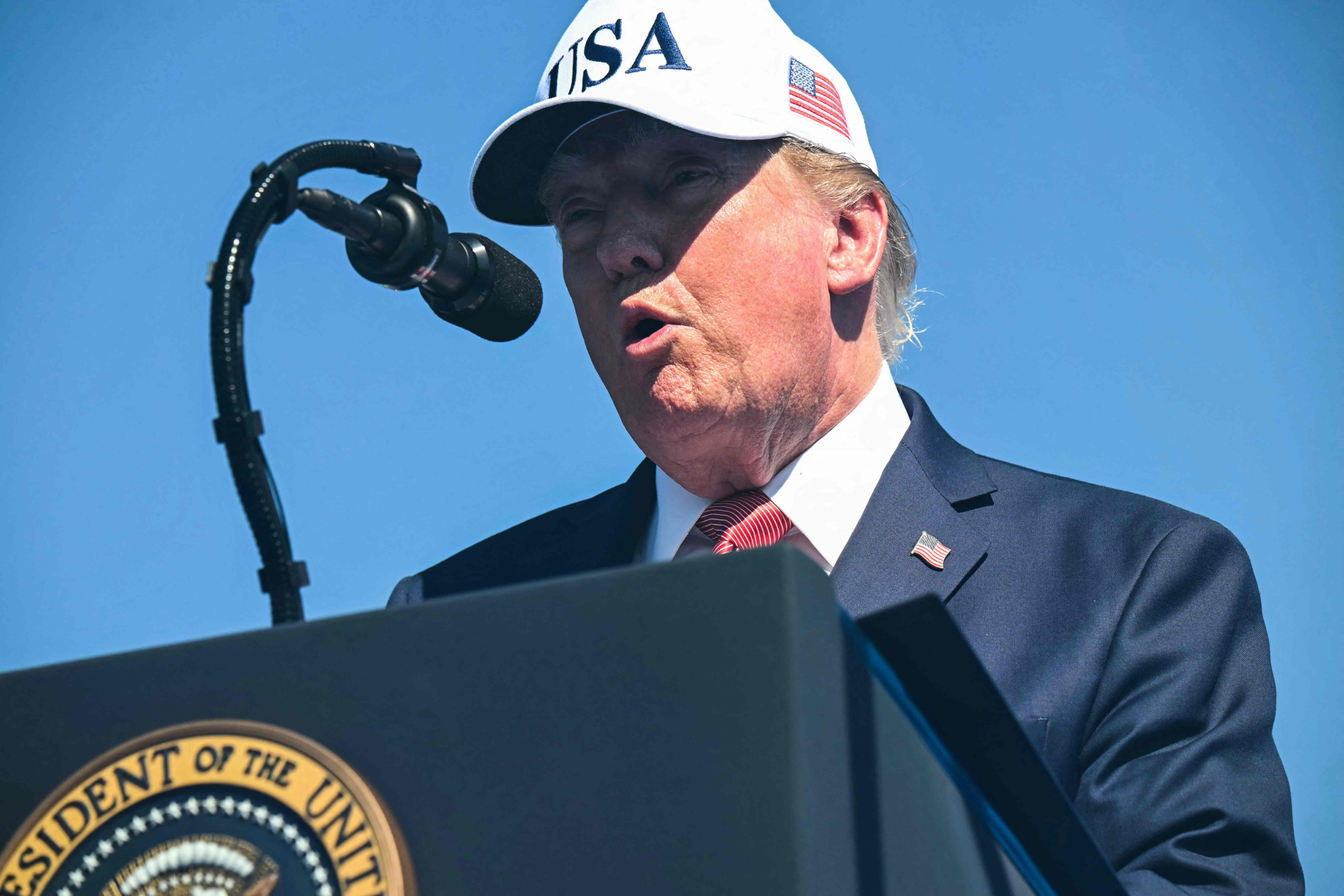
Trump shares map declaring Strait of Hormuz new US territory
President Trump published a map labeling the vital energy chokepoint as US territory, exacerbating tensions as regional trade plummets and Iran negotiates alternative shipping routes with Oman.
Territorial Posture Collides with Regional Reality in the Strait of Hormuz
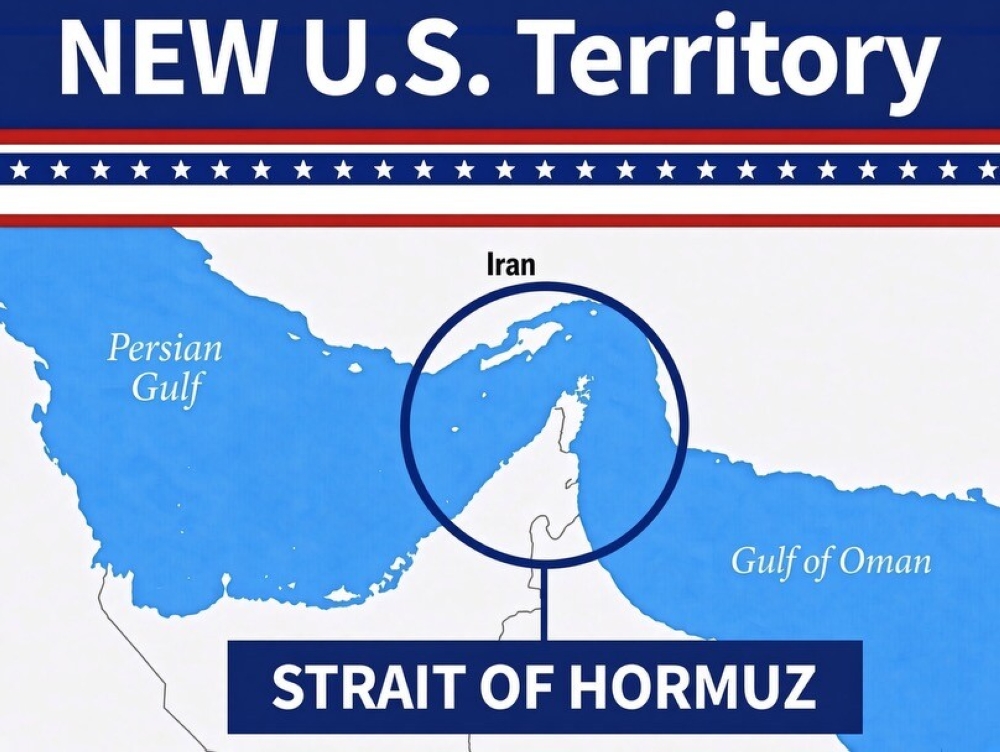
President Donald Trump shared a map on his Truth Social network depicting the Strait of Hormuz as "NEW U.S. Territory," colliding immediately with Tehran's sharp dismissal of the claim as a delusion, according to reporting by ibtimes.co.uk and malaymail.com. The unilateral move comes as the nearly six-month-old war involving the United States and Israel grinds on, with the crucial energy chokepoint effectively shut down since hostilities erupted on February 28.
The territorial post on Tuesday followed Trump's Oval Office assertions that Washington exercises total control over the strait through its ongoing naval blockade, a claim with no recognized legal basis as reported by ibtimes.co.uk. While Trump insisted that all water mines have been removed and that the waterway is open and operating, he simultaneously maintained that no talks with Iran are underway or scheduled. That assertion directly contradicted statements made a day earlier by his son-in-law and envoy Jared Kushner, who told Fox News that the U.S. And Iran were engaged in active conversations, though U.S. Sources told AFP that Trump had decided to wait and asked his team not to engage until Iran was ready to make a deal, according to malaymail.com.
Related YouTube video
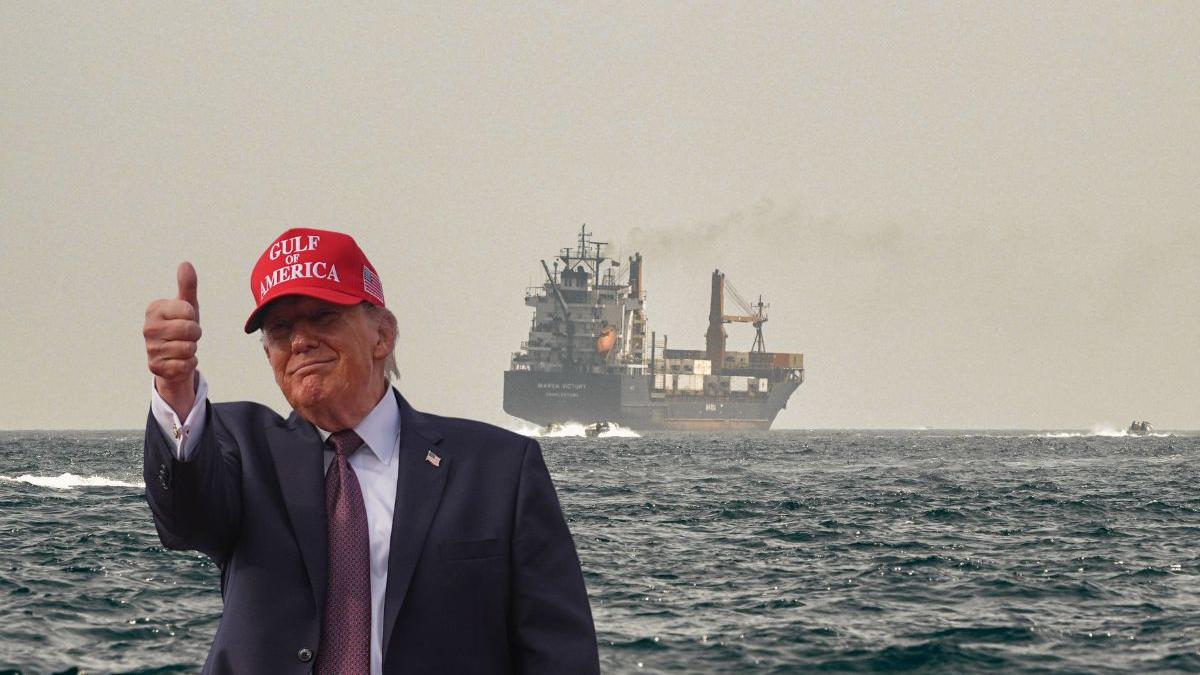

Diplomatic friction extends across the Persian Gulf, where regional capitals are scrambling to navigate the crisis. Iran has been holding parallel discussions with Oman regarding voluntary security fees and a new shipping route through the strait, with Tehran stating that the geographical coordinates of new shipping routes have been agreed upon. According to two regional officials cited by yahoo.com, Trump threatened to bomb Oman because he is displeased with Muscat's proximity to a deal with Iran that the administration opposes. Meanwhile, Qatari foreign ministry spokesman Majed Al Ansari told reporters that a final shipping agreement between Iran and Oman would ultimately make it easier to resume stalled negotiations between Washington and Tehran, as reported by Malaymail and yahoo.com.
The human and commercial toll on vessels transiting the vital corridor remains severe. Shipping traffic has plummeted, with confirmed crossings falling 19.5 percent to 95 transits in recent days according to data from Kpler cited by yahoo.com, while no crossings were recorded through Omani routes. The physical dangers of navigating the strait were underscored when the British military's United Kingdom Maritime Trade Operations agency reported that an unknown projectile struck an outbound commercial vessel, damaging its engine room and causing a crew casualty, while the remaining crew received assistance from the Omani Coast Guard, according to Ibtimes and yahoo.com.
In response to Trump's territorial claims, Iranian Deputy Foreign Minister Kazem Gharibabadi took to social media to denounce the move, warning that the president's stance would soon be corrected either by circumstances or by Iran itself, as detailed by English and ibtimes.co.uk. Similarly, Mohsen Rezaei, the newly appointed head of Iran's Supreme National Security Council, asserted that the distance between Washington's rhetoric and its actual influence highlights the dawn of a post-American order in the region. Tehran maintains that the strait will stay closed until the U.S. Fulfills commitments under a faltering memorandum of understanding signed in June, whose 60-day negotiating window expired without a permanent settlement, according to malaymail.com and ibtimes.co.uk.
Iran's demands for reopening the waterway include ending the naval blockade of its ports, lifting oil sanctions, unfreezing Iranian assets, and paying war damages, conditions reiterated by Parliament Speaker Mohammad Bagher Ghalibaf according to english.mathrubhumi.com and malaymail.com. Adding to the regional volatility, the United Arab Emirates abruptly announced on Tuesday that it was halting all trade, commercial exchanges, and financial transactions with Iran until further notice. The decision followed the UAE defense ministry's detection of two ballistic missiles launched from Iran that targeted maritime navigation and landed in the sea, as reported by malaymail.com and Yahoo News.
- Strait shipping traffic fell 19.5 percent to 95 confirmed crossings, with zero crossings recorded through Omani routes, according to Kpler data cited by yahoo.com.
- The UAE suspended all trade, commercial exchanges, and financial transactions with Iran after defense systems detected two ballistic missiles launched toward maritime navigation.
- The 60-day negotiating window under the June memorandum of understanding expired without a permanent settlement, leaving Washington and Tehran at an impasse.
The immediate trajectory of the conflict now depends on whether Omani and Iranian negotiators can successfully finalize their proposed shipping arrangement for the strait, and whether the White House will tolerate an alternative regional control mechanism or follow through on its threats against Oman.
How significant is this development?
Contribute your assessment to the aggregated reader intelligence ledger.
Archypedia is dedicated to independent, evidence-backed reporting. This briefing was synthesized from primary source reporting, corroborated across independent newsrooms, and verified against our Editorial Standards.
Transparency record
Evidence behind this report
This report synthesizes 4 distinct sources. Open the source ledger below to compare the underlying coverage.
Prepared under the Archypedia Editorial Policy by the Samir Haddad editorial desk profile. AI-assisted tools may support drafting and verification; public accountability remains with Archypedia. Report an error.