Trump says US is 'low-keying it' with Iran, stresses economic pain: Report
The U.S. has reinstated its blockade of the Strait of Hormuz and expanded banking sanctions while facing internal reports of exhausted missile stockpiles.

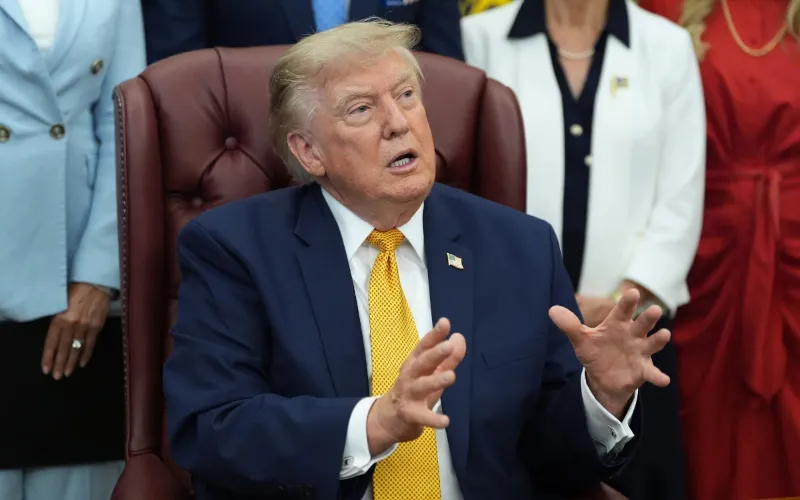
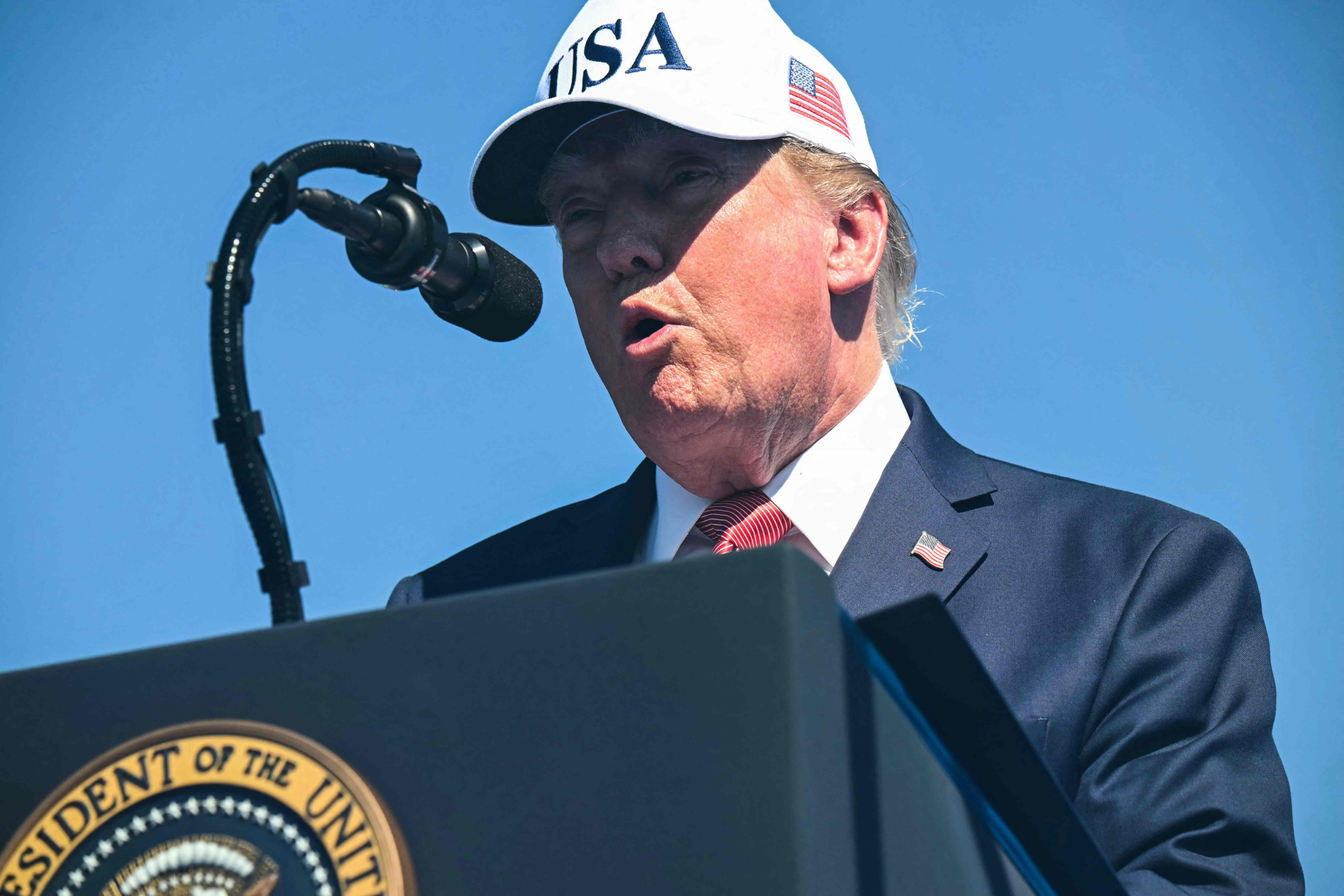
President Donald Trump has characterized the current standoff with Iran as a chess game
, adopting a strategy of low-keying it
by allowing economic pressure to mount on Tehran. In a phone interview with Axios, Trump stated that his administration is only semi-negotiating with them
while observing the impact of huge inflation and the fact they have no money
within the Iranian economy.
This approach uses military strikes, sanctions, and a naval blockade to pressure Iran, according to reports from Aol and deccanherald.com. Senator Bill Cassidy of Louisiana, speaking on Face the Nation with Margaret Brennan
, described a strategy of using blockades to create enough discomfort
to bring Iran back to the bargaining table, while simultaneously attempting to ensure oil continues to flow to blunt Iran's influence over the Strait of Hormuz.
Related YouTube video
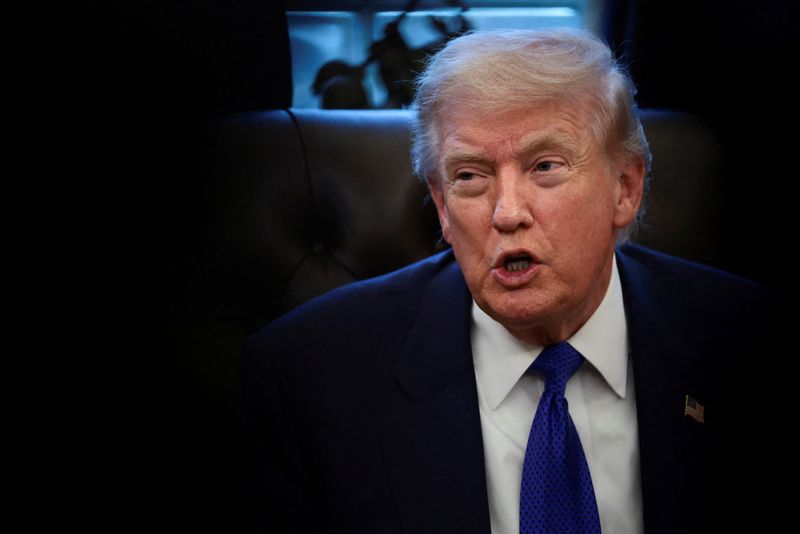
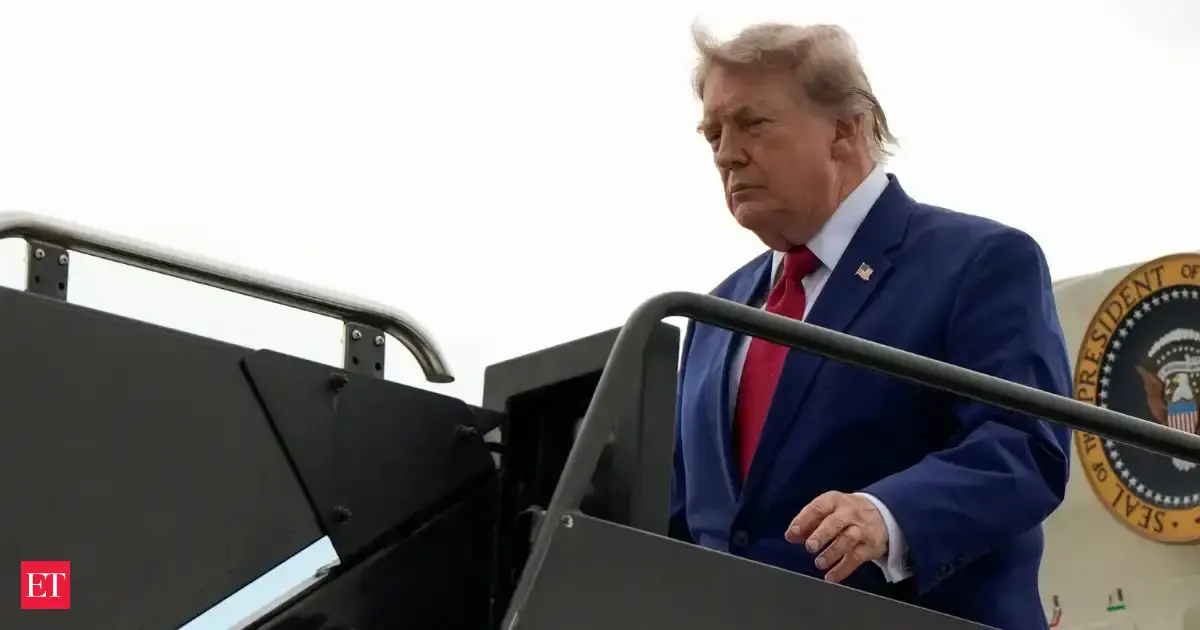
The U.S. Reinstated its blockade of the Strait of Hormuz on July 14 after a ceasefire collapsed. According to U.S. Central Command, this current operation has redirected 53 ships attempting to enter or exit Iranian ports. This follows an initial blockade from April 14 to June 18 that redirected more than 140 ships.
Parallel to the naval pressure, Treasury Secretary Scott Bessent announced an eighth round of sanctions targeting the banking system. The Treasury Department designated Shahr Bank and two Dubai-based exchange houses — Titan Exchange and Alps International — for allegedly retrieving oil revenue for the National Iranian Oil Company and Naftiran Intertrade Co.
Tehran has responded by designating the waterway as a theatre of war
, according to Revolutionary Guards spokesman Hossein Mohebi via state TV. This tension manifested on Saturday when Iran launched a missile strike against a tanker owned by the Abu Dhabi National Oil Company (ADNOC) in the strait. ADNOC reported that 15 of its vessels have been attacked in the strait since the start of the war, including three in a single week.
The conflict has also extended to Iranian proxies in Yemen. The Houthi group claimed a precise
drone strike on an Aramco refinery in Jazan, Saudi Arabia, and launched ballistic missiles and drones at the Mocha port. A Yemeni government official identified Mocha as a key port renovated to handle shipping that avoids Houthi-held ports in Hodeida. Such escalations threaten to reignite the Yemeni civil war following a 2022 truce.
Internal disputes have emerged within the U.S. Regarding the availability of military hardware. While President Trump posted on Truth Social that the U.S. Possesses massive amounts
of munitions, two sources with direct knowledge told CBS News that the U.S. Has exhausted virtually all of its global stockpile of Army Tactical Missile Systems (ATACMS) and Precision Strike Missiles.
To address these shortages, Deputy Defense Secretary Steve Feinberg issued a memo to industry leaders giving them 21 days to submit plans for significantly faster, more aggressive delivery schedules
, asserting that years-long development cycles are not acceptable
. Pentagon spokesman Sean Parnell confirmed the memo is real
and will inform the fiscal year 2028 budget submitted to Congress.
Tehran is also undergoing leadership shifts. Former Revolutionary Guard commander Mohsen Rezaei was named head of the Supreme National Security Council, replacing Mohammad Bagher Zolghadr. Zolghadr had taken the role following the March death of Ali Larijani in an Israeli strike. Meanwhile, Supreme Leader Ayatollah Mojtaba Khamenei has not been seen in public since the war began in February. While state media released an undated video of the leader, CBS News reported it could not independently verify the footage.
Diplomatic efforts are currently bifurcated. While Oman is facilitating talks on the management of the Strait of Hormuz, which Iranian Foreign Minister Abbas Araghchi described as approaching the final stages
, Tehran has decoupled these from broader peace talks. Araghchi told the Tasnim news agency that there is no possibility of resuming negotiations
with the U.S. Until Washington compensates Iran for violations of a previous memorandum of understanding.
Conditions for Reopening the Strait of Hormuz
- Military: Full withdrawal of U.S. Military assets from the region and an end to the naval blockade.
- Financial: Unconditional release of frozen assets, lifting of sanctions, and complete compensation for war damages.
- Diplomatic: A permanent end to the war and a guarantee that the U.S. Will never threaten Iran again.
The Supreme National Security Council has maintained that the waterway will not reopen until the United States accepts these conditions.
Iranian officials have further cautioned Saudi Arabia that its new defense pact with Turkey and Pakistan will not ensure security. Member of Parliament Mahmoud Nabavian posted on social media that clinging to America's lackeys
would not bring safety, while lawmaker Ebrahim Razaei described the pact as a paper agreement
.
How significant is this development?
Contribute your assessment to the aggregated reader intelligence ledger.
Archypedia is dedicated to independent, evidence-backed reporting. This briefing was synthesized from primary source reporting, corroborated across independent newsrooms, and verified against our Editorial Standards.
Transparency record
Evidence behind this report
This report synthesizes 4 distinct sources. Open the source ledger below to compare the underlying coverage.
Prepared under the Archypedia Editorial Policy by the Samir Haddad editorial desk profile. AI-assisted tools may support drafting and verification; public accountability remains with Archypedia. Report an error.