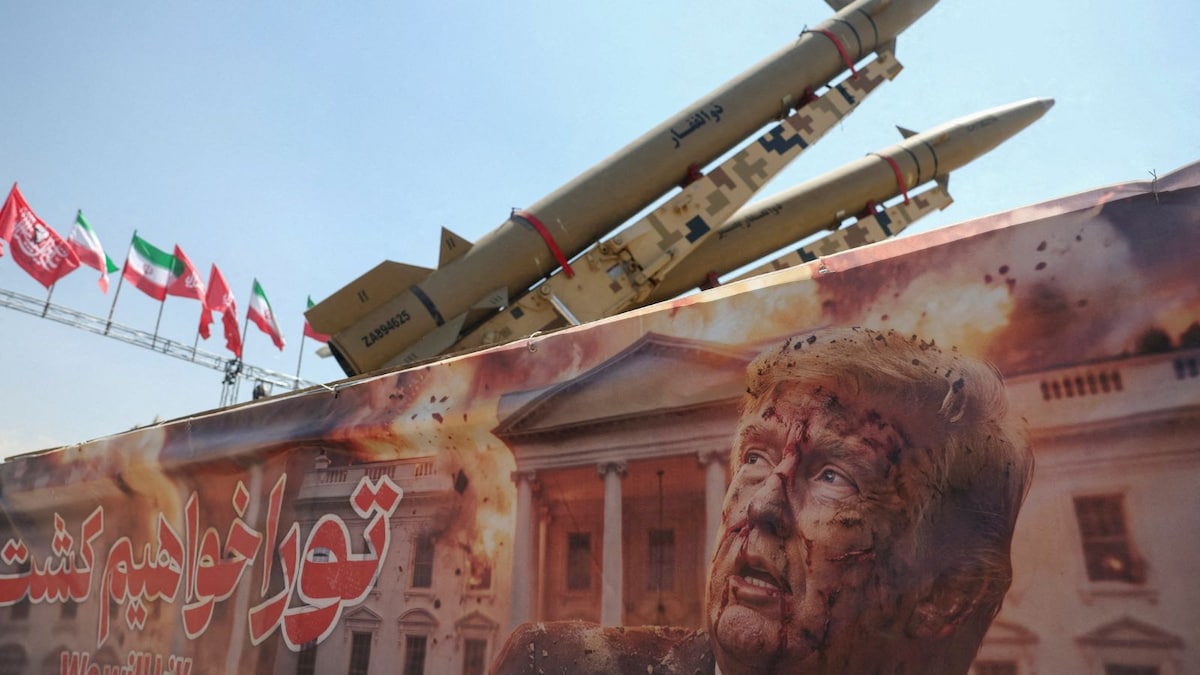
US Treasury Secretary Scott Bessent announces unprecedented measures on Iran
As Washington implements an open-ended maritime blockade and unprecedented financial isolation against Tehran, domestic political fractures and military strain intensify.

As the conflict in the Middle East approaches its sixth month, Washington has hardened its stance into an unyielding campaign of maritime chokepoints and financial isolation. Yet this strategy of indefinite pressure collides directly with escalating collateral strains, pitting the administration's stated economic goals against mounting domestic, regional, and military fallout, according to reporting by outlets including Livemint and cbc.ca.
During an appearance on Newsmax, U.S. Treasury Secretary Scott Bessent announced that Washington is preparing to apply unprecedented economic pressure on Tehran. According to livemint.com, Bessent stated that the upcoming measures will represent a level of economic isolation never before seen in history, functioning in tandem with an ongoing naval blockade designed to sever all commercial traffic entering or leaving Iranian ports.
Related YouTube video
That maritime chokehold found an ardent defender in U.S. Defense Secretary Pete Hegseth, who asserted from Panama City that the U.S. Navy can sustain the blockade indefinitely by regularly rotating vessels in and out of the region, as reported by Cbc and other international outlets. This open-ended military commitment underscores a deepening rift within the upper echelons of Washington power regarding the primary objectives of the campaign.
While President Donald Trump initially framed the war as an absolute necessity to prevent Iran from acquiring a nuclear weapon—even at the cost of short-term economic pain—Vice President JD Vance offered a distinctly revised hierarchy to Fox News. Vance insisted that Washington's overriding priority is to keep domestic fuel prices low for American citizens, ranking nuclear prevention as the secondary goal.
Behind these competing public pronouncements, the immense operational tempo has placed severe strain on American naval assets. The aircraft carrier USS George Washington has begun heading towards the Middle East as reports have emerged of mental health and supply issues on board the long-deployed USS Abraham Lincoln, livemint.com and Timesofindia report. Extended deployments of carriers during the war have raised concerns about the impact on service members who were away from home for long periods as well as the increasing strain on the ship and its equipment. The USS George Washington left port in Da Nang, Vietnam, and a Navy official stated it was in the Strait of Malacca, leaving the waters of the Pacific without a U.S. Carrier presence for an unknown period of time.
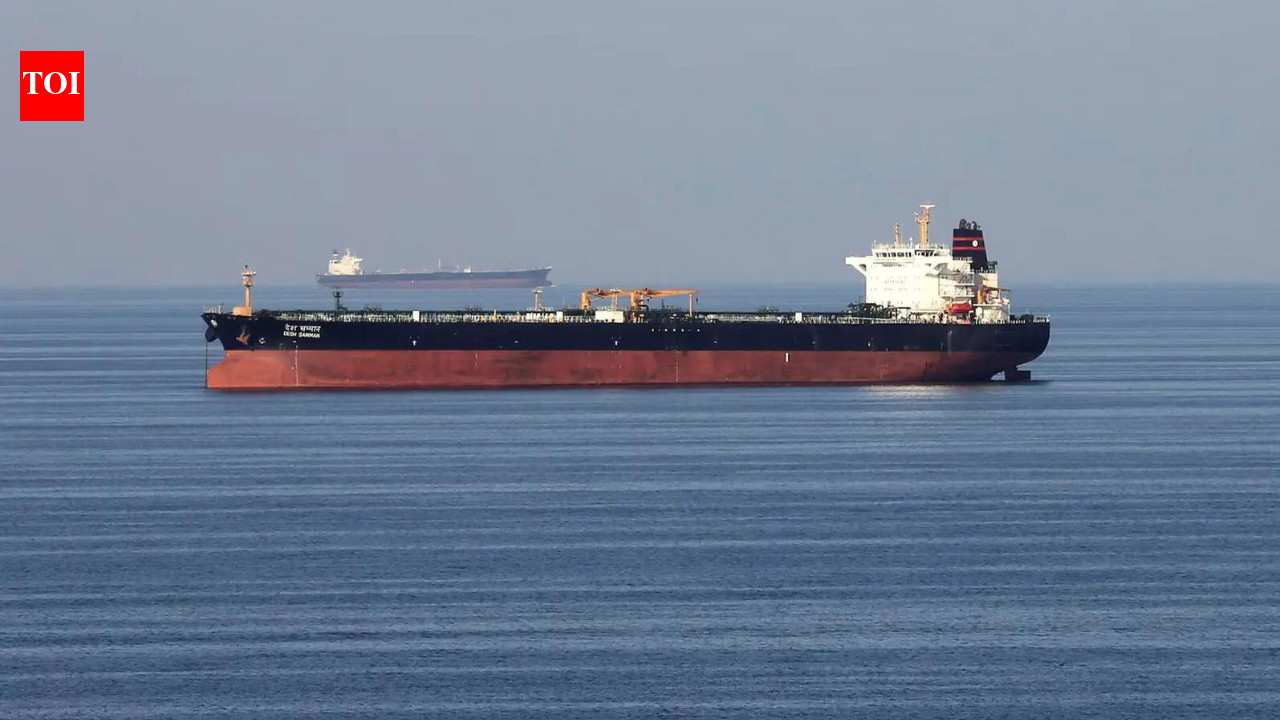
Regional fallout has rippled outward across energy markets and commercial shipping lanes. Supertankers are going dark for longer to get oil through the Strait of Hormuz and the Bab el-Mandeb strait, doubling down on tactics honed in the earlier days of the conflict. Vessels carrying non-Iranian crude started turning off their transponders to avoid detection in the weeks following the start of the conflict in late February, whereas they previously went dark for just a few hours during transits. Oil prices inched higher after the U.S. Threatened to maintain a naval blockade of Iran indefinitely, reviving crude supply concerns.
International reactions to Washington's strategy have exposed deep diplomatic fault lines. Norway's Foreign Minister Espen Barth Eide told Aljazeera that the conflict has failed in its initial aims and merely empowered hardliners inside Iran. Meanwhile, during a meeting in Islamabad with U.S. Chargé d’Affaires Natalie Baker, Pakistan's Deputy Prime Minister and Foreign Minister Ishaq Dar emphasized that the implementation of the Islamabad memorandum of understanding remains the sole viable path forward.
Those demands were echoed sharply in Tehran, where Iranian analysts and officials made clear that any future de-escalation depends entirely on Washington's next moves. Hamidreza Gholamzadeh, director of the Iranian think tank Diplo House, told aljazeera.com that Tehran is actively leveraging the upcoming U.S. Midterm elections to pressure the administration.
"It is not only about the agreements with Oman, but also the removal of the US naval blockade, the waiver of the sanctions, and stopping the aggression against Tehran," Gholamzadeh said, adding that Washington must return to the Islamabad memorandum of understanding and fulfill all prior commitments before any reopening of the Strait of Hormuz can be considered.
Hamidreza Gholamzadeh, Director of Diplo House, via aljazeera.com
Simultaneously, the broader regional confrontation has expanded through proxy actions and retaliatory strikes. The United Kingdom Maritime Trade Operations agency reported that an uncrewed aerial vehicle struck a tanker making an outbound transit of the Strait of Hormuz, causing minor damage while the crew remained safe. Condemning the incident, Gulf Cooperation Council Secretary General Jasem Mohamed Albudaiwi denounced the attack on the vessels belonging to the United Arab Emirates company ADNOC as an unacceptable escalation and a grave violation of international law. Furthermore, U.S. Central Command announced the creation of Task Force Falcon Strike, a multi-domain multinational attack drone unit designed to deploy one-way attack drones across air, sea, and underwater domains alongside regional partner nations, building on the earlier foundation of Task Force Scorpion Strike.
Iranian officials have indicated that the next steps in the crisis depend entirely on Washington's willingness to fulfill prior commitments and lift sweeping economic restrictions, leaving the timeline for any meaningful diplomatic breakthrough or the reopening of the Strait of Hormuz unresolved ahead of upcoming political tests in the United States.
How significant is this development?
Contribute your assessment to the aggregated reader intelligence ledger.
Archypedia is dedicated to independent, evidence-backed reporting. This briefing was synthesized from primary source reporting, corroborated across independent newsrooms, and verified against our Editorial Standards.
Transparency record
Evidence behind this report
This report synthesizes 4 distinct sources. Open the source ledger below to compare the underlying coverage.
Prepared under the Archypedia Editorial Policy by the Samir Haddad editorial desk profile. AI-assisted tools may support drafting and verification; public accountability remains with Archypedia. Report an error.