Iran and Oman agree in principle on Strait of Hormuz shipping lanes
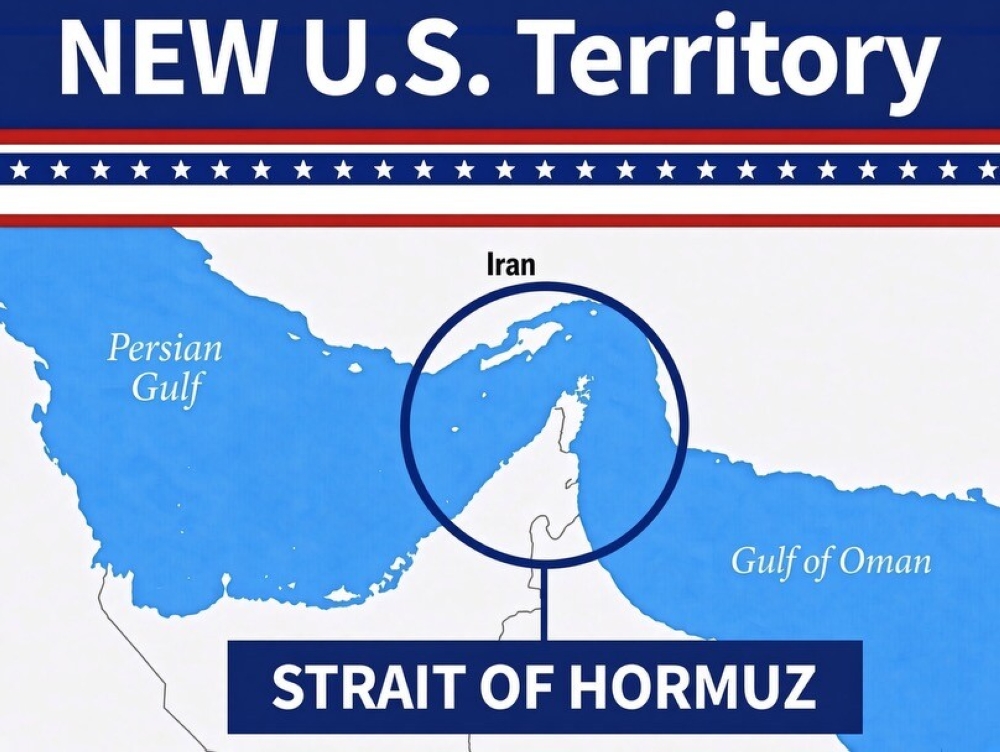
Iran and Oman have reached an understanding on a restrictive Strait of Hormuz shipping framework that defies Washington's demands for open transit.
An immediate gulf divides Washington and Tehran over the Strait of Hormuz, where U.S. President Donald Trump has signaled an imminent breakthrough to reopen the vital waterway while Iranian officials insist their bilateral understanding with Oman establishes a restrictive new security framework rather than a full normalization of trade.
The proposed maritime traffic map, described by Iranian Deputy Foreign Minister Kazem Gharibabadi to the Islamic Republic News Agency as having reached an understanding in principle on almost all raised issues, diverges sharply from Washington's vision of unhindered international transit. Foreign ministry spokesman Esmaeil Baqaei noted that while geographical coordinates have been agreed upon, the arrangement is in its final stages rather than restoring open navigation. Behnam Saeedi, first secretary of Iran's Parliament National Security and Foreign Policy Commission, told the Young Journalists Club that the talks are in no way about reopening the strait, maintaining that normalization depends entirely on Washington ending military threats, lifting its port blockade, and withdrawing U.S. Forces from the region.
Related YouTube video
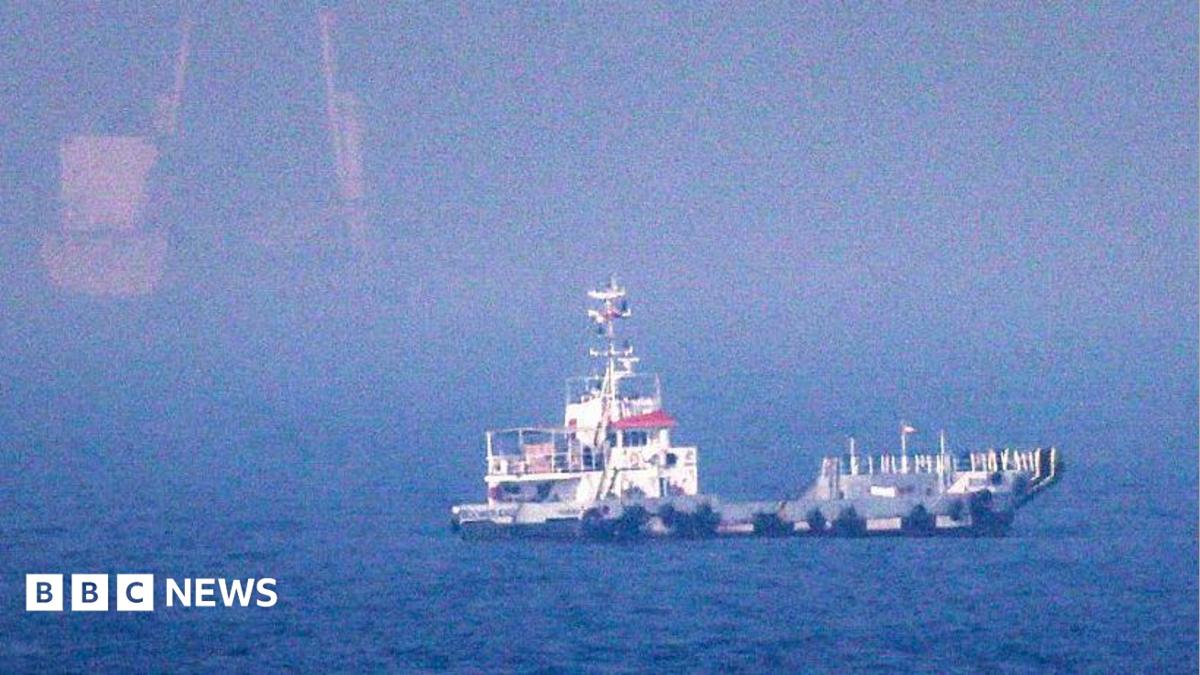
Shipping analytics firm Kpler reported that fewer than ten ships per day navigated the strategic corridor between Sunday and Tuesday, constrained by the ongoing standstill in maritime transit and the U.S. Naval blockade.
Energy markets have swung erratically in response to the dueling diplomatic signals. International benchmark Brent crude traded up near $79.60 a barrel, reflecting acute volatility as traders weigh the prospect of restored Persian Gulf exports against the backdrop of restricted shuttle programs, transponders turned off, and regional pipelines used by Saudi Arabia and the United Arab Emirates to bypass the bottleneck.
Internal political mechanics in Tehran add another layer of friction to the diplomatic process. Any final agreement regarding the Strait of Hormuz must receive formal approval from Supreme Leader Mojtaba Khamenei, who has been in hiding since being injured in the initial attacks of the war by the U.S. And Israel, in February. President Masoud Pezeshkian said in a televised interview on Wednesday that communication with Khamenei has become very difficult at the moment.
The maritime negotiations unfold alongside an escalating network of regional conflicts tied to the broader war. In Yemen, Iran-backed Houthi rebels launched missile and drone strikes against military positions in central and eastern regions, killing at least 58 government troops in what a military source described as the worst attack in the country since 2022. The escalation spilled across the southern border into Saudi Arabia, where Houthi strikes wounded 11 civilians in the Najran region, marking the highest toll inside the kingdom in more than four years of conflict.
Concurrently, U.S.-mediated talks in Rome between Lebanon and Israel concluded after addressing a pilot zone process intended to facilitate a phased Israeli withdrawal from southern Lebanon. Those discussions faced immediate strain following daily exchanges of fire and artillery shelling across the border that left Israeli soldiers dead and prompted retaliatory airstrikes in the Tyre district.
Dueling Visions and Financial Strains Over Transit Fees
The proposed shipping framework reveals starkly divergent expectations among the negotiating parties regarding financial tolls and transit conditions.
- Tehran's Proposal: Commercial ships would enter through Iranian waters, exit through Omani waters, require express permission from Iran, comply with domestic regulations, and pay service fees while excluding the United States.
- Oman's Position: Acting as a mediating coastal state, Muscat has discussed transit management, though neither Oman nor Washington has formally endorsed Tehran's restrictive operational terms.
- Washington's Demand: The White House insists upon full, unconditional reopening of the trade route without tolls, warning of severe retaliation if access is not restored promptly.
Domestic political friction in Tehran has further complicated the diplomatic trajectory. Mohammad Bagher Ghalibaf, the speaker of Iran's parliament, publicly mocked U.S. Negotiating tactics on X, describing them as theater diplomacy on loop and accusing Washington of broken promises and bullying. Meanwhile, the next step depends entirely on whether Supreme Leader Mojtaba Khamenei provides formal authorization for the pact through the restricted communication channels currently separating him from President Masoud Pezeshkian and his cabinet.
How significant is this development?
Contribute your assessment to the aggregated reader intelligence ledger.
Archypedia is dedicated to independent, evidence-backed reporting. This briefing was synthesized from primary source reporting, corroborated across independent newsrooms, and verified against our Editorial Standards.
Transparency record
Evidence behind this report
This report synthesizes 4 distinct sources. Open the source ledger below to compare the underlying coverage.
Prepared under the Archypedia Editorial Policy by the Samir Haddad editorial desk profile. AI-assisted tools may support drafting and verification; public accountability remains with Archypedia. Report an error.