Oil prices rise as Iran ties Strait of Hormuz reopening to US terms
Brent and WTI crude climbed as traders realized a technical agreement on shipping lanes with Oman does not guarantee commercial access without US concessions.
Oil prices climbed on Monday, August 10, 2026, as the market reacted to a fundamental disconnect: while Iran claims a technical agreement to reopen the Strait of Hormuz is nearly complete, it refuses to actually allow ships back into the waterway without significant payouts from the United States.
Brent crude futures rose 91 cents, or 1.09 per cent, to $84.46 a barrel by 0056 GMT, according to Channel News Asia. U.S. West Texas Intermediate (WTI) crude futures increased 61 cents, or 0.78 per cent, to $78.79 a barrel. This surge erased a portion of the gains seen last week, when both benchmarks dropped more than 7 per cent on hopes that a deal between Iran and Oman would restore flow to the waterway, which carried a fifth of the world's oil before the war.
Related YouTube video

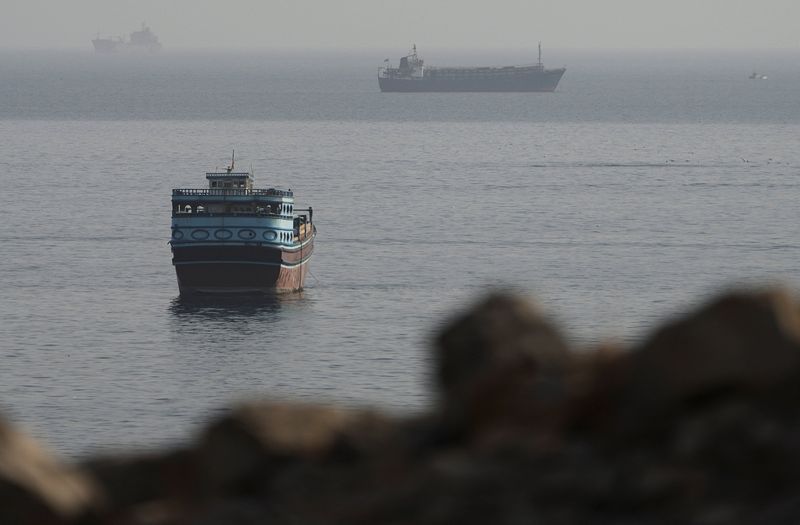

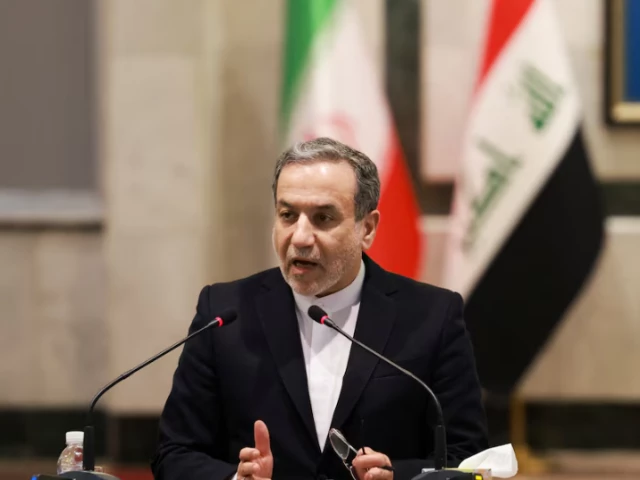
The current price action reflects a realization among traders that a technical agreement on shipping lanes is not the same as a commercial reopening. While Iranian Foreign Minister Abbas Araqchi stated on Sunday that a deal with Oman to define new shipping lanes was in its final stages
, he maintained that the strait remains closed until Washington meets specific conditions.
Tehran's demands for a full reopening are financial and political. According to The Hindu Business Line, Iran is seeking:
- Full compensation from the U.S. For war damages and widespread attacks.
- The complete lifting of all sanctions.
- The release of all frozen Iranian funds.
Iranian officials are utilizing Oman as a diplomatic bridge, but the bridge does not currently extend to Washington. Araqchi confirmed that Iran and the U.S. Are not engaged in direct talks, though messages are being exchanged via intermediaries. He stated that Tehran will not begin formal negotiations as long as Washington continues to breach an interim deal signed in June.
The U.S. Perspective remains dismissive of Iran's leverage. In an interview with Axios, President Donald Trump characterized the U.S. Position as semi-negotiating
, claiming that the U.S. Is simply observing Iran's internal economic collapse.
"We are just watching Iran with its huge inflation and the fact they have no money,"
Donald Trump, U.S. President, via The Hindu Business Line
Trump asserted that the U.S. Naval blockade has exacerbated the regime's economic crisis, leaving it without the funds necessary to pay its own troops.
This deadlock persists against a backdrop of escalating regional violence that maintains a high risk premium on crude. Over the weekend, Iran-aligned Houthis attacked the Saudi Aramco Jazan refinery. This strike occurred two days after Saudi Arabia signed a defense pact with Turkey and Pakistan to counter instability stemming from the U.S.-Israeli war on Iran.
Furthermore, the United Arab Emirates' ADNOC reported on Friday that 15 of its vessels have been attacked while transiting the Strait of Hormuz since the conflict began.
For global markets, the "Oman loophole"—a deal on shipping lanes—does not solve the immediate commercial risks. Gulf News reports that traders are concerned such an arrangement might grant Iran significant control over inbound traffic, which conflicts with U.S. Demands for an international waterway. Without a resolution, insurers may not restore coverage, and Gulf producers cannot resume normal export schedules.
Tim Waterer, chief market analyst at KCM Trade, noted that traders have been conditioned by the on-again, off-again nature of the negotiations
and are refusing to unwind the risk premium based on diplomatic signals alone, according to reporting by Livemint.
Market Volatility and Shipping Risks
The instability of the waterway has created a volatile environment where prices react sharply to diplomatic signals. According to Gulf News, the Strait has been largely disrupted since the outbreak of the US-Iran war in late February. While Brent settled at $83.55 a barrel Friday, while WTI ended at $78.18, both benchmarks climbed again on Monday as traders questioned whether a proposed reopening arrangement would actually restore normal commercial traffic.
The disconnect between a diplomatic "deal on paper" and operational reality is a primary driver of the current risk premium. The market is specifically weighing whether a technical agreement will translate into concrete commercial actions.
Beyond the shipping lanes, the conflict's regional reach continues to threaten supply. The Houthi attack on the Jazan refinery followed a defense pact signed by Saudi Arabia with Turkey and Pakistan. This regional instability, coupled with the loss of predictable transit, forces refiners to seek alternative crude supplies, which Gulf News notes can increase the cost of getting it to consumers.
The situation remains precarious because Tehran and Washington appear to have different ideas about what “reopening” means. While the US has signaled optimism that a deal could come soon, Iran continues to tie unrestricted passage to the restoration of the interim accord signed on 17 June.
For global markets, the next step will be whether Iran and Oman can finalise the proposed shipping arrangement and, crucially, whether Washington accepts its terms.
How significant is this development?
Contribute your assessment to the aggregated reader intelligence ledger.
Archypedia is dedicated to independent, evidence-backed reporting. This briefing was synthesized from primary source reporting, corroborated across independent newsrooms, and verified against our Editorial Standards.
Transparency record
Evidence behind this report
This report synthesizes 6 distinct sources. Open the source ledger below to compare the underlying coverage.
Prepared under the Archypedia Editorial Policy by the Samir Haddad editorial desk profile. AI-assisted tools may support drafting and verification; public accountability remains with Archypedia. Report an error.