Iran targets ADNOC tanker in Strait of Hormuz
Daily commercial transits through the strategic waterway have plummeted to just eight vessels following an Iranian missile strike on an ADNOC oil tanker.
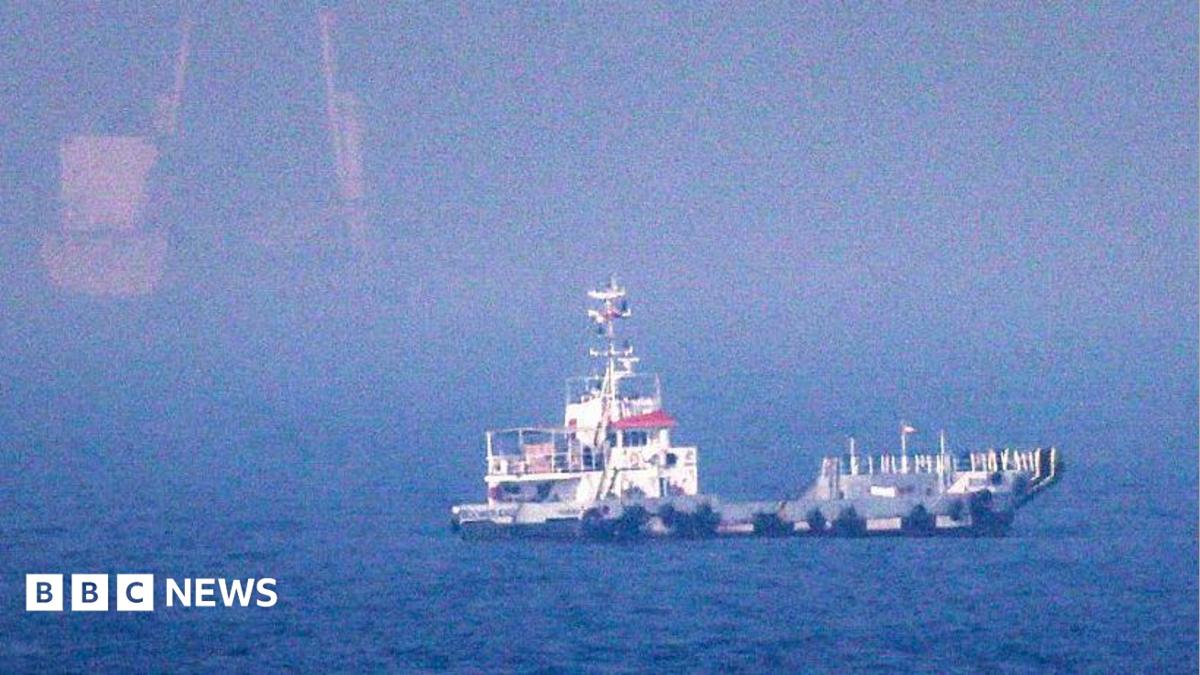
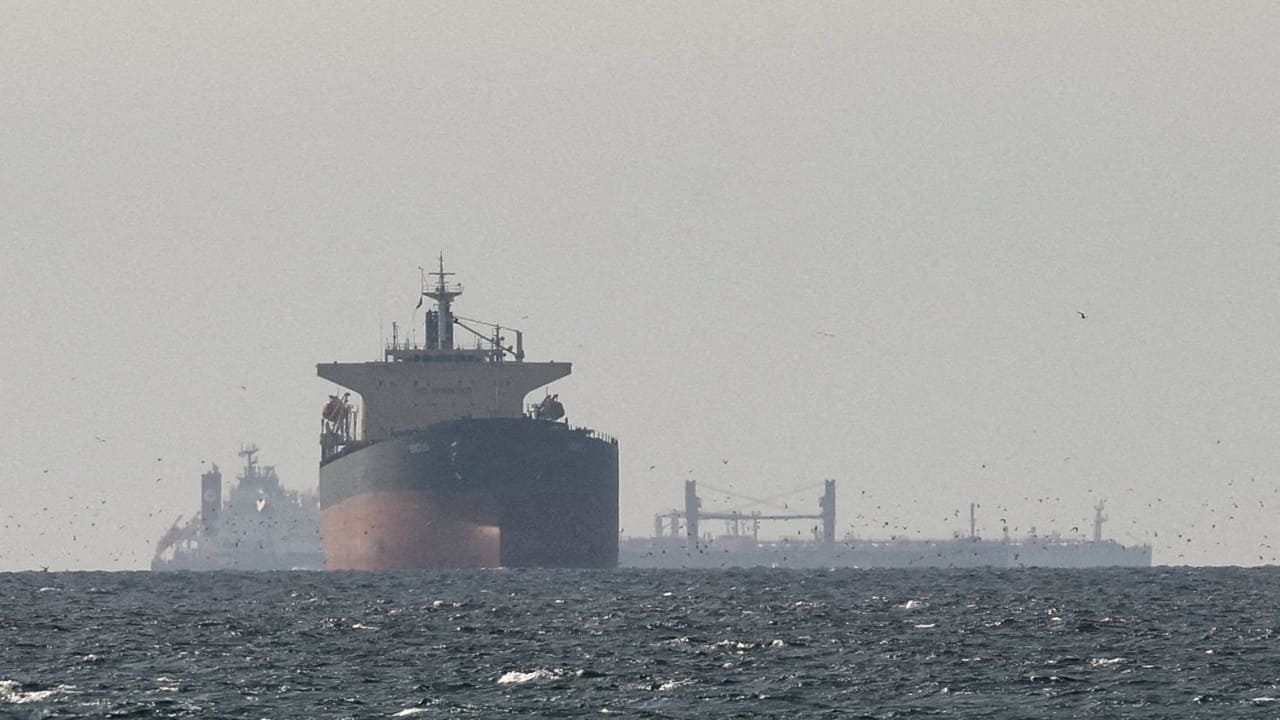
Commercial maritime transit through the Strait of Hormuz has plummeted to a fraction of its pre-war volume as diplomatic maneuvers stall and military pressure intensifies across the region. Marine traffic data provider Kpler reported that just eight commercial vessels transited the strategic waterway on Thursday, down from fifteen on Tuesday, compared to approximately 130 ships daily before the conflict began. The drastic reduction in shipping volumes follows an escalation by Iran's Islamic Revolutionary Guard Corps, which targeted an oil tanker belonging to the state-owned Abu Dhabi National Oil Company with a missile while it was transiting the strait without causing casualties.
The strike marks the 15th vessel attack faced by ADNOC since the outbreak of hostilities, compounding a toll that the company reported has left one crew member dead and 20 injuries across 16 total incidents. Regional governments reacted with sharp condemnation to the latest missile attack. According to the Fox News coverage, Qatar's Foreign Ministry rejected using the passage as a bargaining chip, denouncing the action as a flagrant violation of international law and United Nations Security Council Resolution 2817. Similarly, the United Arab Emirates Ministry of Foreign Affairs characterized the targeting of commercial shipping and the closure of the waterway as acts of piracy and economic coercion by the Revolutionary Guard Corps.
Related YouTube video

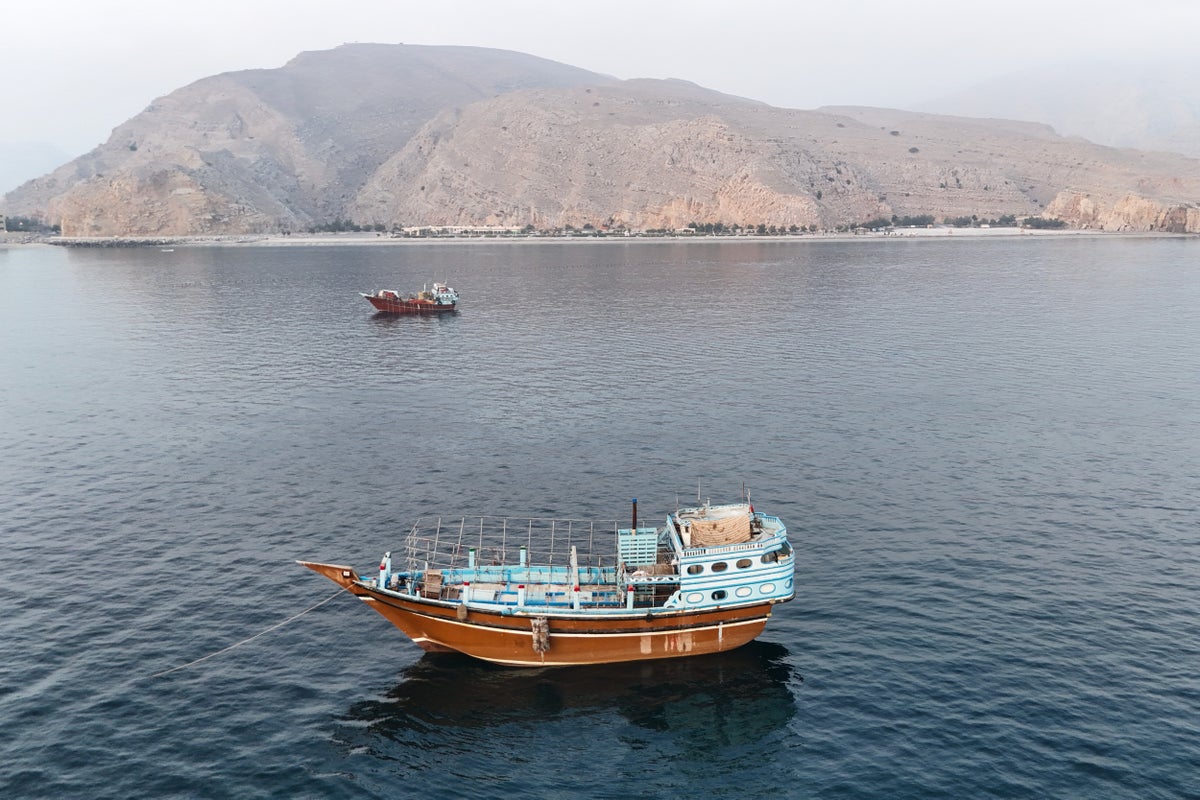
Against this backdrop of maritime disruption, Iranian officials have insisted that the strategic waterway will reopen solely on Tehran's terms. Gen. Hossein Mohebbi, a spokesperson for the Revolutionary Guard Corps, declared that the strait serves as a symbol of Iran's geopolitical power rather than merely an economic passage. Mohebbi asserted that conditions for reopening the route will be provided only when the United States accepts Iranian conditions and abandons its interventionist approach, maintaining that any reopening remains completely Independent of ongoing negotiations between Iran and Oman. Iranian Foreign Minister Abbas Araghchi further noted that while talks with Muscat are approaching their final stages, any restoration of transit depends on additional conditions and compensation from Washington for alleged violations of previous agreements. Meanwhile, former Defense Secretary Mark Esper warned on Fox News that an emerging arrangement between Tehran and Muscat to divide passage through northern routes and Omani coastal lanes could grant Iran and Oman administrative control, creating a very bad outcome for the United States.
The diplomatic and economic fallout extends far beyond the immediate waterway. The U.S. Treasury Department announced its eighth round of Iran-related sanctions, targeting Shahr Bank alongside two Dubai-based exchange houses, Titan Exchange and Alps International, for laundering hundreds of millions of dollars to retrieve oil revenue for the National Iranian Oil Company and Naftiran Intertrade Co. Treasury Secretary Scott Bessent stated that every facilitator keeping the regime afloat is placing a target on its own back. Domestically, the six-month conflict continues to exert economic pressure, with AAA reporting the national average price for a regular gallon of gasoline at $4.04, up from $3.79 a month prior, while U.S. Employment figures declined by 23,000 jobs.
The future management of the Strait of Hormuz hangs on whether an interim deal between Oman and Iran will materialize, and to what extent direct U.S. Participation or opposition will shape the terms of reopening the vital global energy artery.
Diplomatic Hurdles and Humanitarian Fallout
While Iranian officials maintain that any resumption of commercial transit must follow independent terms, Yahoo News and The Independent report that negotiations between Tehran and Muscat have reached advanced stages.
- ADNOC reported that 16 total vessels have faced attacks since the outbreak of hostilities, resulting in one crew fatality and 20 injuries across these incidents.
- The UAE Ministry of Foreign Affairs and Qatar's Foreign Ministry both condemned the recent missile strike as a flagrant violation of United Nations Security Council Resolution 2817.
- Data from Kpler indicates that daily commercial transits through the Strait of Hormuz plummeted to eight vessels on Thursday, compared to roughly 130 ships daily before the conflict.
- The U.S. Treasury Department enacted its eighth round of Iran-related sanctions, targeting Shahr Bank alongside Titan Exchange and Alps International.
As diplomatic maneuvers continue between Washington, Tehran, and regional capitals, the next step depends on whether an interim arrangement between Oman and Iran materializes to restore transit through the contested waterway.
How significant is this development?
Contribute your assessment to the aggregated reader intelligence ledger.
Archypedia is dedicated to independent, evidence-backed reporting. This briefing was synthesized from primary source reporting, corroborated across independent newsrooms, and verified against our Editorial Standards.
Transparency record
Evidence behind this report
This report synthesizes 6 distinct sources. Open the source ledger below to compare the underlying coverage.
Prepared under the Archypedia Editorial Policy by the Samir Haddad editorial desk profile. AI-assisted tools may support drafting and verification; public accountability remains with Archypedia. Report an error.