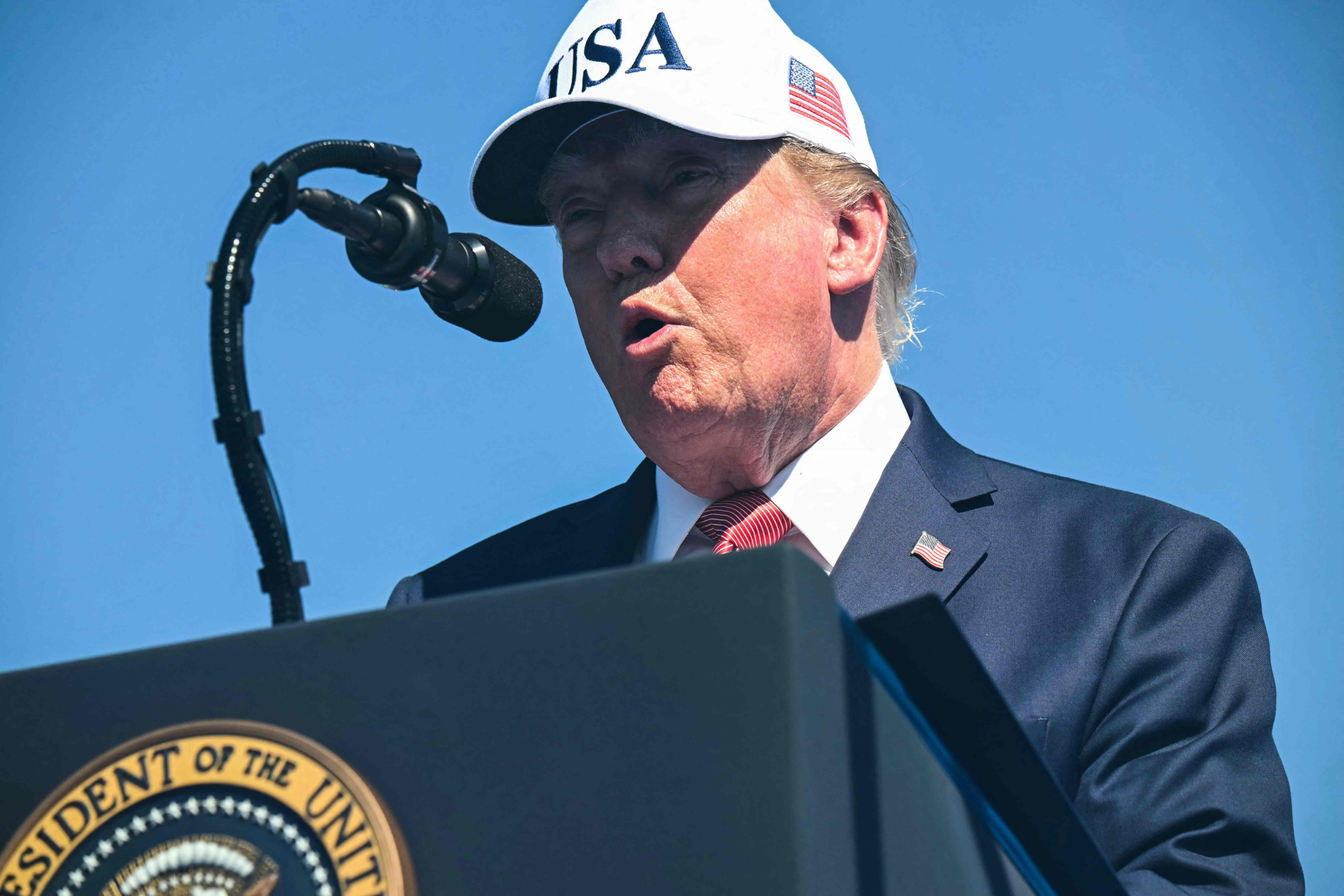
Trump says will soon declare Hormuz strait US territory
US President Donald Trump stated plans to claim the Strait of Hormuz as American territory, sparking an immediate backlash from Iranian officials and highlighting a steep decline in commercial vessel traffic.
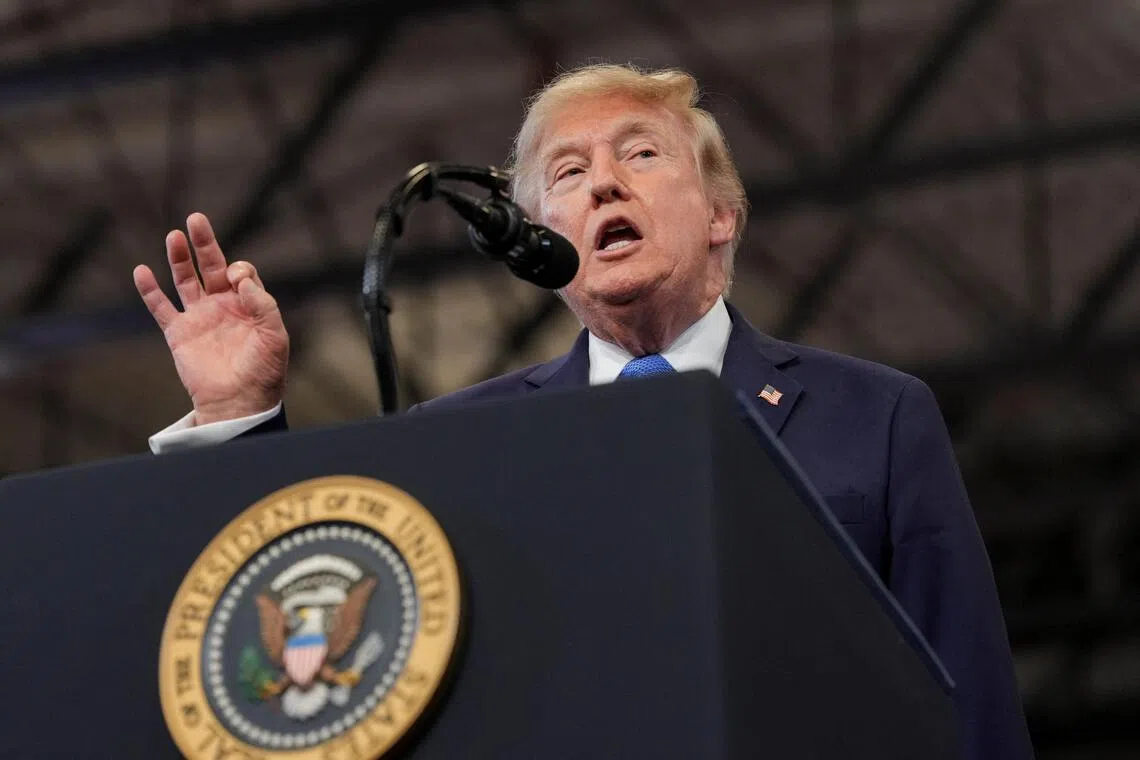
US President Donald Trump vowed on Thursday, August 14, 2026, to finish defeating Iran and subsequently declare the Strait of Hormuz a territory of the United States. Speaking during a political rally at a police academy in Garden City, New York, Trump chuckled as he made the declaration before a cheering crowd of supporters and police officers, according to reporting from The Straits Times and Dynamite News. The remarks triggered an immediate backlash from Tehran and an abrupt cleanup from within Washington, where an unnamed White House official told the Wall Street Journal that the president had been joking and had not consulted his advisers on the matter.
Tehran dismissed the threat outright. Iranian Deputy Foreign Minister Kazem Gharibabadi took to X on Friday, August 15, 2026, to declare that the waterway has been Iranian, is Iranian, and will remain Iranian, asserting that the strait will only be closed and opened under Iran’s command. According to Dynamite News and ABP Live, Gharibabadi further remarked that the strategic passage cannot be seized by tweet or military coercion, telling Washington to accept the reality of its strategic defeats.
Related YouTube video
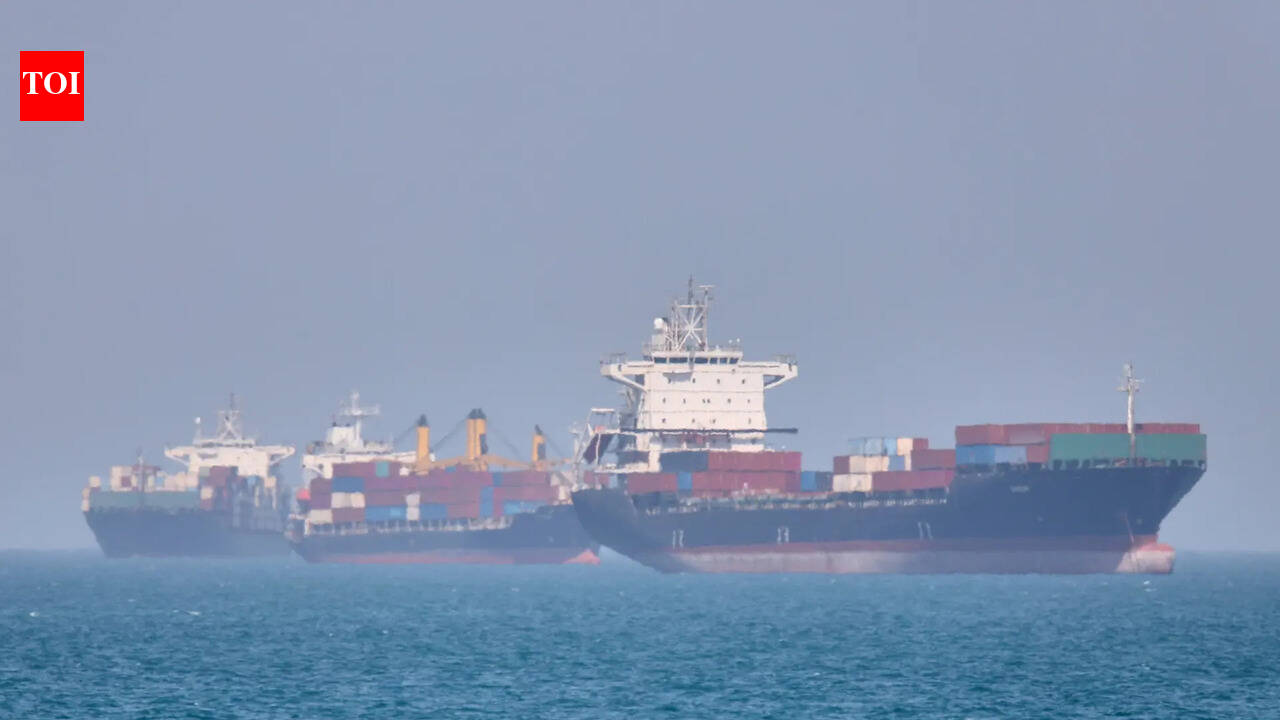
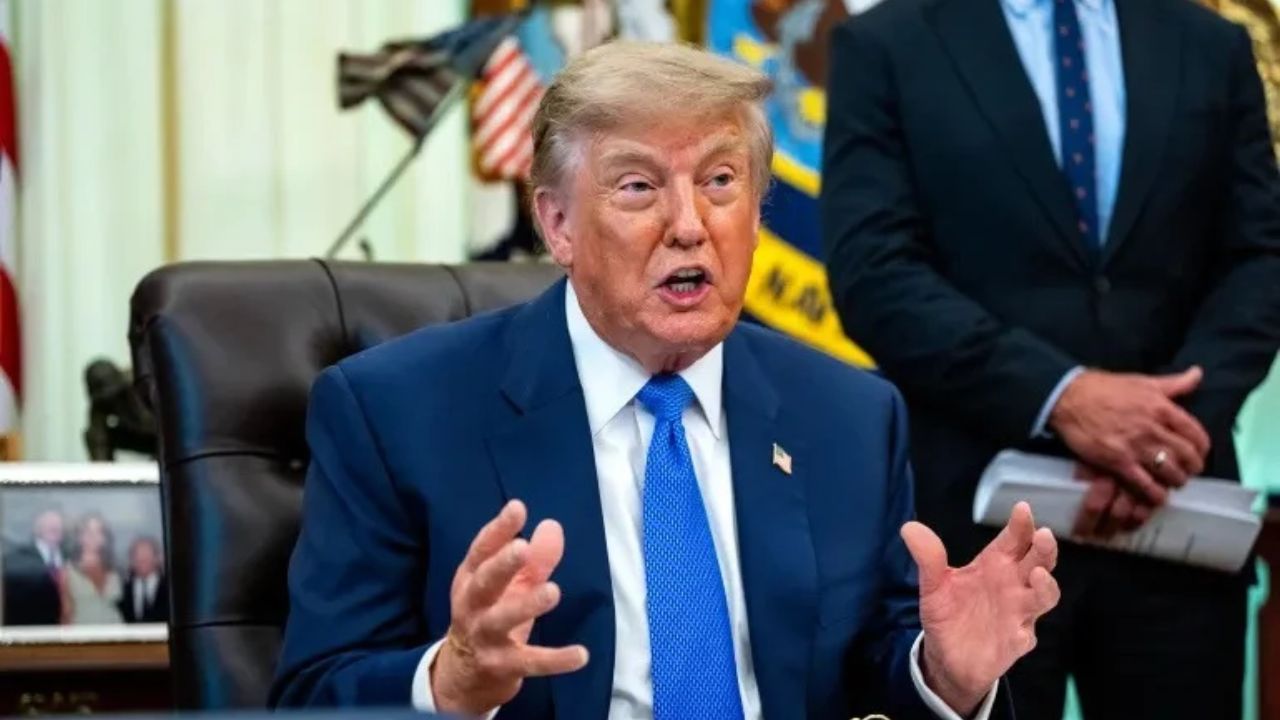

The fiery rhetoric underscores a paralyzed maritime corridor where shipping has ground nearly to a halt. Data from Kpler tracking cited by ABP Live reveals that only two vessels navigated the strait on Friday, neither of which was a crude oil tanker. That total follows nine crossings on Thursday and five on Wednesday, marking a staggering collapse from the August daily average of 12 crossings and the roughly 130 vessels that traversed the passageway daily before the US-Israeli campaign against Iran began on February 28.
Enforcement actions in the region remain aggressive. The US Central Command reported that as of August 14, its forces had redirected 62 commercial vessels, disabled three ships, and boarded two others to enforce a naval blockade aimed at crippling the Iranian economy. US War Secretary Pete Hegseth defended the strategy on Thursday in Panama City, according to The Times of India, stating that the Navy can maintain the blockade indefinitely by rotating vessels in and out of the region. Trump similarly characterized the operation as a wall of steel granting Washington total control over the passage.
Physical damage and environmental hazards continue to mount across the vital shipping lane. Abu Dhabi National Oil Company reported that two of its oil tankers sustained minor drone attacks while transiting the strait, an incident the United Arab Emirates blamed directly on Iran's Revolutionary Guard Corps as an act of economic piracy, as reported by The Times of India. Simultaneously, satellite imagery analyzed by Reuters and Iran International detected a major oil slick reaching the waters off Iran's Qeshm Island, alongside oil traces near Sirri Island. Meanwhile, the United Kingdom Maritime Trade Operations agency reported that a bulk carrier was struck by an unknown projectile in the strait, though all crew members were confirmed safe.
Former US Ambassador and Middle East policy adviser Marc Ginsberg criticized the administration's posture in an interview with Al Jazeera, warning that the blockade risks turning into an endgame-free game of economic chicken that Washington is liable to lose because Iran is entirely cut off from the foreign currency reserves required to sustain its economy, according to The Times of India.
Diplomacy remains stalled despite indirect communication channels. Iranian Foreign Minister Abbas Araghchi stated that Tehran has made no decision to resume formal negotiations with Washington. While acknowledging that Qatar and Pakistan are exchanging messages with Iranian authorities, Araghchi stressed that this does not mean negotiations, adding that a memorandum agreed upon in Islamabad referred specifically to an end to the war rather than a temporary ceasefire. Iran maintains that the US must meet its conditions before regular shipping can resume.
Regional Shockwaves and Military Realignments
Beyond the diplomatic standoff in Tehran, the confrontation has triggered major military realignments across the wider Middle East. According to reporting from The Times of India, Islamic Revolutionary Guard Corps commander Major-General Ahmad Vahidi released an open letter published by Sepah News asserting that Iran had brought the most armed army in the history of the world to its knees. Vahidi's appointment is part of a broader defense reshuffle orchestrated by Supreme Leader Mojtaba Khamenei. Meanwhile, the US Navy is adjusting its carrier strike group deployments to sustain operations, shifting the USS George Washington from Da Nang to replace the USS Abraham Lincoln, whose deployment surpassed 260 days and drew concern from lawmakers over sailor wellbeing.
Simultaneously, political friction has intensified inside Iran's parliament. Ebrahim Azizi, who chairs the parliament's National Security and Foreign Policy Committee, used an address before Friday prayers in Shiraz to demand that the United States completely withdraw its military forces from the Middle East, arguing that Washington's presence generates insecurity rather than stability.
Strait of Hormuz Conflict Metrics at a Glance
- Daily commercial vessel crossings dropped to two on Friday, down from an August daily average of 12 and roughly 130 before the February 28 conflict.
- US Central Command reported redirecting 62 commercial vessels, disabling three ships, and boarding two others as part of its naval blockade.
- Two Abu Dhabi National Oil Company tankers sustained minor damage in drone attacks while transiting the waterway.
As intermediaries from Qatar and Pakistan continue relaying unformalized messages between Washington and Tehran, the next step depends on the US Treasury Department's rollout of unprecedented economic pressure measures against Iran, which are expected to take effect as early as next week according to statements from The Times of India.
How significant is this development?
Contribute your assessment to the aggregated reader intelligence ledger.
Archypedia is dedicated to independent, evidence-backed reporting. This briefing was synthesized from primary source reporting, corroborated across independent newsrooms, and verified against our Editorial Standards.
Transparency record
Evidence behind this report
This report synthesizes 4 distinct sources. Open the source ledger below to compare the underlying coverage.
Prepared under the Archypedia Editorial Policy by the Samir Haddad editorial desk profile. AI-assisted tools may support drafting and verification; public accountability remains with Archypedia. Report an error.